100 Islands. One Goal.
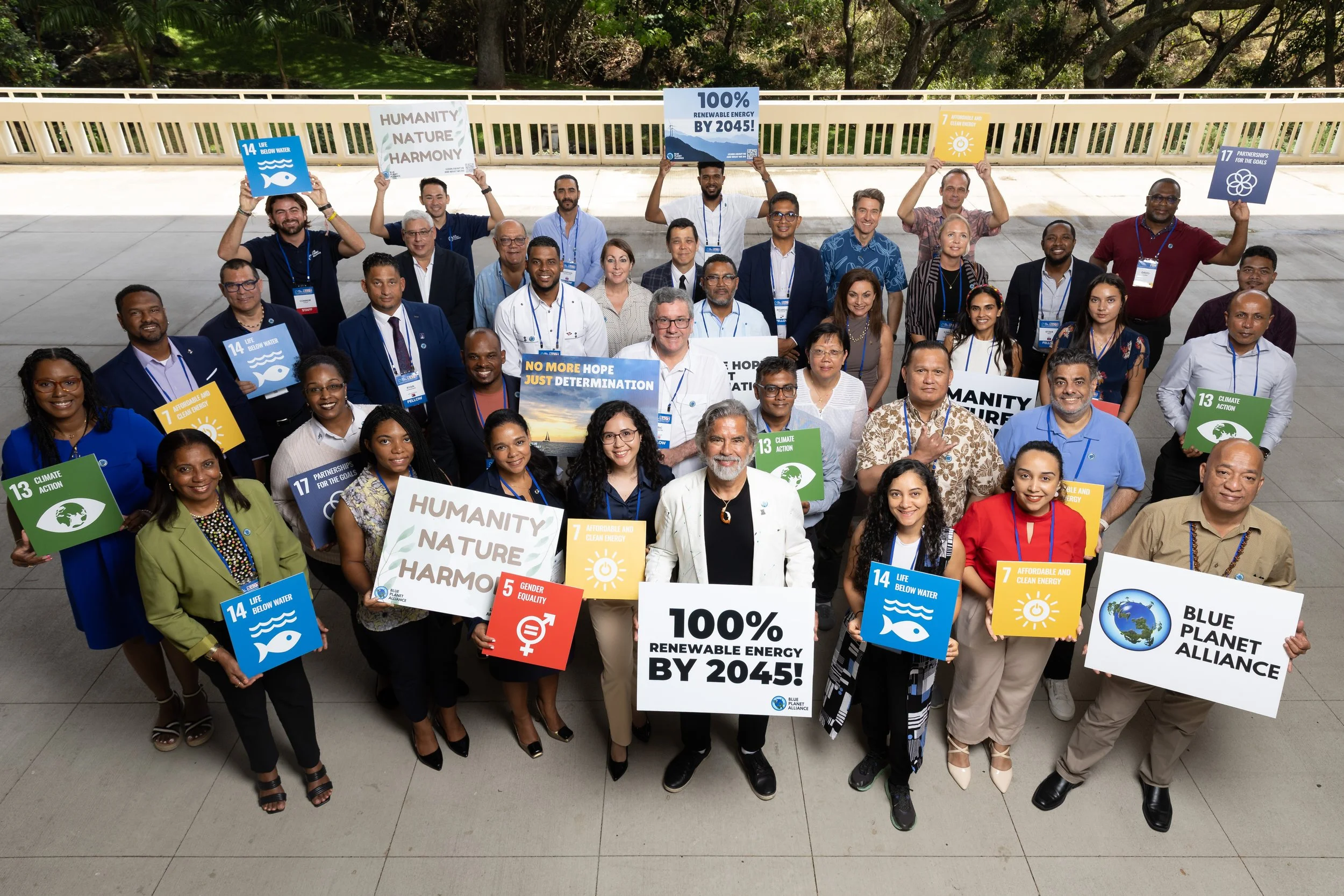
Welcome to our look back at the incredible journey of the Fellowship Cohort 5! This program brought together thought leaders and change-makers from diverse island nations for a week of intensive learning, collaboration, and strategic planning in Honolulu, Hawaii.
Dive in as we recap the key moments, inspiring speakers, and collaborative sessions that define Blue Planet Alliance Fellowship Program.
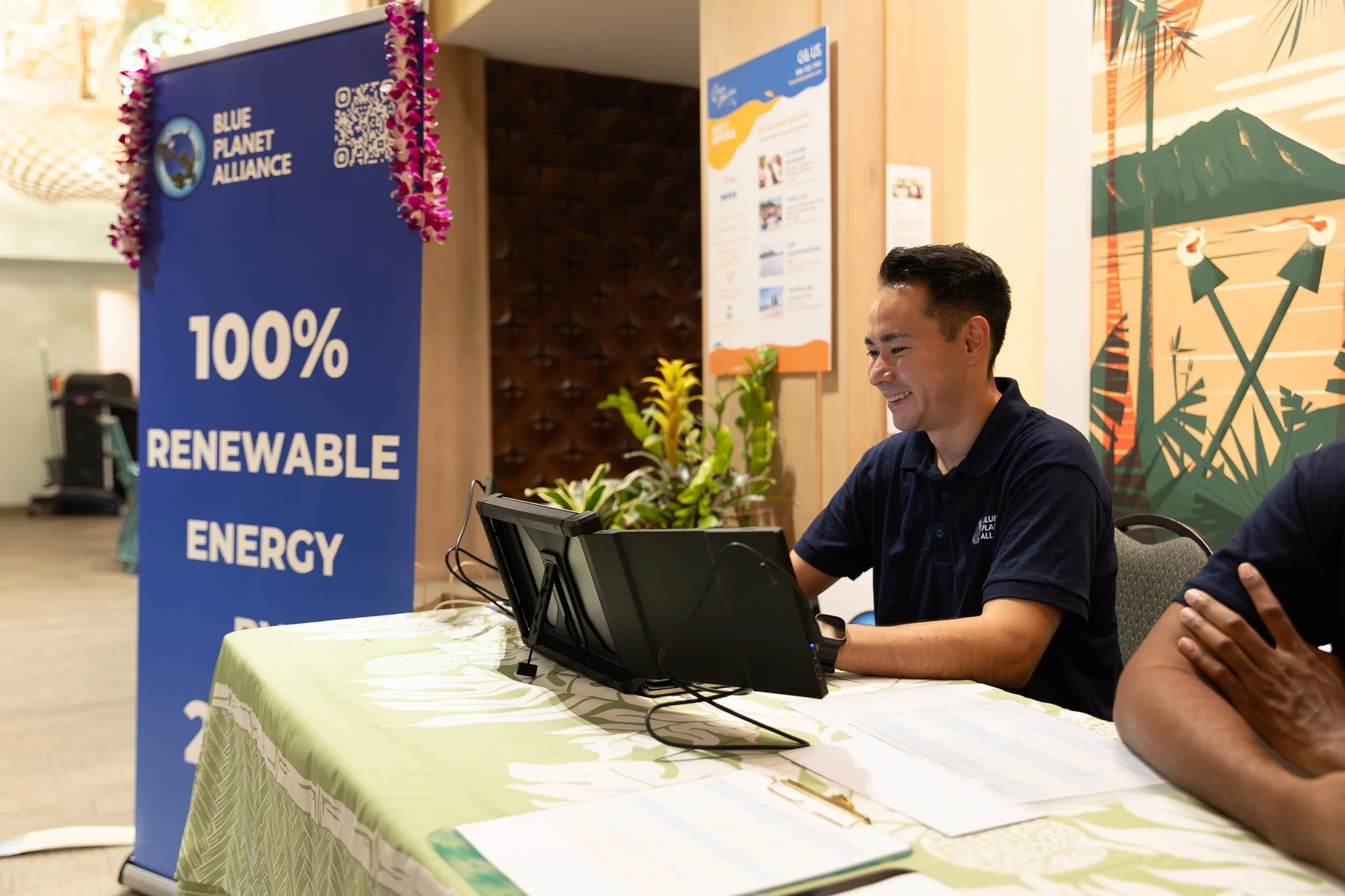
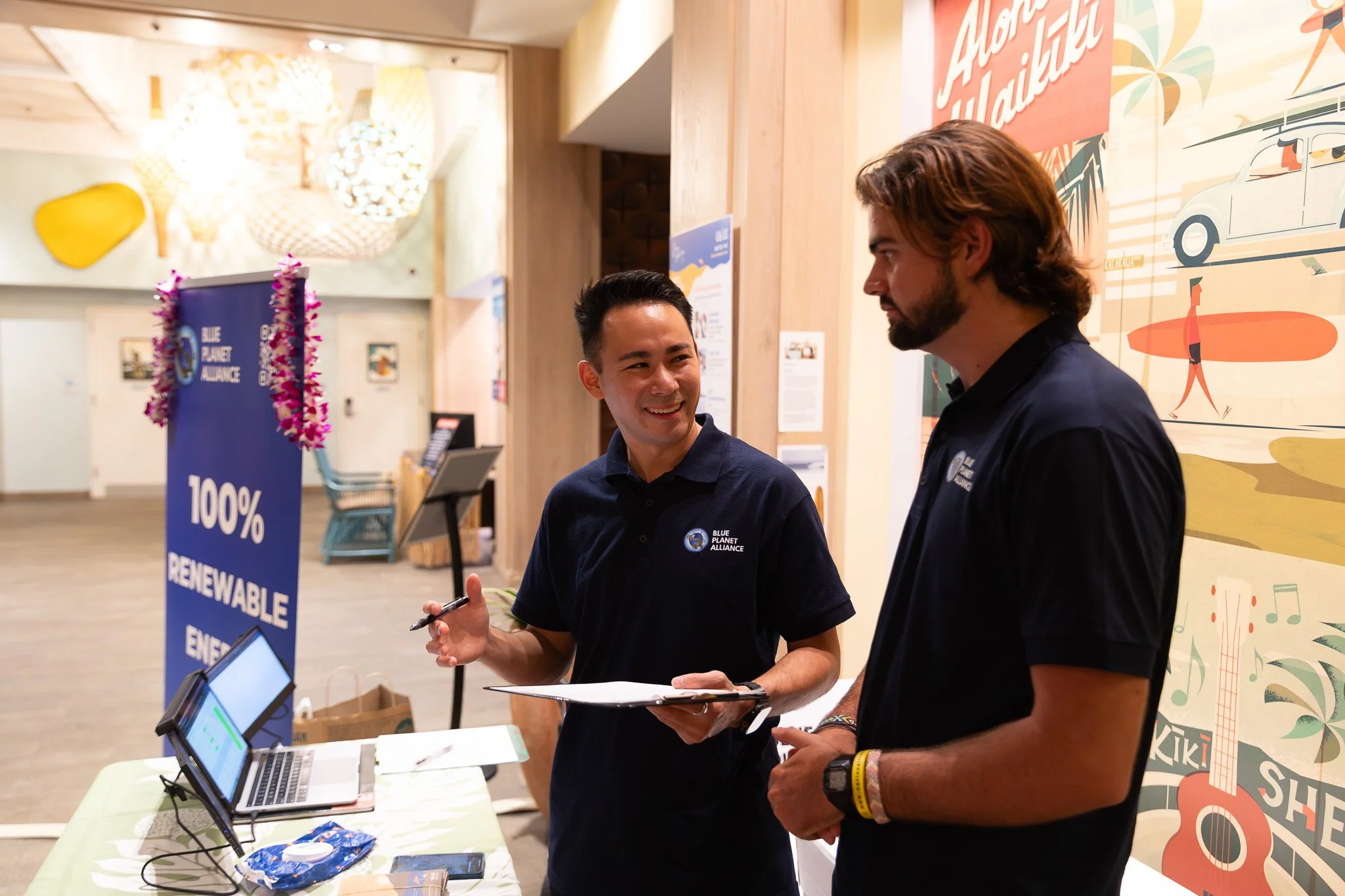
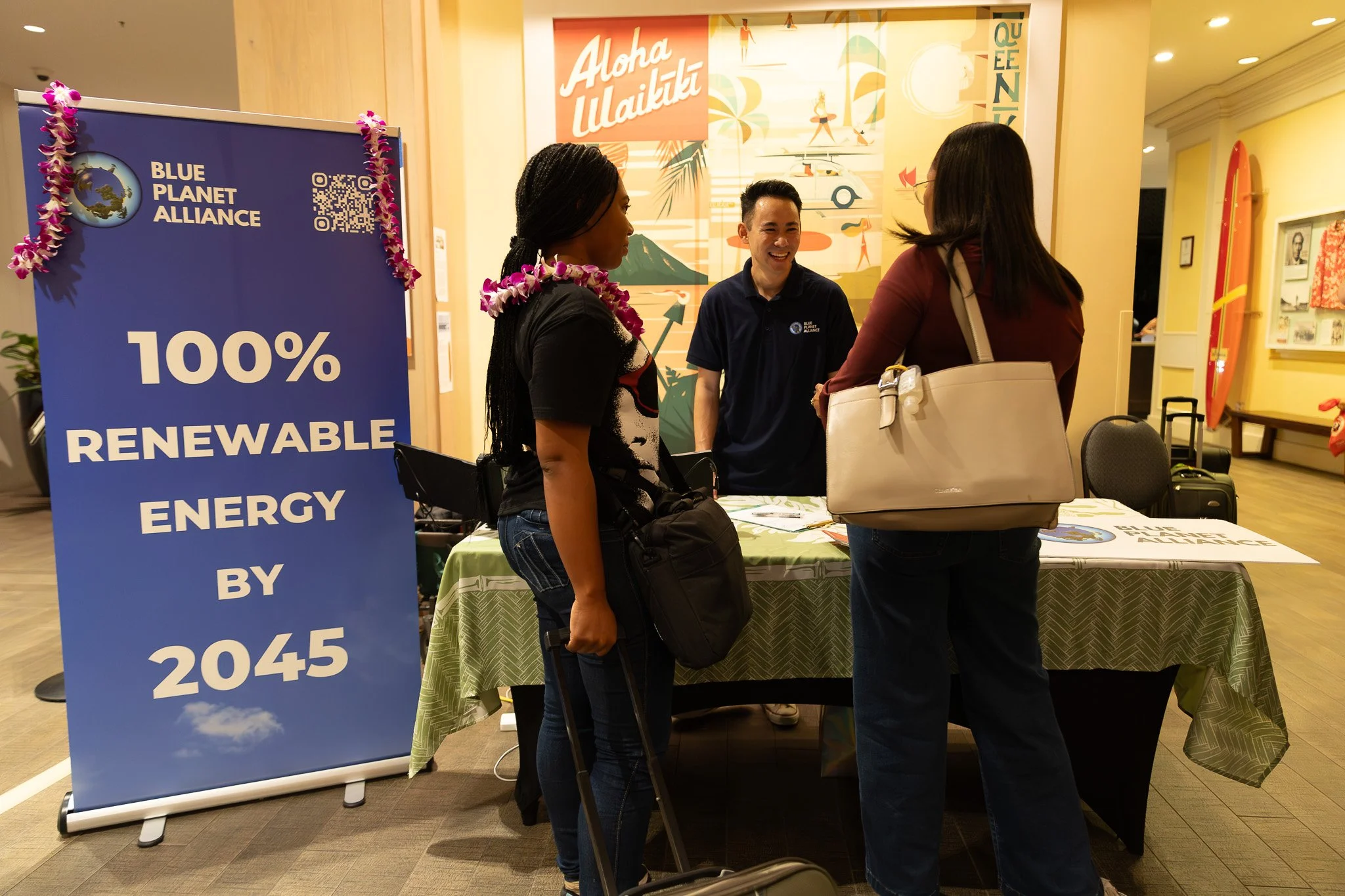
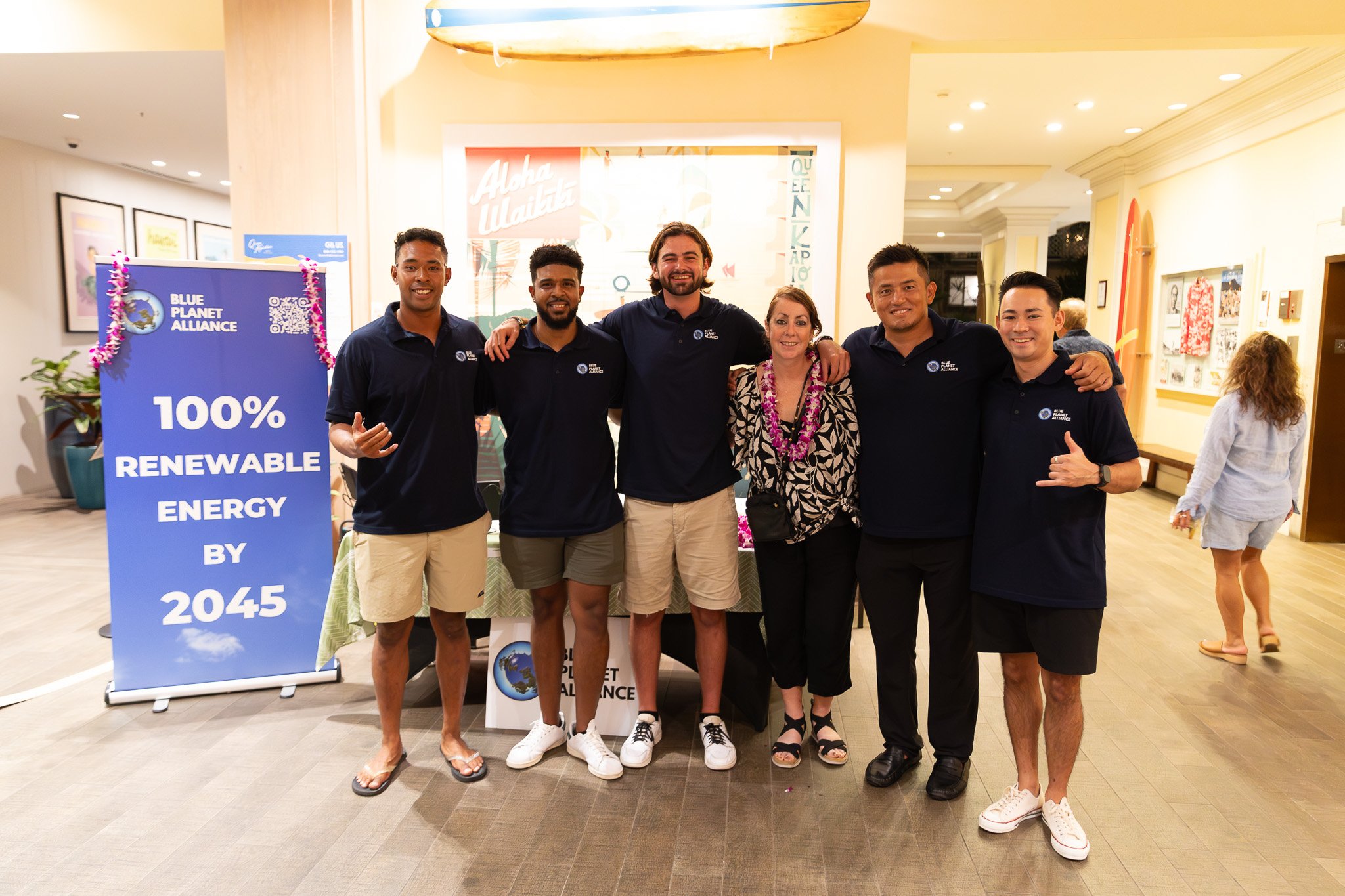
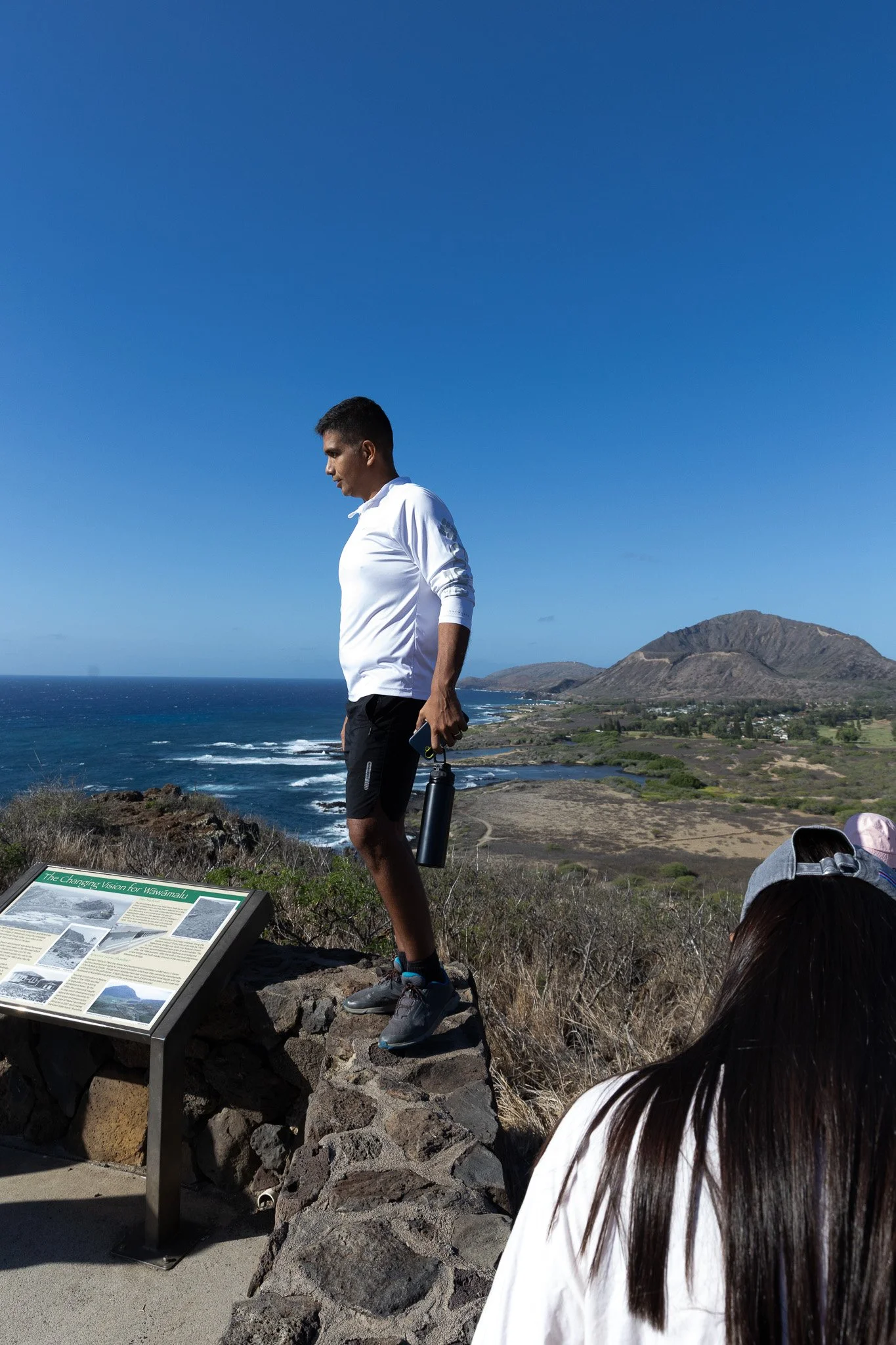
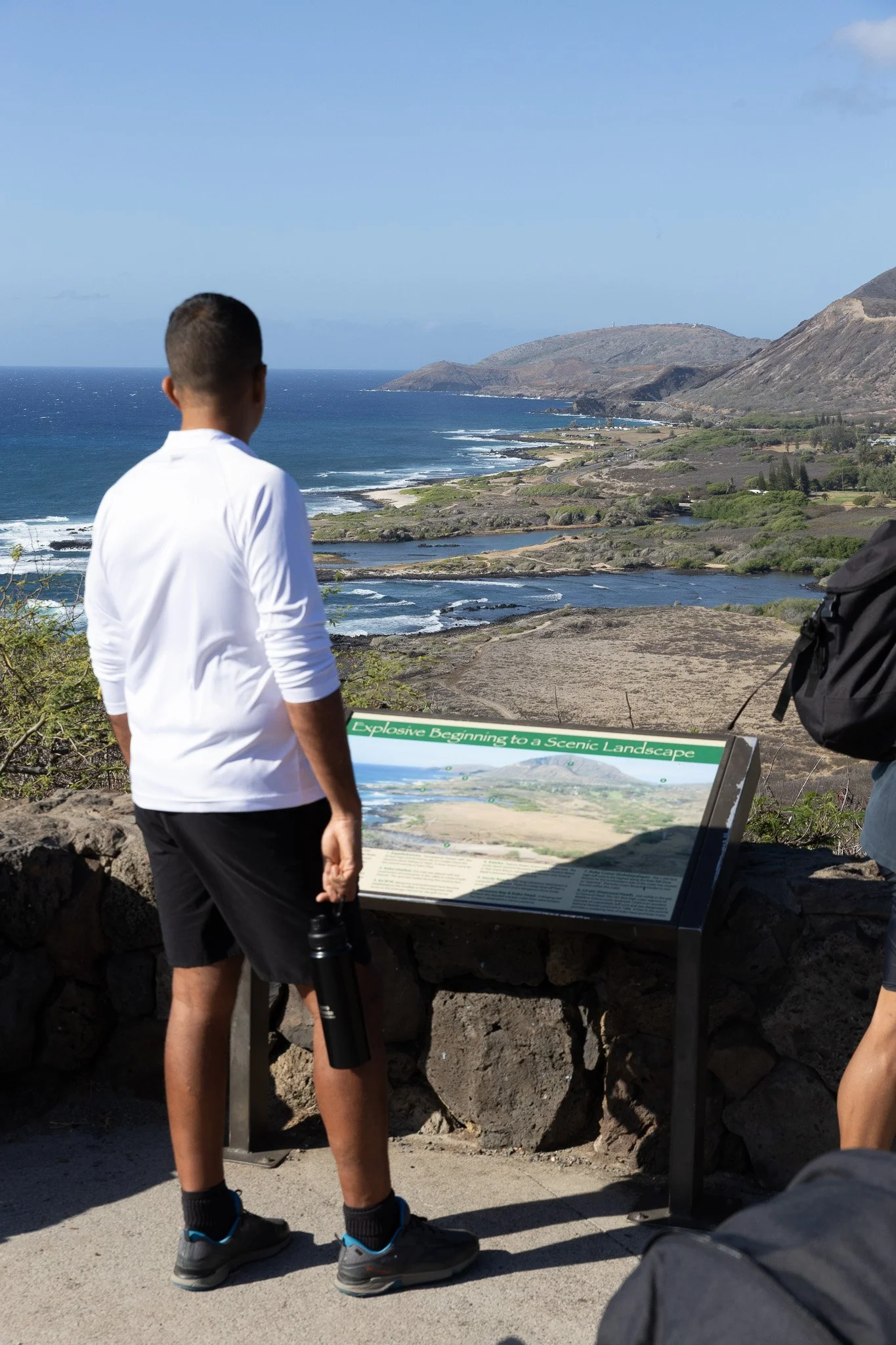
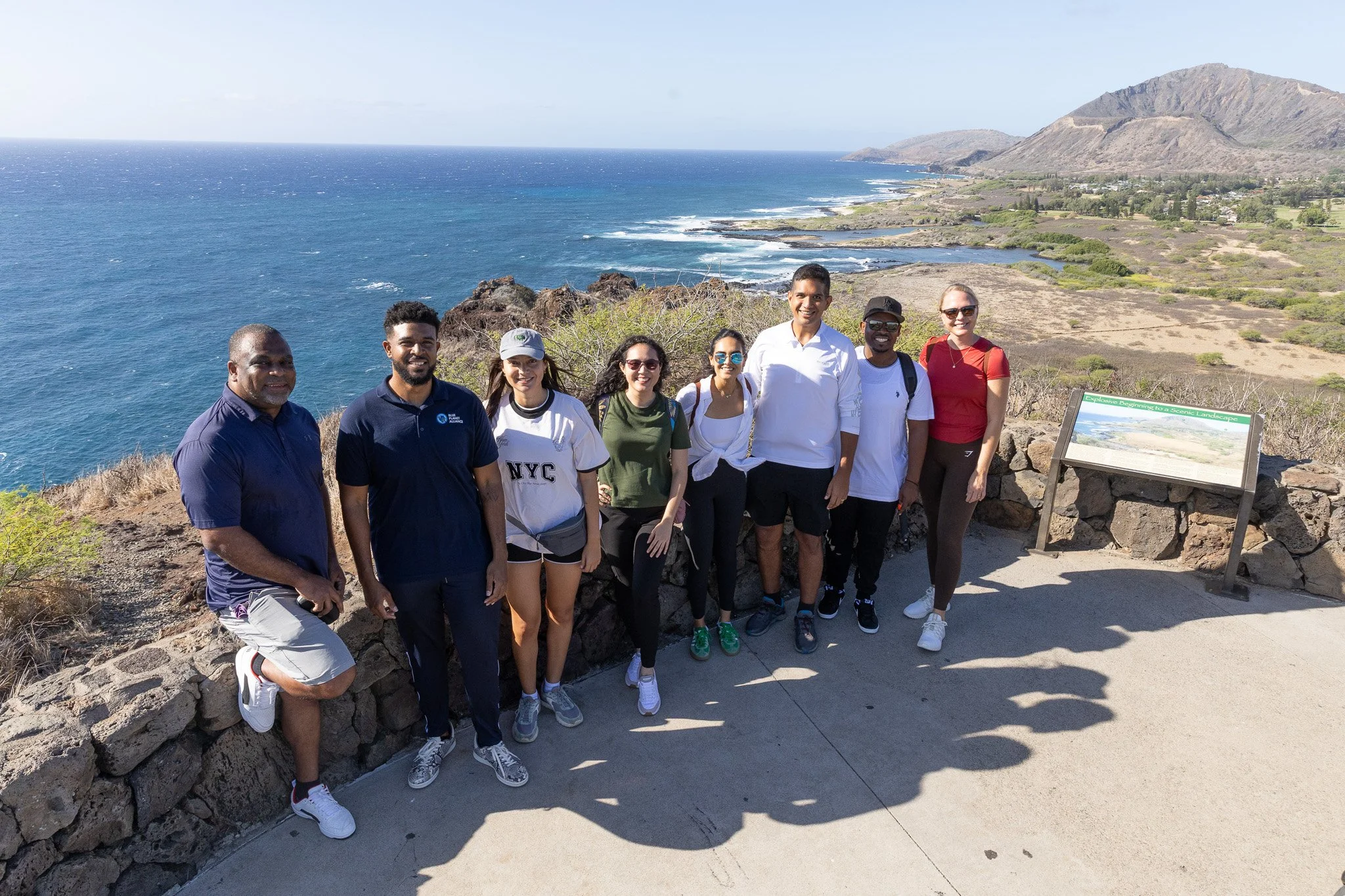
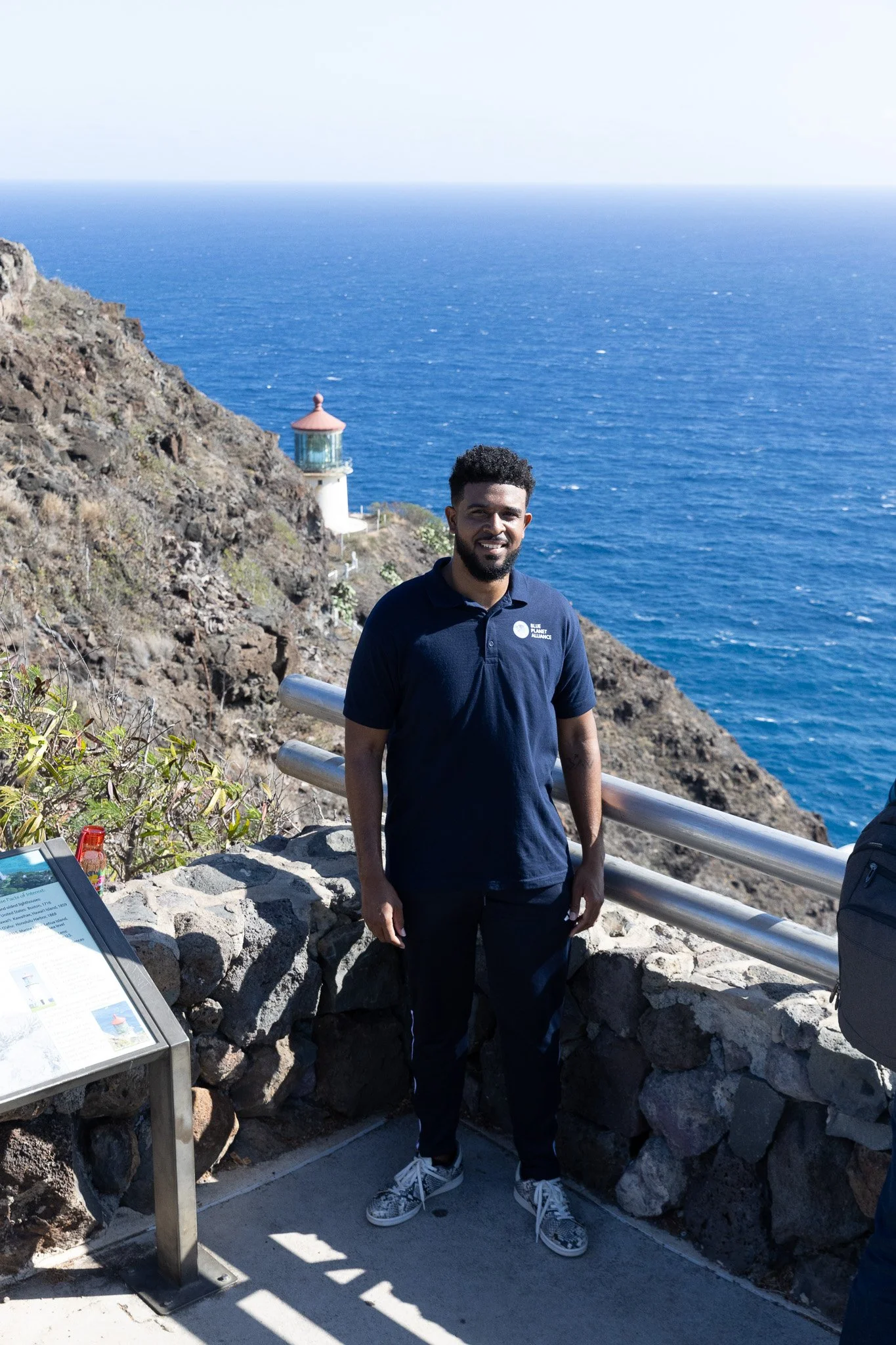
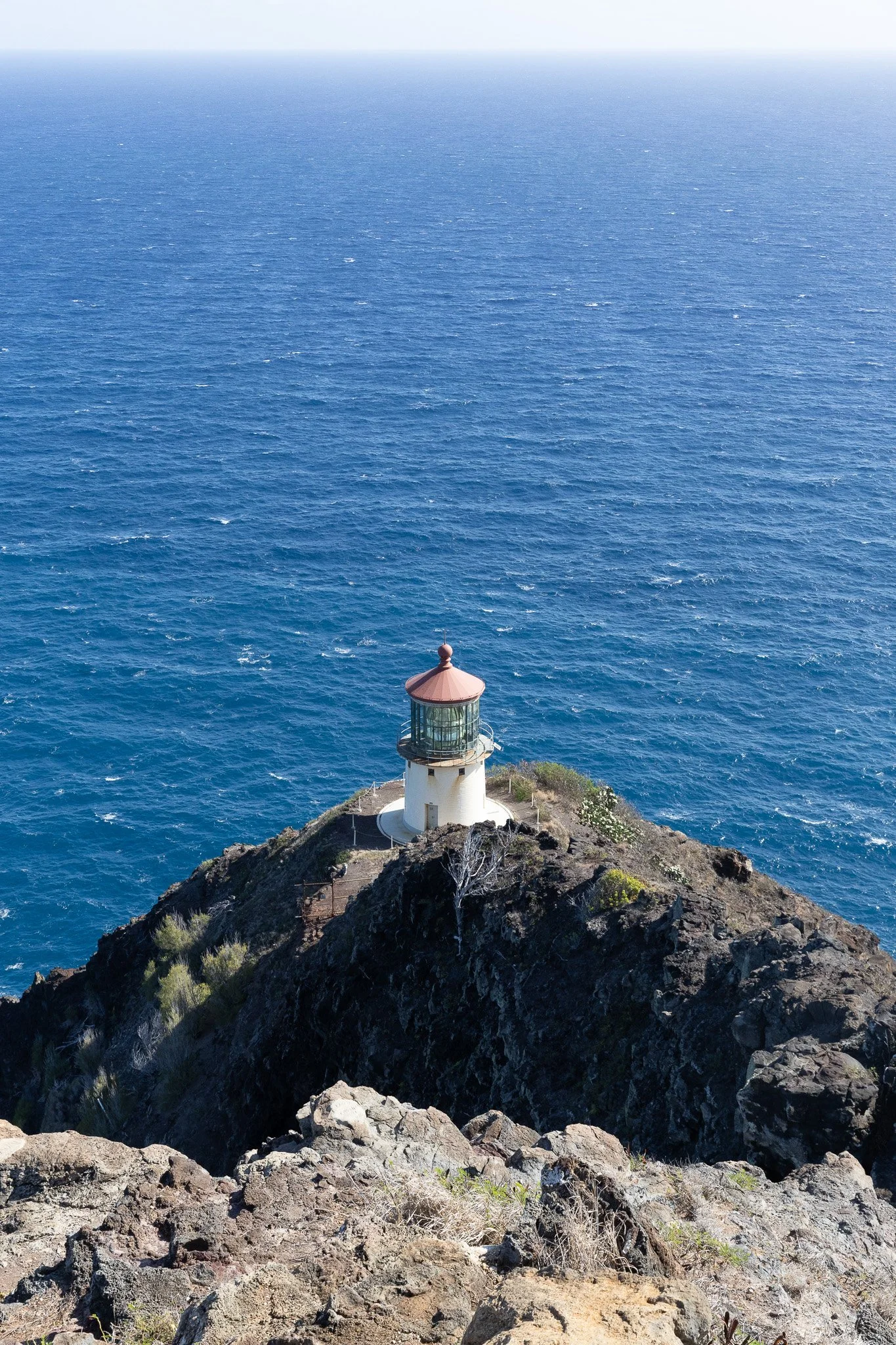
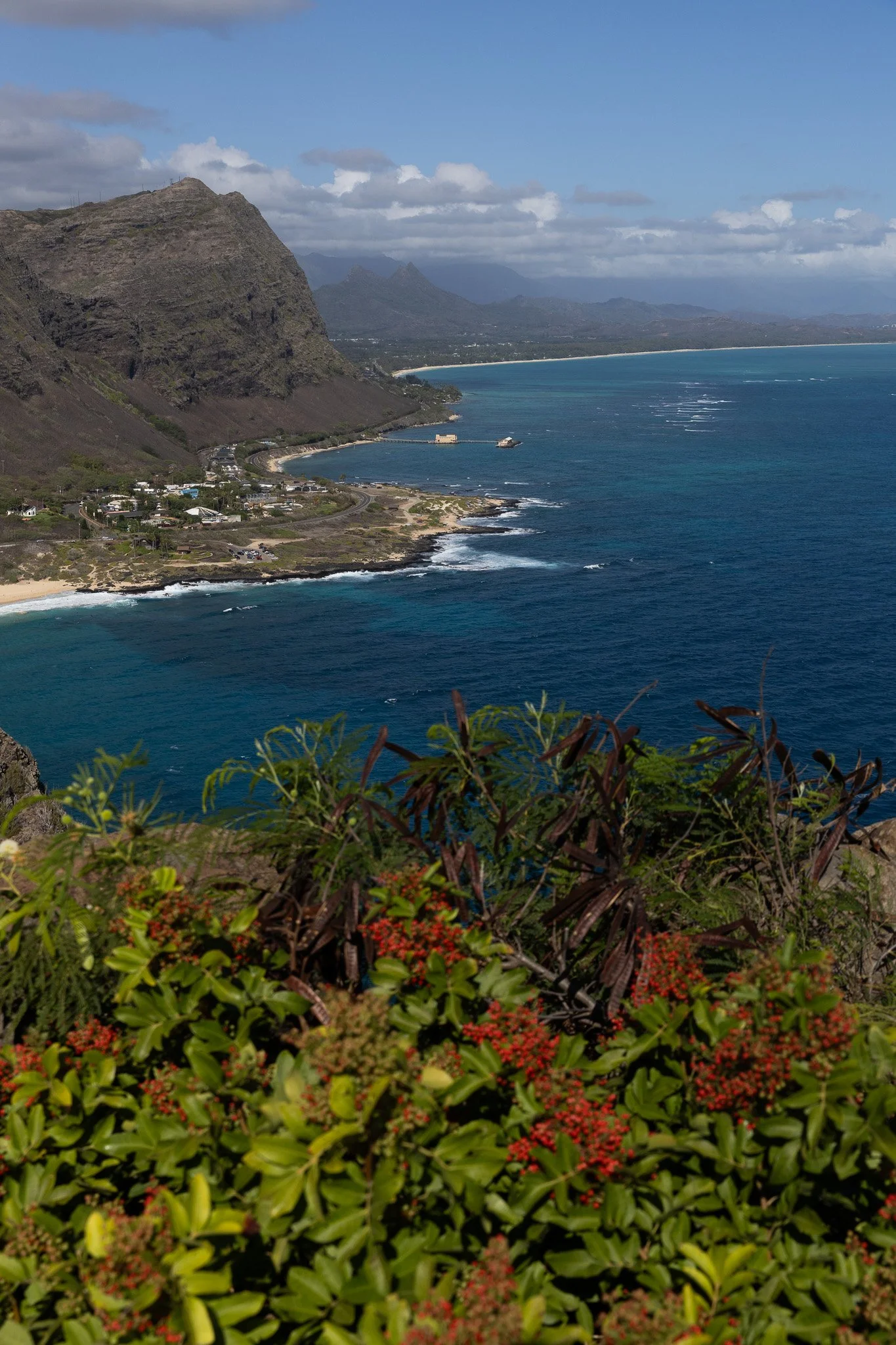
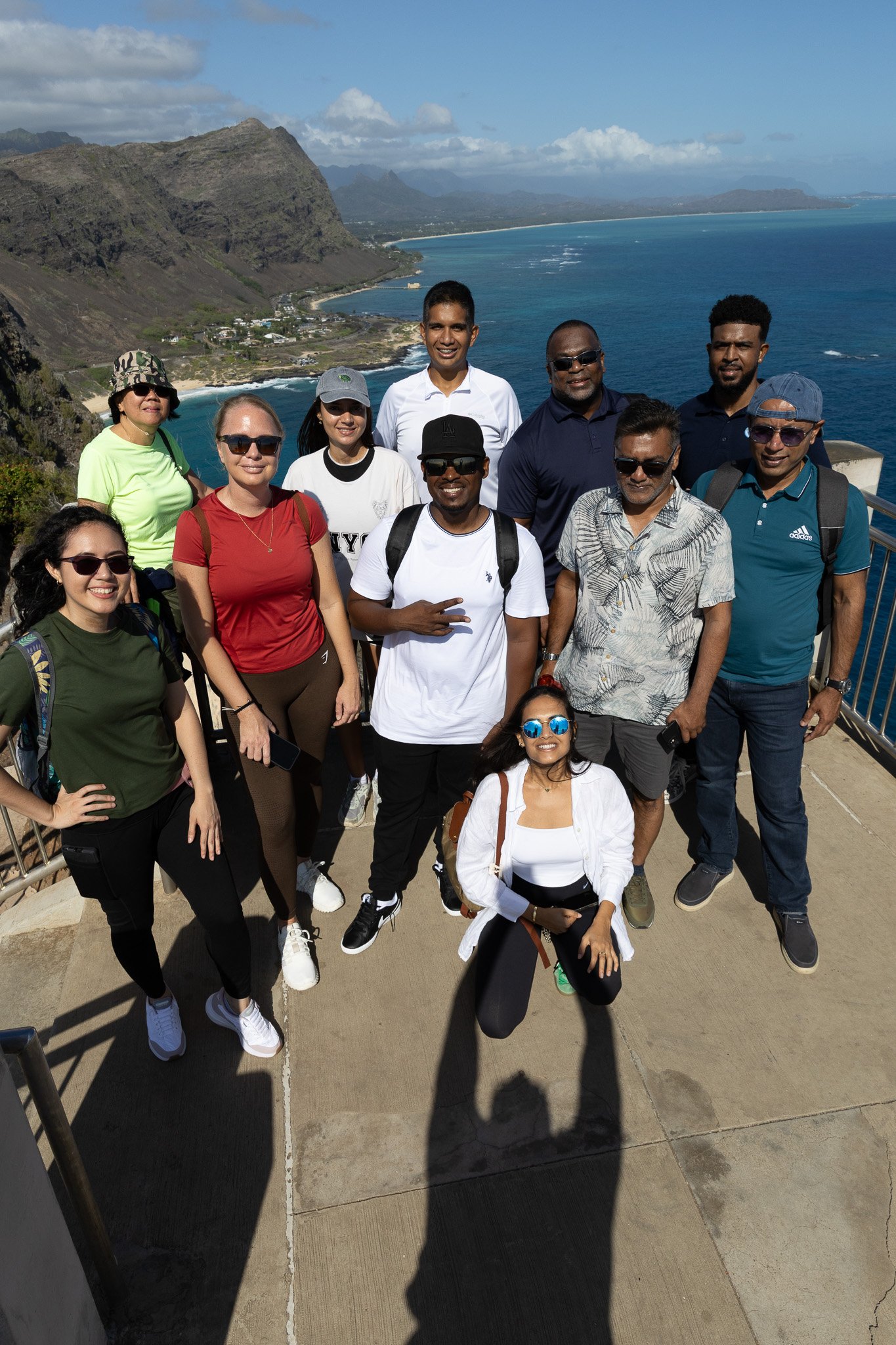
On Saturday, September 20, as representatives from Anguilla, Costa Rica, Dominican Republic, Haiti, Marshall Islands, Mauritius, Panama, and Sint Maarten arrived at the Queen Kapi’olani Hotel at Waikiki Beach, they were welcomed with traditional leis by BPA staff and presented two options for excursions the following morning: a tour of the USS Arizona Memorial at Pearl Harbor, or a scenic walk to the top of Makapu’u Point for a majestic view of the windward side of the island of Oahu. Both activities were chosen to honor the unique culture and natural beauty of Hawaiʻi, offering the cohort members a chance to decompress and connect before diving into the intensive program agenda.
The Pearl Harbor tour provided a somber but important grounding in the historical significance of the islands, allowing Fellows to reflect on global conflict and resilience. Meanwhile, the trek to Makapu’u Point, overlooking the famously lush and dramatic windward coast, offered a breathtaking panoramic vista, a perfect visual reminder of the powerful, fragile ocean ecosystems Blue Planet Alliance is working to protect. We couldn’t think of a better start to a program dedicated to building a sustainable future.
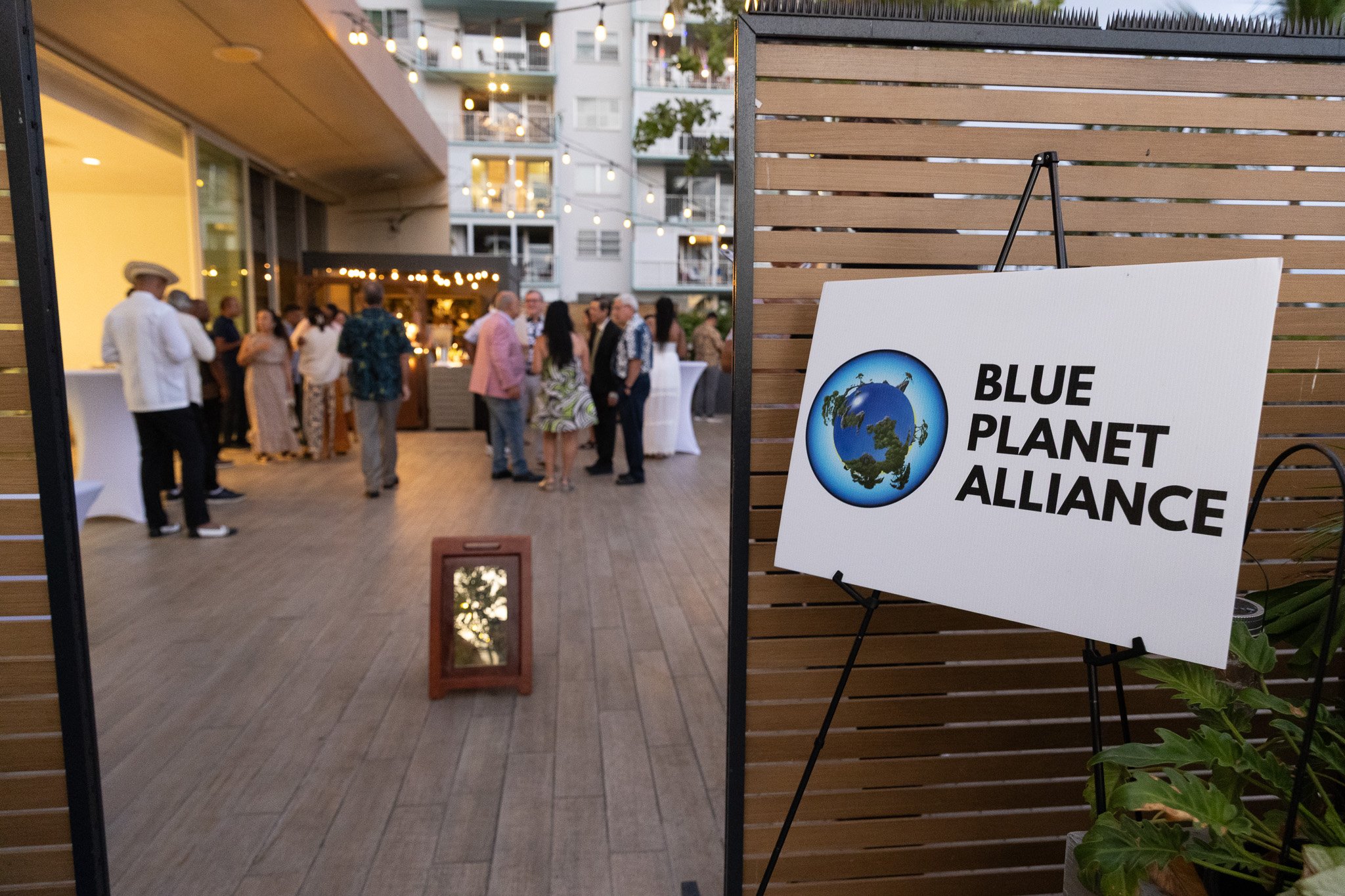
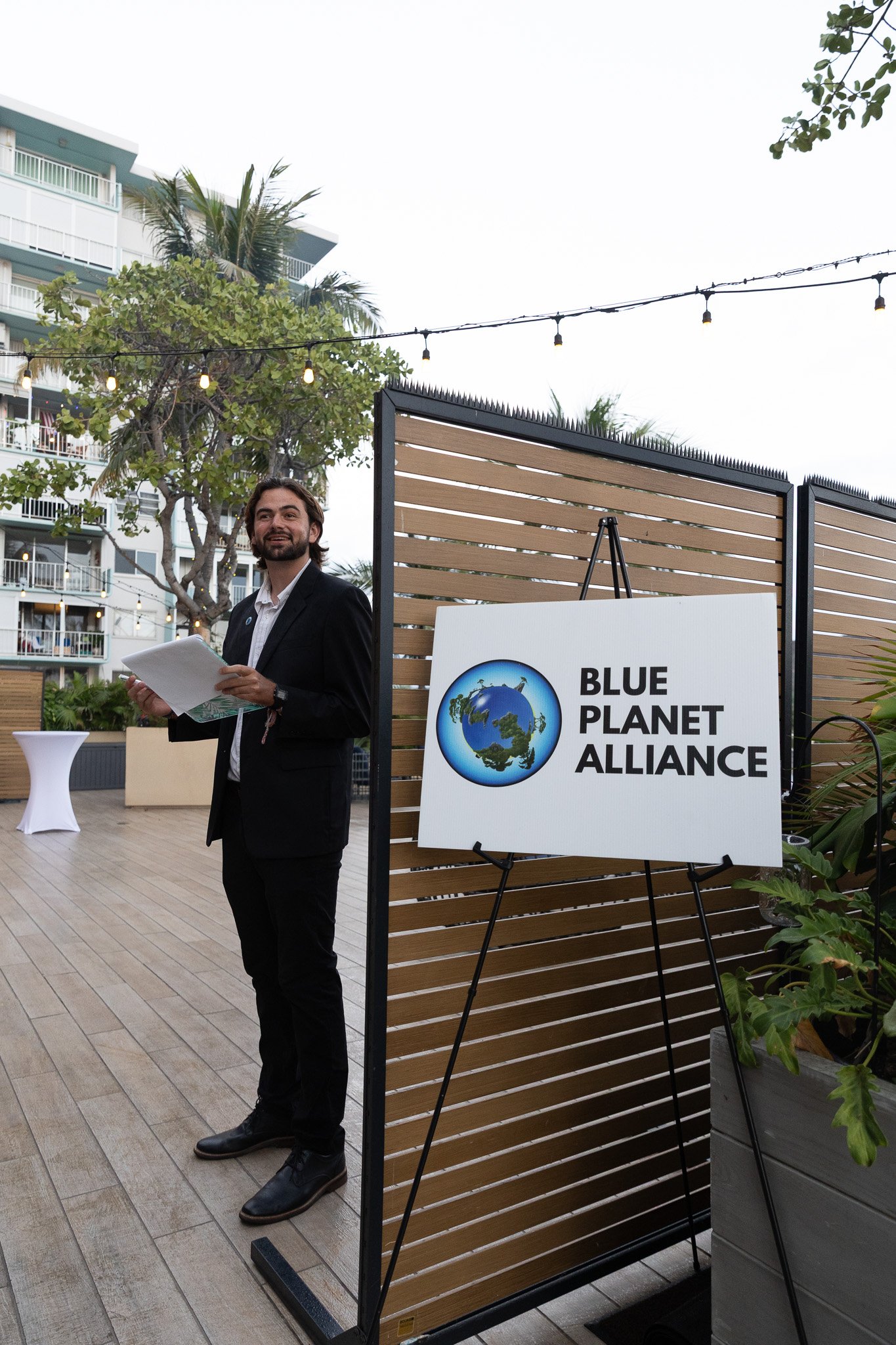
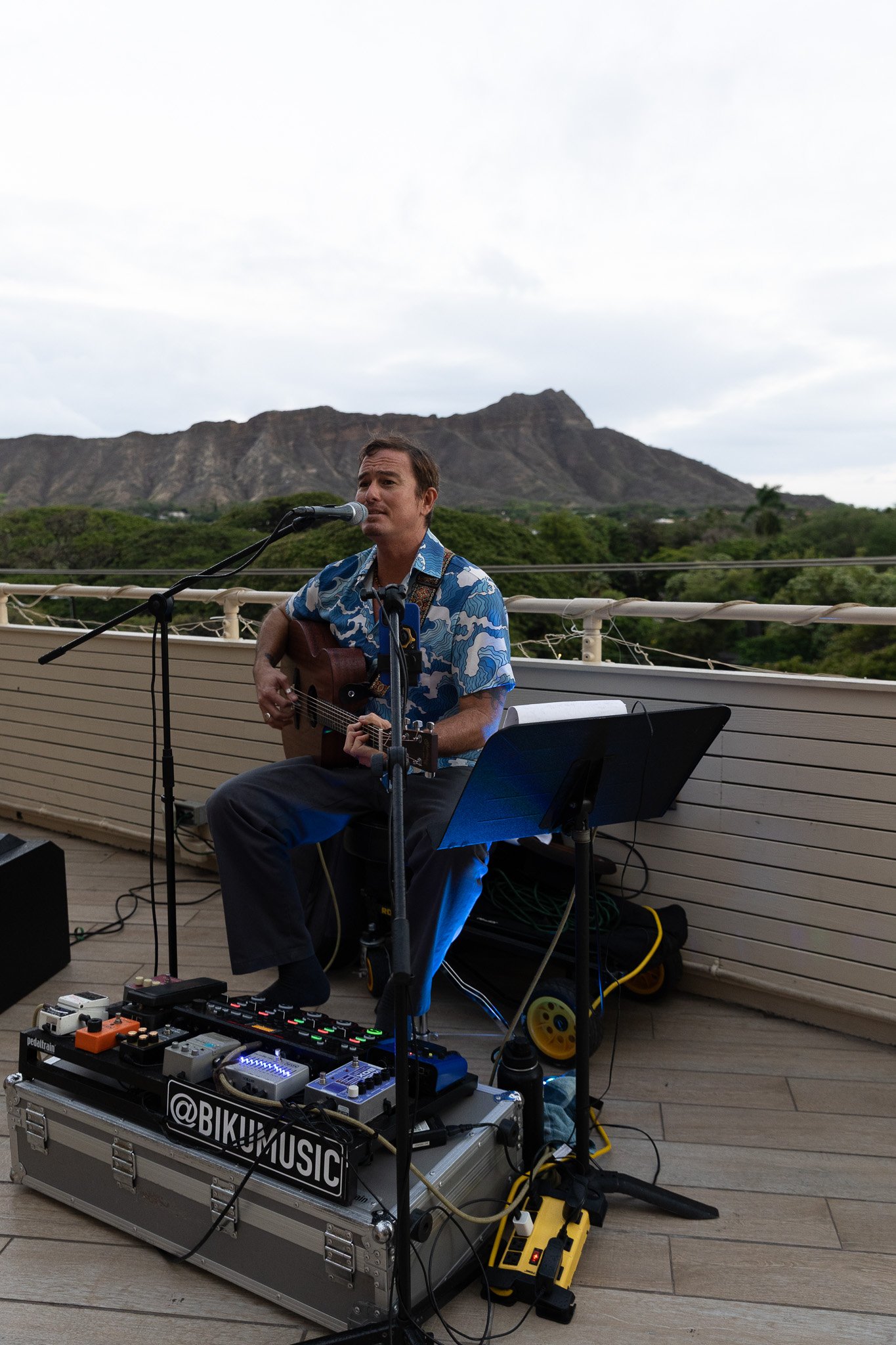
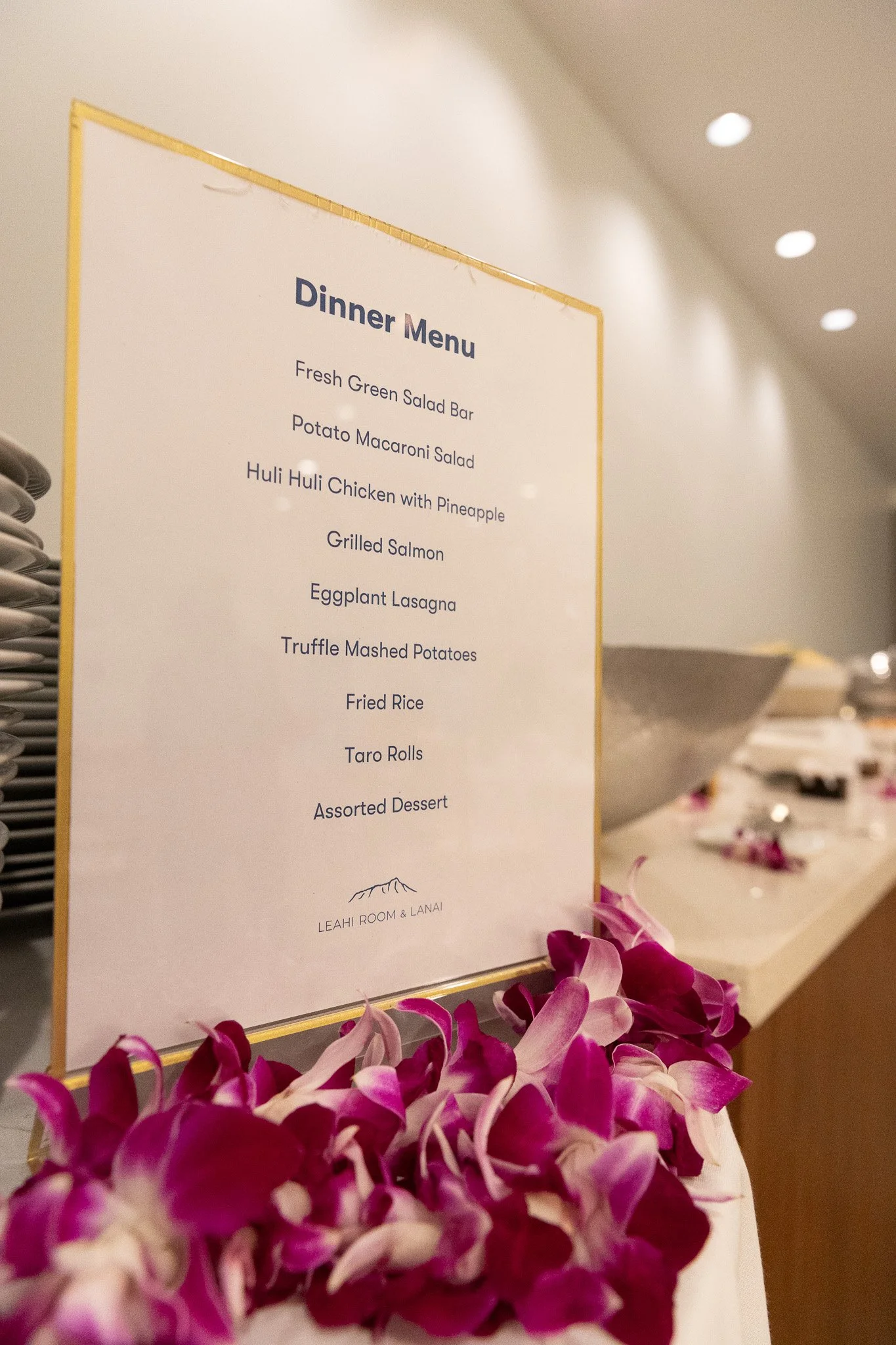
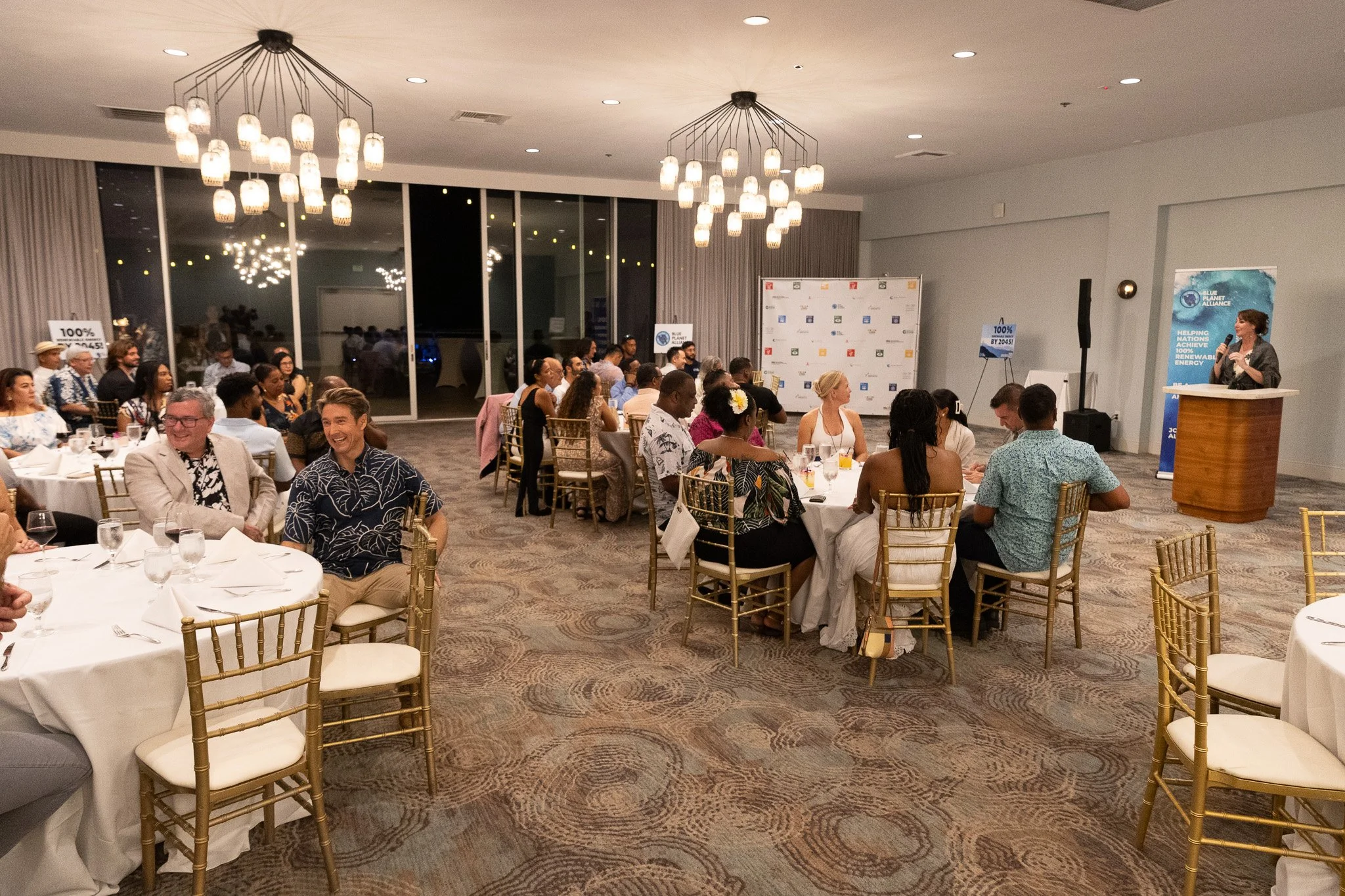
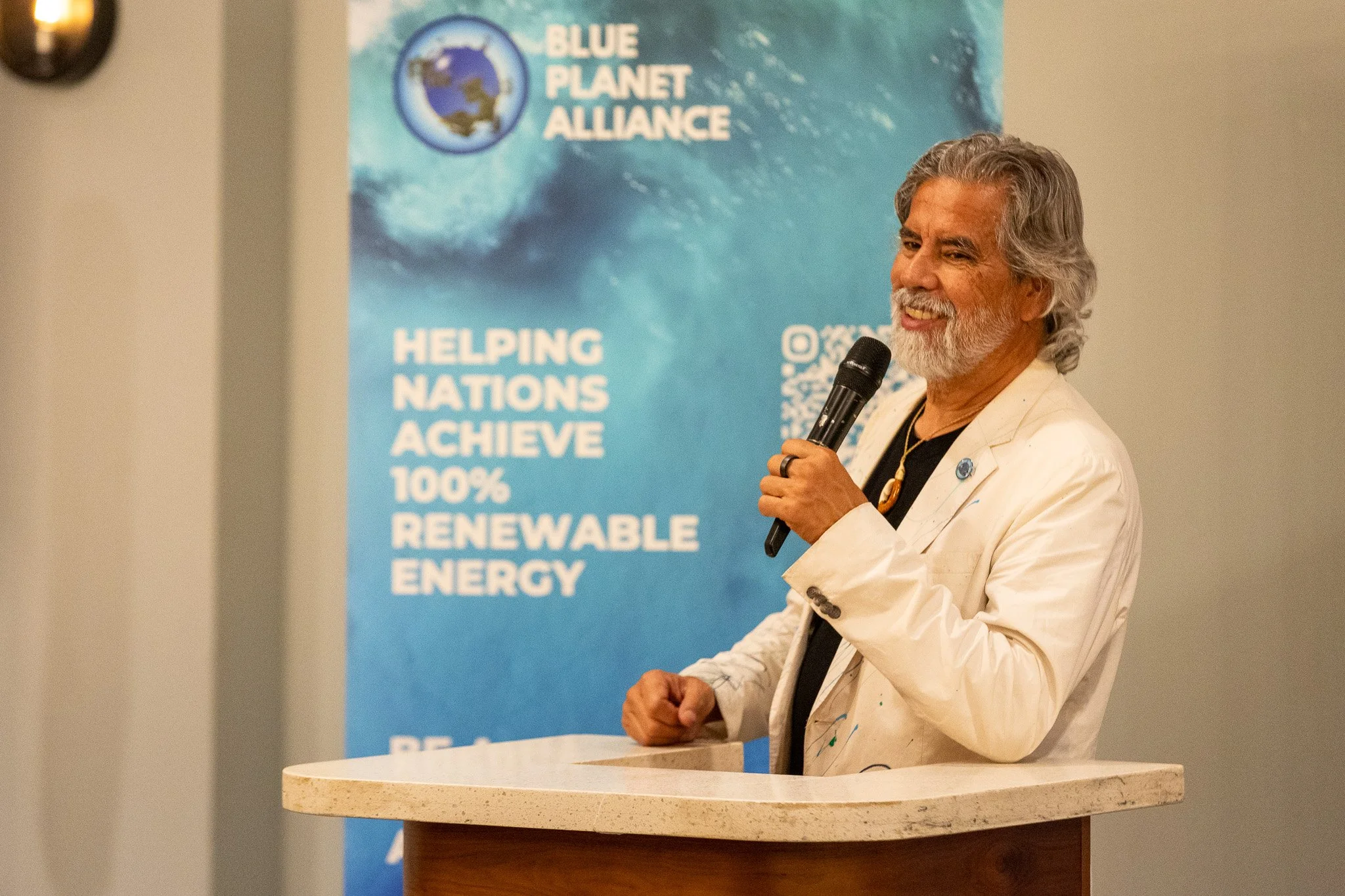
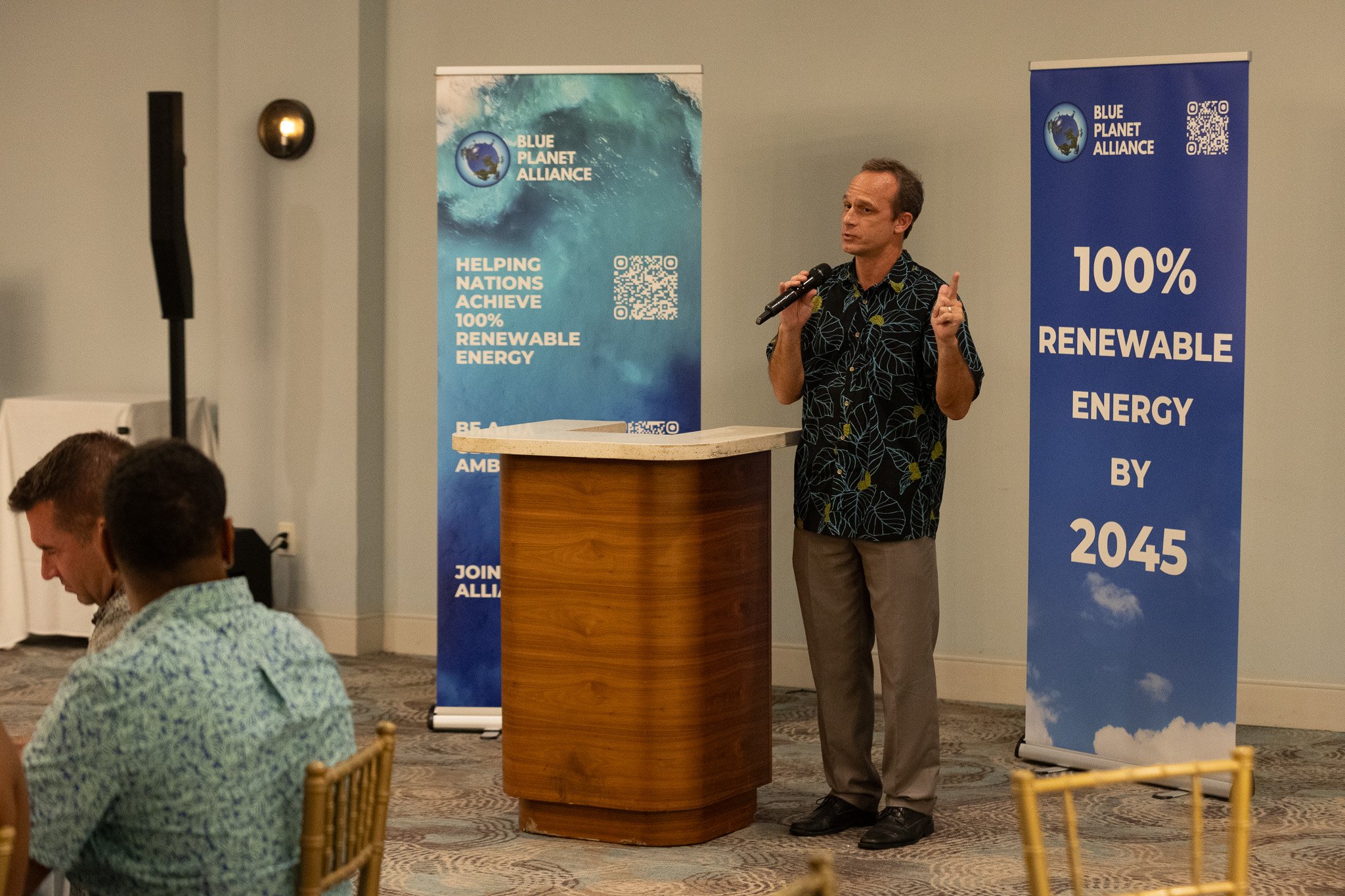
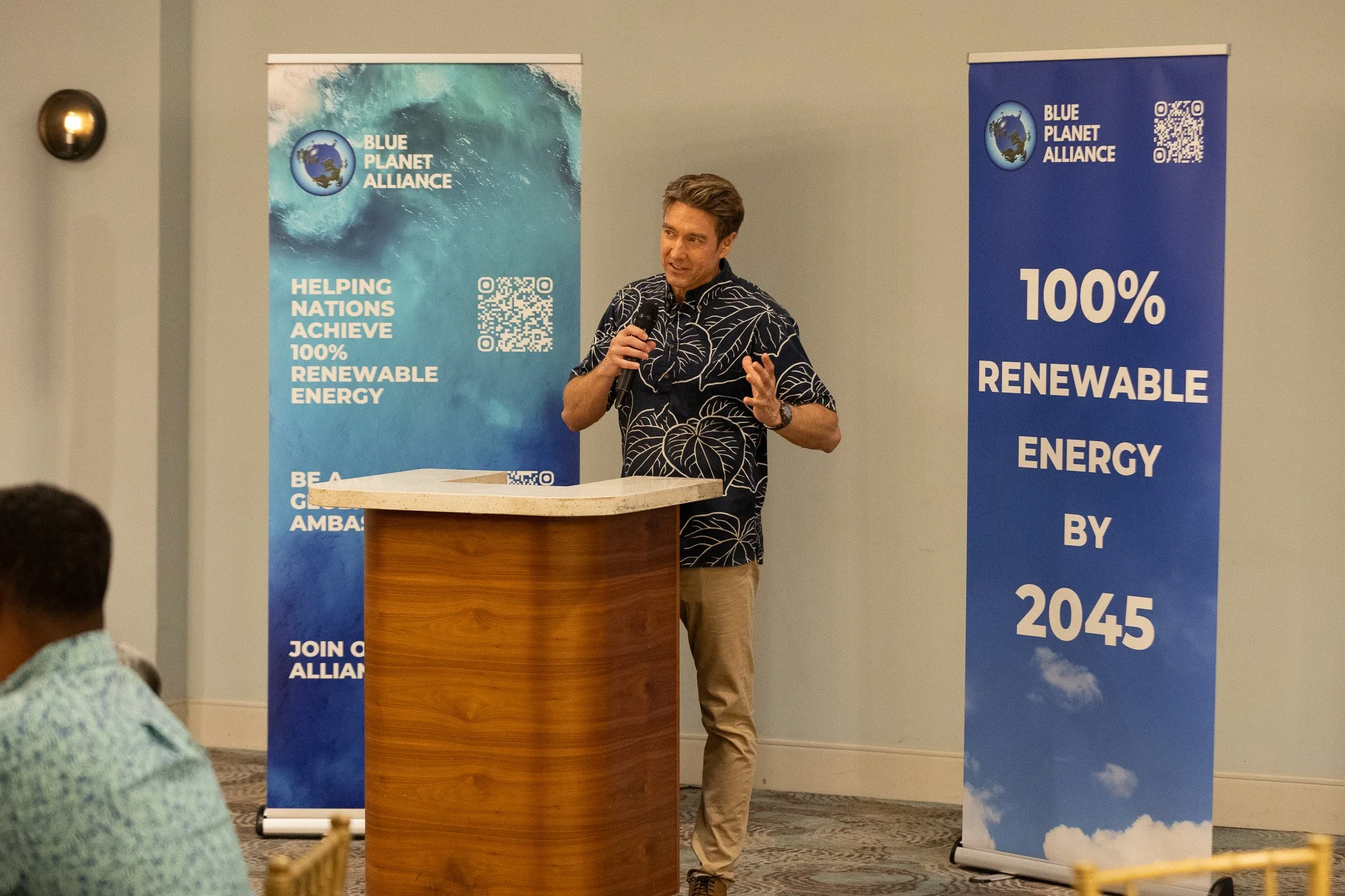
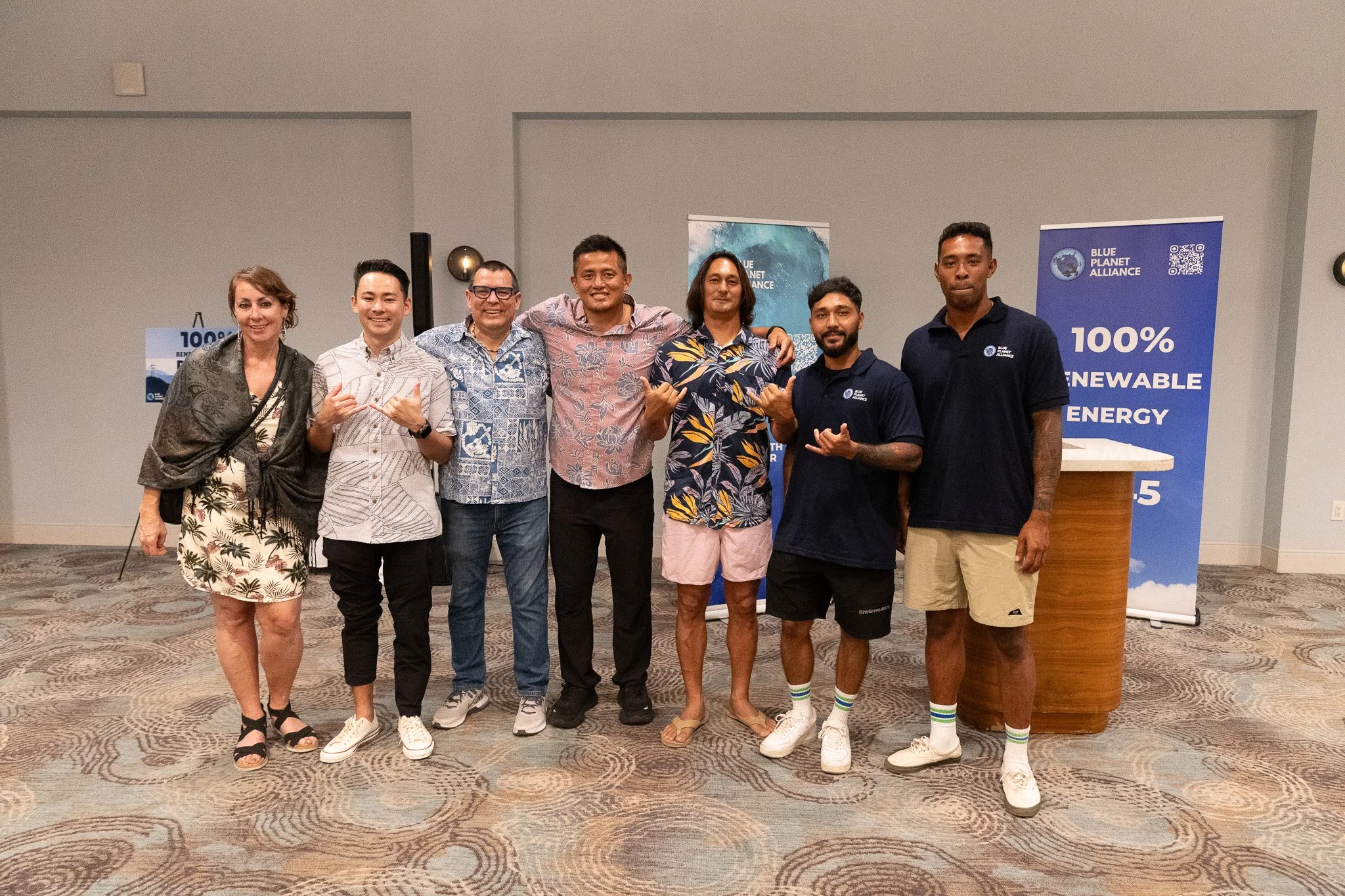
On Sunday evening, HENK ROGERS, Founder and CEO of Blue Planet Alliance, welcomed the delegation over dinner and cocktails, while Executive Director Francois Rogers introduced and recognized BPA staff and partners, while providing a brief overview of the week ahead.
On Monday morning, the energy in the Asia Room at East-West Center was palpable as day 1 of the Fellowship Cohort 5 officially kicked off. Following an early morning of light breakfast and networking, our intensive program for accelerating the transition to 100% renewable energy began.
The day started on a foundational note with Kahu Kordell Kekoa leading a powerful "Cultural Protocol," grounding the Fellows in the spirit of place and community, immediately followed by opening remarks from Henk. His address set the bold vision for the week and reinforced the urgent global mission.
Next, JEFF MIKULINA, Lead Faculty and Climate and Social Impact Strategist, provided an Introduction of the Curriculum and the Week Ahead, outlining the framework for the Fellows' learning and collaboration.
The morning then transitioned into an inspiring case study, "Getting Kauai to 100% Renewable Energy," presented by BRAD ROCKWELL, COO of the Kauai Island Utility Cooperative. Rockwell detailed the strategic steps and challenges overcome in leading a real-world energy transition, offering invaluable lessons for the cohort.
After a working Lunch, the Fellows were honored to hear from SENATOR CHRIS LEE of the Hawaii State Legislature. His guest remarks provided essential context on policy, governance, and the legislative support needed to drive sustainability goals.
The heart of the afternoon was the "Connected by Water" Island Presentations, where Fellows from Anguilla, Costa Rica, Dominican Republic, Haiti, Marshall Islands, Mauritius, Panama, and Sint Maarten shared their unique national contexts, current energy landscapes, and the specific challenges they face in pursuing their 100% renewable energy goals. These sessions provided crucial real-world case studies and fostered a shared understanding across the cohort.
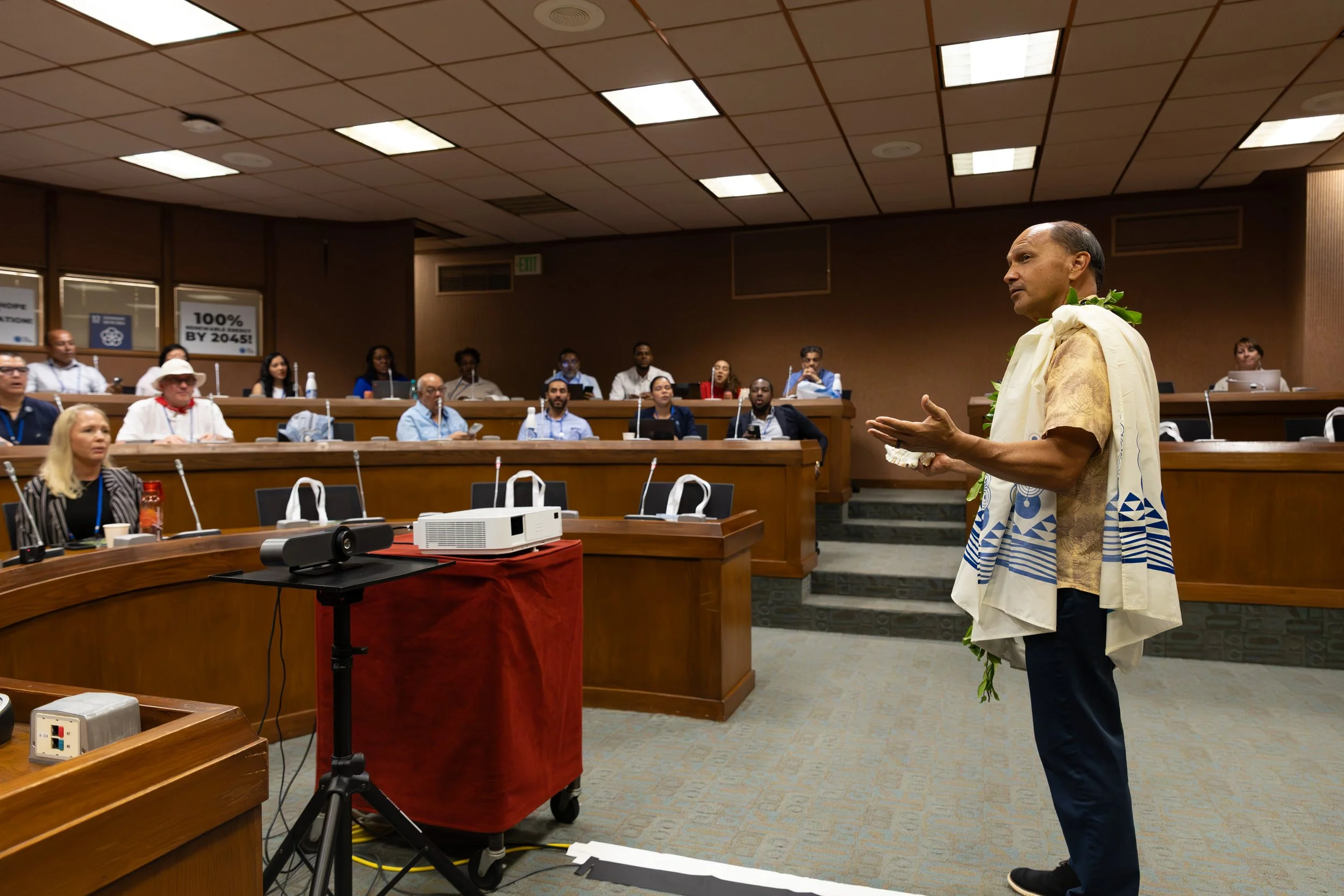
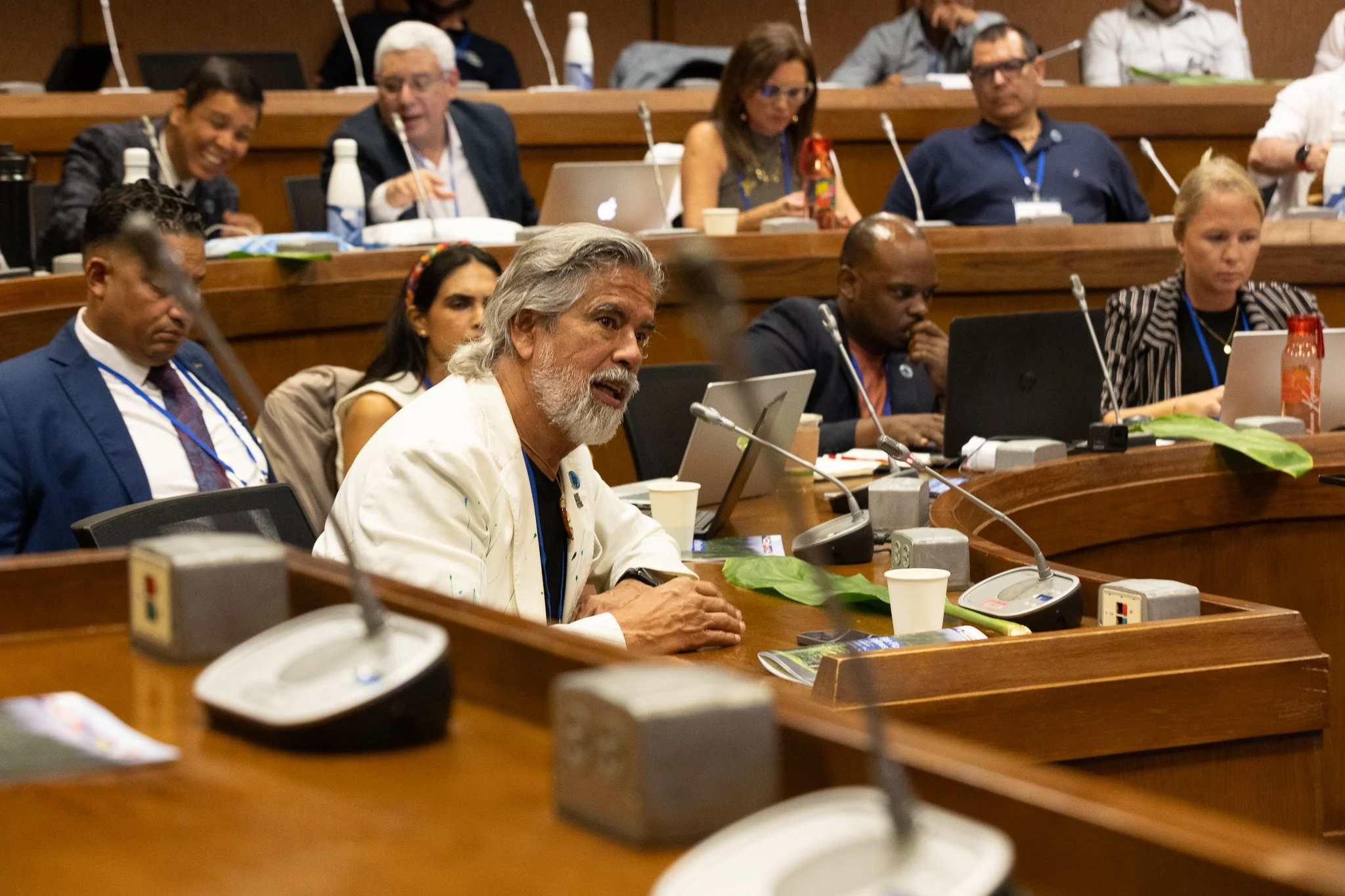
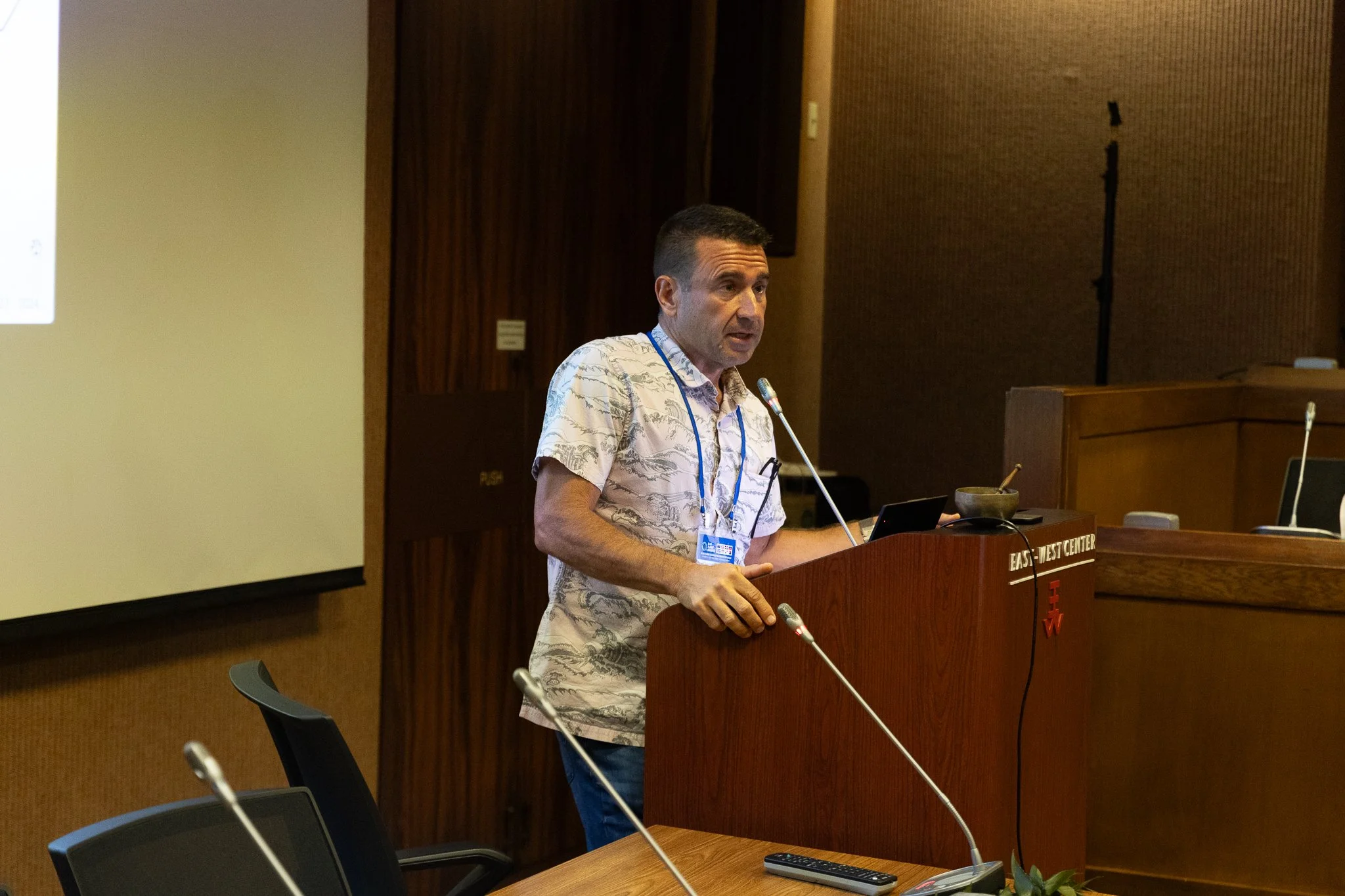
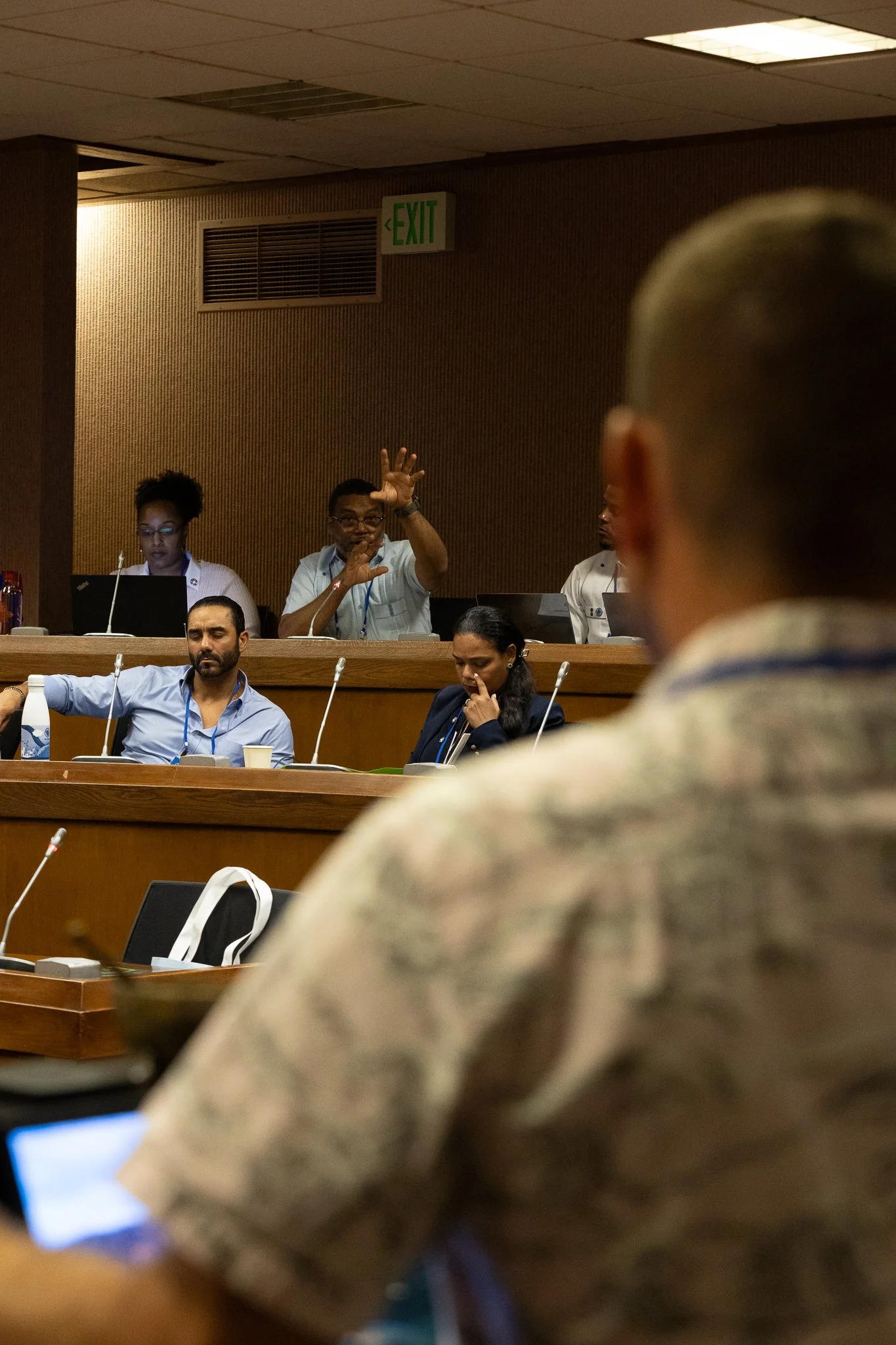
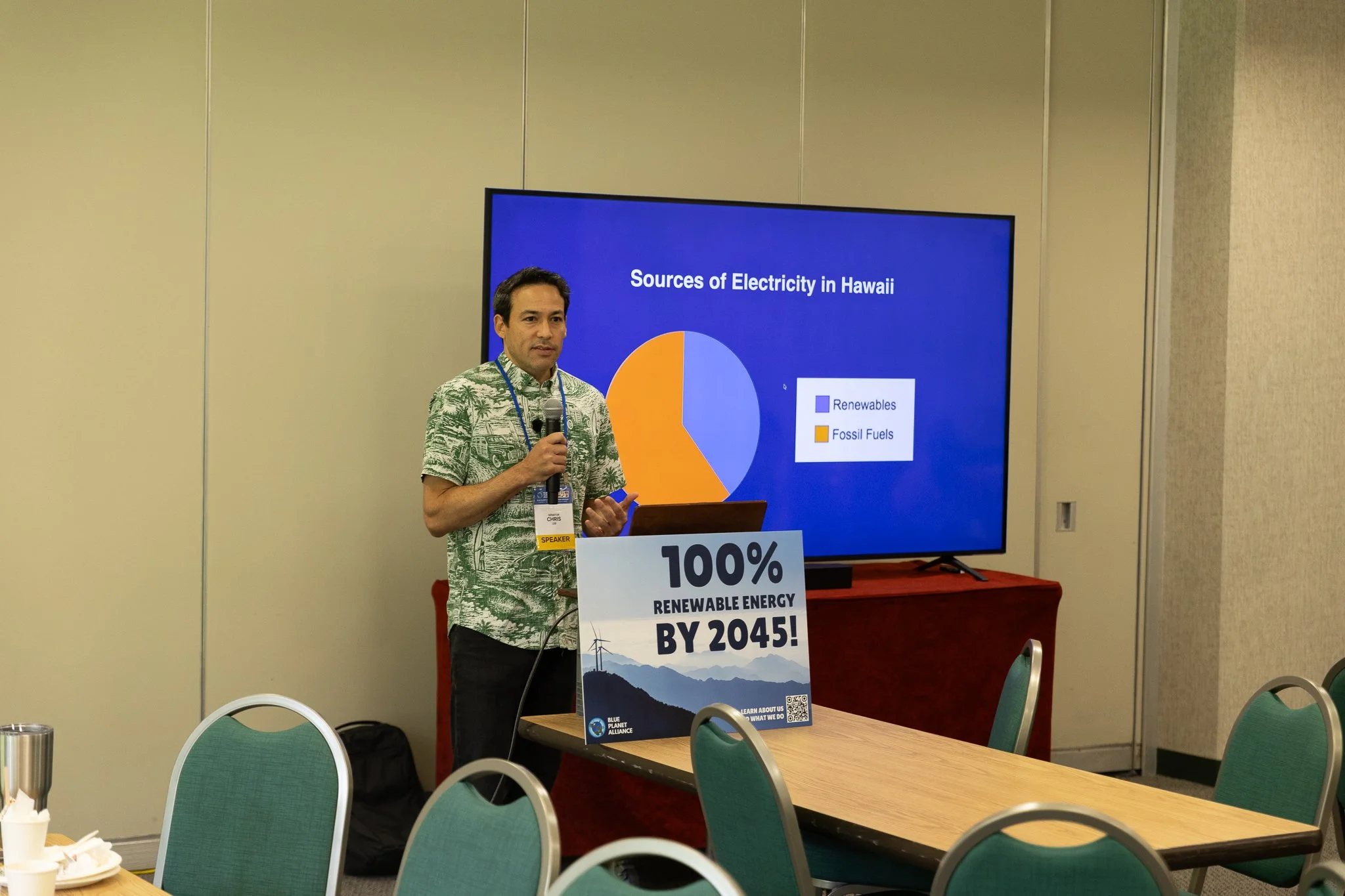
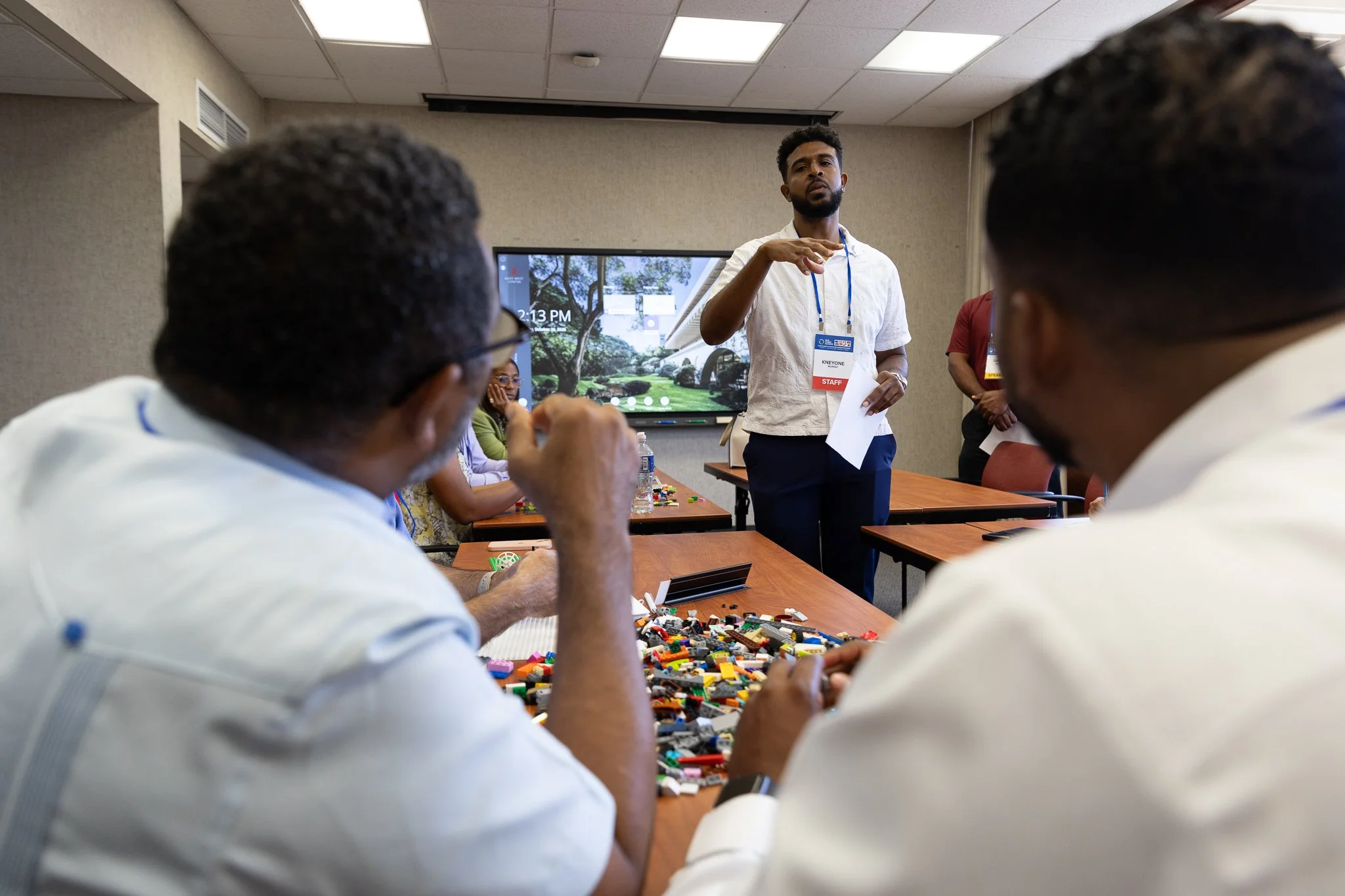
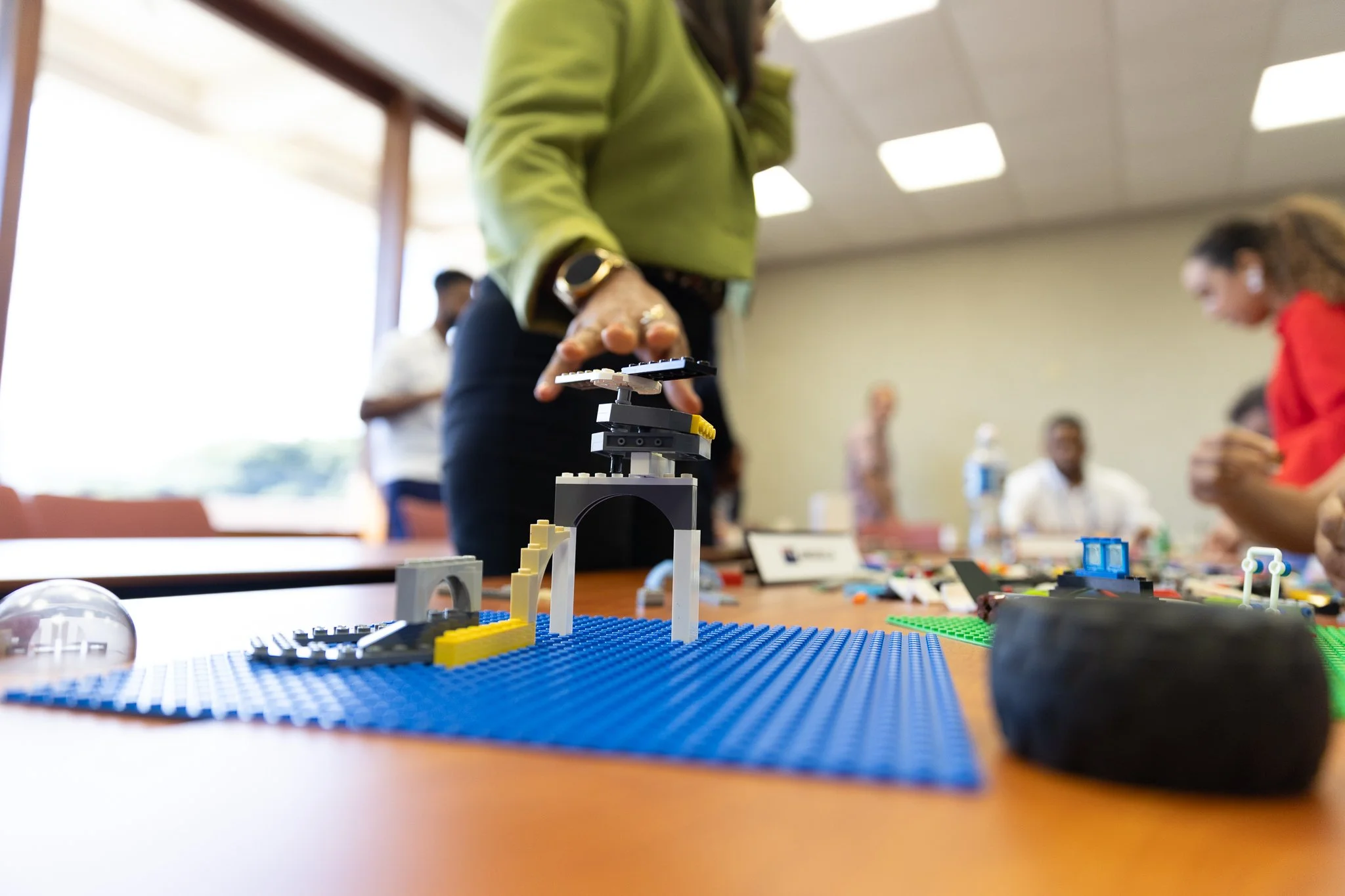
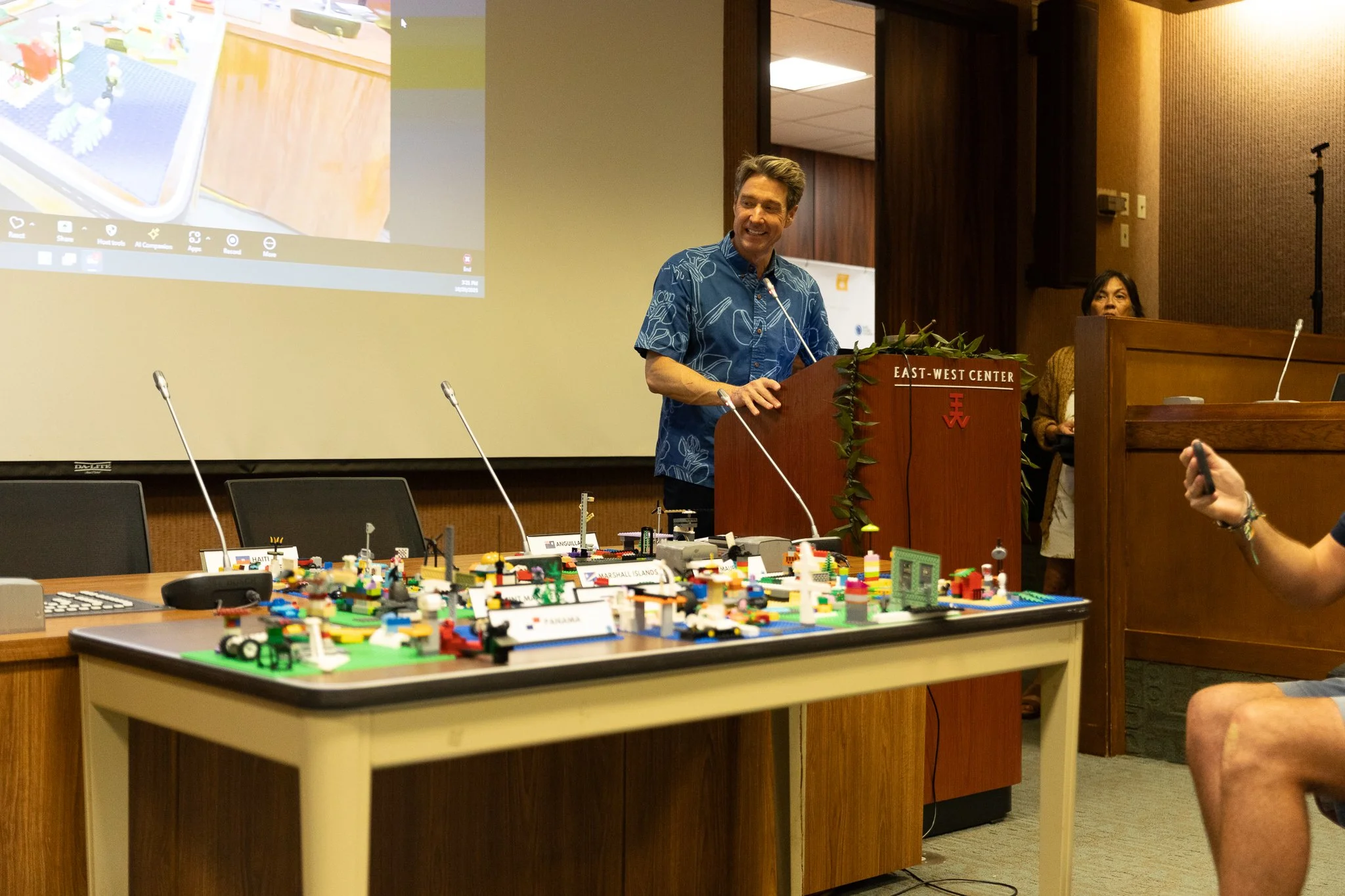
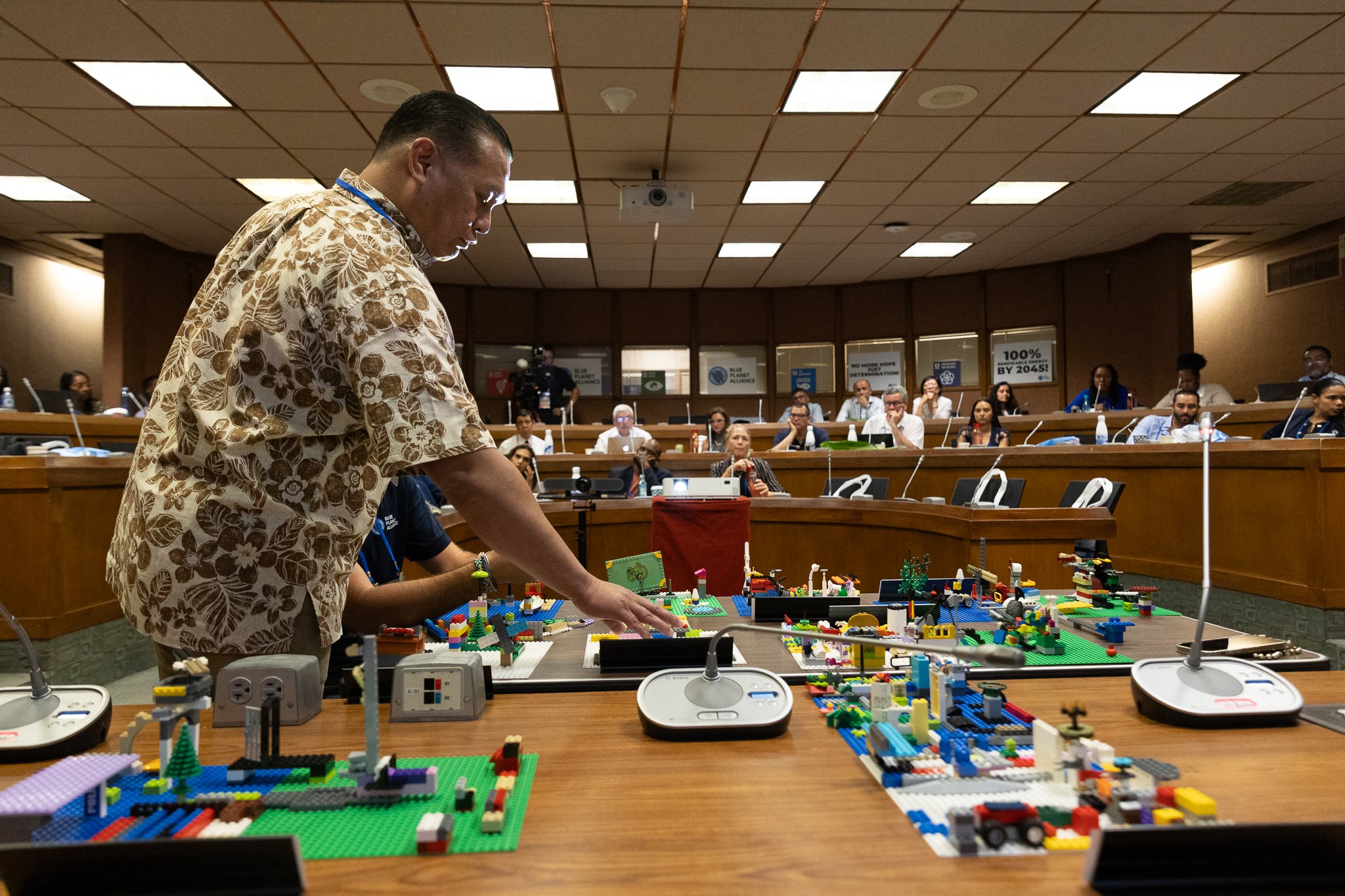
The rest of the day was dedicated to hands-on, collaborative work led by the BLUE PLANET TEAM.
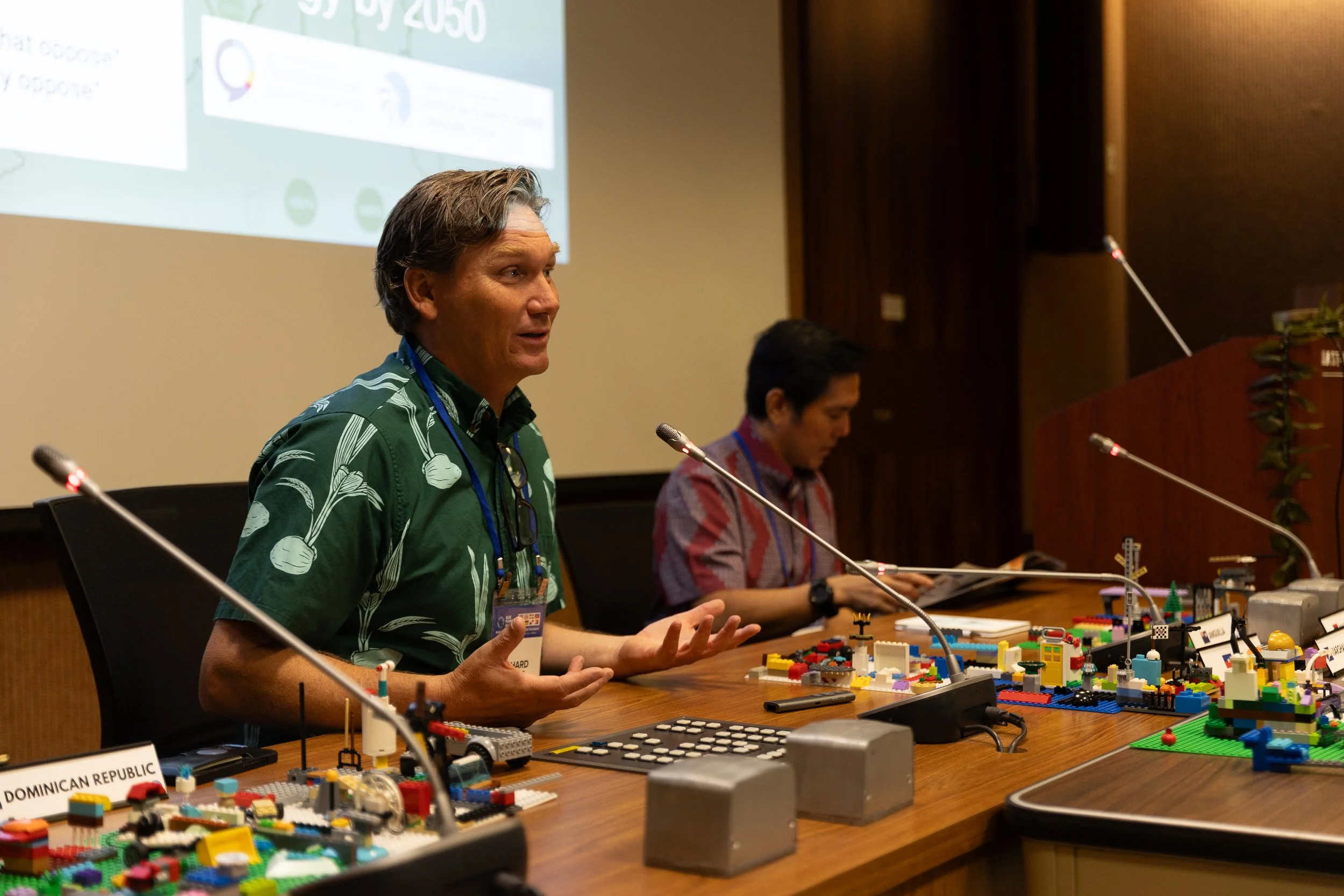
The first session of "Serious play: Exploring Complexity of Island Systems" immersed the Fellows in understanding the interconnectedness and multi-faceted challenges of their home nations. Each team was asked to think outside of the box, both individually and as a team, by using LEGO.
This led directly into "Scenario play: Introduction of Islands’ Energy Challenges," where the cohort began applying their knowledge to real-world energy issues.
The day culminated in Team presentations of “Island Grid Models,” with each island team giving a concise, five-minute overview of their proposed solutions and strategic LEGO models. This exercise synthesized the day's learning into actionable, preliminary plans. The day wrapped with a Closing + daily survey and a memorable group photo shoot.
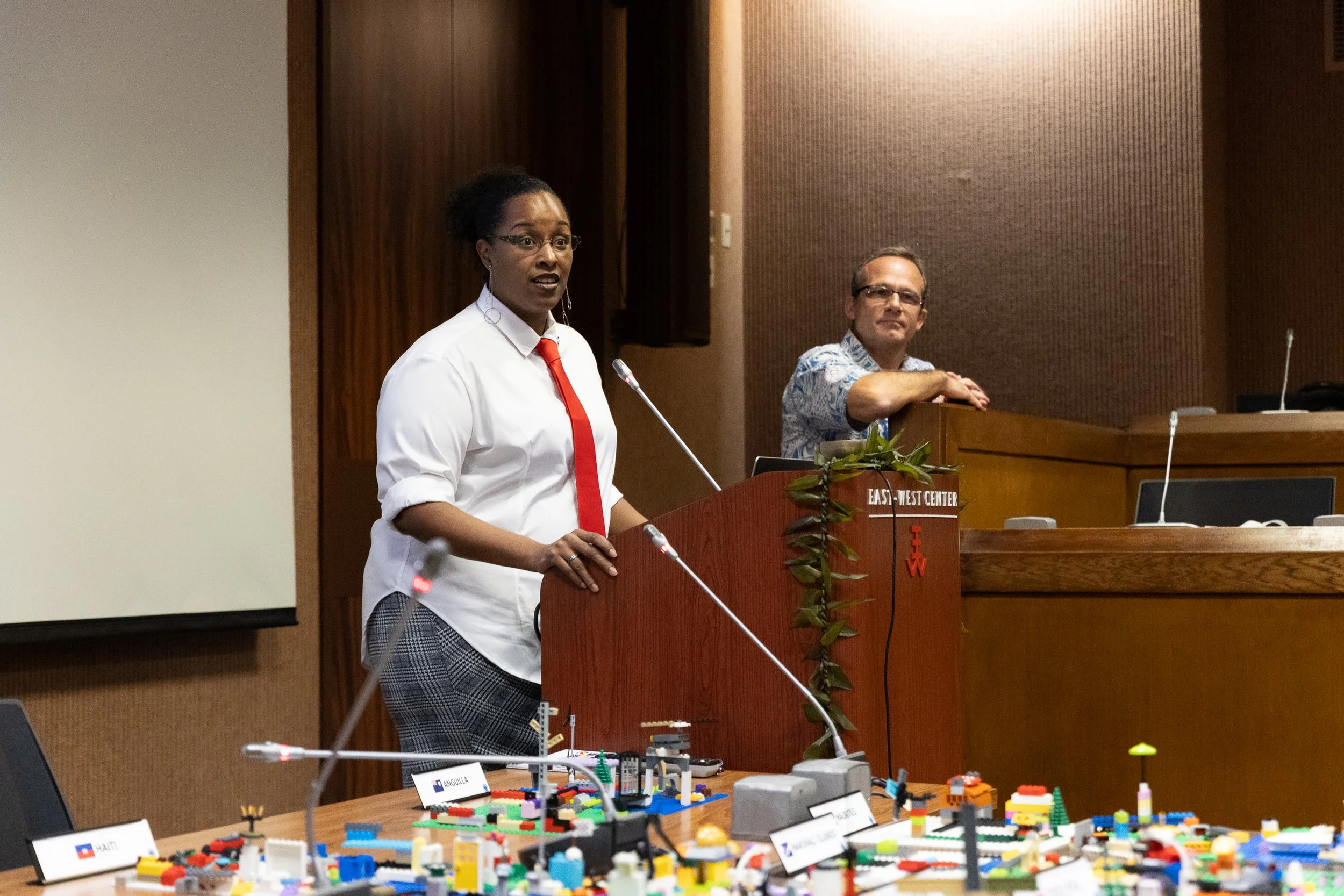
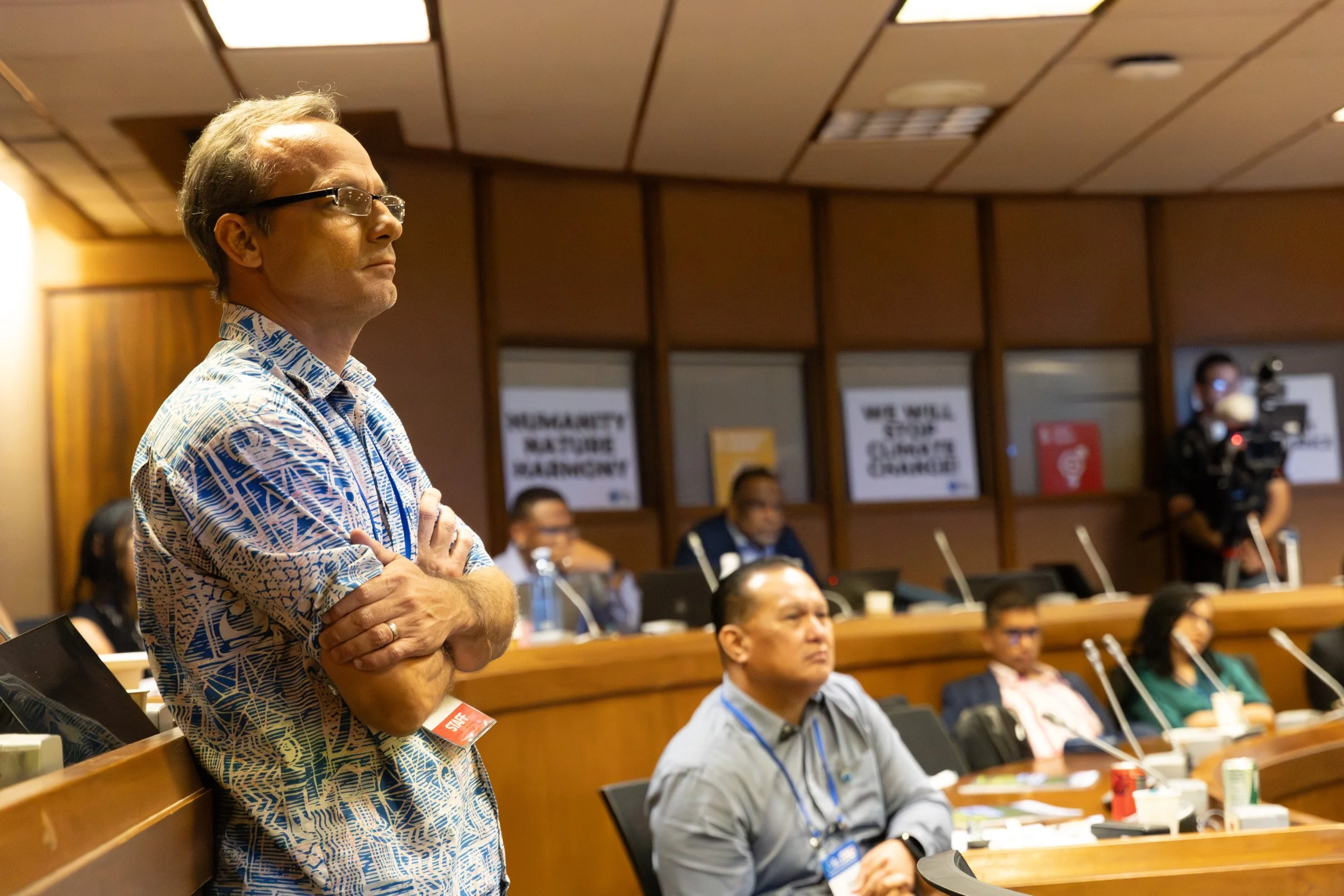
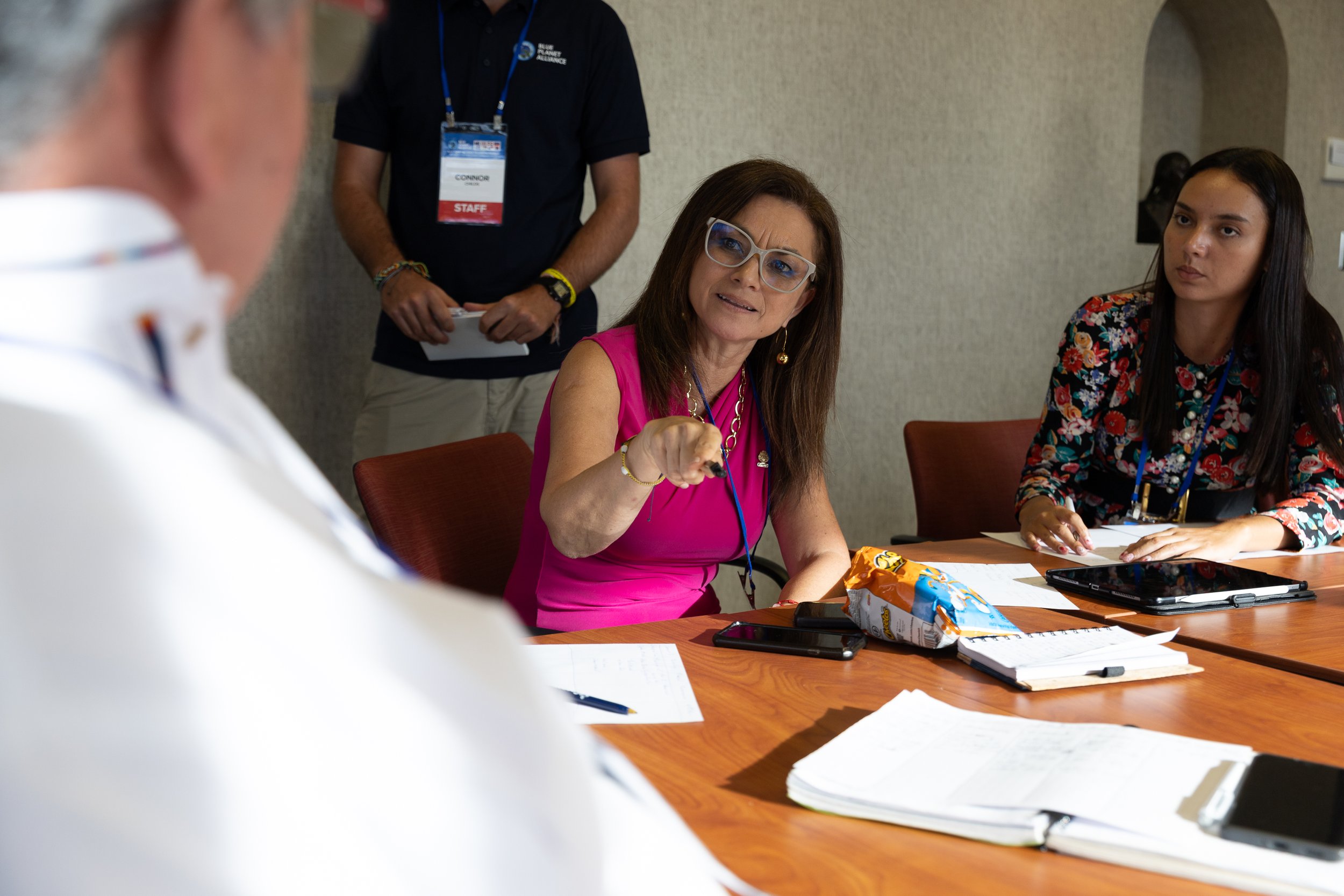
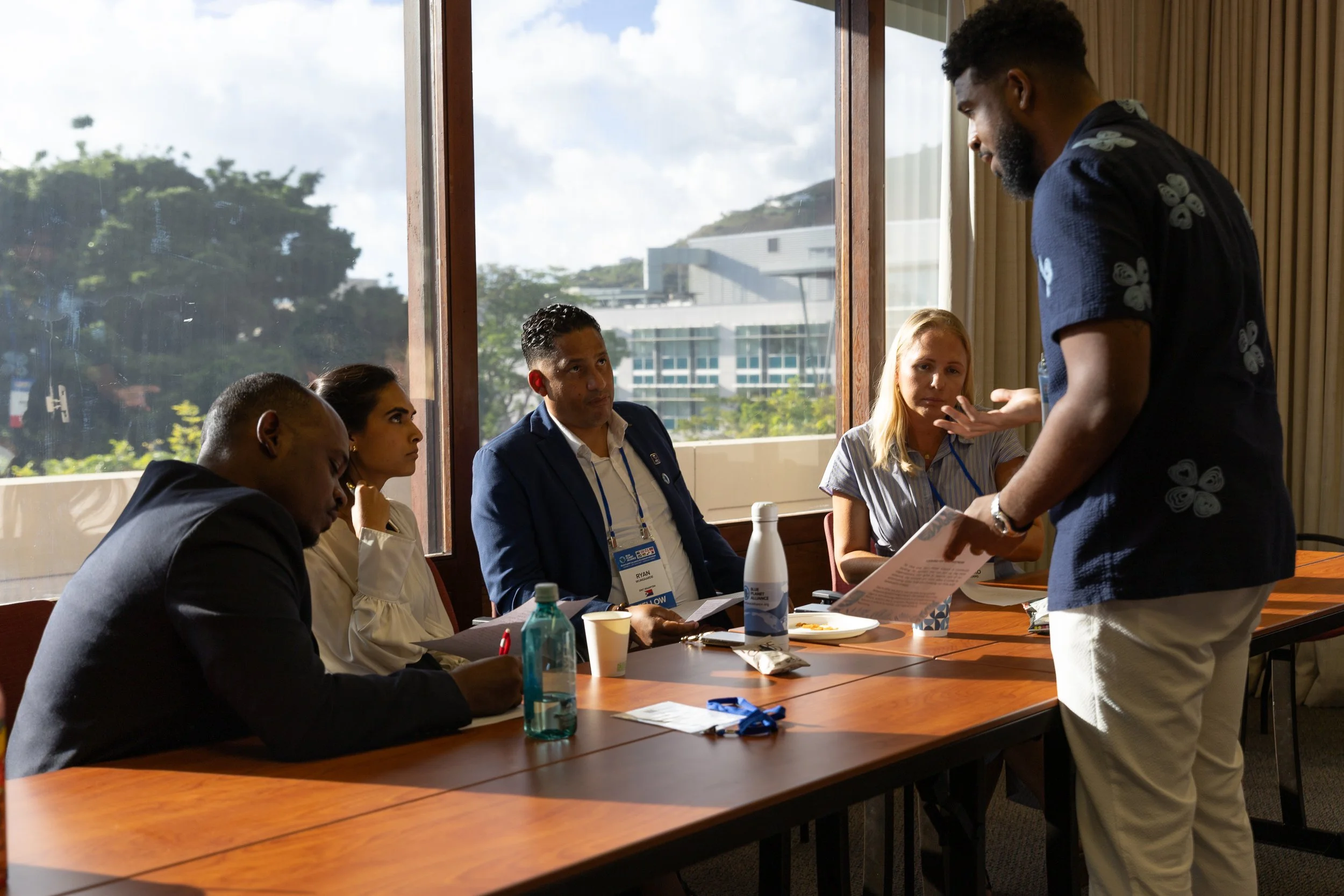
On day two, TIFFANY BRYAN, Chief of Staff for the Caribbean Climate-Smart Accelerator (CCSA), presented a crucial Partner presentation on the CCSA's work, providing the cohort with a regional partnership model for climate action.
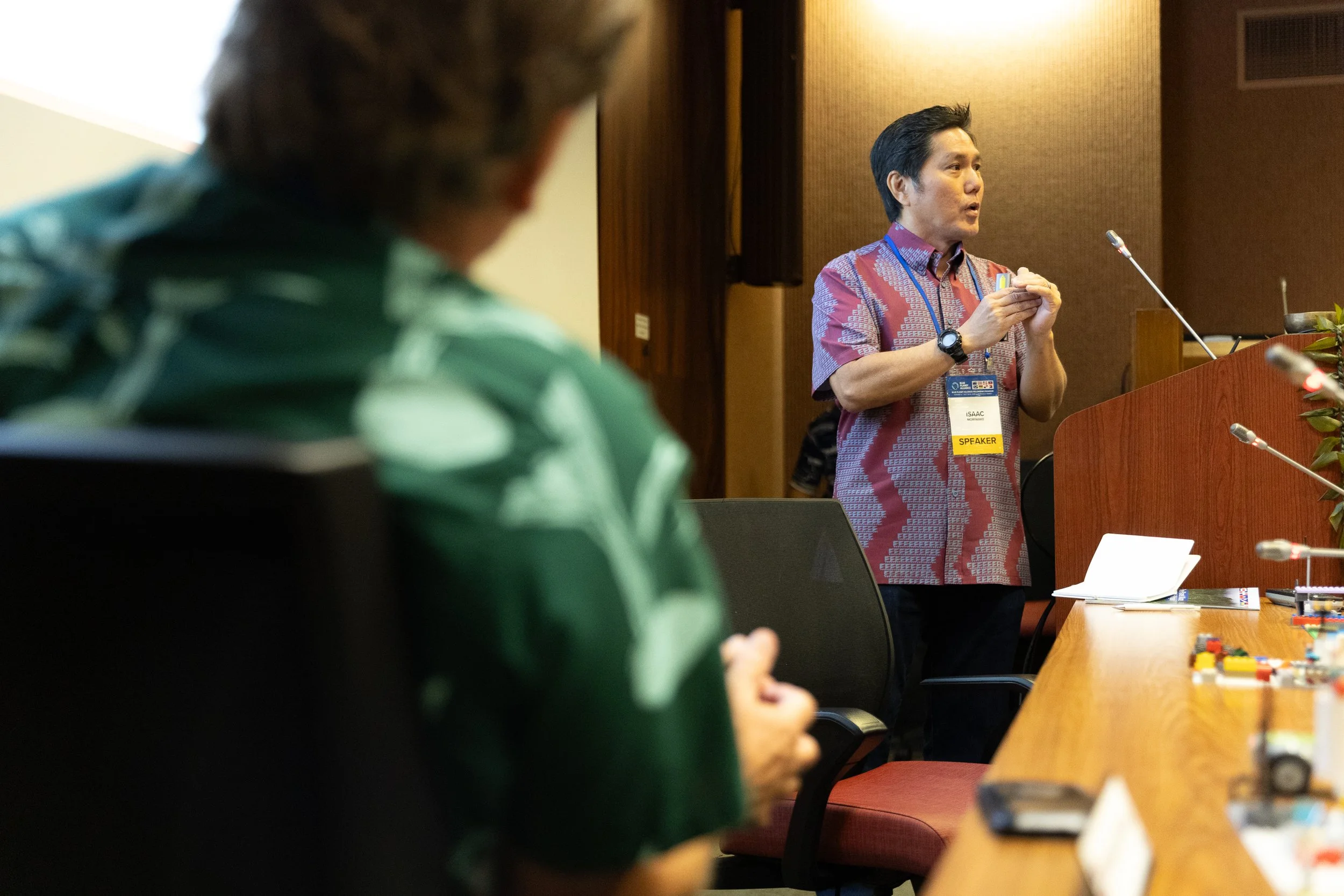
The core of the morning focused on the legal framework with the session, “Foundational Structures; Getting Regulation Right.” This joint presentation featured RICHARD WALLSGROVE, Co-Director of the Environmental Law Program at the University of Hawaii at Manoa, and ISAAC MORIWAKE, Managing Attorney at EarthJustice. They detailed the complex legal and regulatory landscape necessary for a smooth and just energy transition.
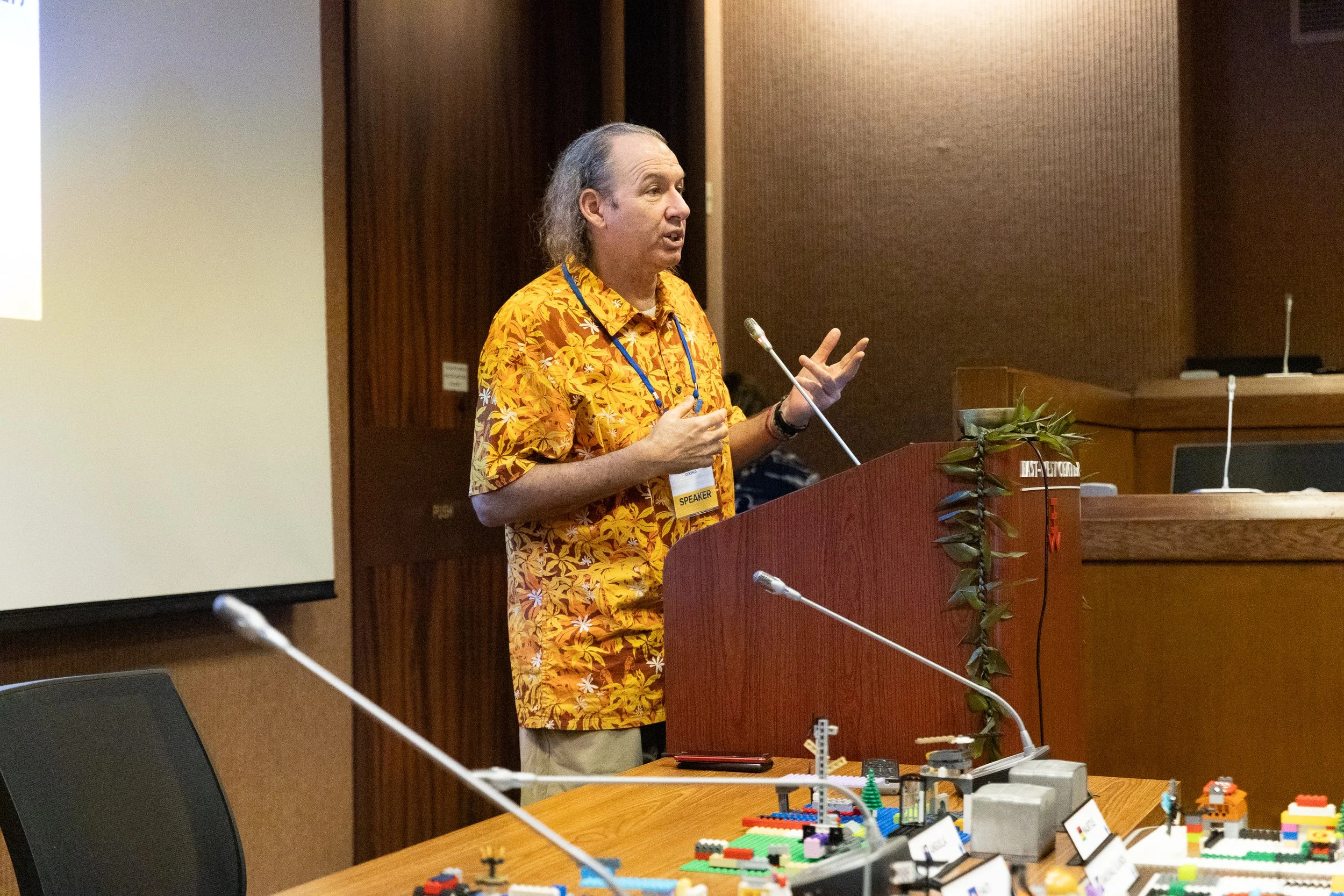
JOSHUA COOPER, from the Office of Innovation and Sustainability, County of Maui, took the stage to discuss “Fighting for a Sustainable Planet,” sharing local government strategies and the importance of resilience at the county level.
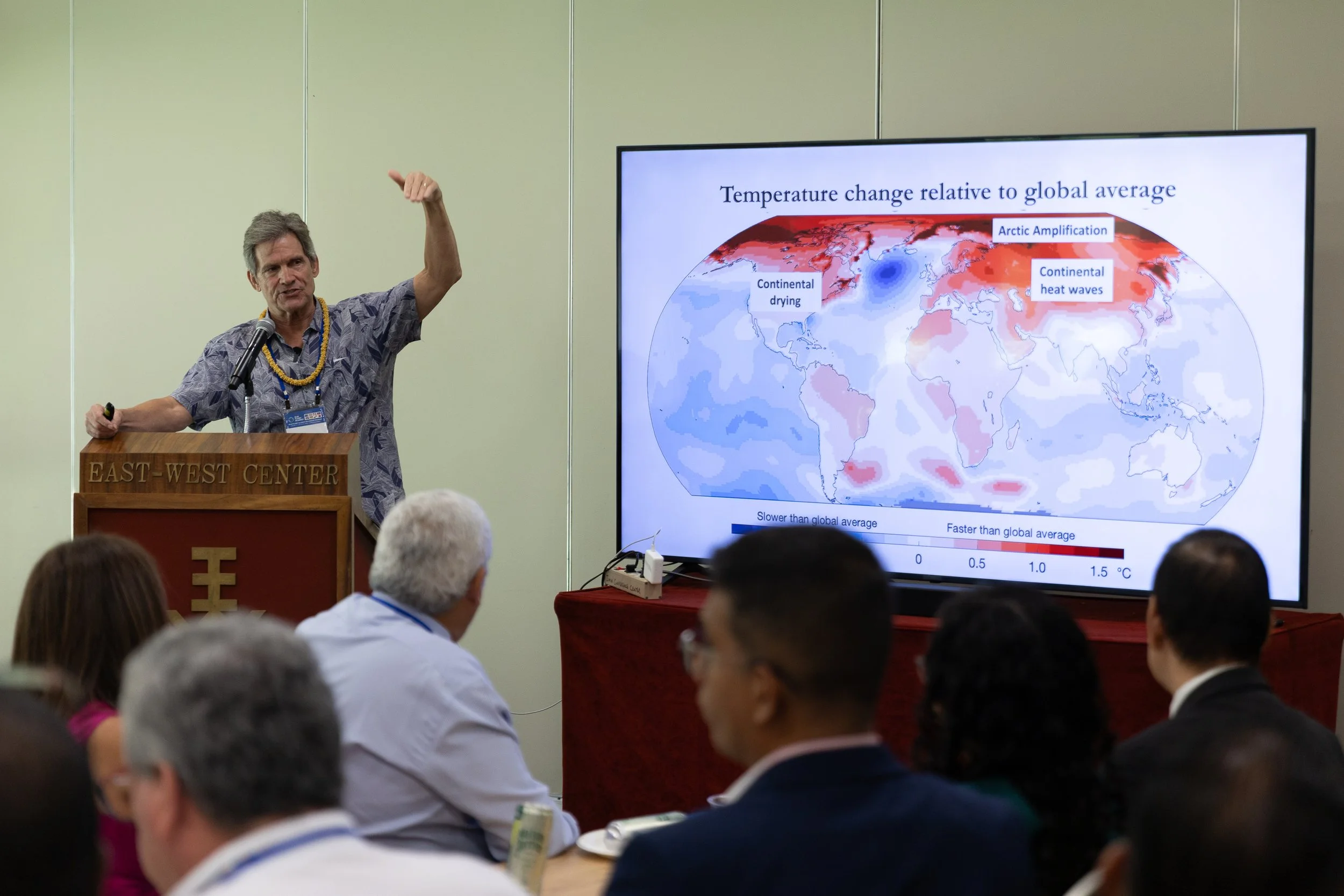
Fellows headed to lunch where they were joined by Guest Speaker DR. CHIP FLETCHER, Dean of the School of Ocean, Earth, Science and Technology (SOEST) at the University of Hawaii at Mānoa. His remarks provided essential academic and scientific context to the climate change and energy challenges facing island nations.
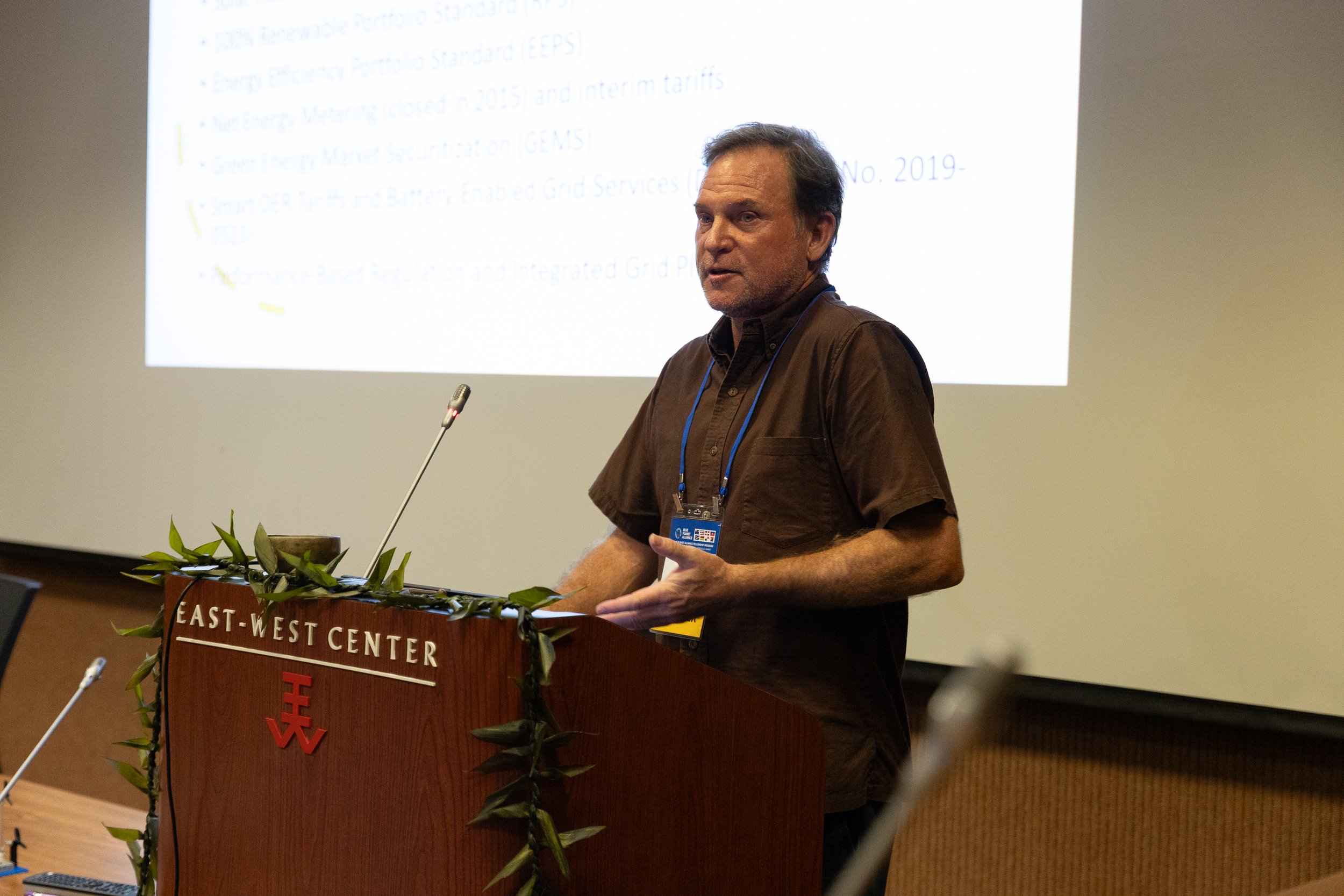
The afternoon session centered on market solutions with ROCKY MOULD, Executive Director of the Hawaii Solar Energy Association, leading the discussion on “Hawaii’s Distributed Solar and Energy Storage Market: Building Island Resilience Through Grid Reformation.” Mould provided an in-depth look at how distributed resources can be integrated to increase resilience and stability in island grids.
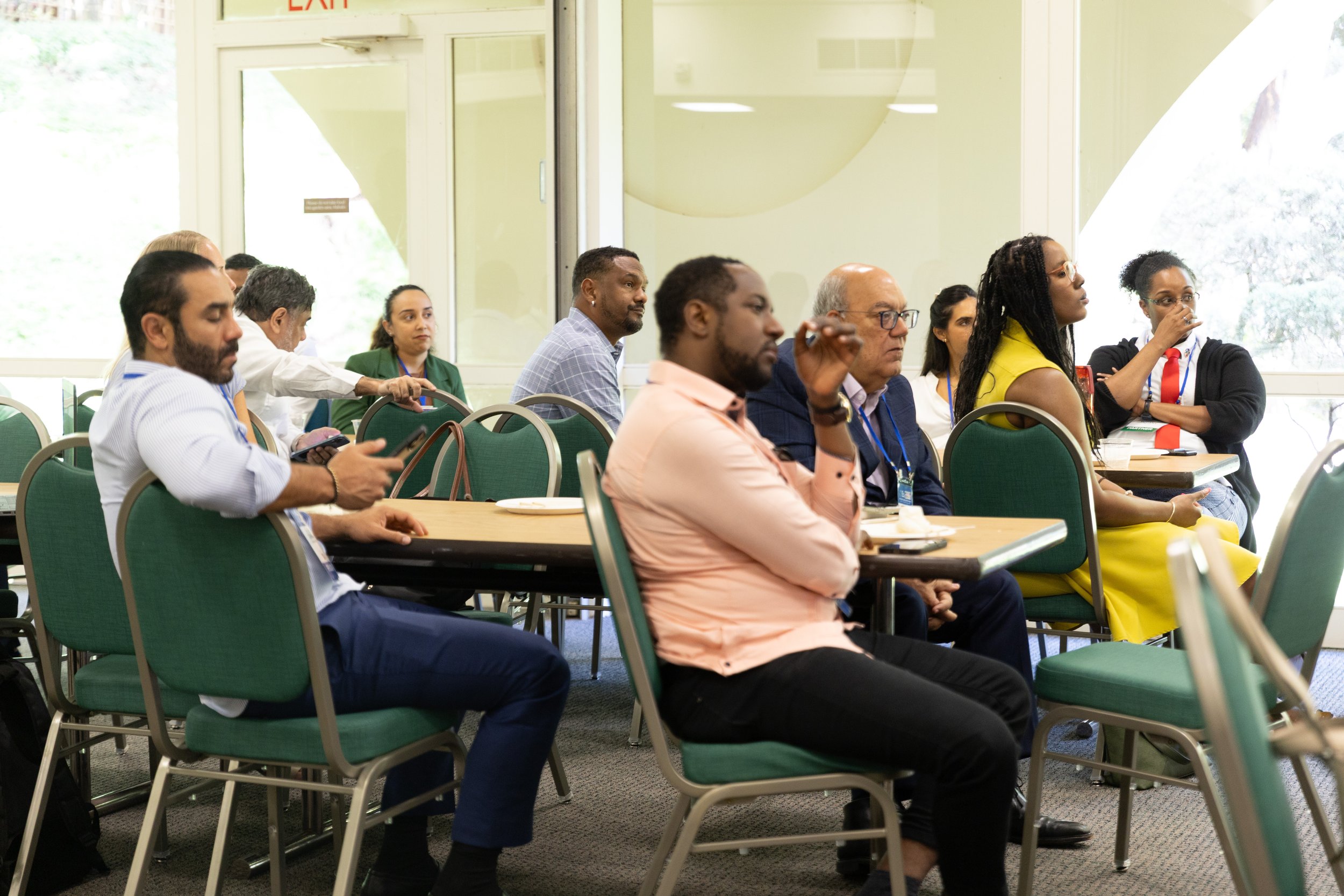
The cohort then participated in a Breakout Session dedicated to allowing them to Reflect on Presentations + Formulate New Ideas, giving them time to synthesize the legal, policy, and market insights shared throughout the day.
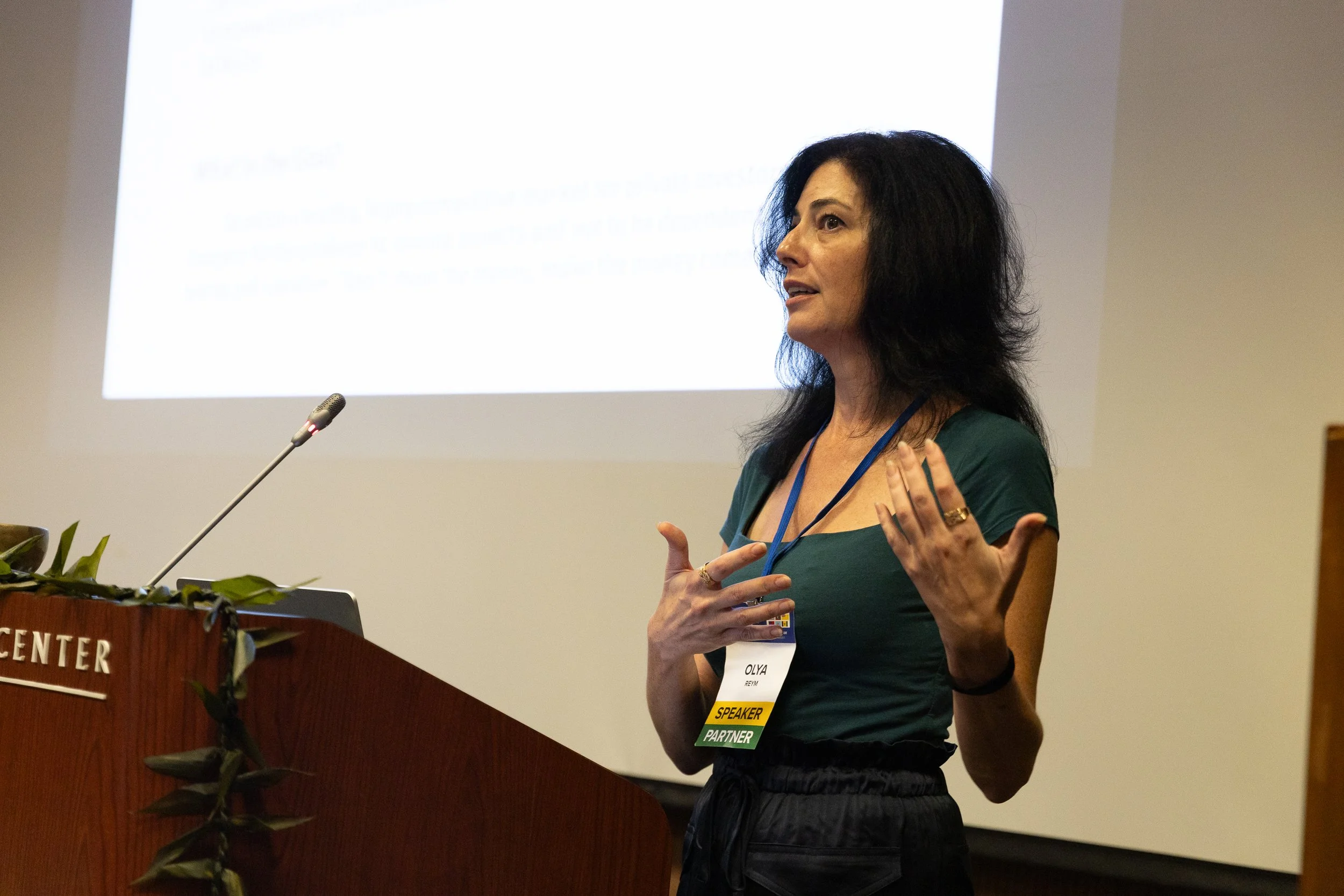
The final presentation was focused on implementation: “Renewable Project Development: Challenges and Solutions.” OLGA REYM, Vice President of Operations at Mana Pacific, Inc., shared her expertise on the practical steps, potential hurdles, and successful strategies for executing renewable energy projects from conception to completion.
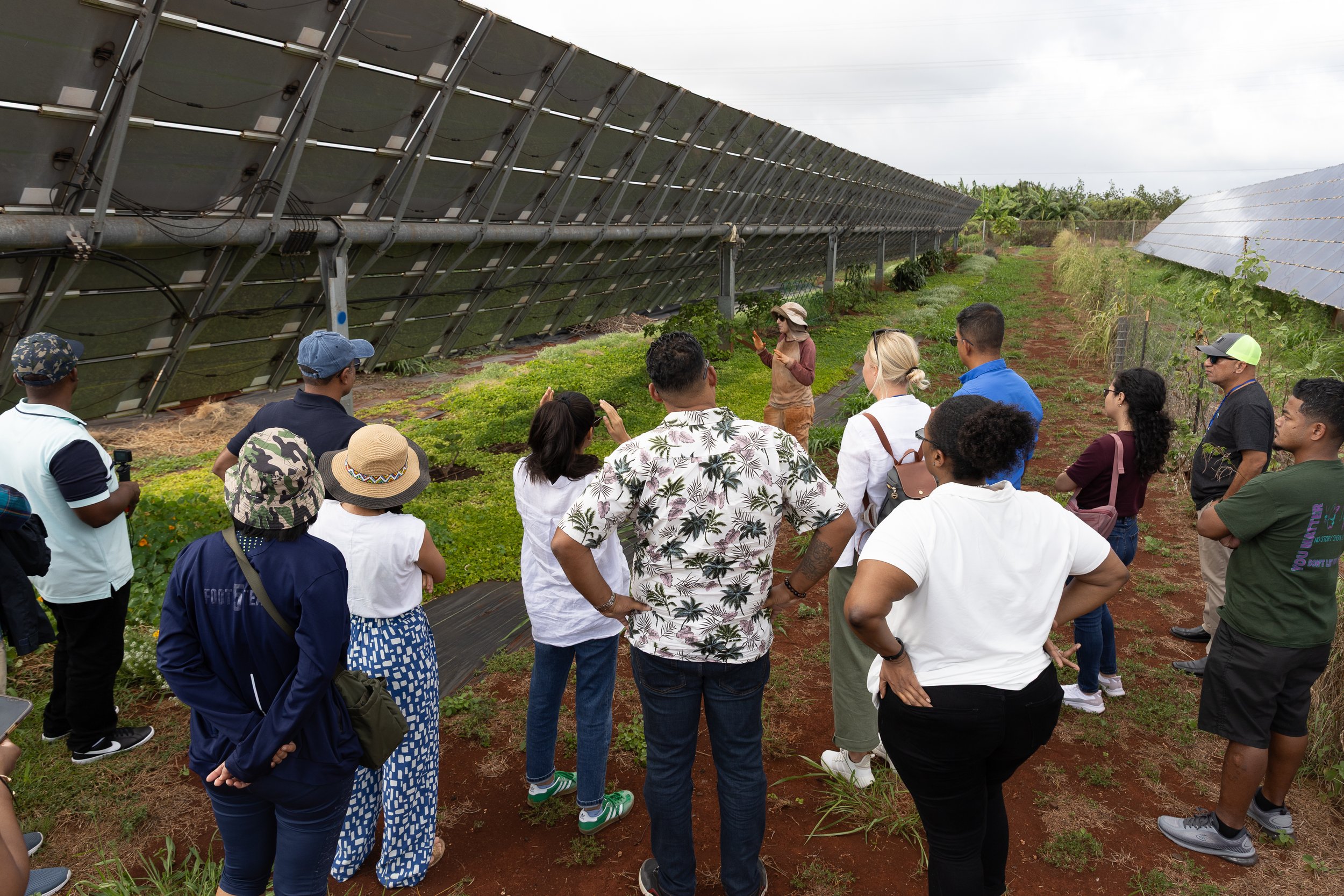
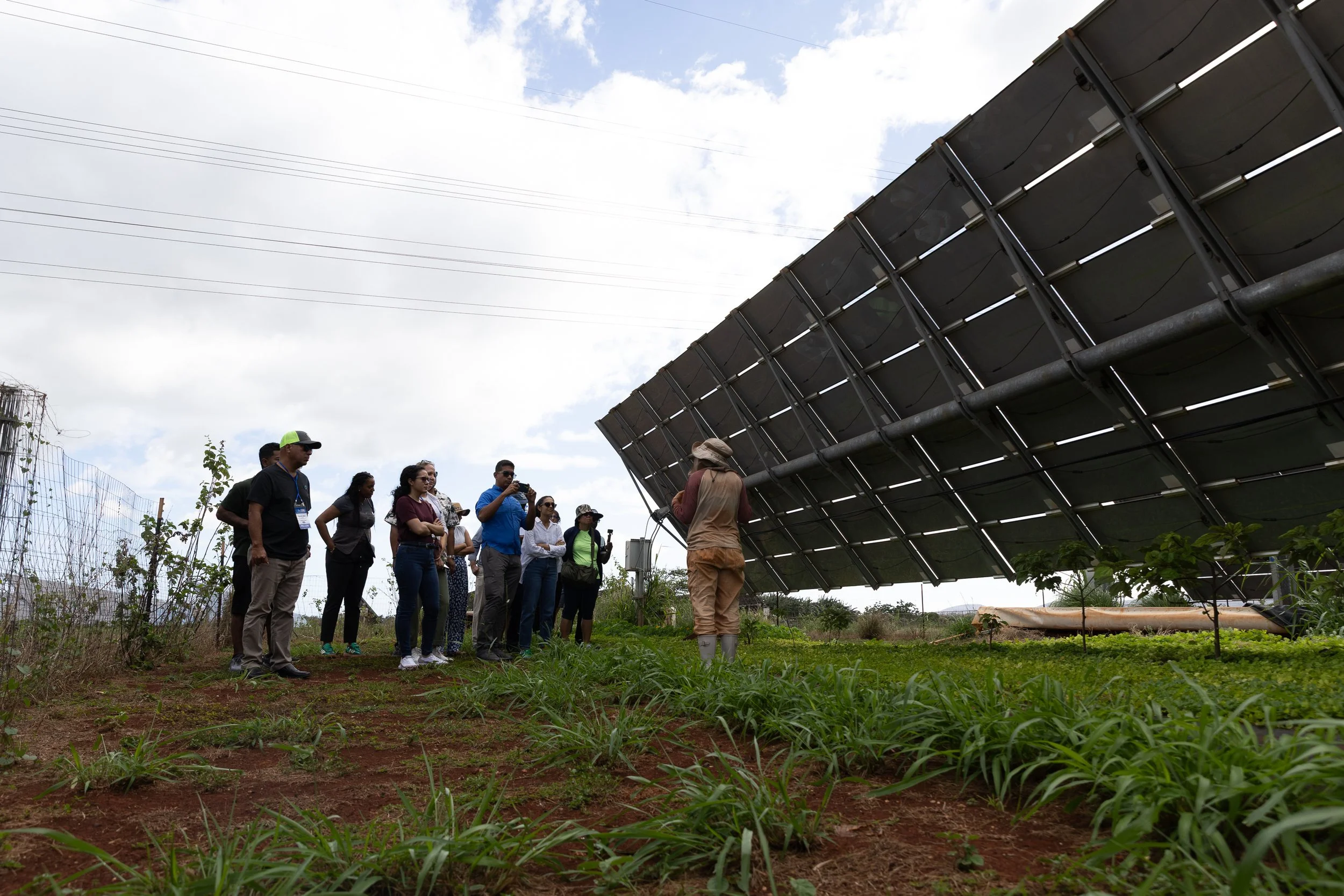
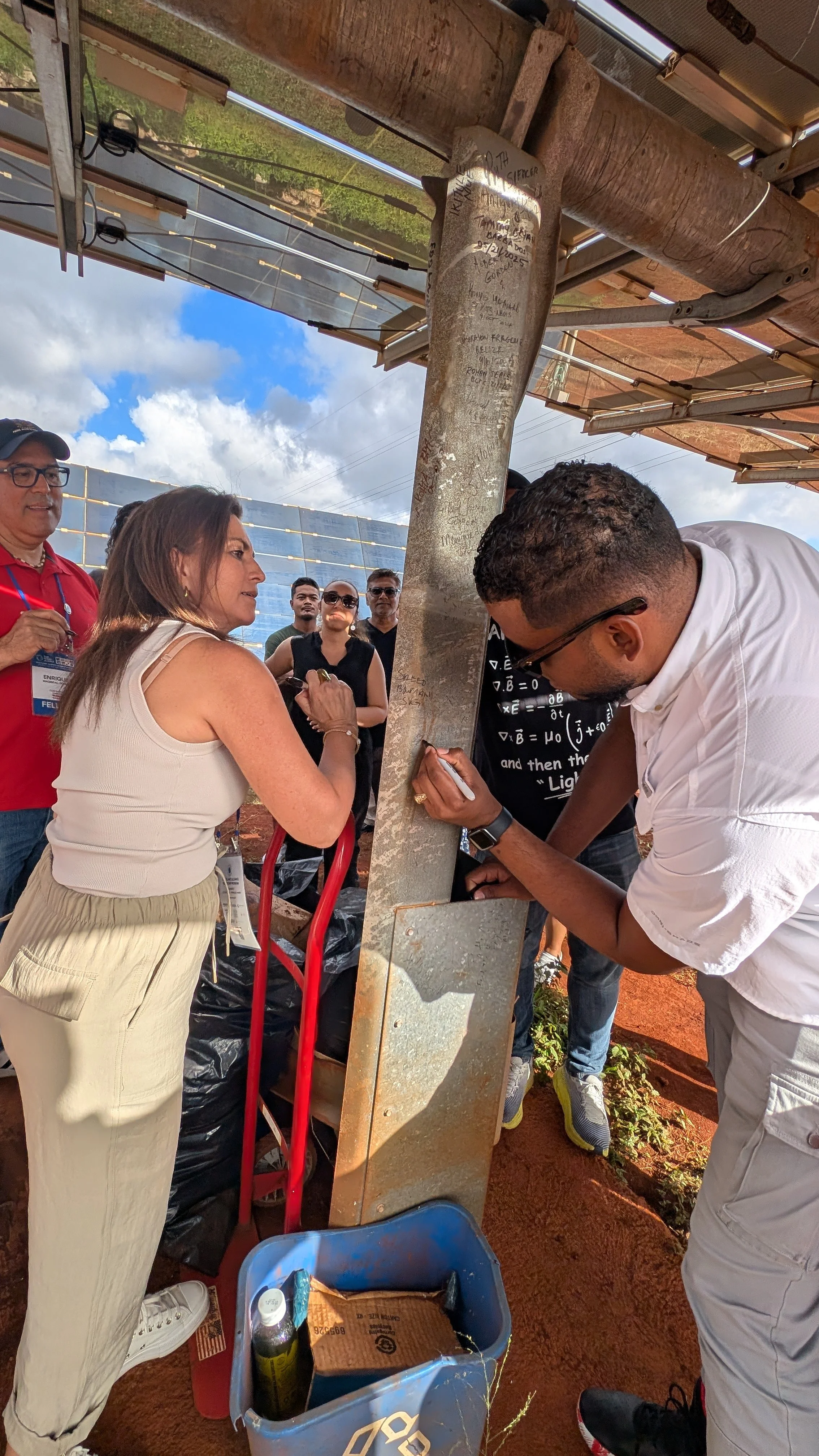
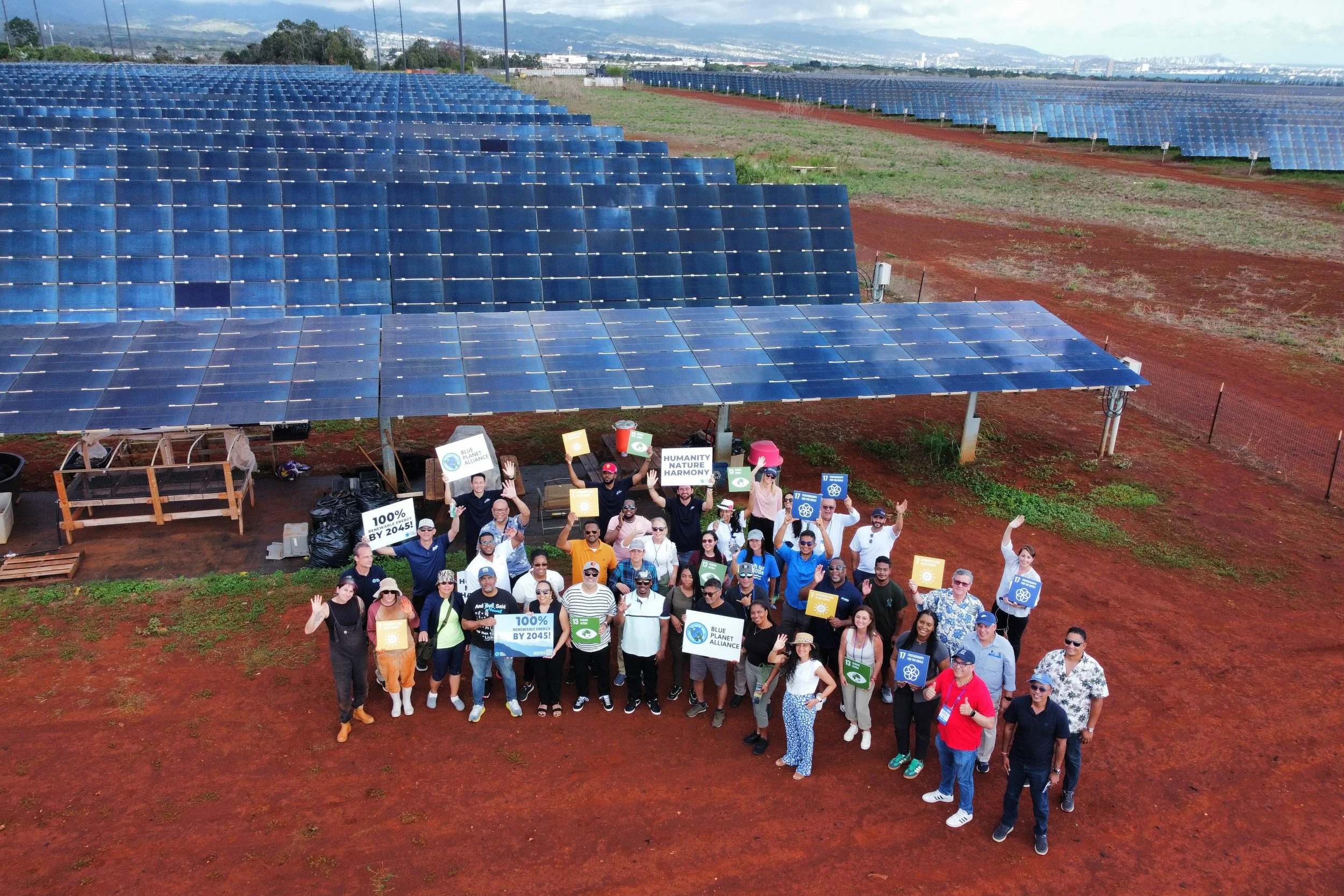
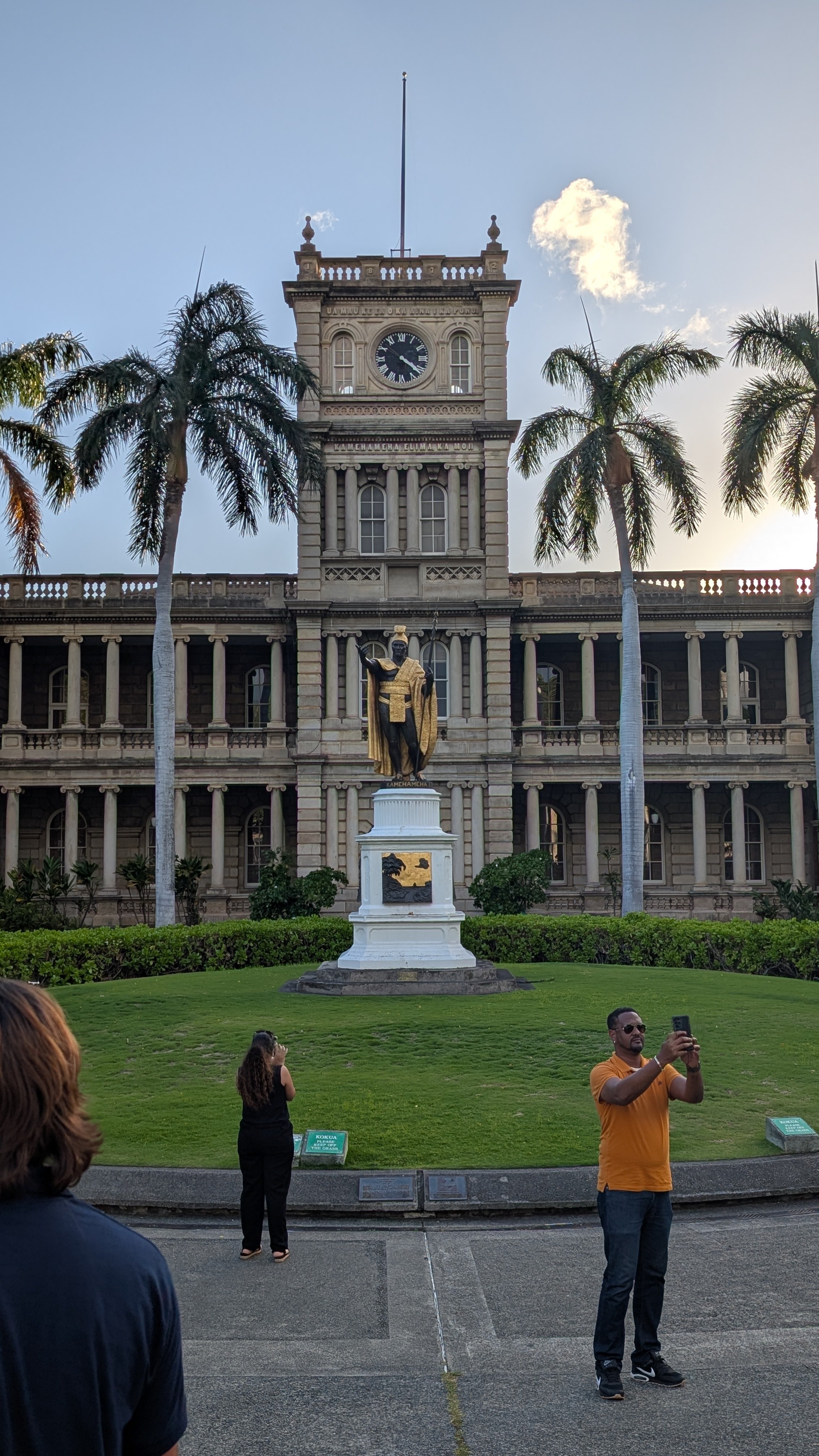
Day 3 of the Fellowship, Cohort 5 traded the conference room for the field, providing Fellows with a hands-on view of Hawaii's operational renewable energy infrastructure and the state's agricultural resilience efforts. The goal was to connect the strategic concepts discussed over the past two days with real-world implementation.
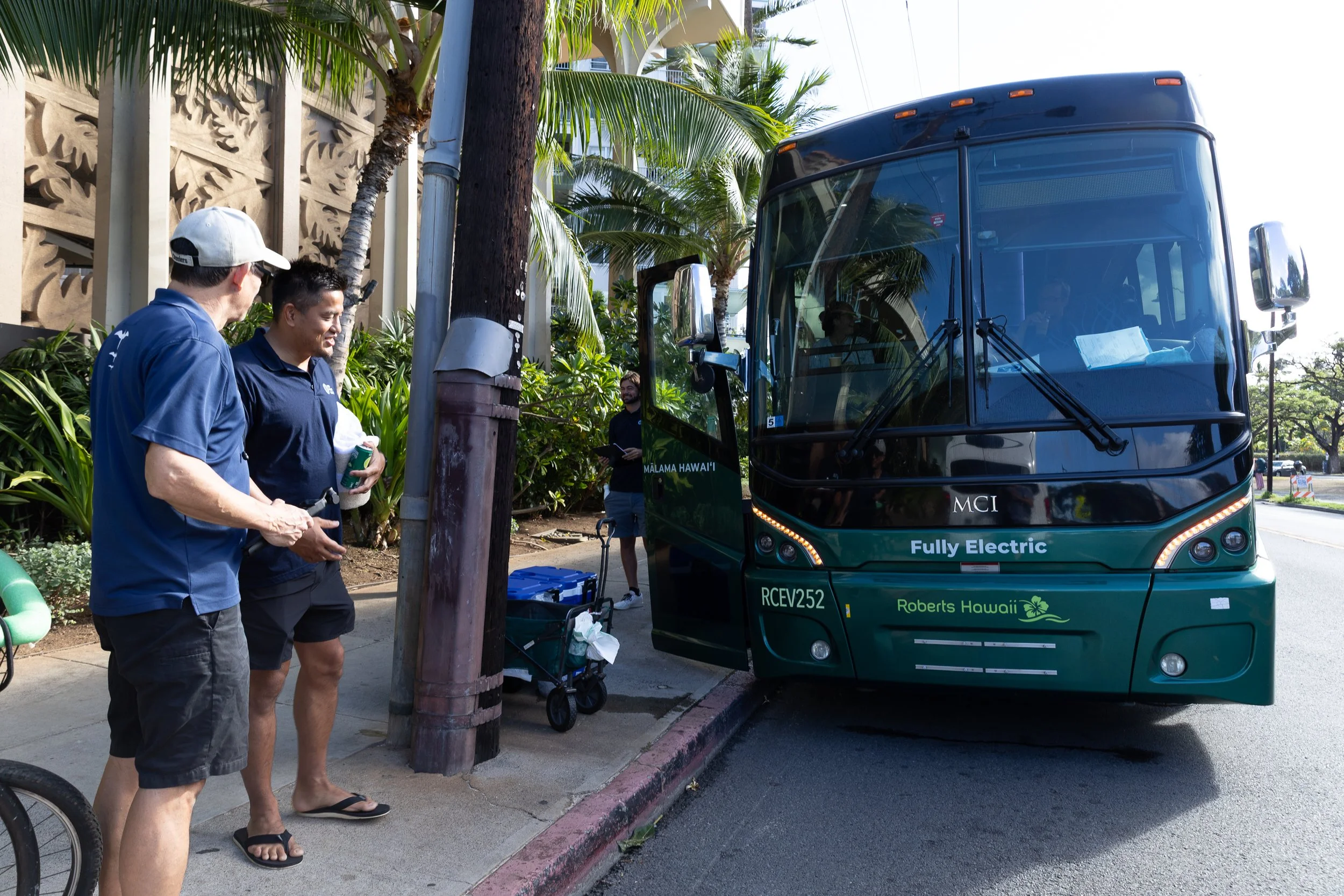
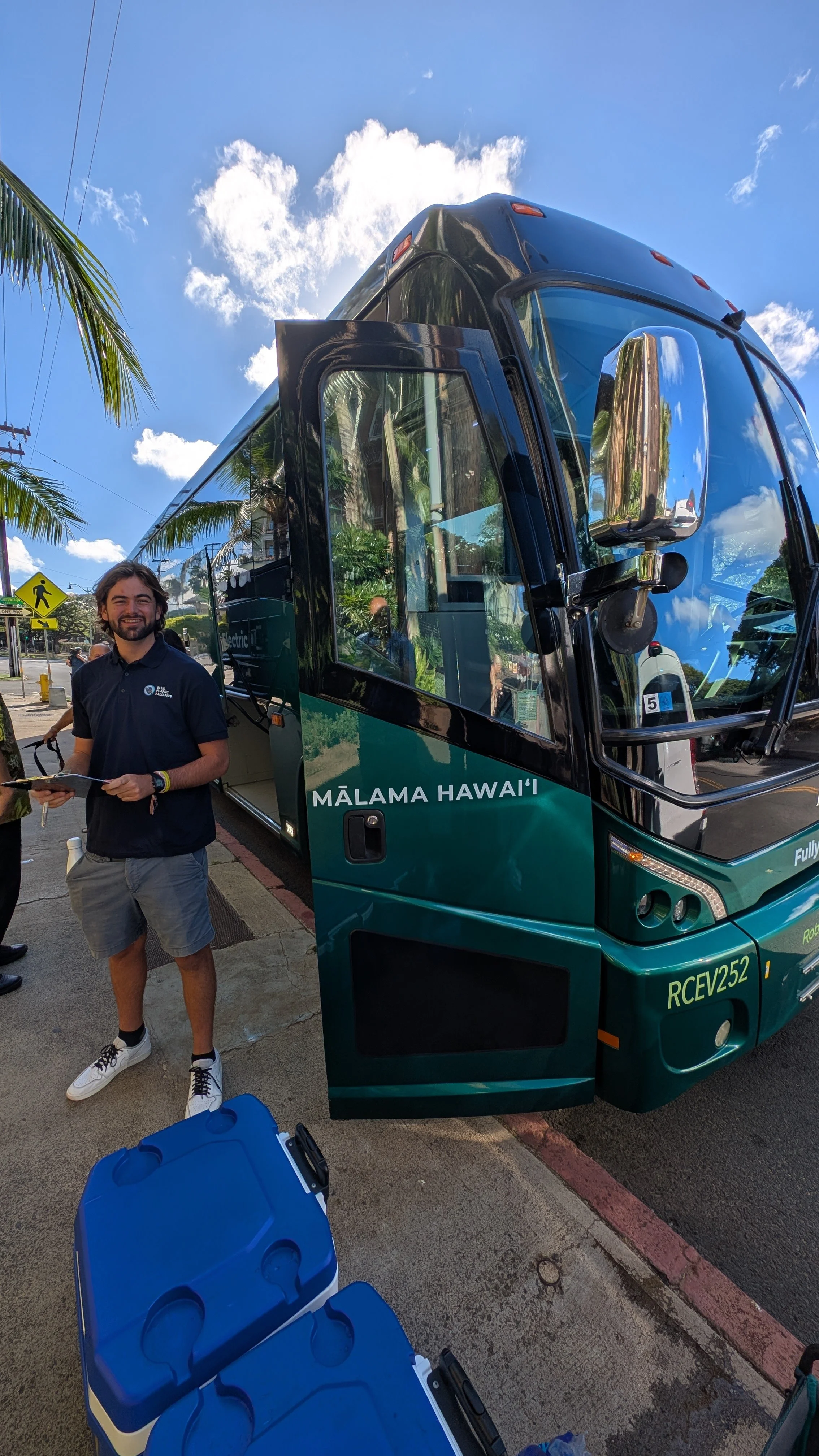
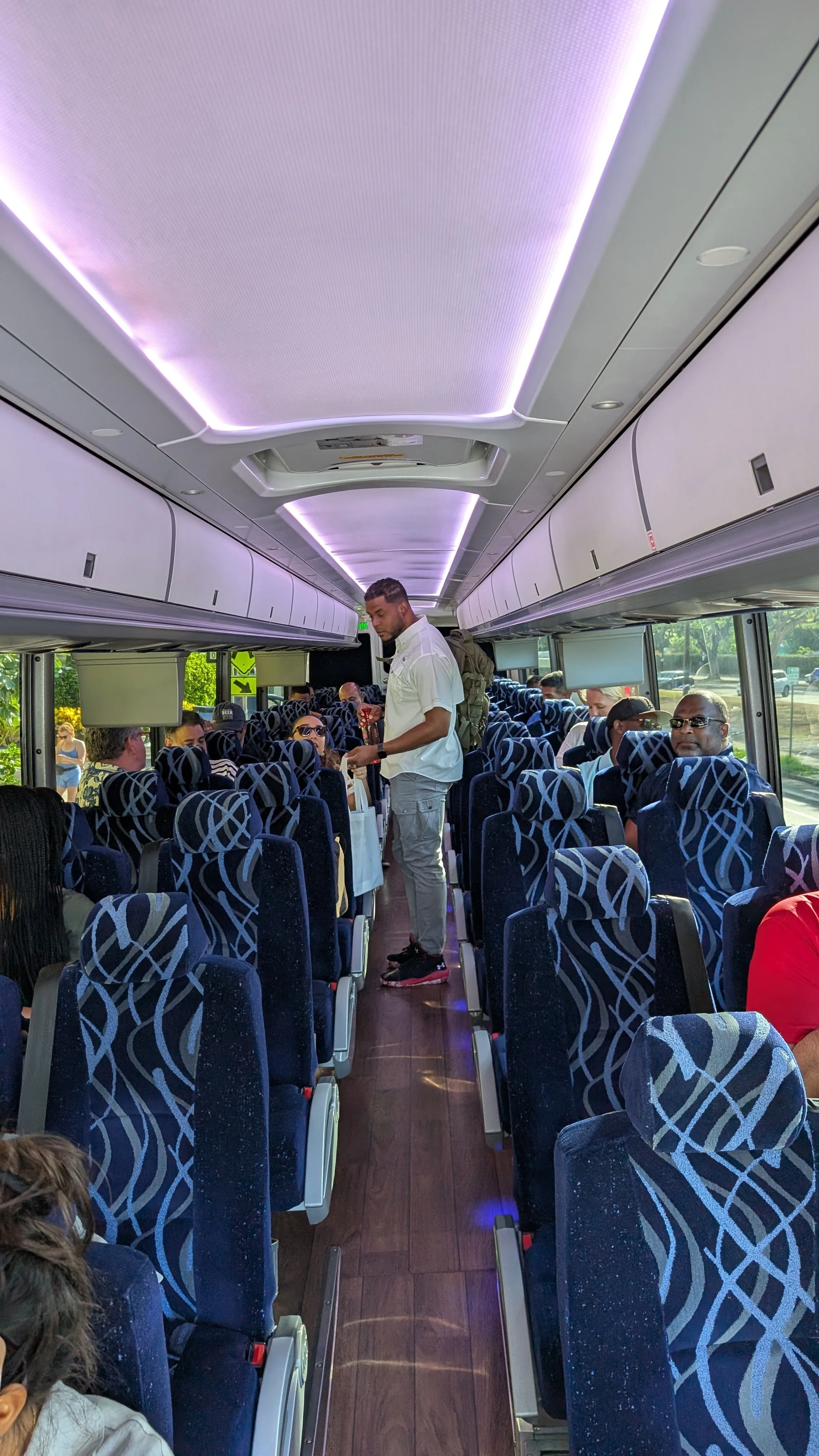
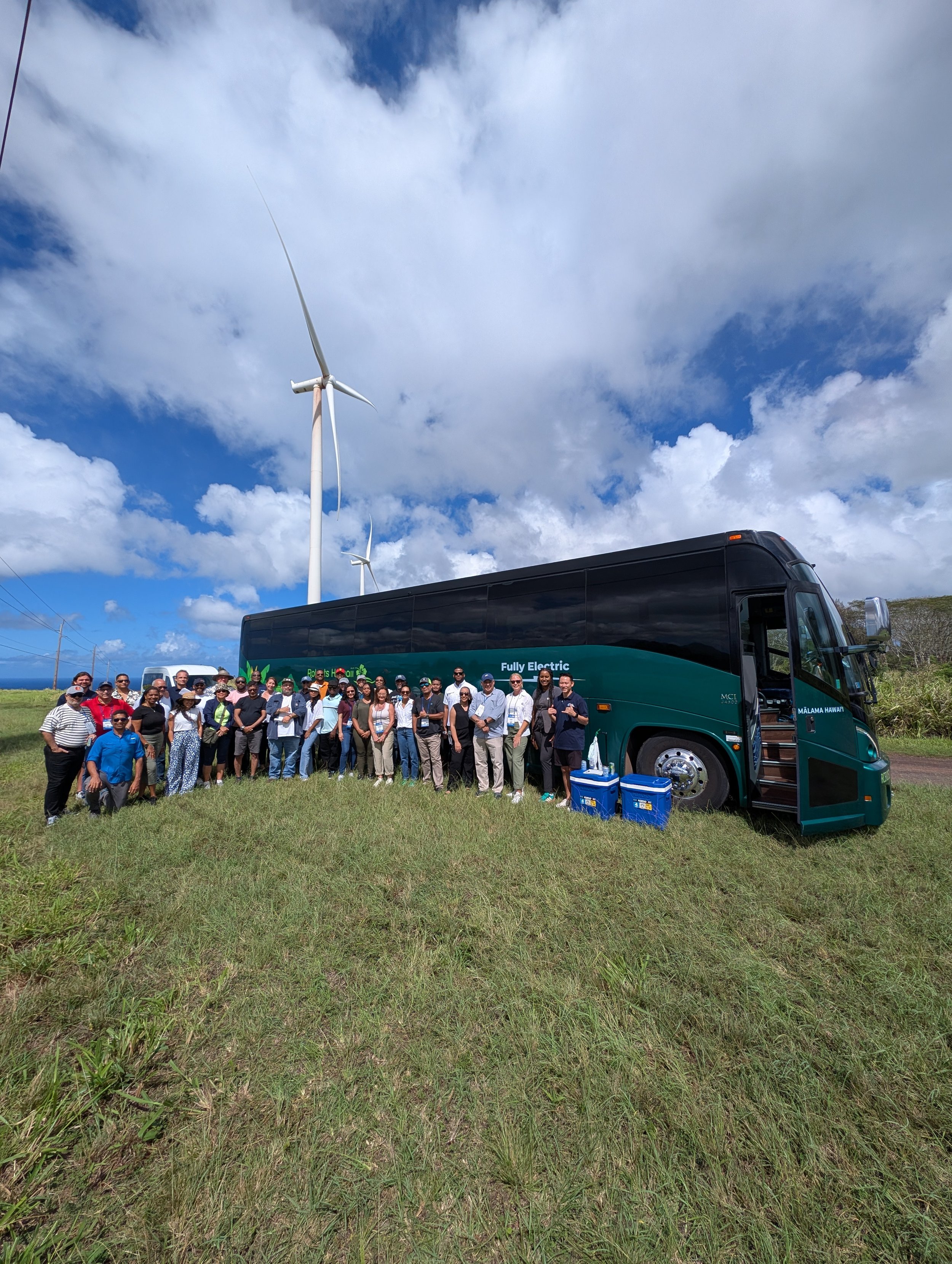
After a Group breakfast, the cohort departed via fully electric bus for the North Shore of O‘ahu.
At the Kawailoa Wind Farm, the Fellows saw large-scale wind energy generation in action, providing a practical demonstration of utility-scale renewable deployment. This site visit offered valuable context for Fellows developing their own "Island Grid Models." The developer also shared many of their annual engagements with environmental and community commitments. The key lesson is to bring transparency and inclusion to the entire community and address their concerns which include, but aren’t limited to protecting indigenous habitats, supporting classroom projects, and more.
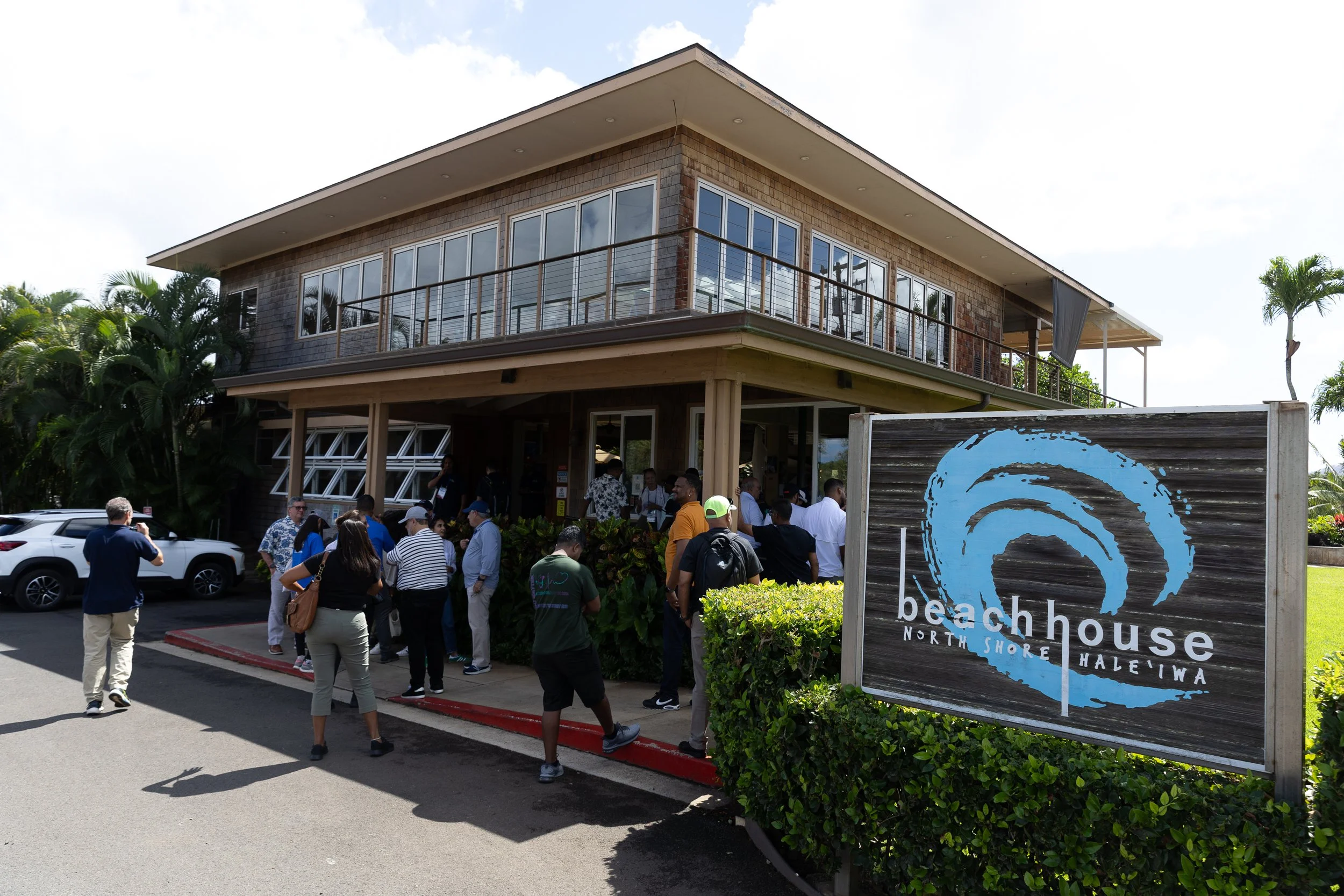
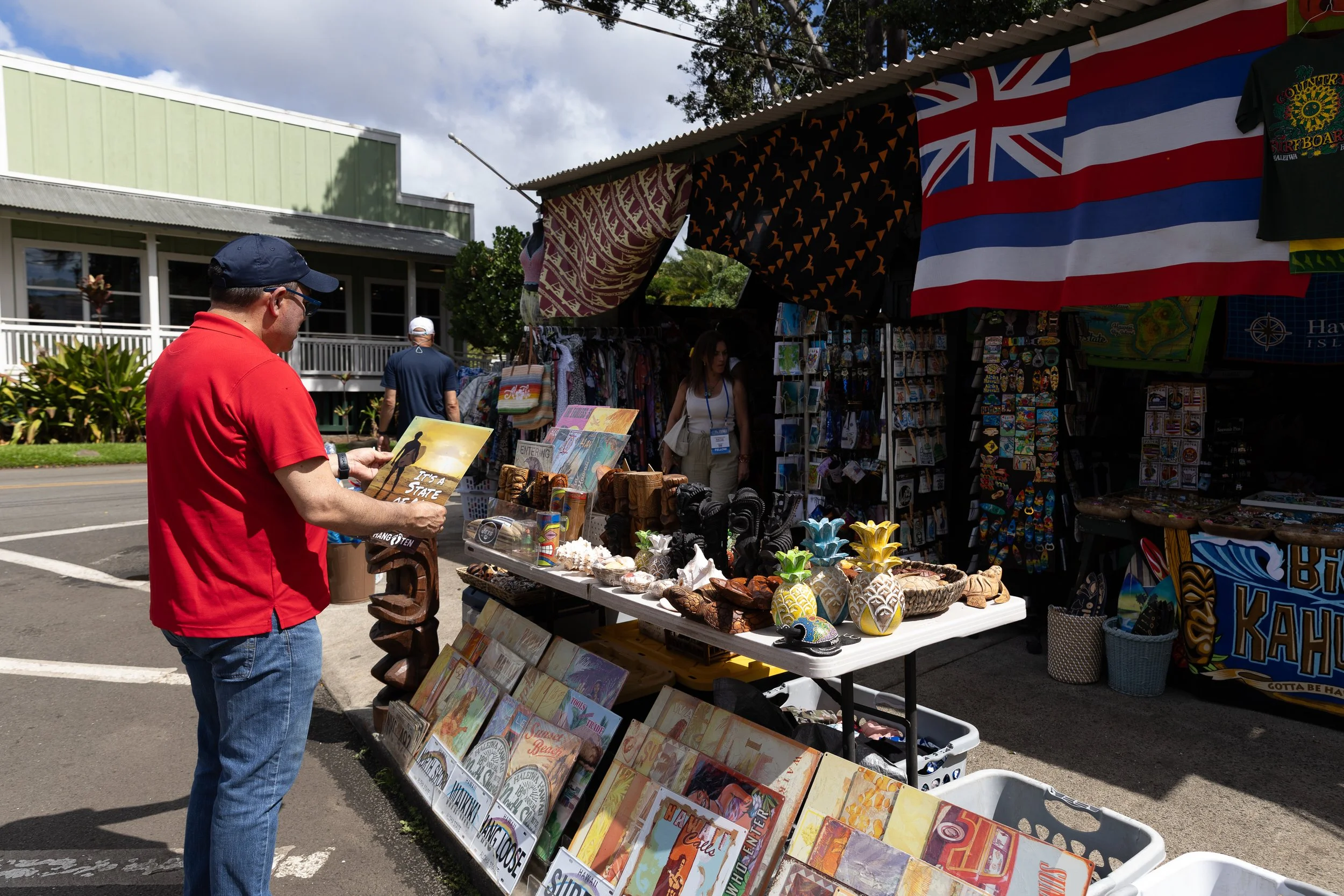
Following the wind farm tour, the group explored historic Haleiwa Town for lunch and leisure time.
The immersion continued at the Mililani Agricultural Park. This visit highlighted the critical intersection of energy, water, and food systems on islands, showcasing sustainable agricultural practices and demonstrating land use integration alongside solar energy production.
The day concluded with the drive back to the hotel, including a brief, meaningful stop at King Kamehameha’s statue and the Iolani Palace in Honolulu, connecting the modern push for sustainability with Hawaii's rich cultural heritage and history.
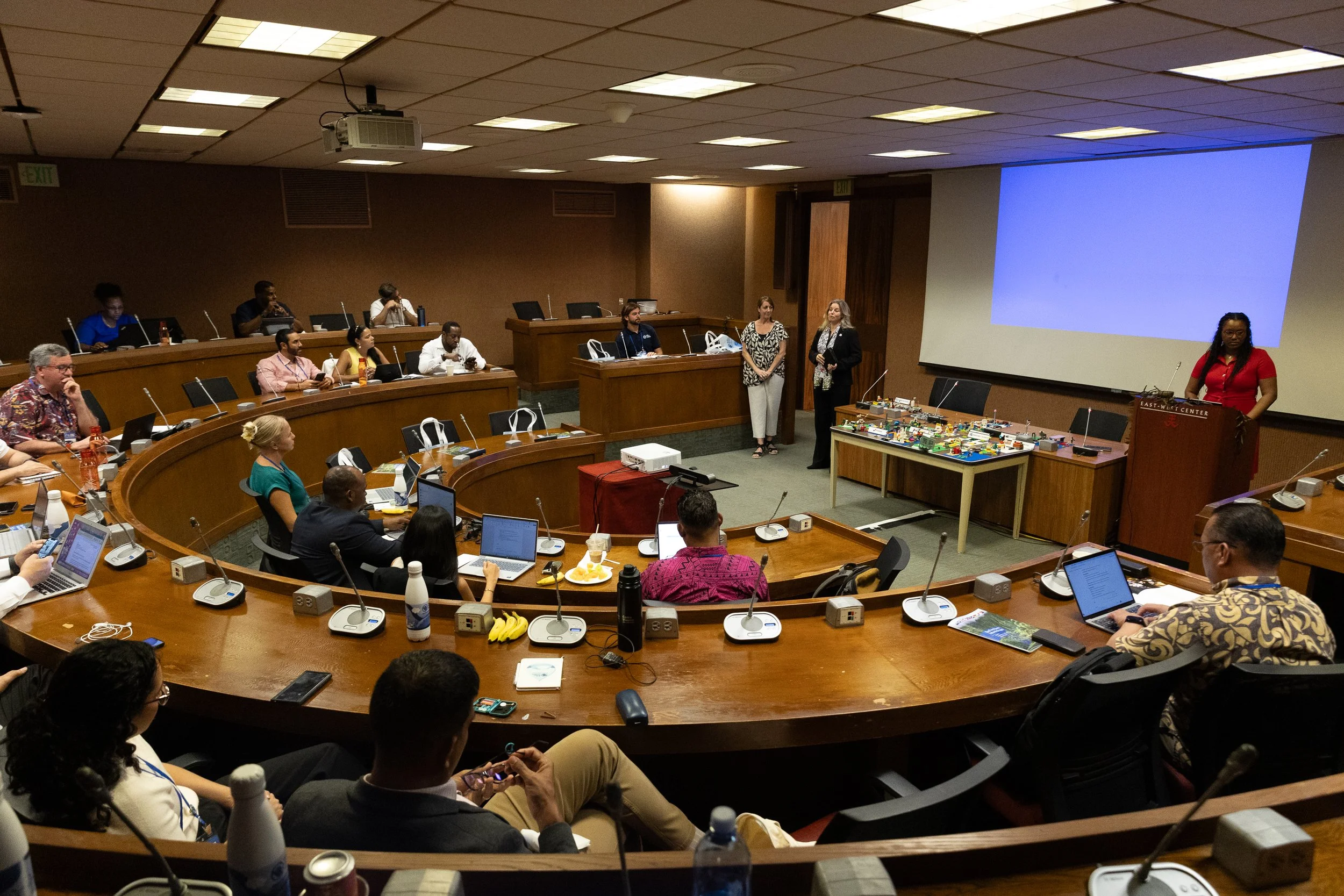
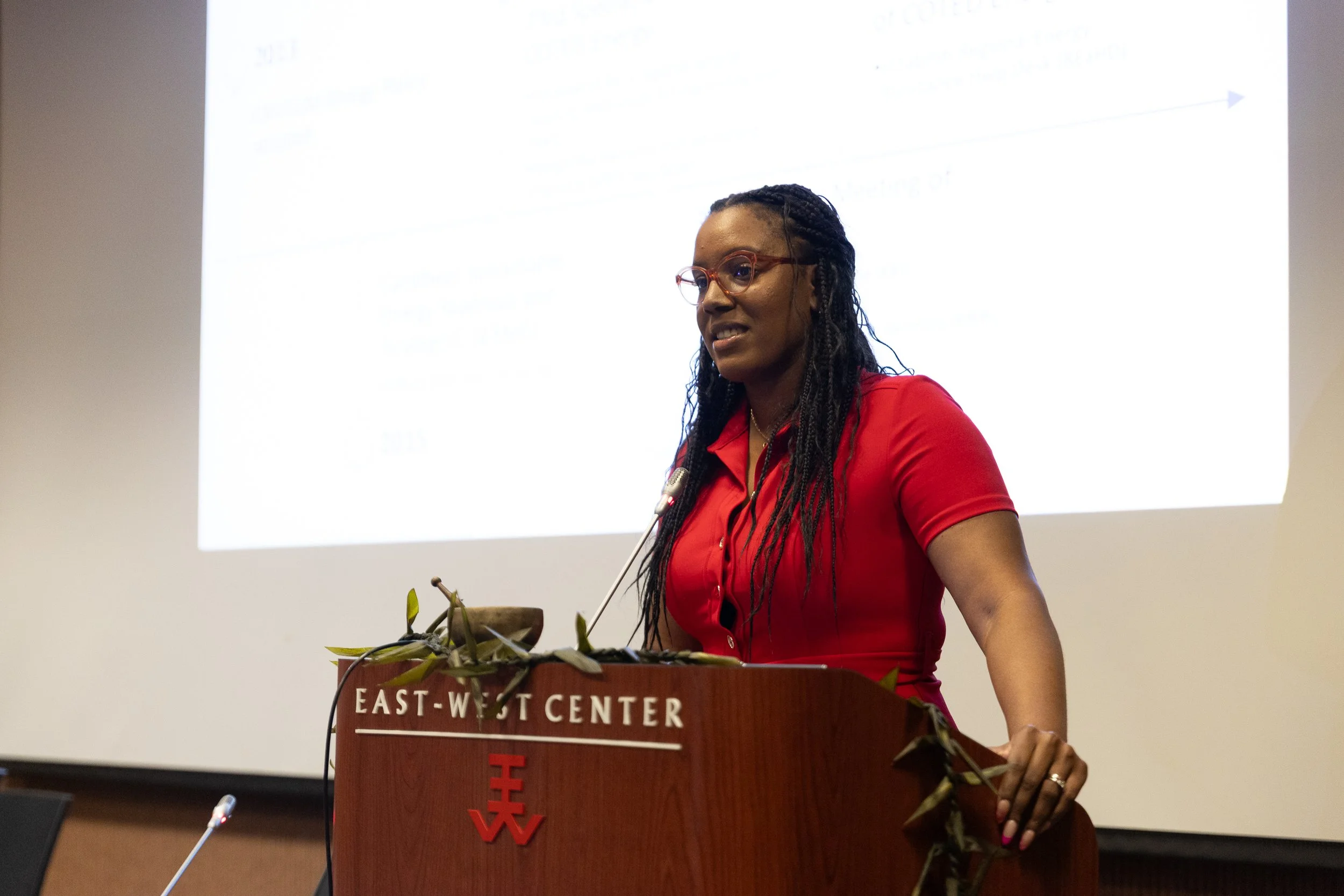
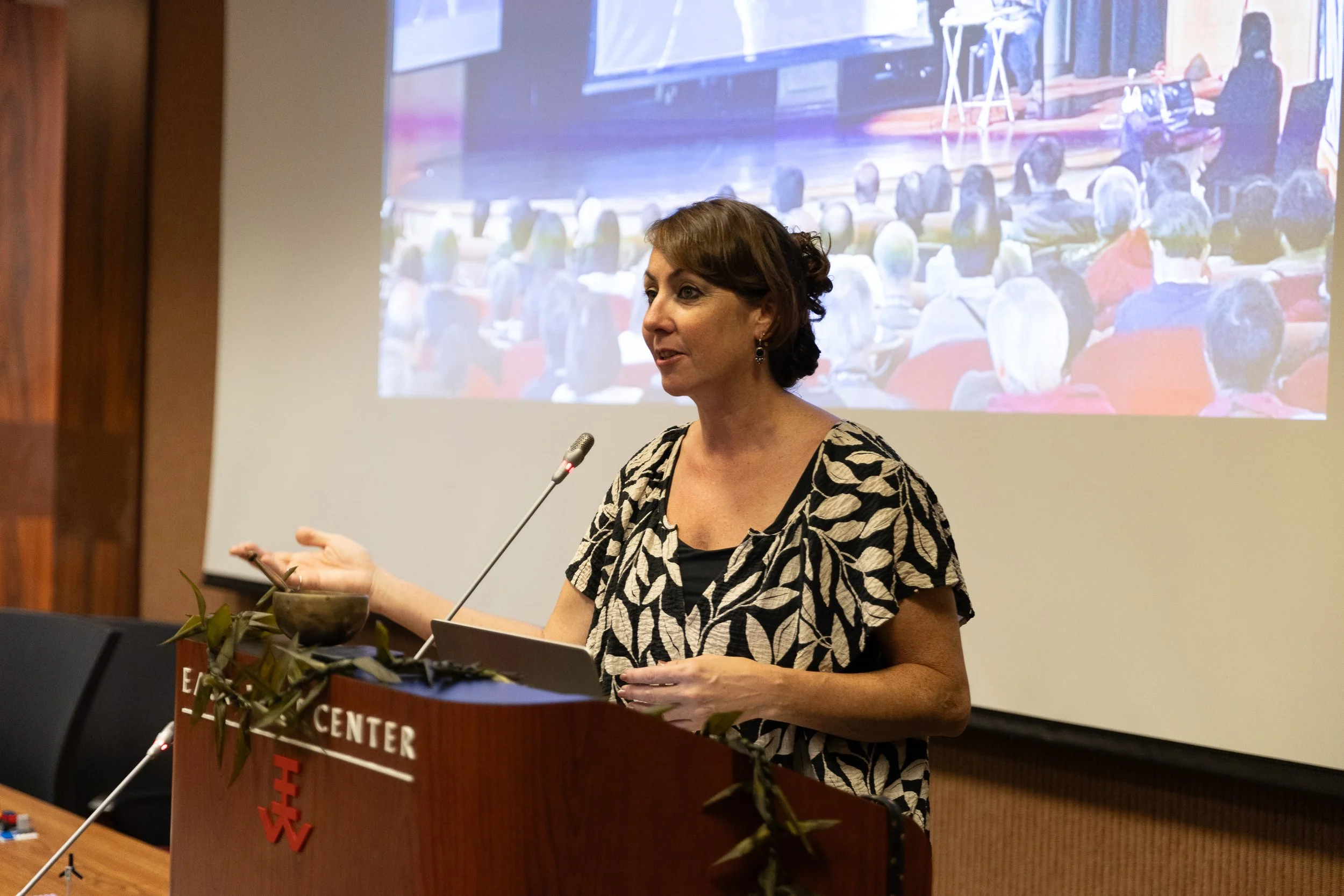
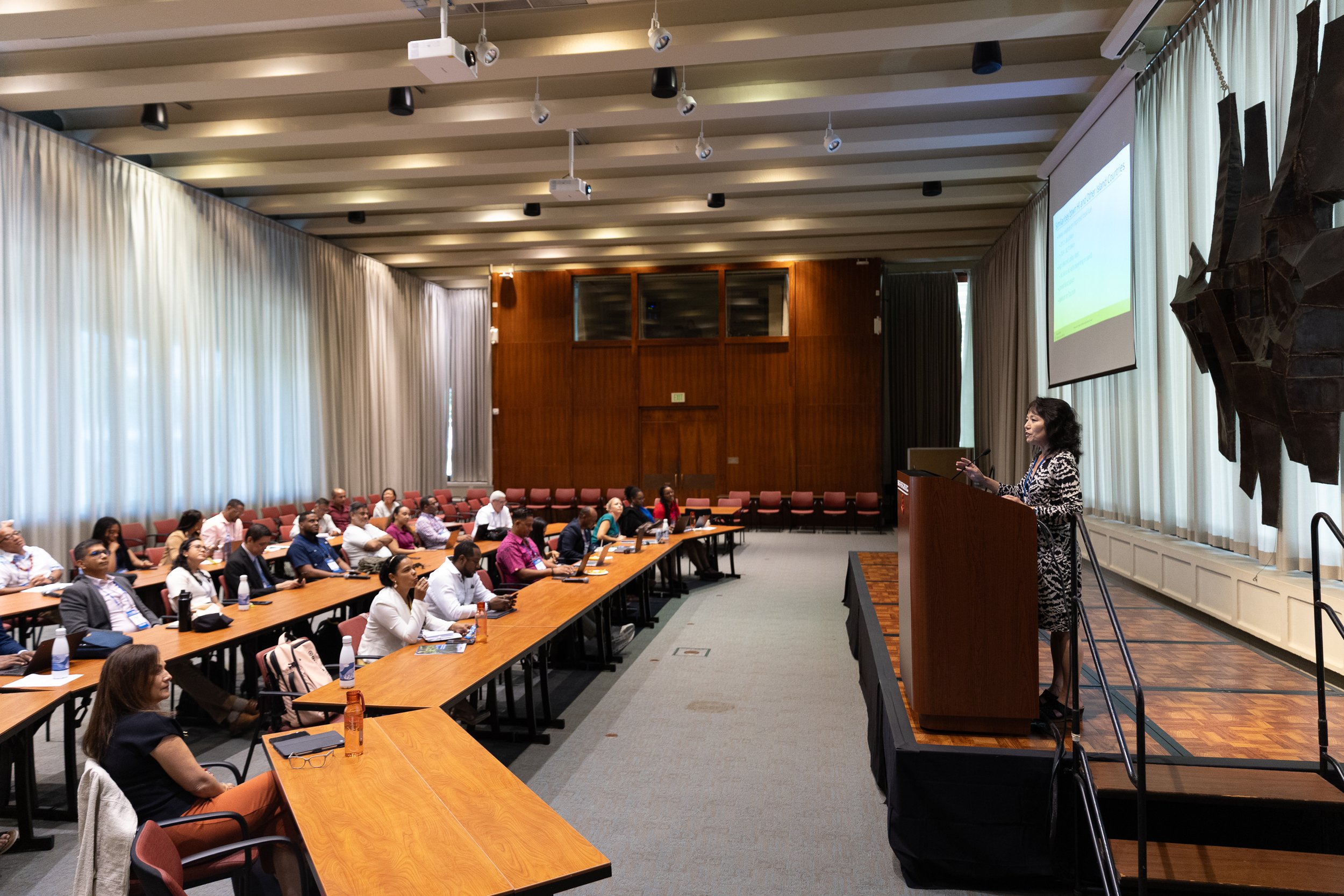
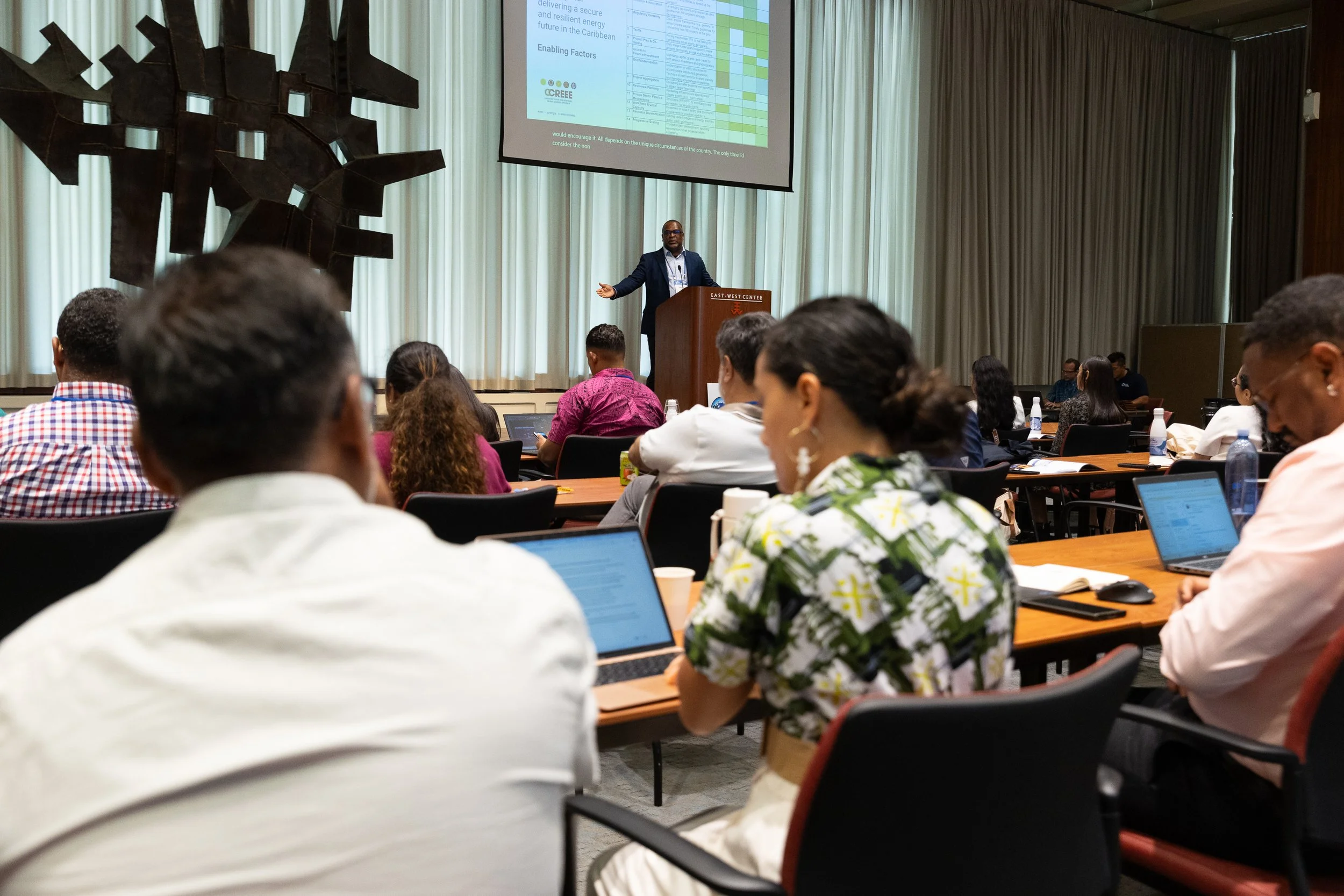
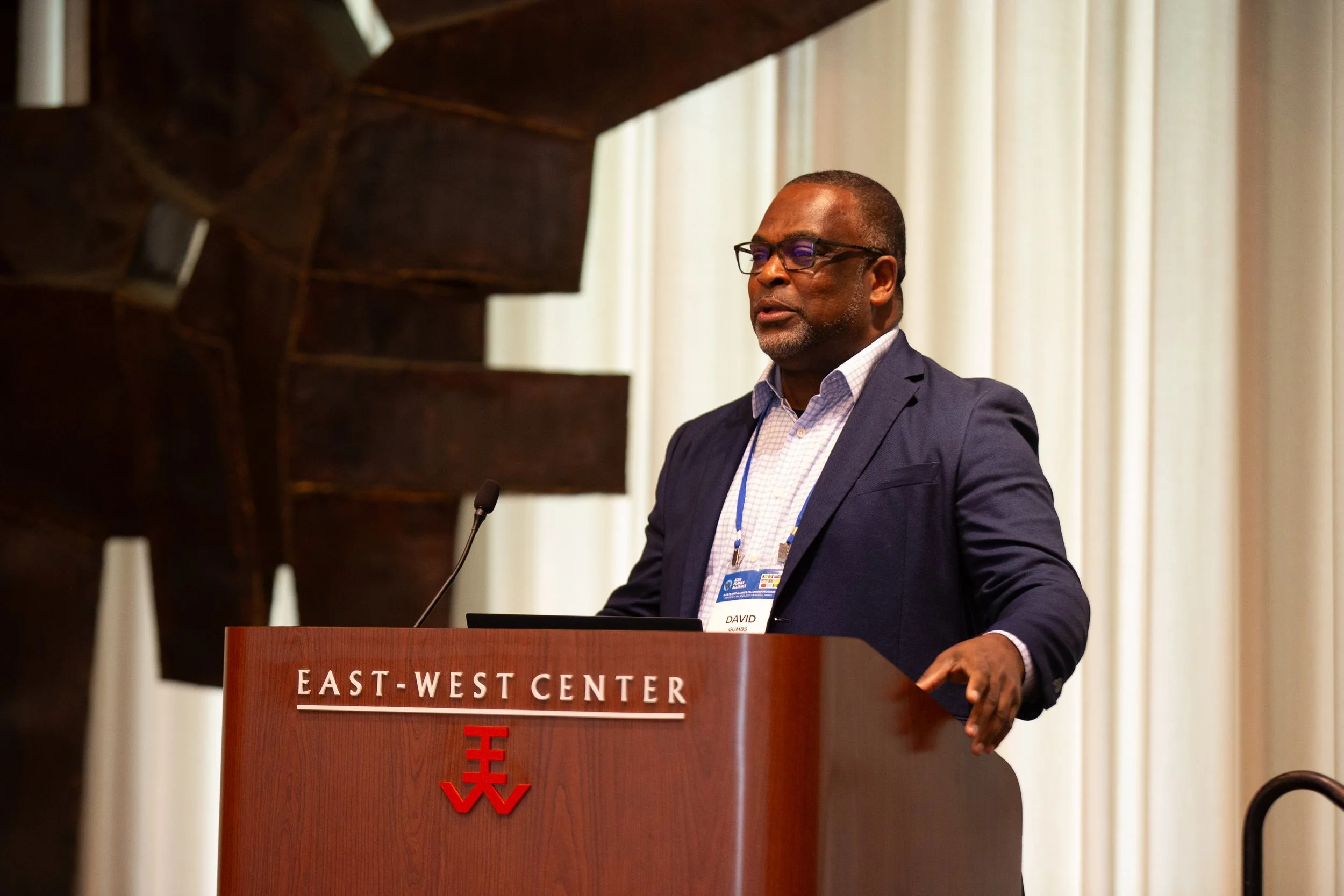
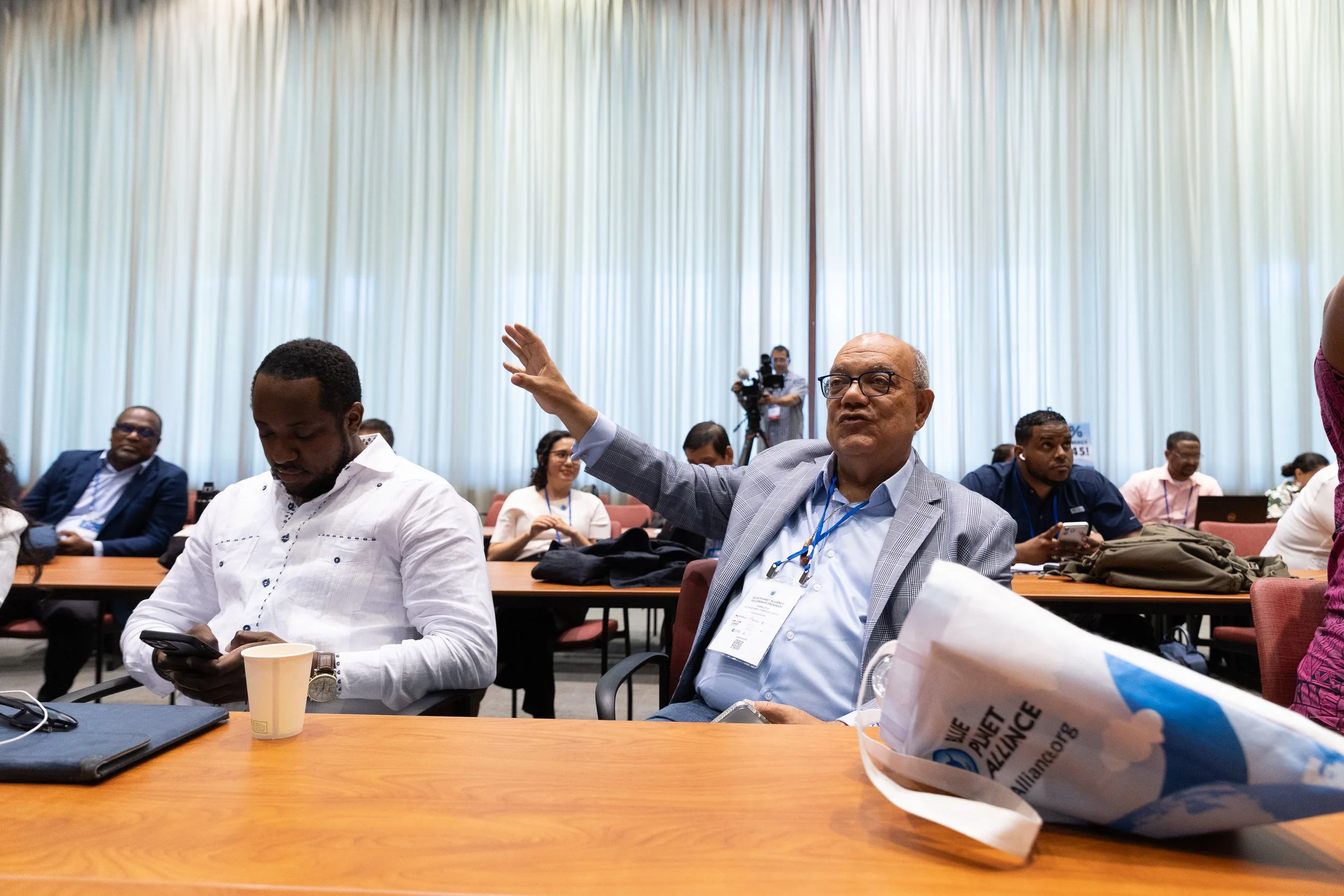
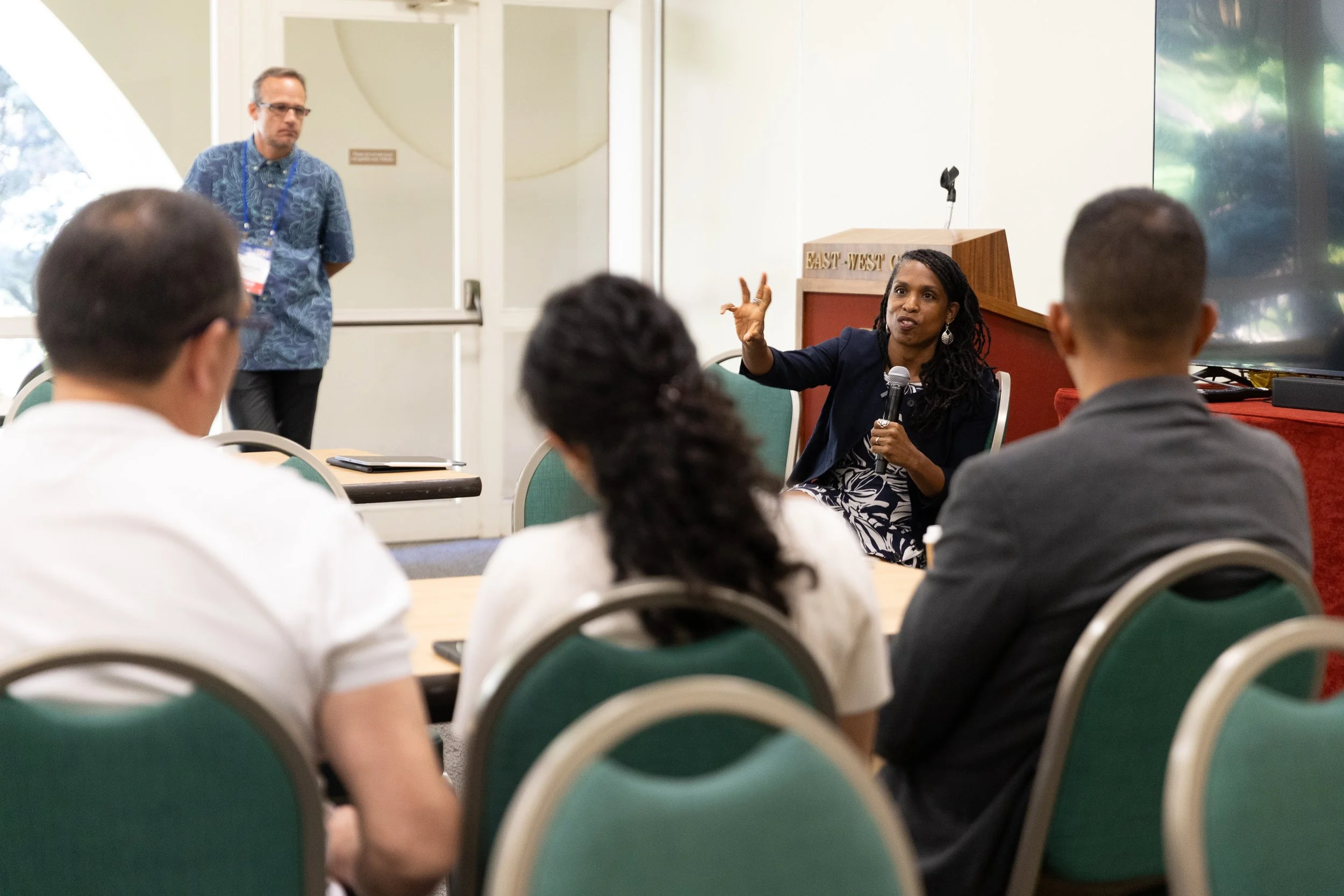
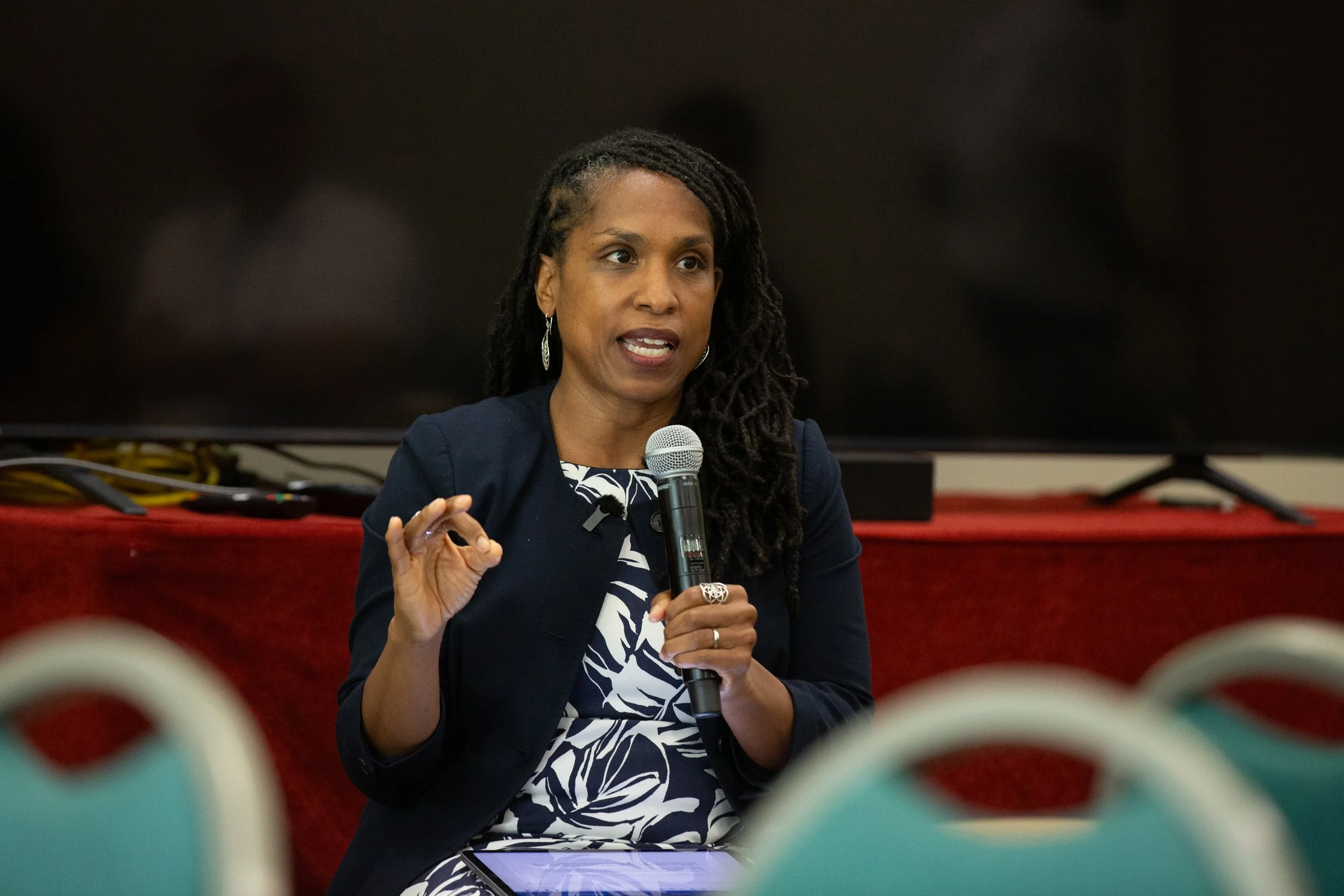
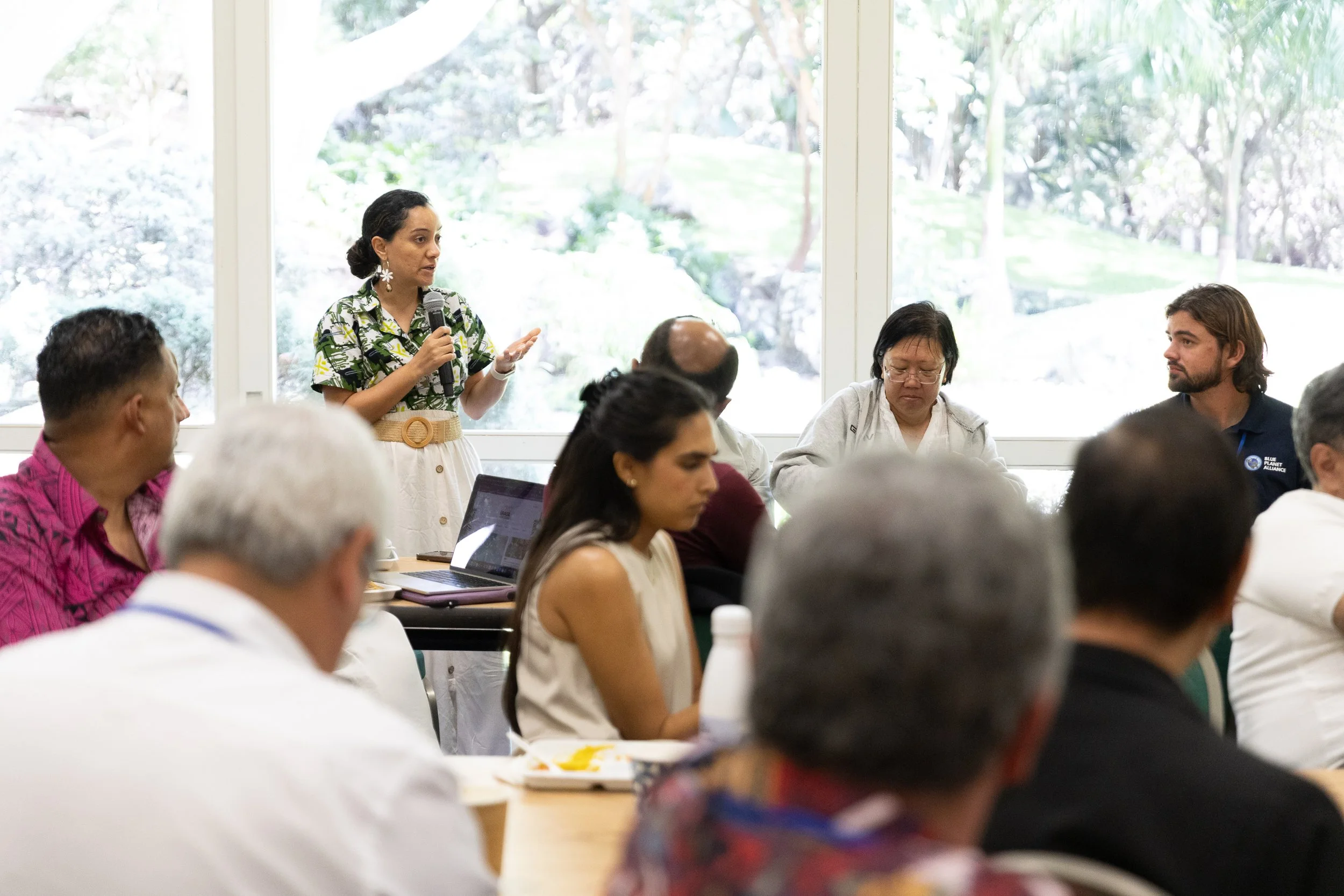
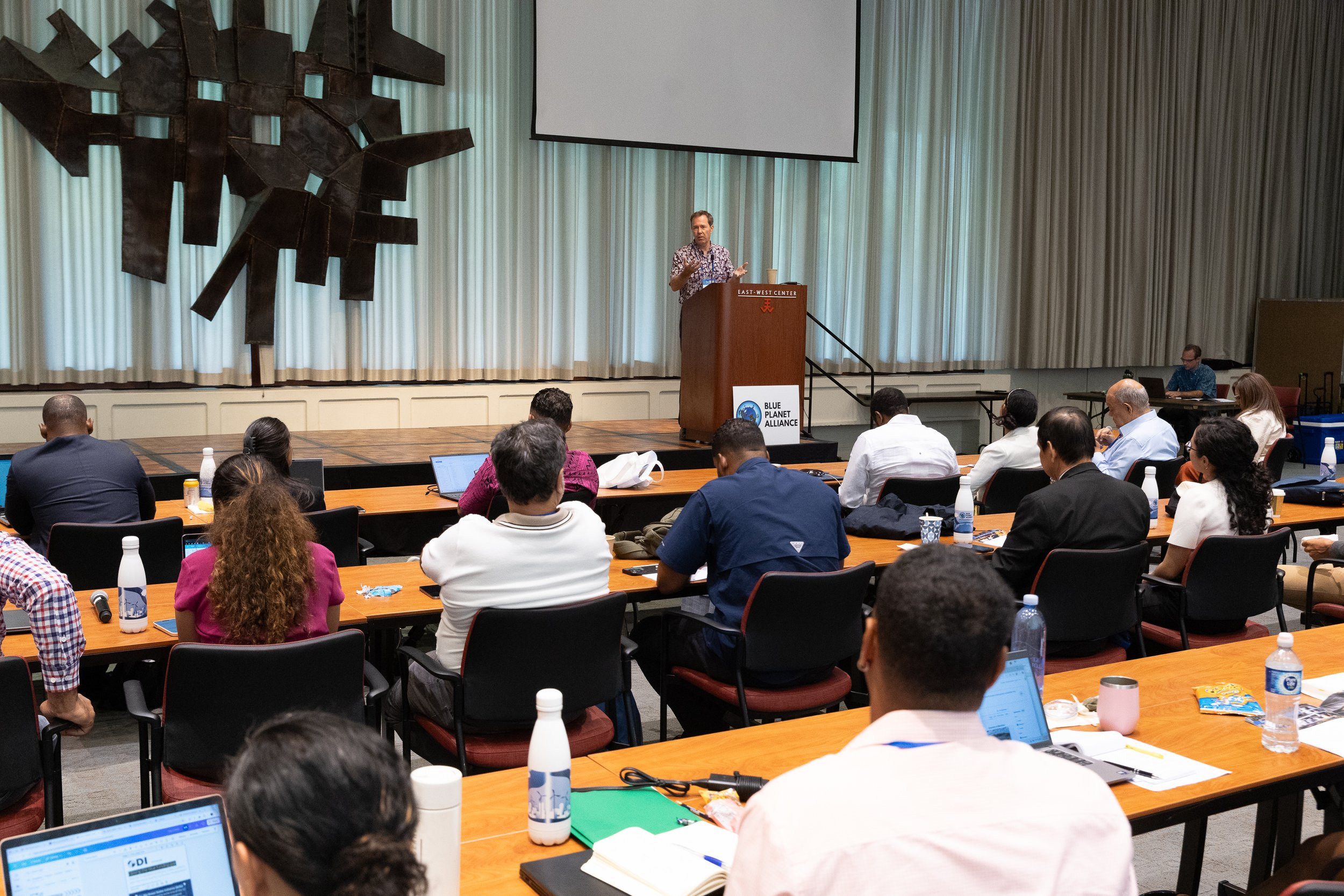
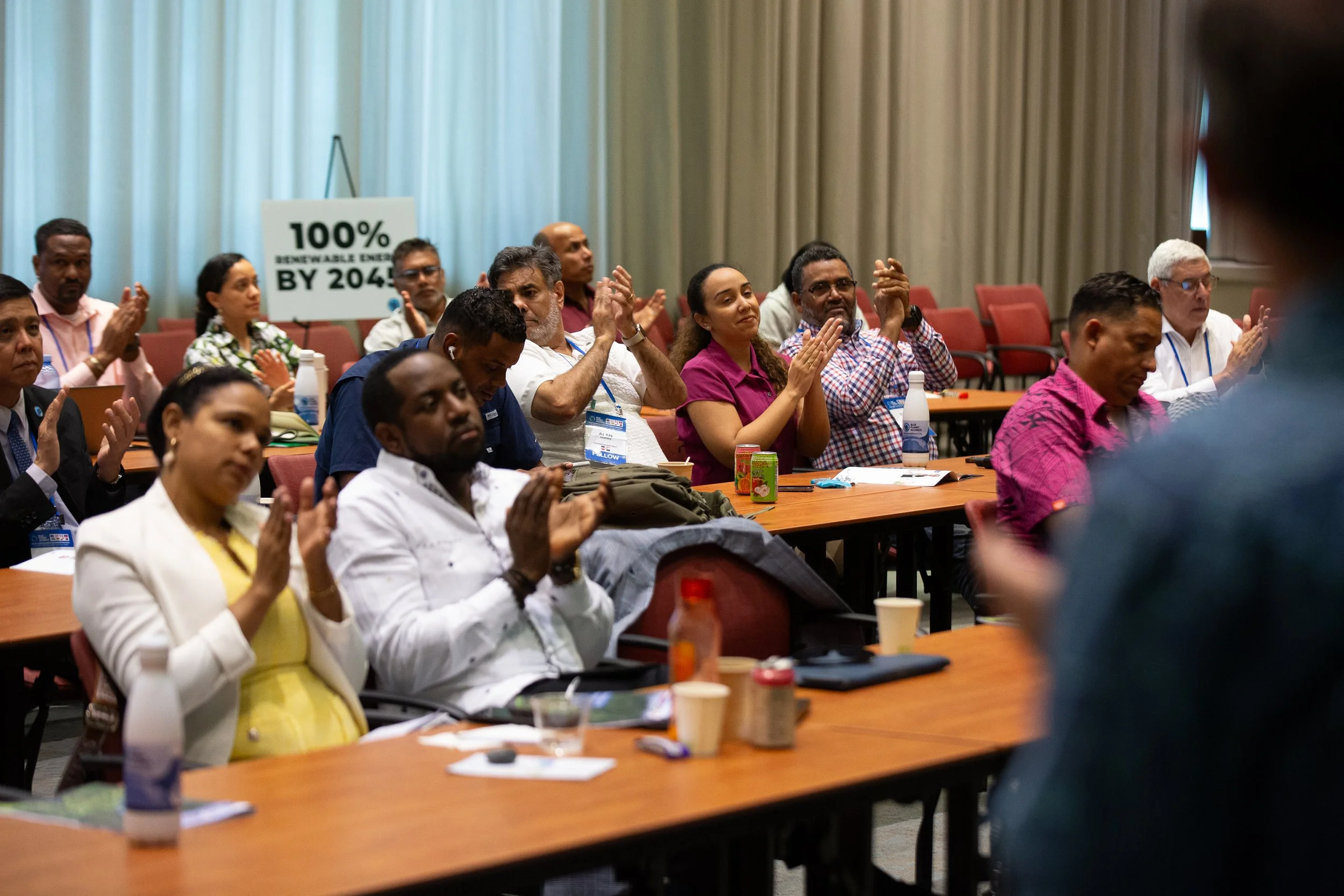
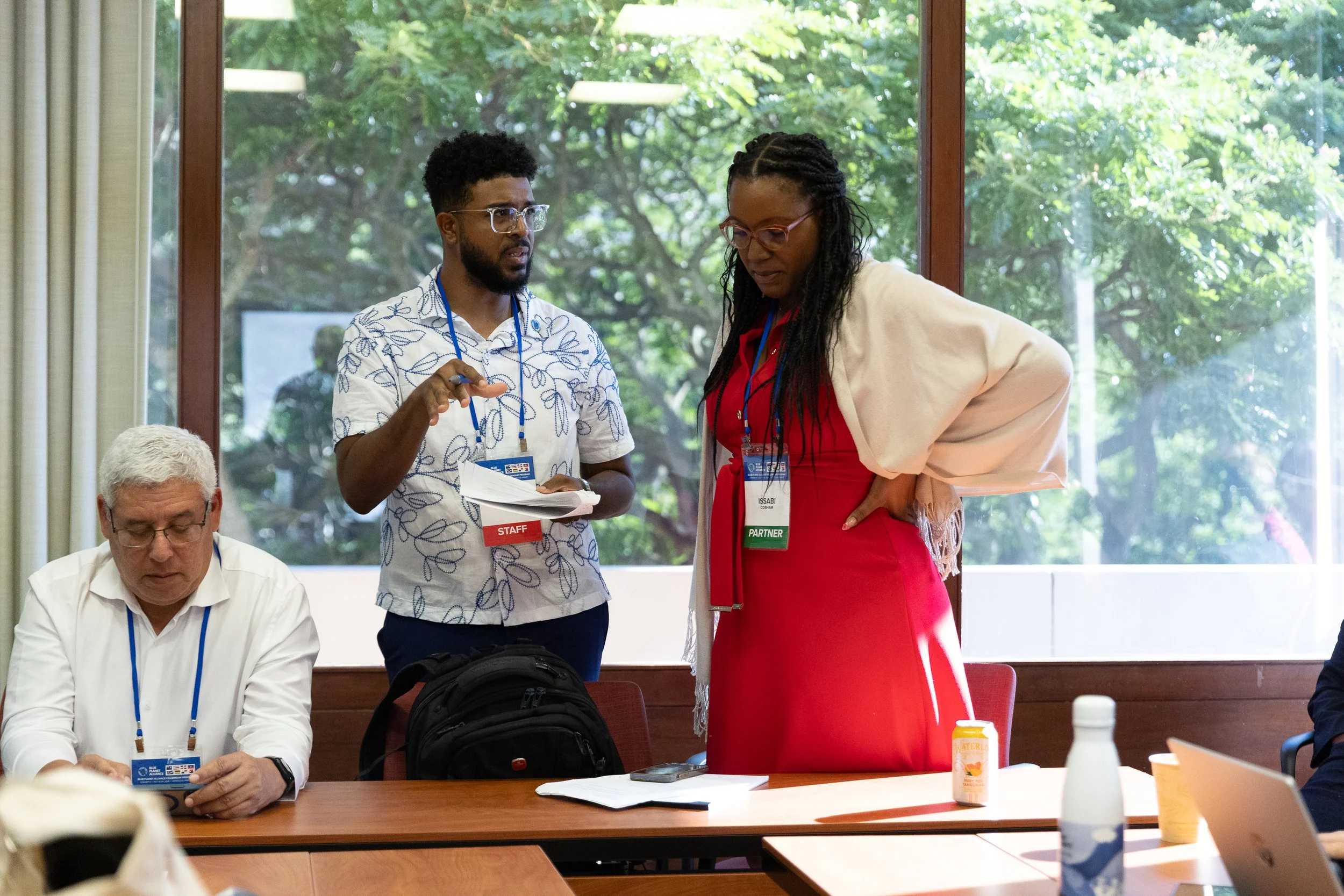
Day 4 was dedicated to addressing the essential, practical questions of how to fund, regulate, and model the transition to 100% renewable energy. The focus was on moving from vision to viable, bankable projects in preparation for the final day's strategy presentations.
ISSABI COBHAM, Programme Finance Analyst for the Caribbean Center for Renewable Energy and Energy Efficiency (CCREEE), delivered a Partner presentation on CCREEE's financing programs for the region.
EMILIE MCGLONE, Executive Director of Peace Boat US, presented their work, specifically in the empowering Youth for SDG program, offering another vital partnership model for global climate and sustainability action.
The financial deep dive continued with GWEN YAMAMOTO-LAU, Executive Director of the Hawaii Green Infrastructure Authority, leading the session on “Creative Financing for Clean Energy and Equity.” She provided strategies for securing capital and structuring funding to ensure equitable outcomes.
The morning culminated in a critical session, “From Vision to Viability: Crafting Bankable Pathways to 100% Renewable Energy,” delivered by DAVID GUMBS, Director of the Rocky Mountain Institute Islands Program. Gumbs offered a framework for developing projects that are financially attractive and sustainable for investors.
The Fellows enjoyed Lunch with Guest Speaker MAXINE BURKETT, University of Hawaii Professor of Law and former Asst. Director of Climate, Ocean, and Equity for the Biden-Harris White House. Her remarks provided a high-level perspective on the intersection of law, equity, and international climate policy.
The afternoon began with a technical session on “Modeling Island Energy Systems,” led by LEON ROOSE, Chief Technologist for GridSTART at the Hawaii Natural Energy Institute. Roose showed how complex grid systems can be analyzed and optimized to handle high levels of intermittent renewable energy.
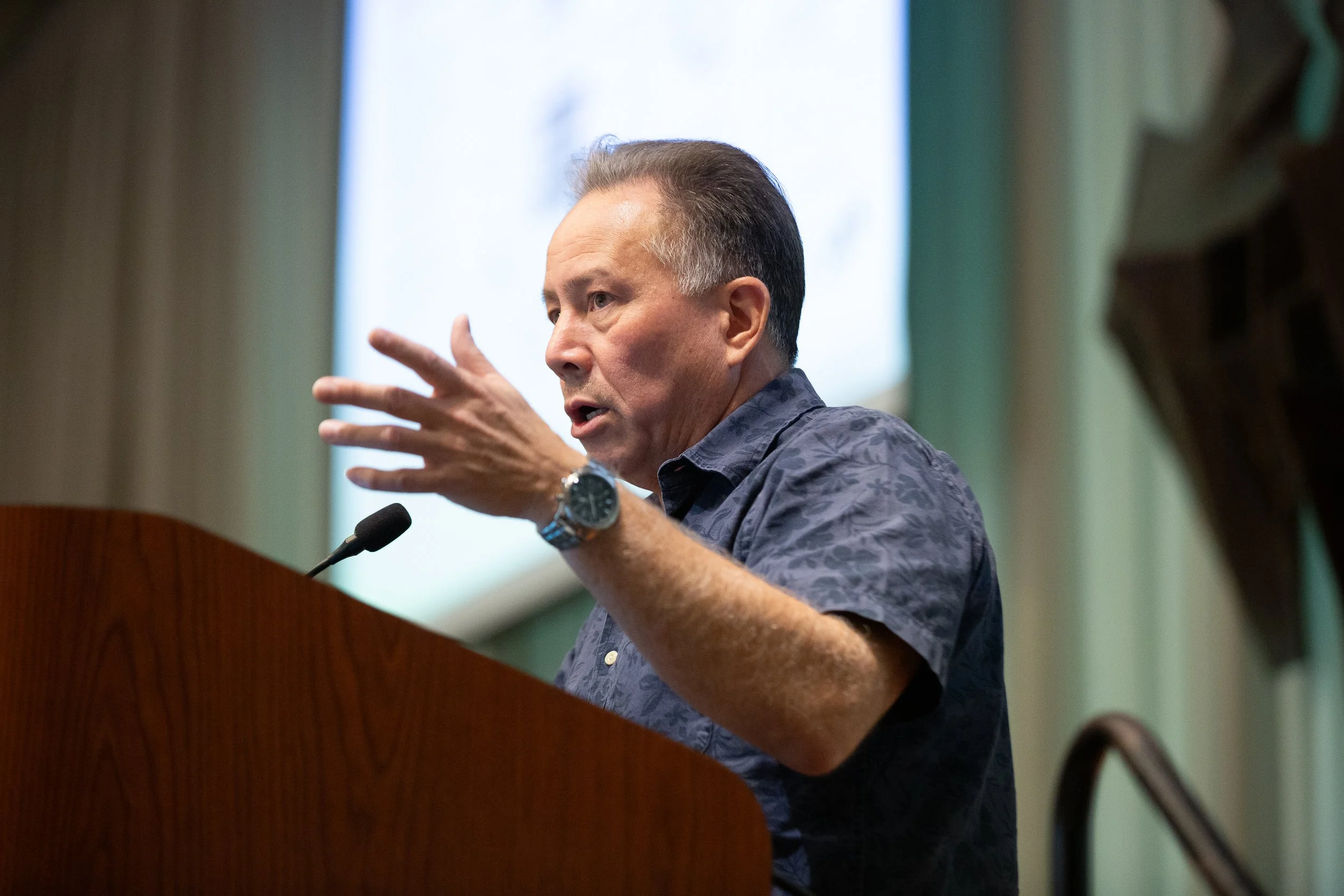
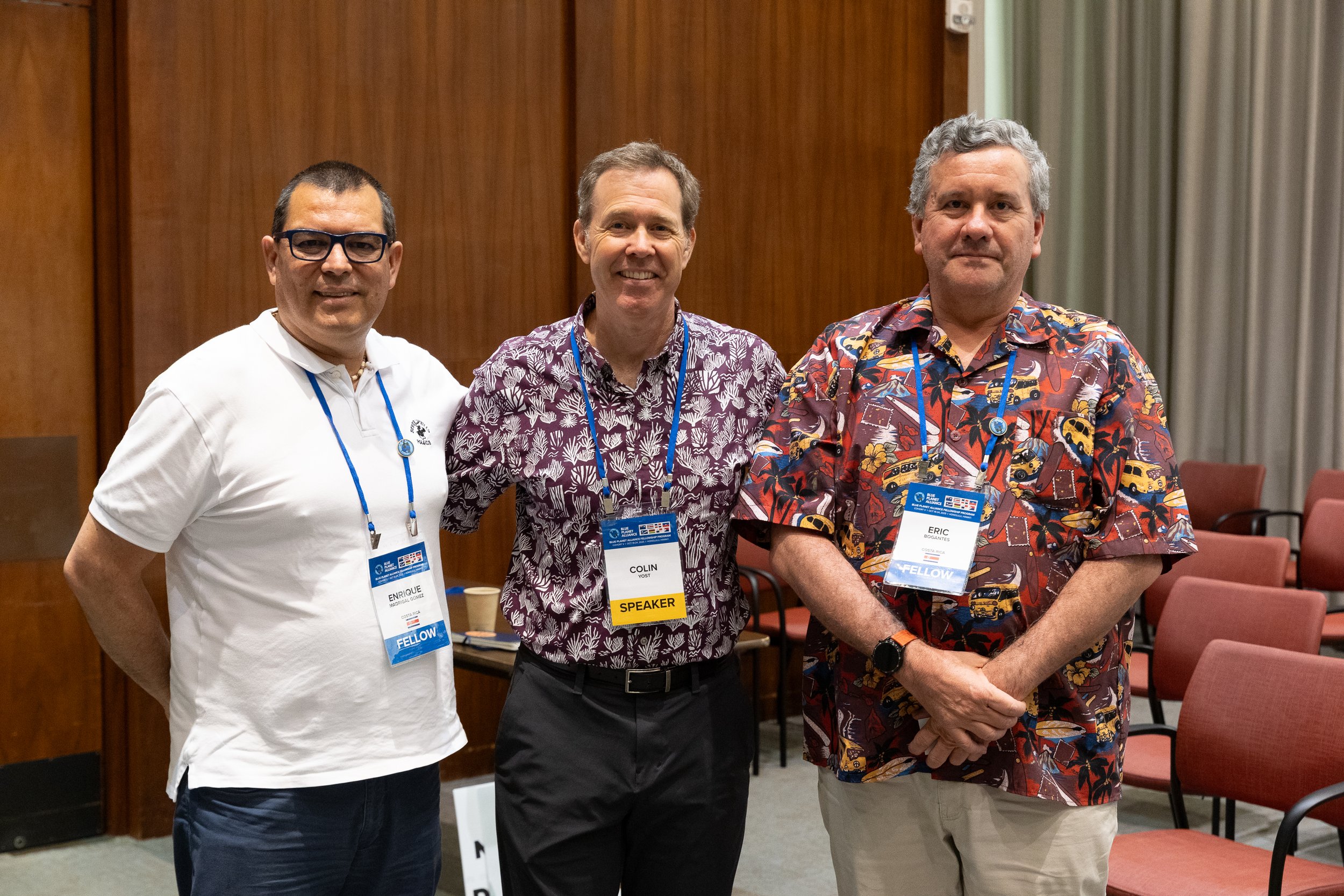
This was immediately followed by a crucial policy discussion, “Hawaii’s Current Regulatory Approach,” presented by COLIN YOST, Commissioner of the Hawaii Public Utilities Commission. Yost detailed the regulatory mechanisms and decision-making processes governing the transition, offering insight into policy execution.
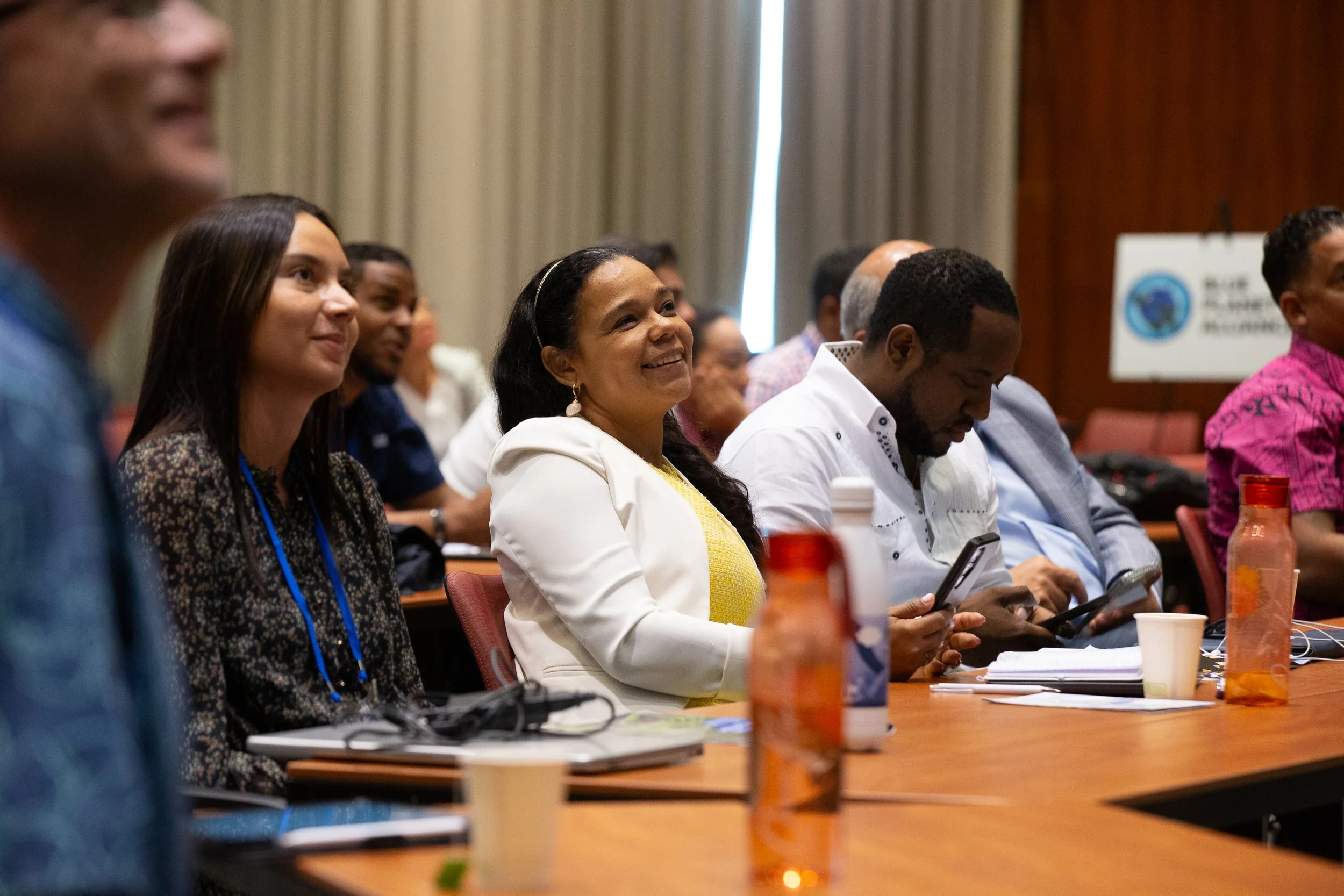
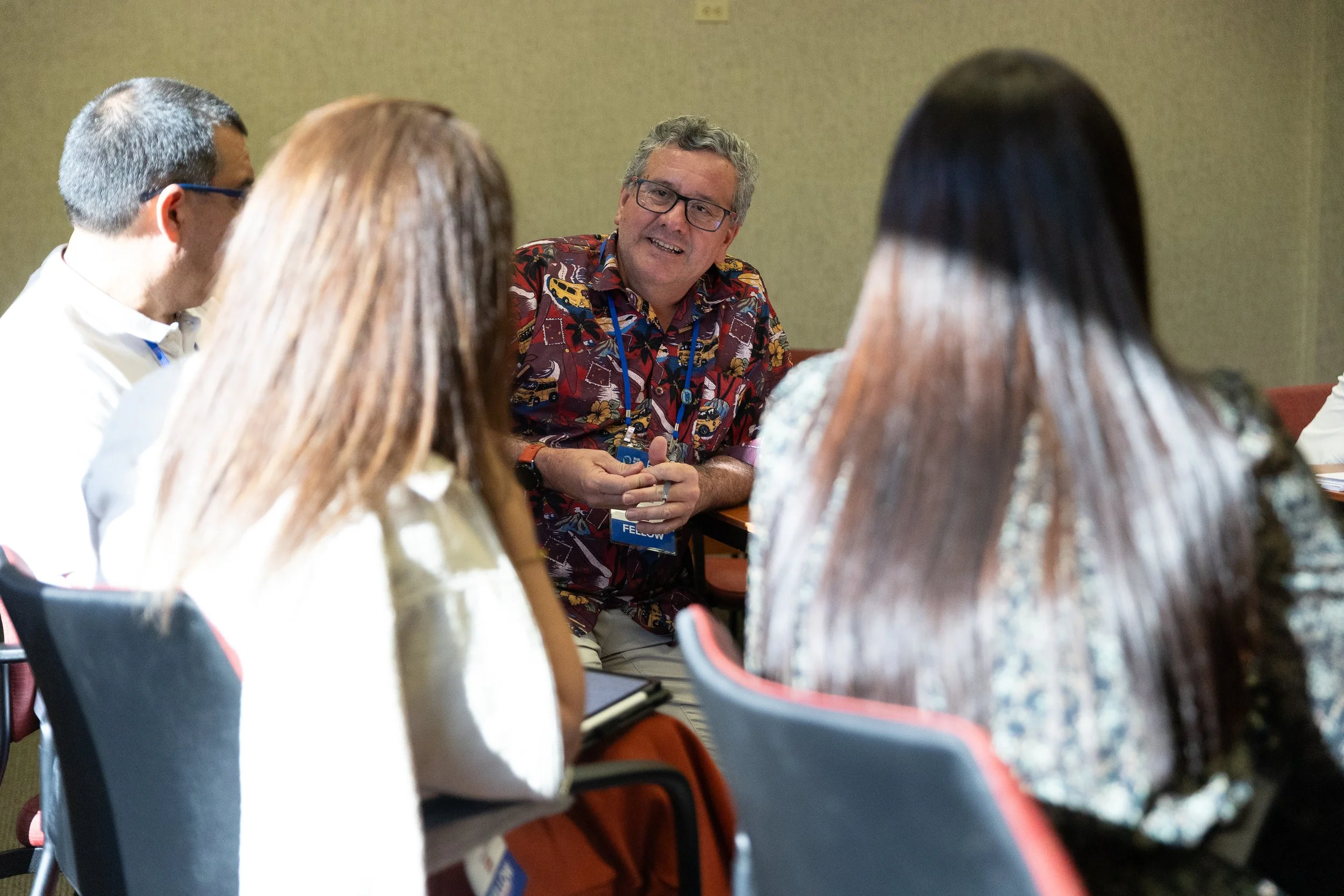
The day's official program concluded with a dedicated Breakout Session: Discussion & Formulation, where Fellows synthesized the day's dense content on financing, regulation, and modeling. This time was crucial for the teams to apply the week's learnings and refine the strategic plans they will present on the final day.
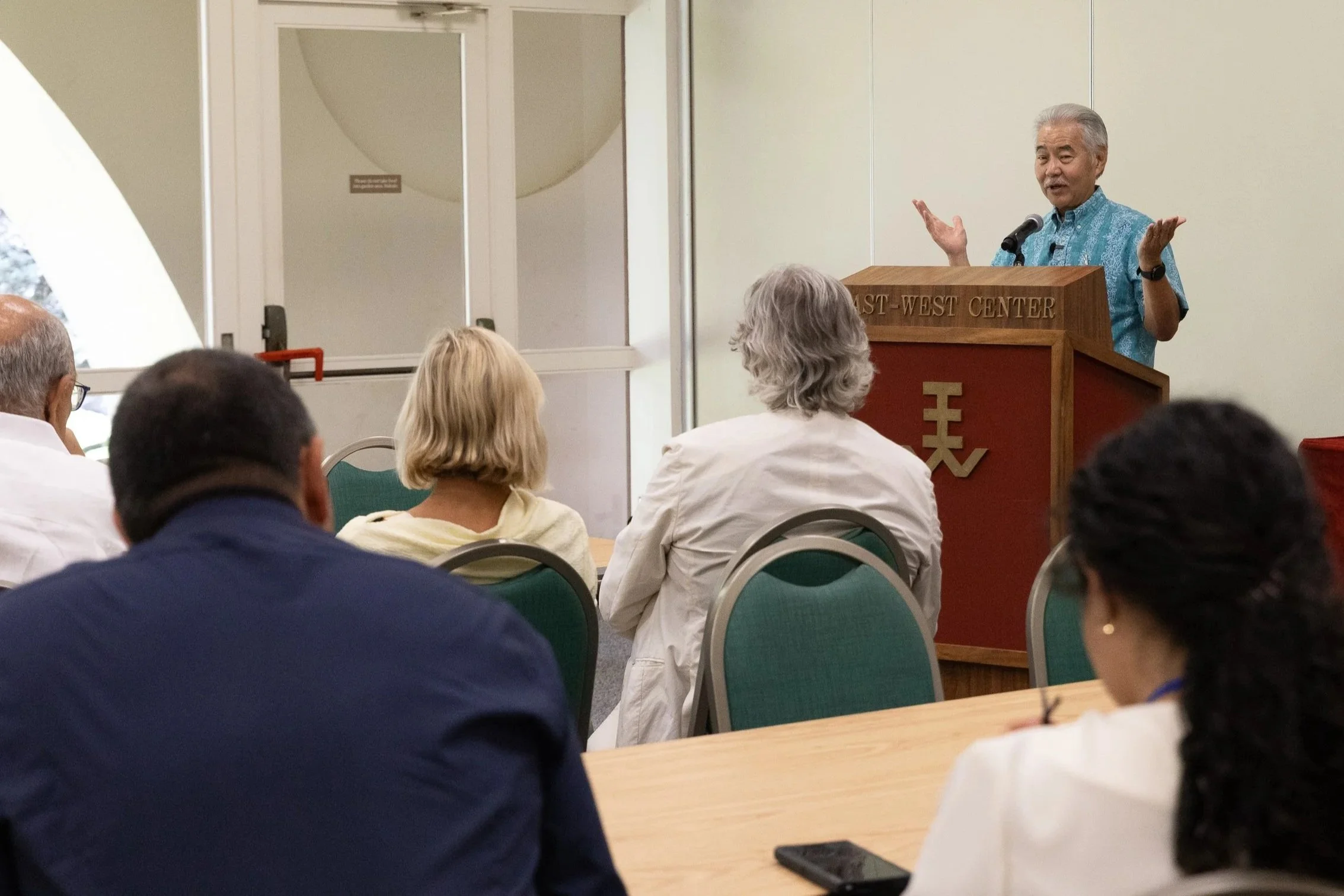
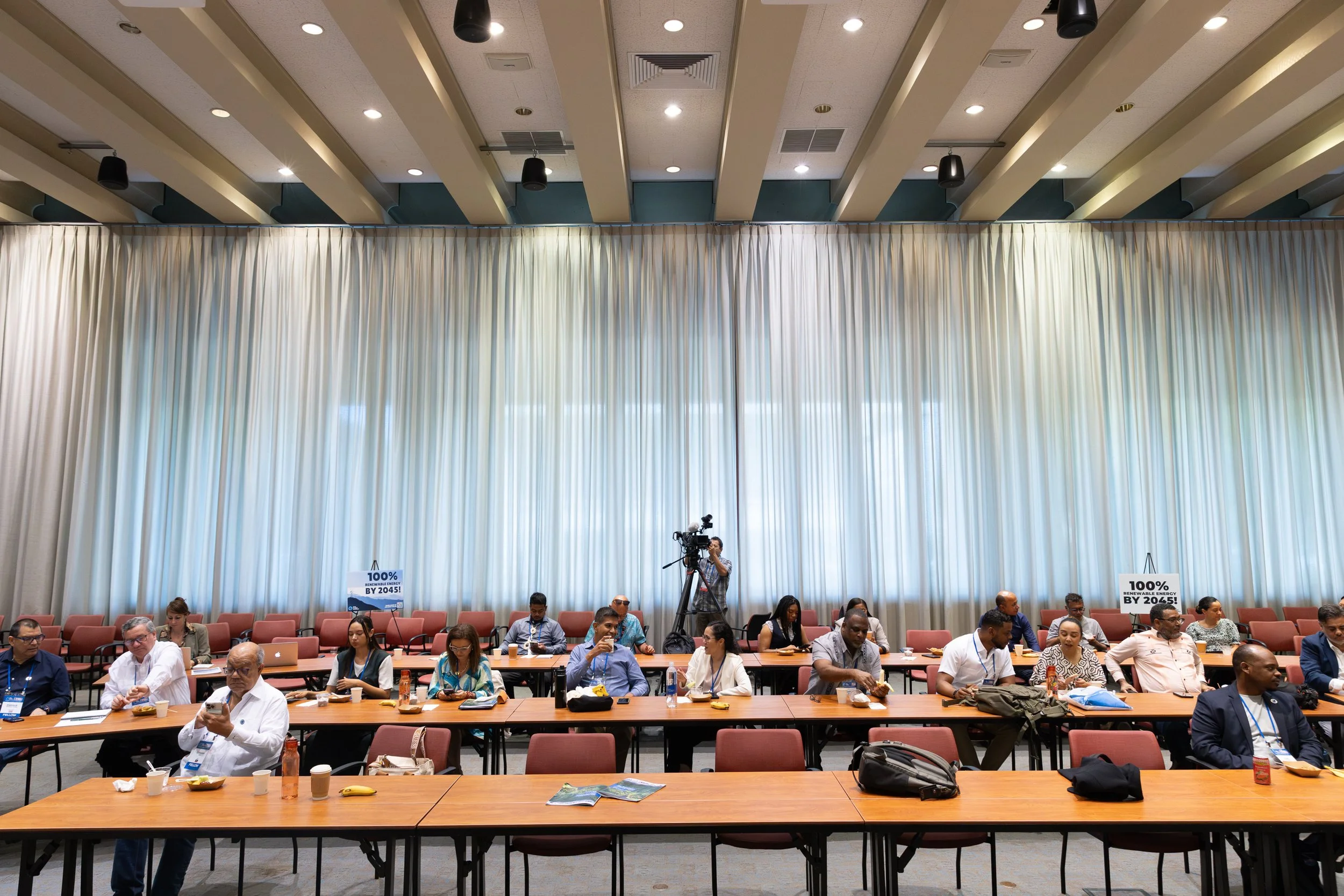
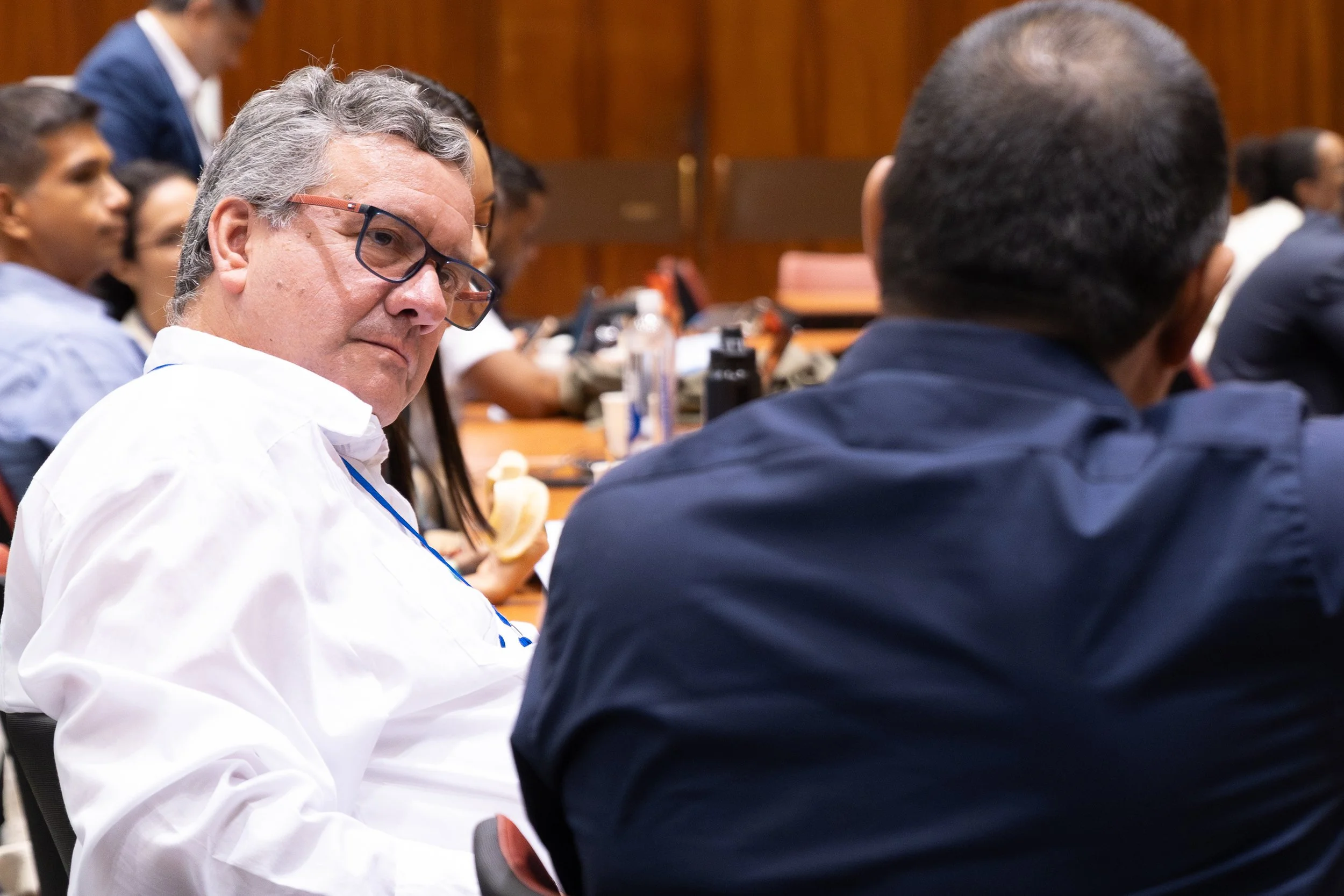
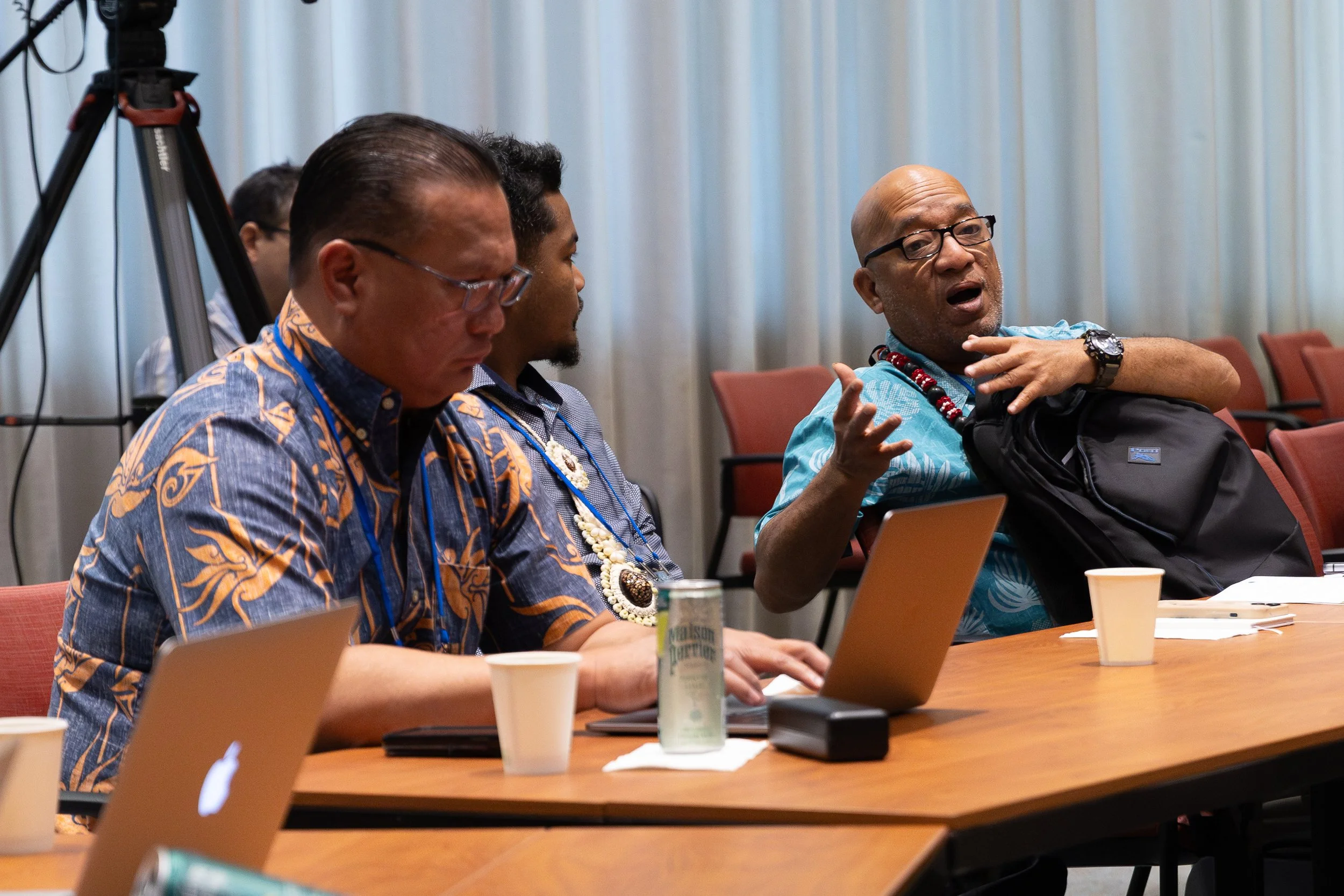
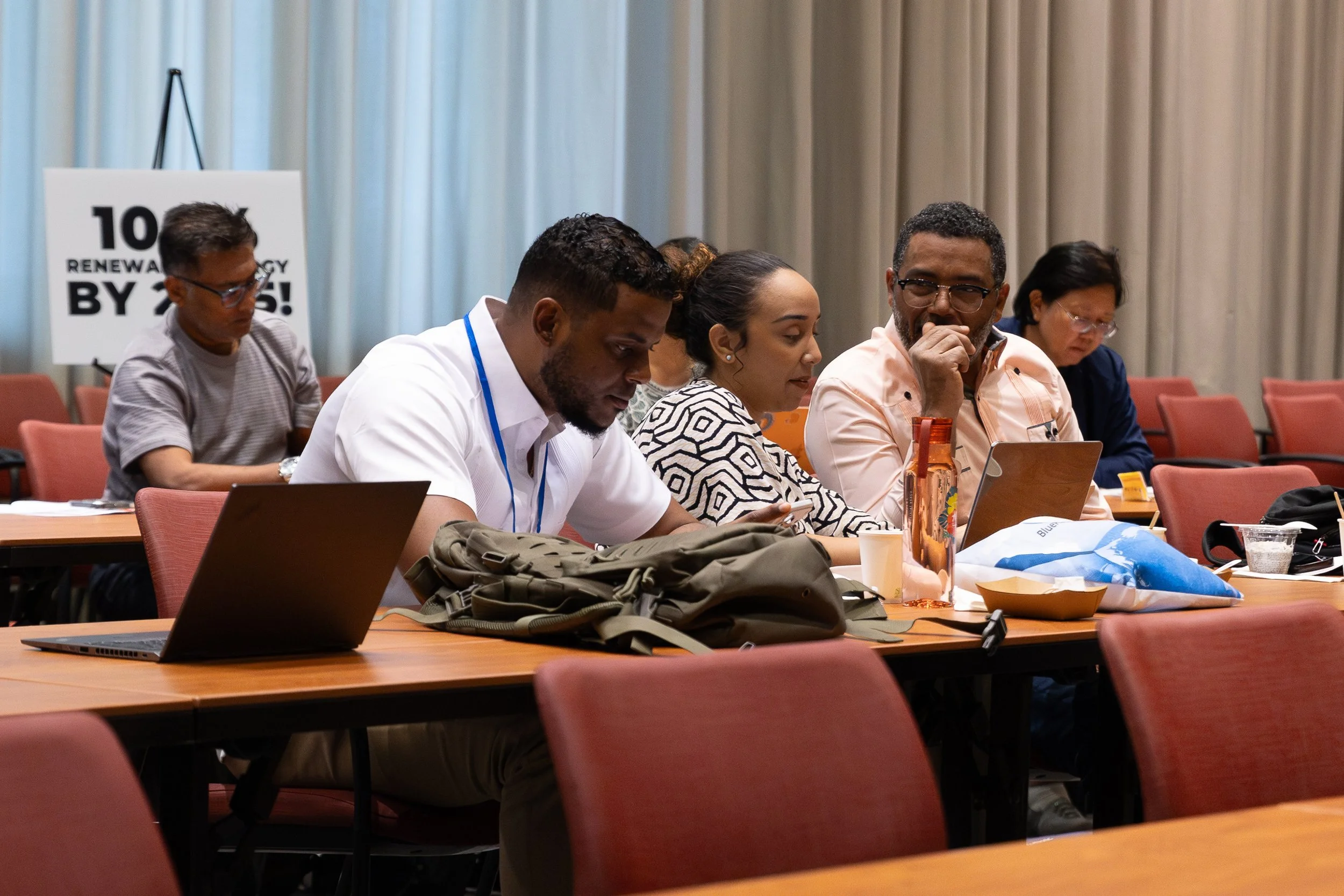
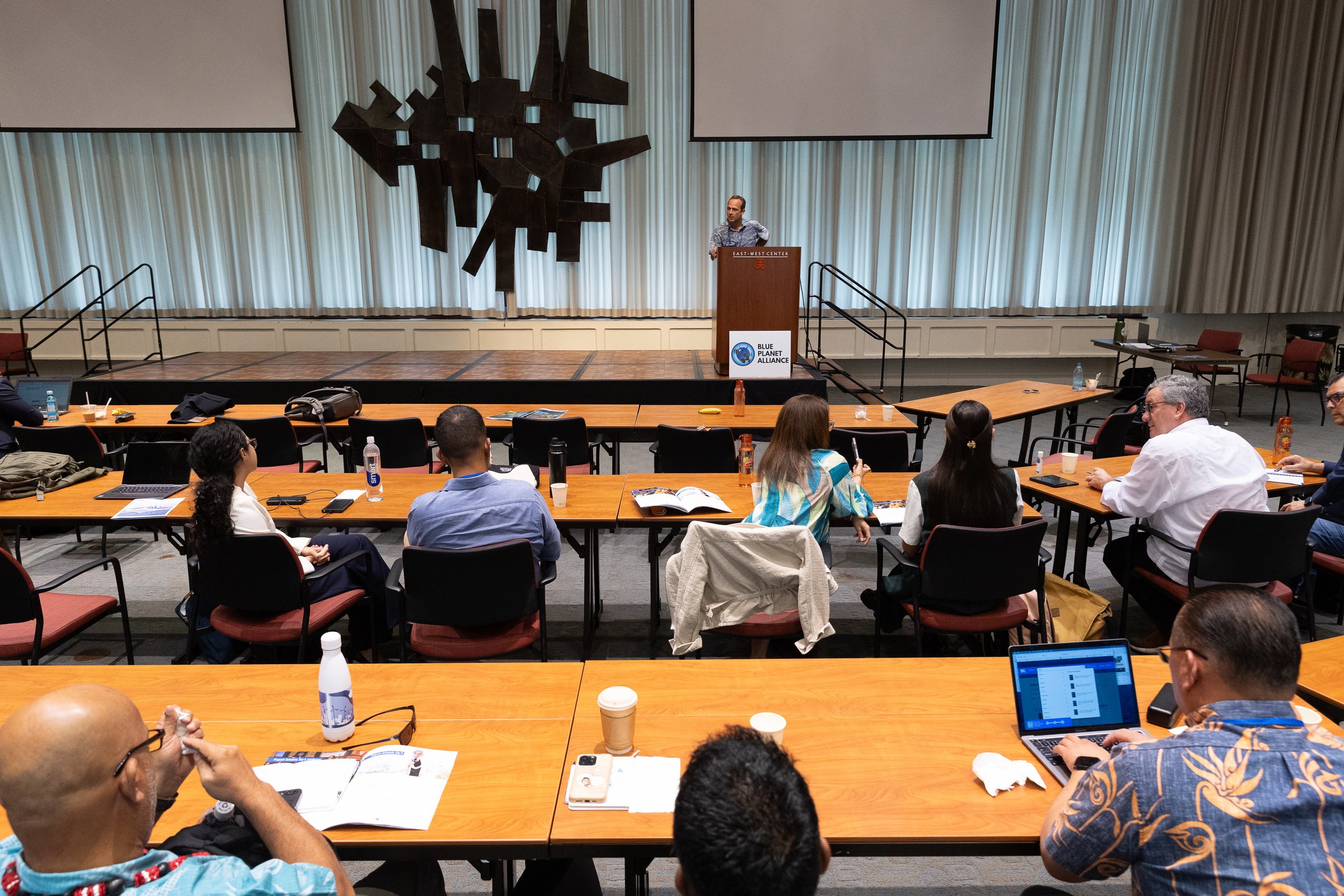
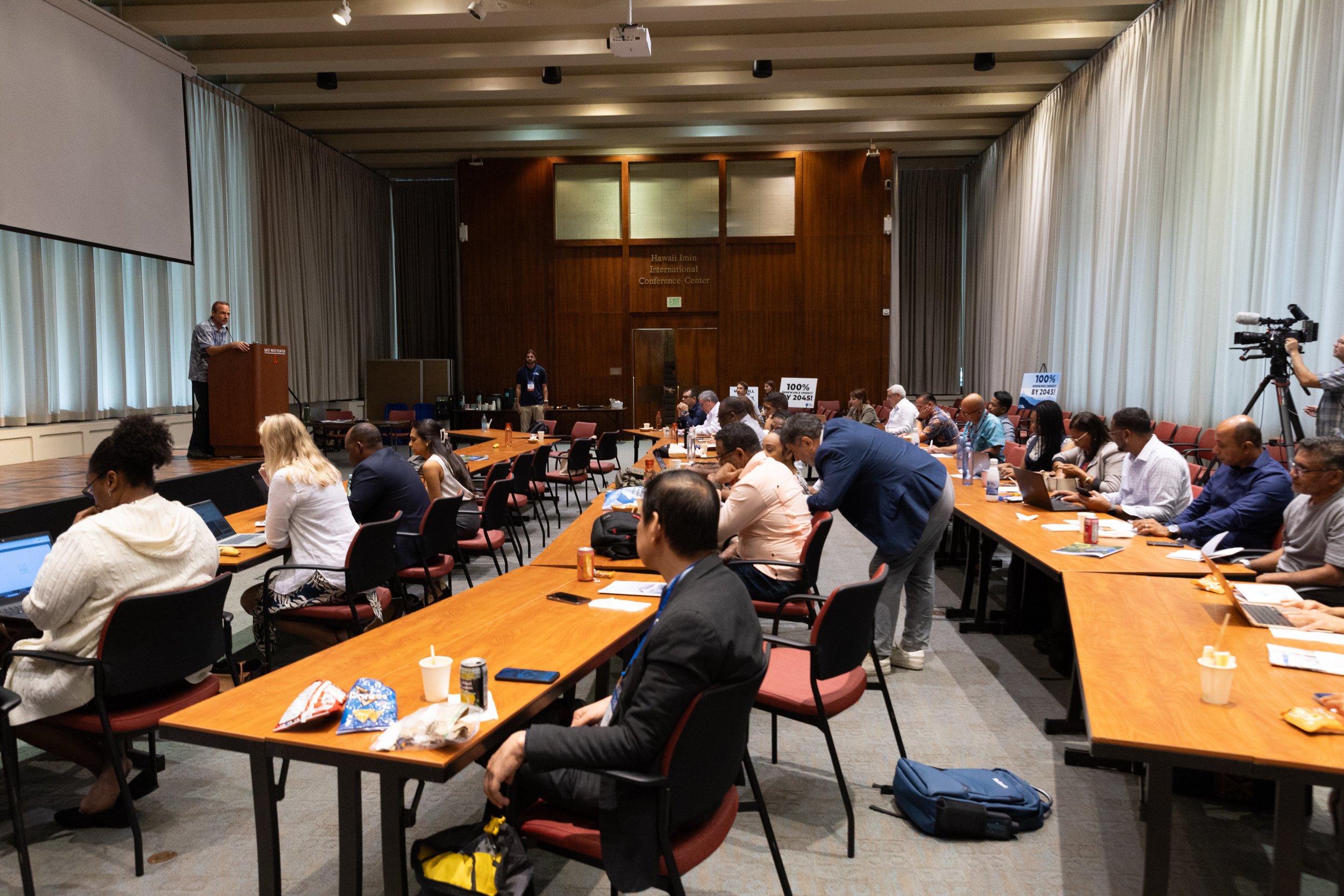
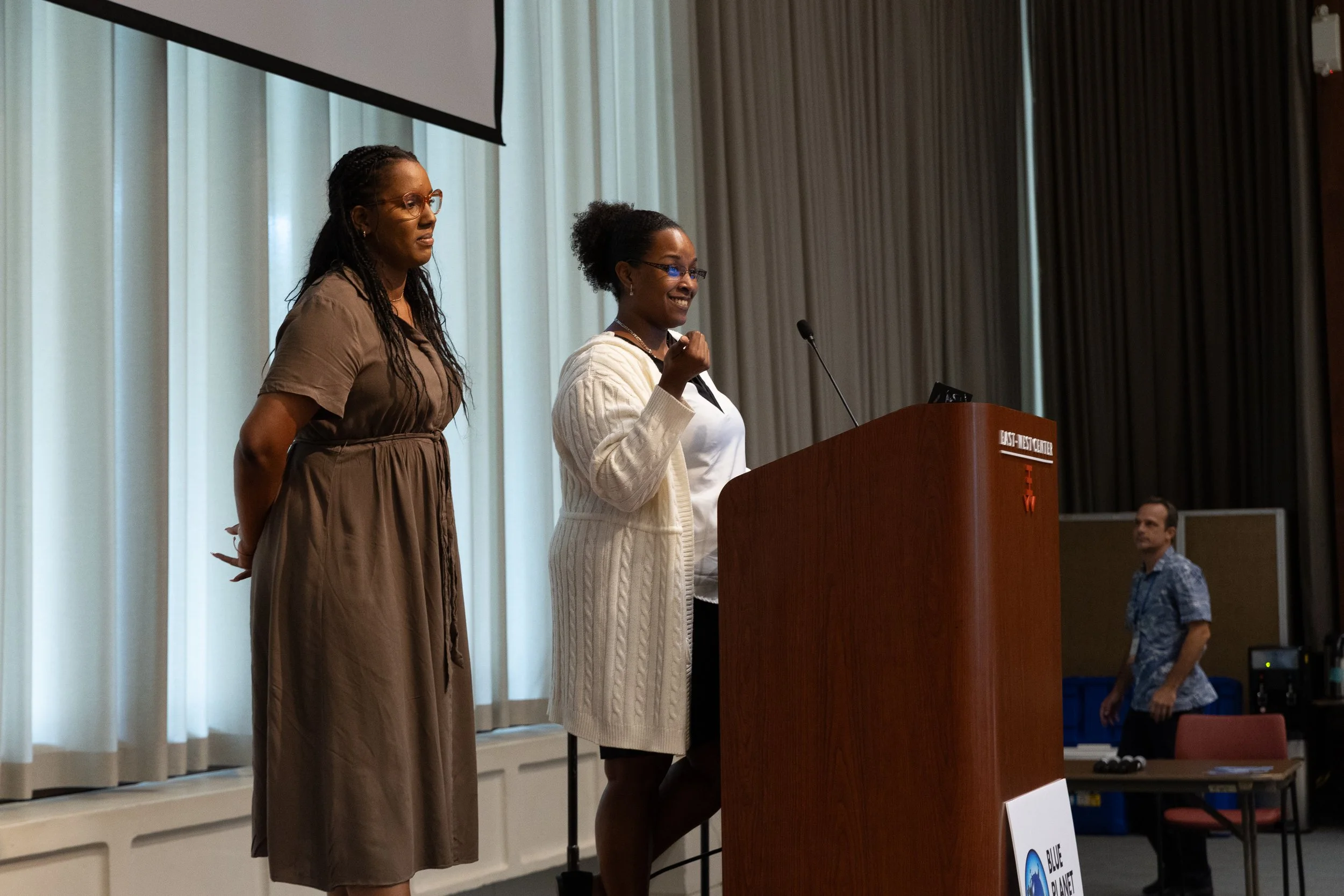
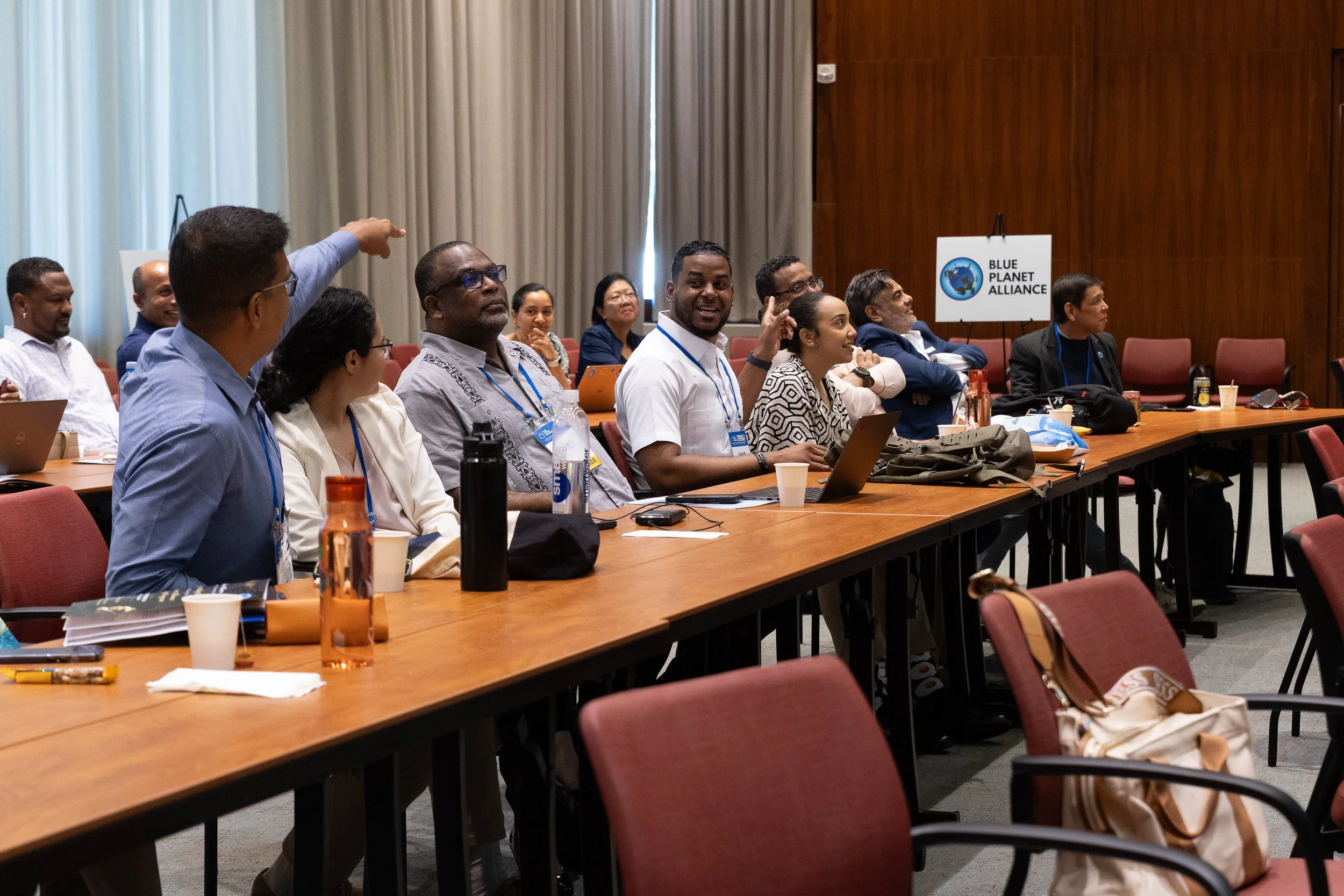
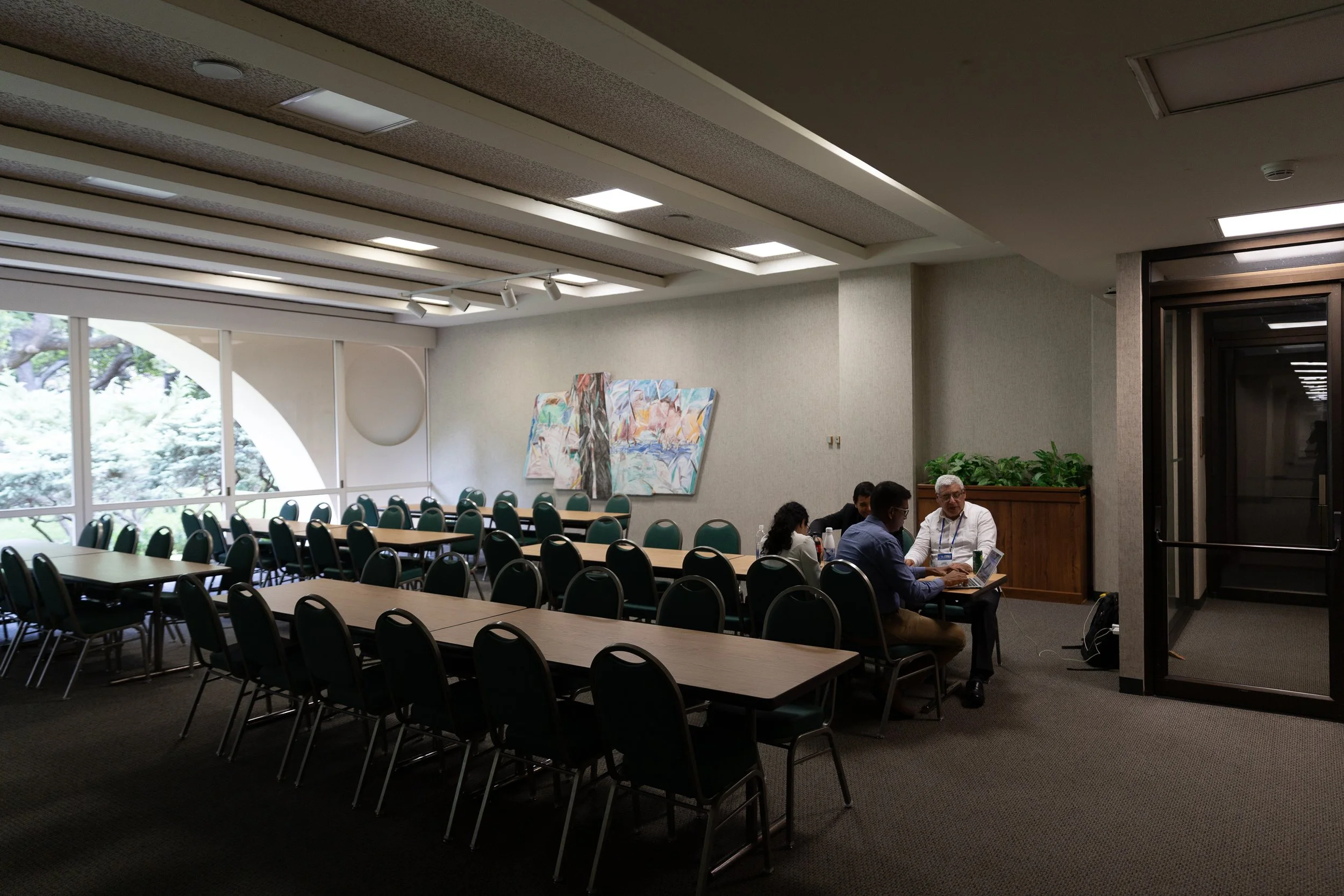
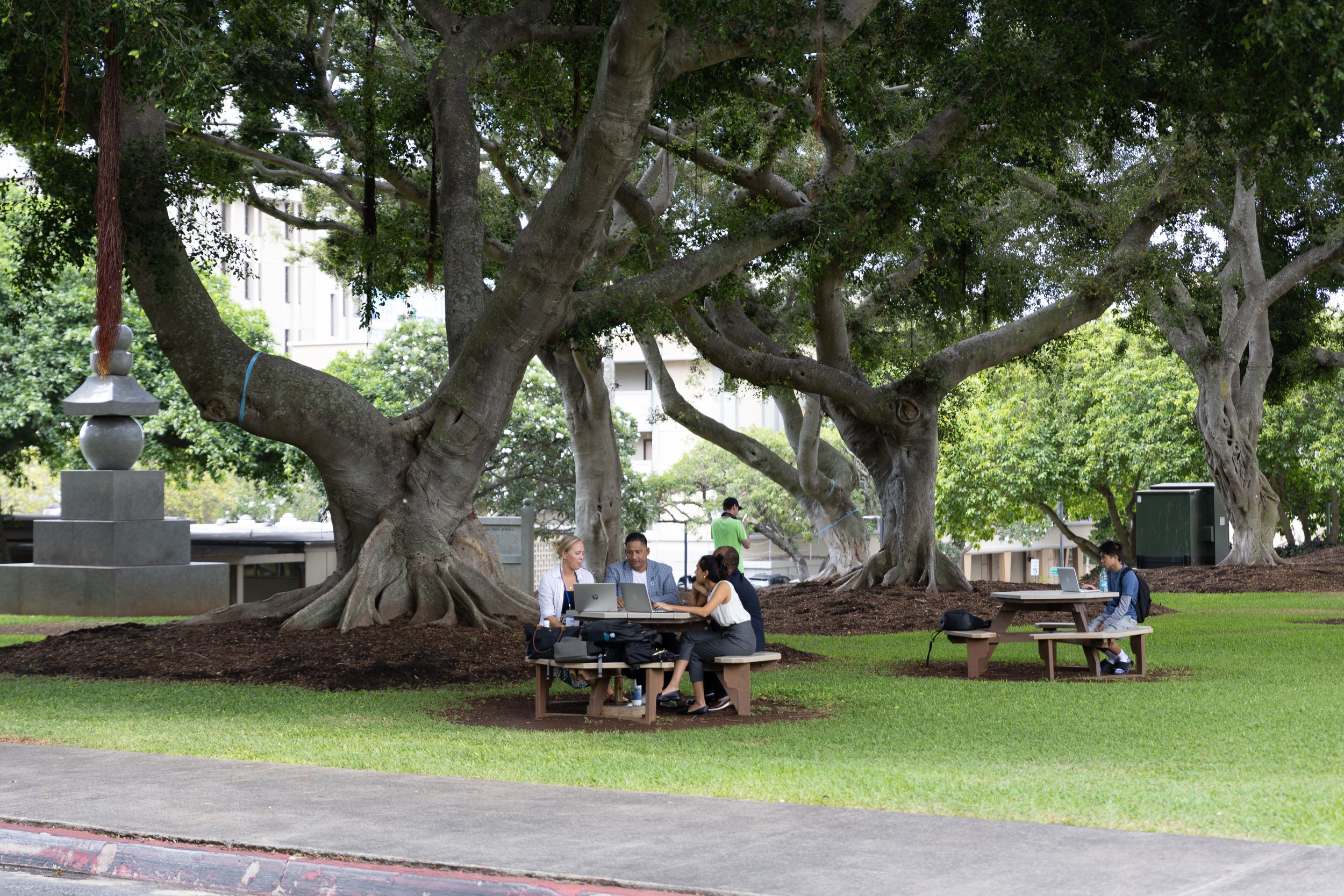
Day 5 marked the culmination of the Fellowship Cohort 5's intensive week, dedicated entirely to synthesizing the week's learning into actionable, high-impact strategies. The focus was on refining the Fellows' island energy transition plans, presenting their final roadmaps, and celebrating their achievements.
Morning & Midday: Strategy and Vision
After a light breakfast and networking, the final working session began.
The session established a clear focus with AIMEE BARNES, Founder and CEO of Hua Nani Partners, discussing the ambitious Goal of Ideation: 100x100 Campaign. This objective drove the morning's efforts, challenging the Fellows to think about achieving 100% renewable energy in 100 jurisdictions.
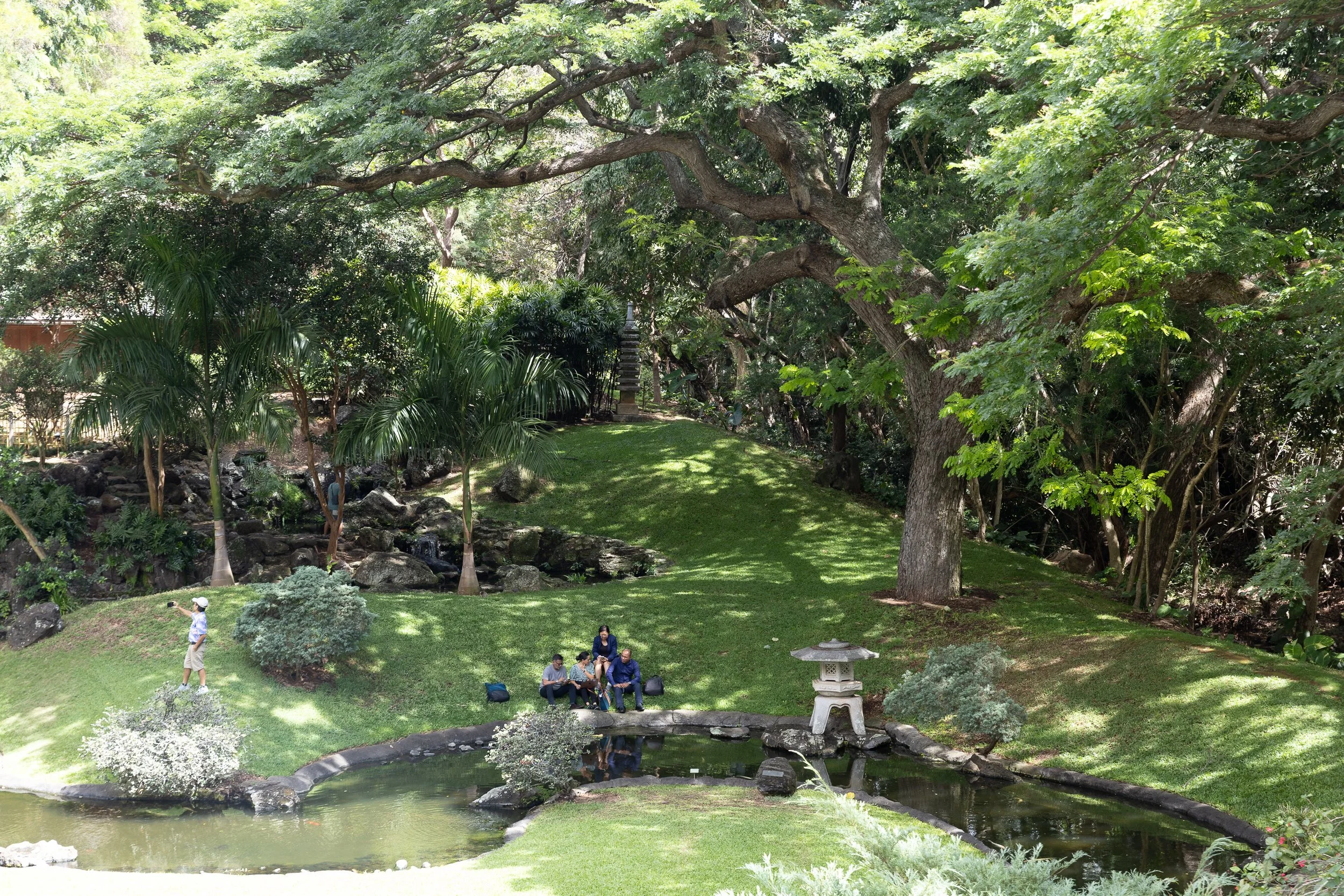
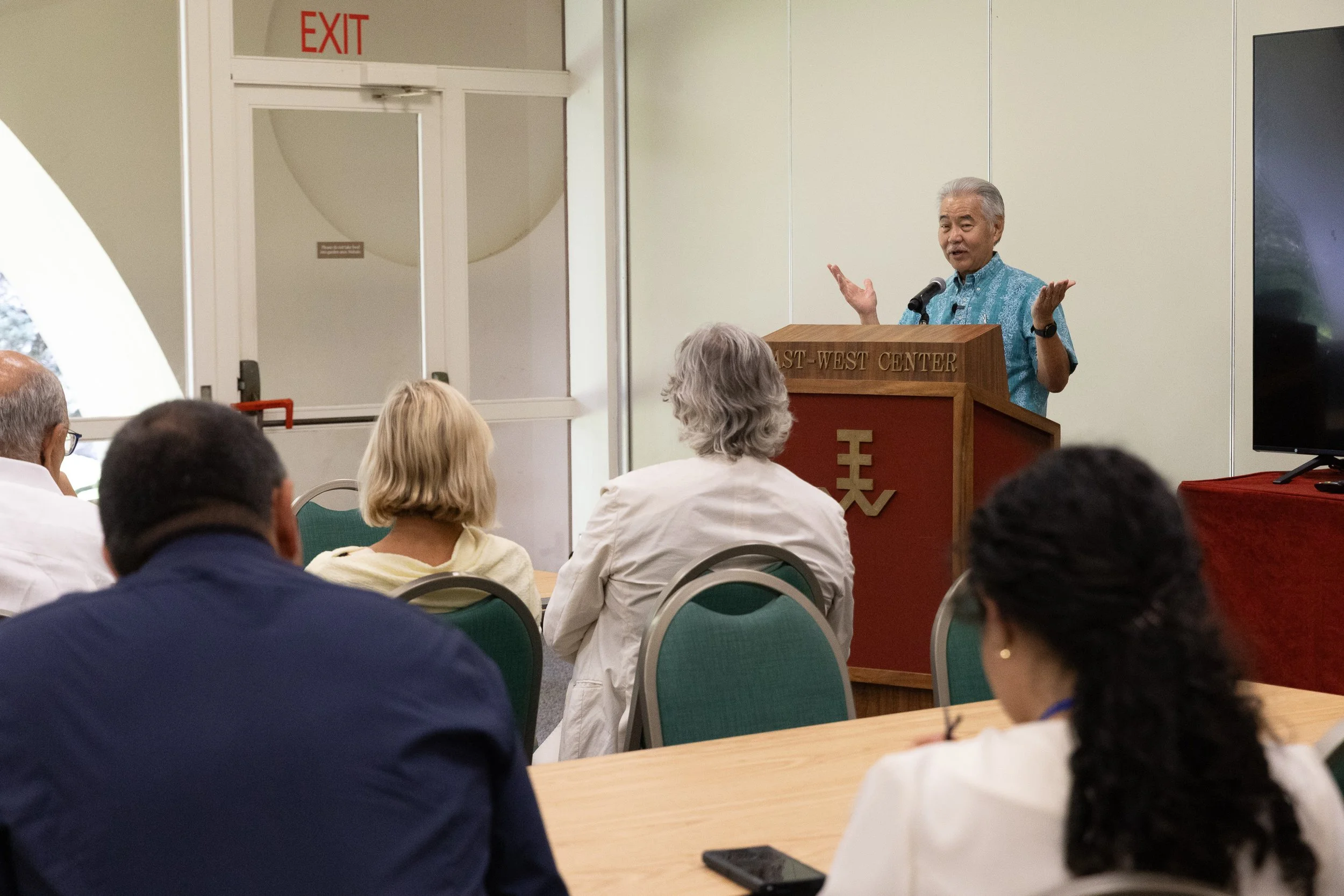
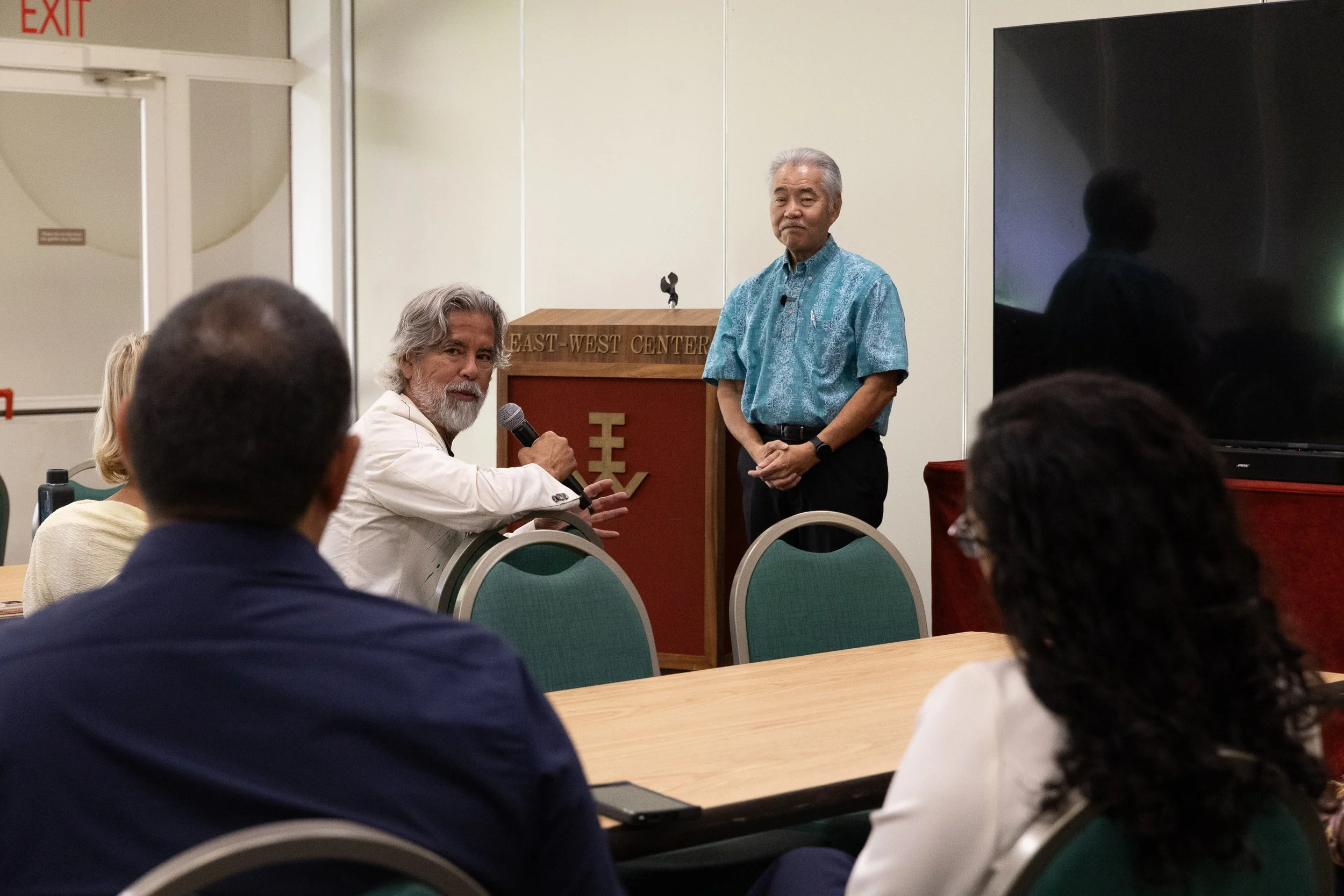
The Fellows then dove into Workshop, Part 1: “Strategic Team Discussions,” utilizing the East-West Center campus to finalize concepts. The cohort then gathered for Lunch with a distinguished Guest Speaker: GOVERNOR DAVID IGE, Former Governor of the State of Hawaii. Governor Ige, who was responsible for enacting Act 97, Hawaii’s law mandating 100% renewable energy by 2045, shared invaluable perspectives on the political commitment required to enact and sustain a 100% renewable energy mandate.
The afternoon immediately transitioned back into focused preparation with Workshop, Part 2: “Ideation and Formulation of Island Energy Transition Plans,” where teams concentrated on crafting their final strategy proposals and preparing visuals.
The capstone of the week was Workshop, Part 3: “Island Presentations: Roadmap to 100% Renewable Energy.” This was the moment the Fellows showcased their strategic pathways, demonstrating the application of the week's policy, finance, and technical knowledge.
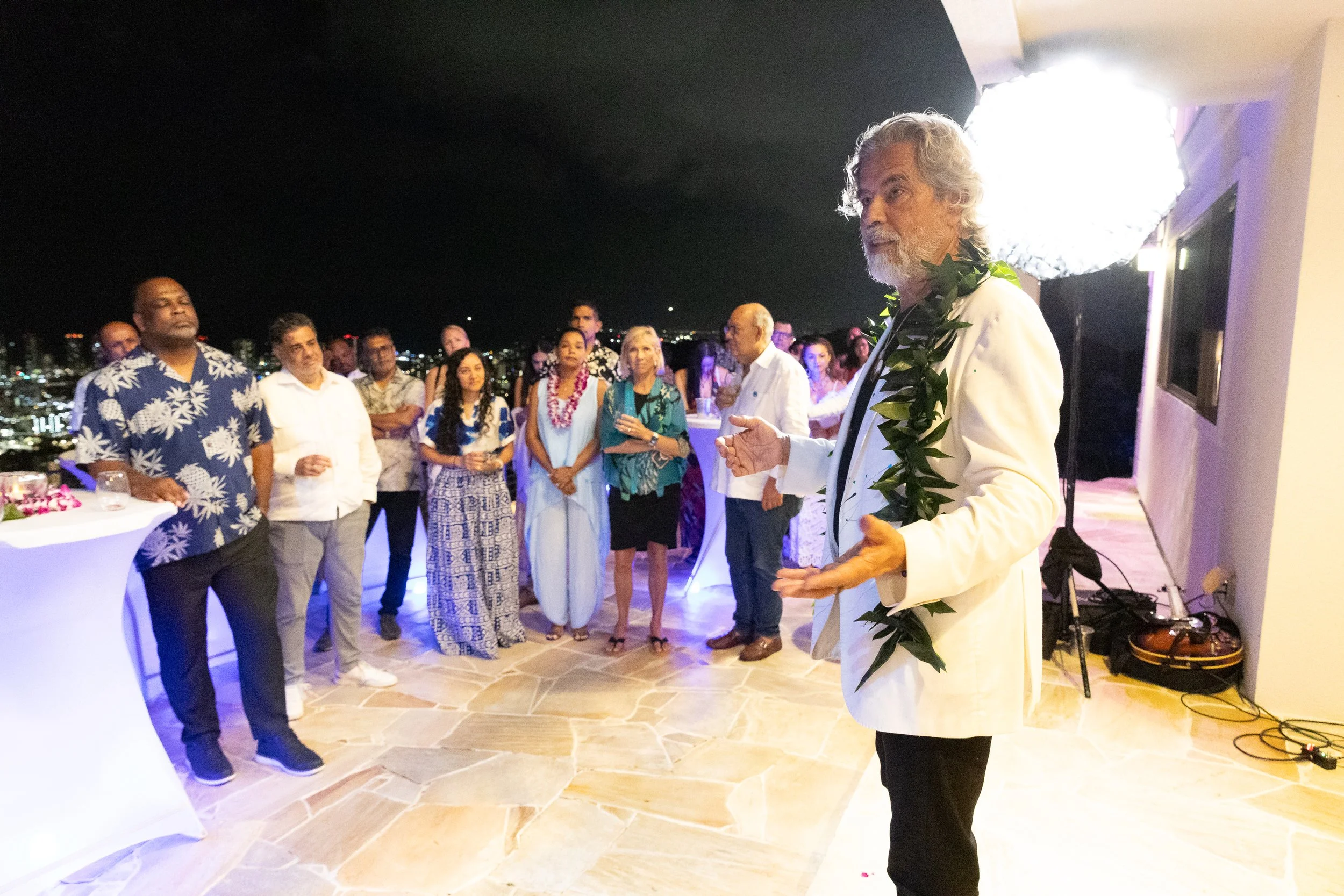
The intensive week concluded on a high note with a celebratory farewell reception. This event provided a final opportunity for networking and reflection, allowing the Fellows and partners to celebrate the strategies developed and the lasting connections forged over the course of the transformative fellowship.
During the reception we welcomed nine new MOU partners, as well as commitments by the countries of Anguilla and Dominican Republic to achieving a 100% renewable energy future by 2045. By signing the monumental Blue Planet Climate Agreement, both nations were officially named Alliance members, and vowed to help support and promote the 100% energy transition plan to the rest of the world.
Join the Movement
Cohort 5 proved that while our islands may be separated by oceans, our challenges—and our solutions—are shared. We are already preparing for Cohort 6 and the continued rollout of the 100x100 Campaign.
The Blue Planet Alliance Fellowship Program brings representatives from island nations and territories to Hawai‘i twice a year for an intensive, week-long workshop designed to support islands in developing actionable pathways to achieve 100% renewable energy. Since launching the Fellowship in 2023, we have welcomed representatives from 45 islands and territories to Hawai‘i.
Stay connected: Follow us for updates on the fellows' progress and upcoming application dates!