By Rigoberto Amaya, Blue Planet Alliance Global Youth Ambassador
Overview
The Global Sustainable Islands Summit (GSIS) 2026 brought together policymakers, engineers, researchers, and island practitioners in Gran Canaria to address the most pressing challenges facing island sustainability. Energy was the dominant thread. Over three days, the summit moved from hands-on technology demonstrations to high-level policy discussions, covering everything from green hydrogen production to marine renewable energy, grid modernization, and the financing gaps that keep proven solutions from reaching the places that need them most.
This summary captures the key moments, takeaways, and connections from my participation as a BPA Global Youth Ambassador, and outlines what I believe matters most for BPA's work moving forward.
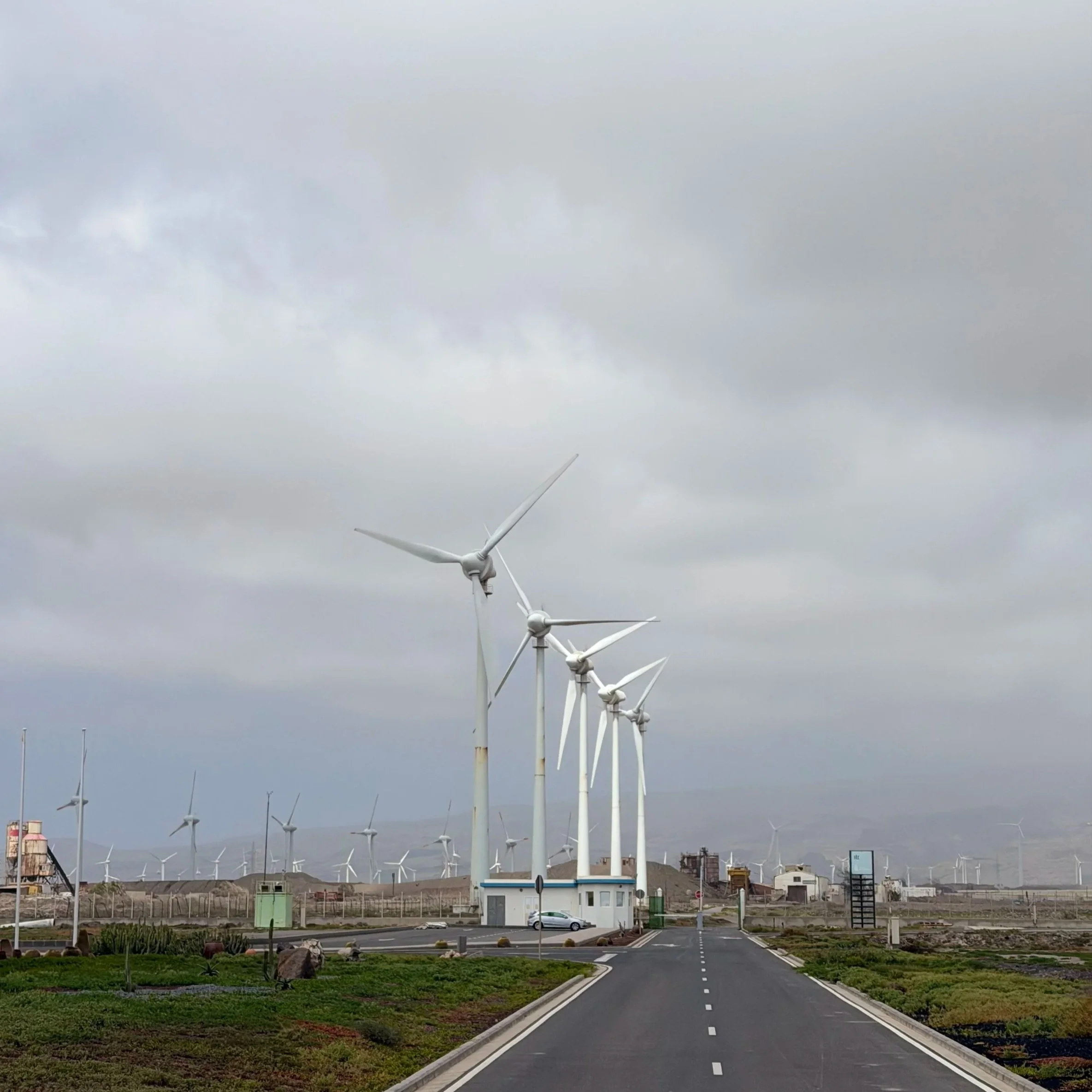
Day 1: ITC Site visit and the Biogreenfinery
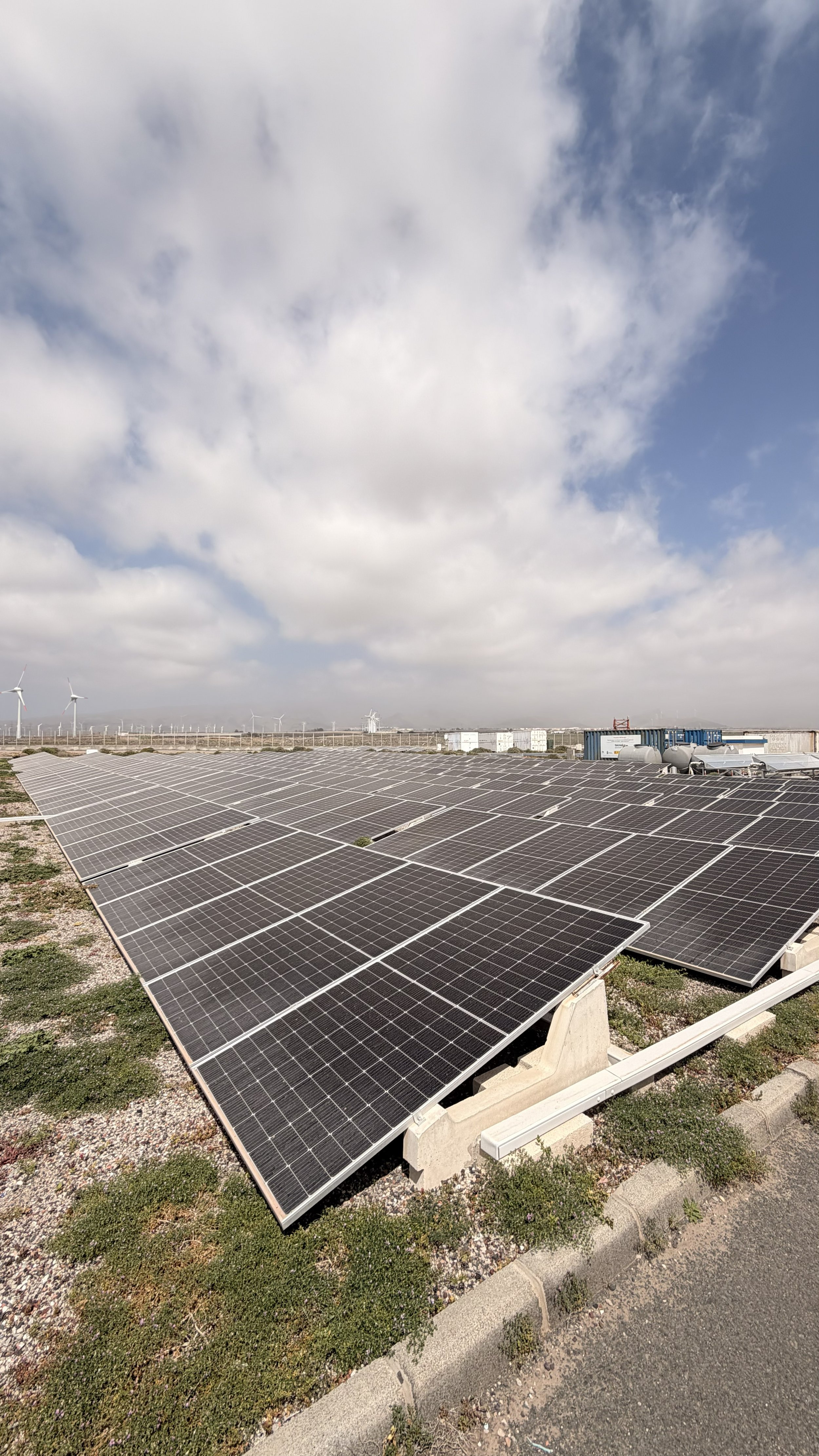
The summit opened with a site visit to the Instituto Tecnológico de Canarias (ITC) in Pozo Izquierdo. I've spent years reading about renewable energy technologies in textbooks and technical papers. Walking through the ITC campus was the first time I saw all of them working together, in sync, as a single closed-loop system. It felt like science fiction brought to life.
The facility operates its own microgrid, powered by solar and wind with battery storage and a biodiesel backup generator. Seawater is pulled from the ocean and desalinated on-site using what ITC says is the most efficient desalination plant in the world. That desalinated water feeds a PEM electrolyzer to produce green hydrogen. The hydrogen feeds a Haber-Bosch reactor to produce green ammonia, which can be further processed into synthetic fuels for cargo shipping. Used cooking oil collected locally is converted into biodiesel through transesterification, with the glycerin byproduct looped back into methanol production. The whole system runs off-grid.
What struck me most was not any single technology. It was seeing them operate in harmony: generation, storage, water treatment, electrolysis, chemical synthesis, and fuel production all coordinated within one facility on a small island with no mainland grid connection. The 2024 EU REGIOSTARS Award was well earned.
ITC's mission is worth emphasizing. They are not trying to invent new technology. Their purpose is to prove that existing technologies work at scale, incubate early-stage solutions, and prepare them for commercial deployment. They offer ready-to-use infrastructure for startups and research teams that need real-world testing environments. That model, a public institution that de-risks technology for the private sector, is something I think BPA should study closely. It represents exactly the kind of institutional architecture many islands will need moving forward.
Sessions: Plenary and the Blue Horizons panel
The conference sessions opened with the main plenary. Sitting in that room, surrounded by people working on the same problems from different angles and different islands, was energizing. It confirmed something I've felt since joining BPA: this work is not niche. The challenges facing island energy systems are shared across geographies, and the people working on them are ready to collaborate.
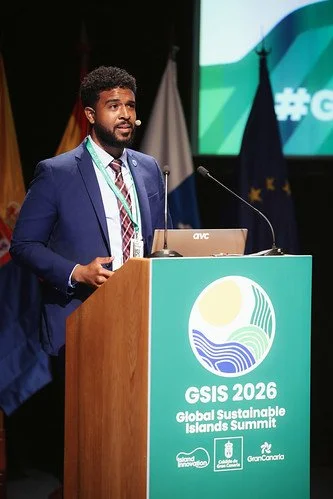
That afternoon, I moderated the Blue Horizons panel on integrating wave, tidal, and offshore wind energy. This was outside my comfort zone. Leading a high level discussion on marine renewables was new territory for me. Preparing for the panel pushed me to do a crash course on supply chain, from R&D to deployment, and to understand where the technology stands today so I could guide the conversation effectively.
The panelists brought perspectives from across Europe and the Caribbean, covering everything from the Net Zero Center in Scotland to the practical challenges of permitting offshore installations in multi-use marine spaces. The discussion confirmed that marine energy technology is advancing rapidly, but deployment remains constrained by the same institutional and financial barriers we see across all renewable energy in island contexts.
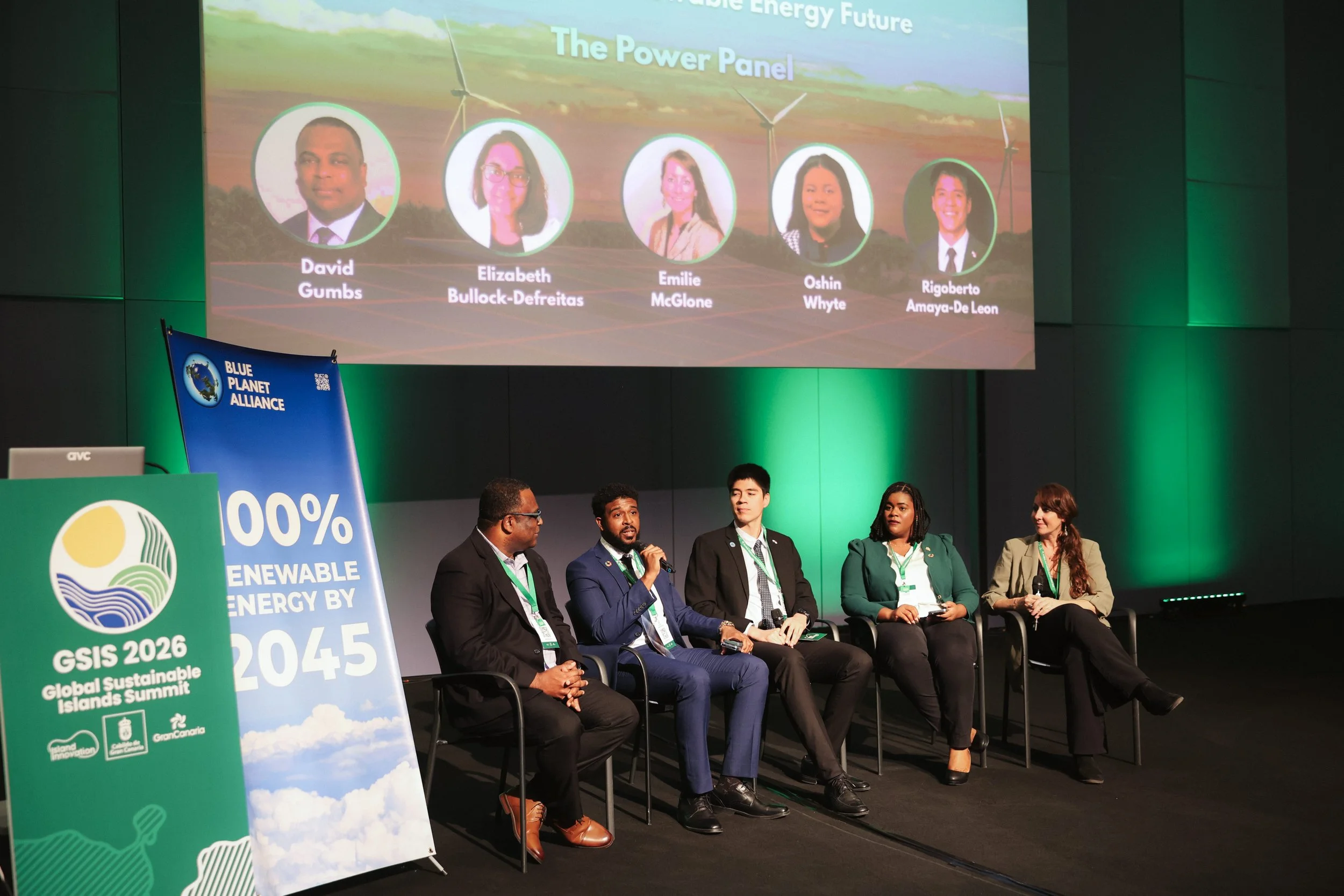
BPA Panel and Breakout Session
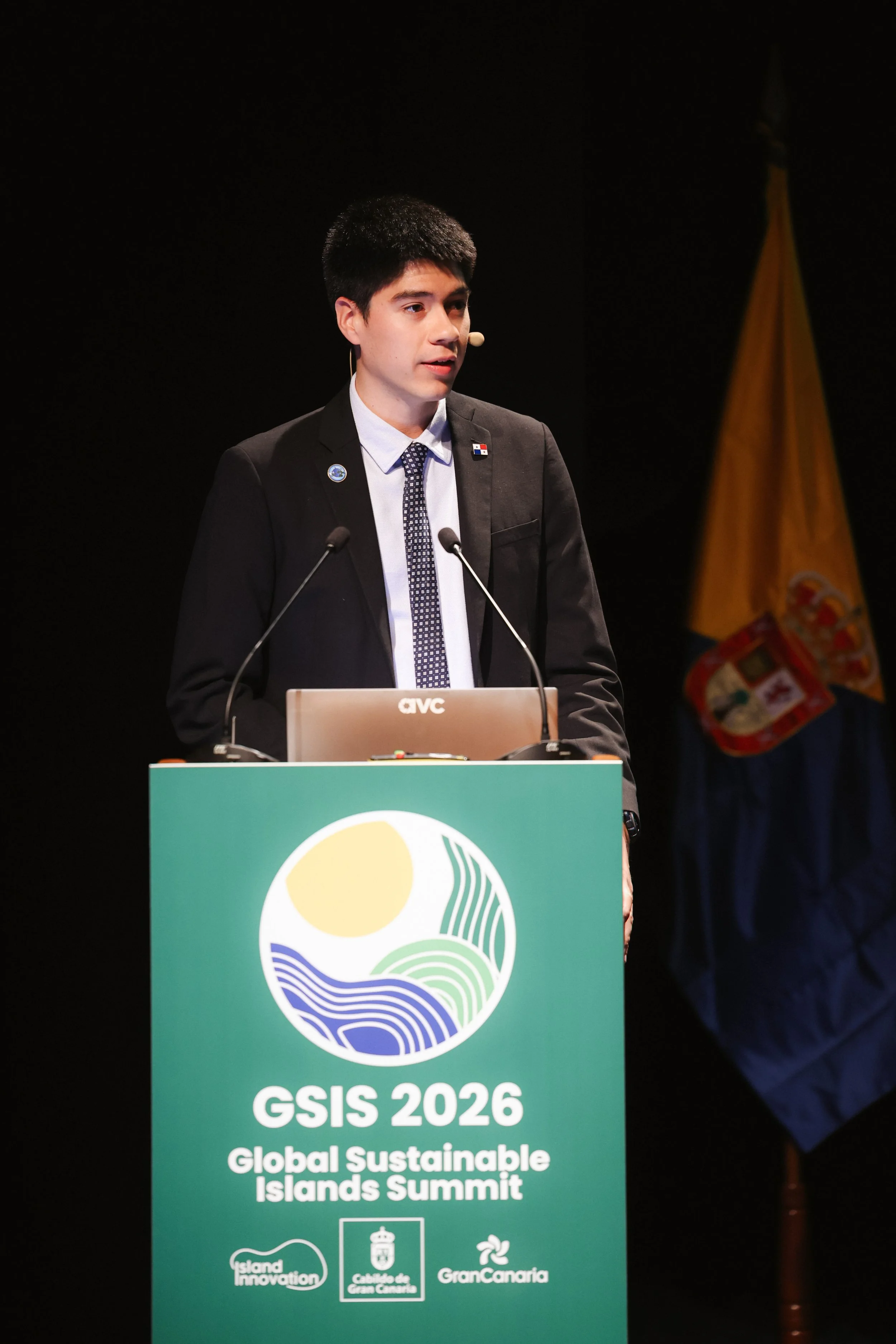
BPA ran a dedicated panel and breakout session. After participating in the panel and sharing my perspective on government commitments and youth capacity building, I co-moderated the breakout alongside David Gumbs, Kneyone Murray, and Emilie McGlone. Three working groups, representing twelve island nations and territories, addressed structured questions on barriers, opportunities, workforce readiness, and policy reform.
The full proceedings are documented in a separate detailed report. The headline findings: fossil fuel dependency and fuel cost pass-through remain the most urgent structural barriers. Outdated regulatory frameworks (some dating to the 1990s) and institutional friction between utilities and governments compound every other challenge. But concrete opportunities exist. Grenada is advancing geothermal with CDB and UK FCDO backing. Turks and Caicos has a structured energy transition roadmap. Mauritius has committed over a billion dollars toward its 2030 renewable target.
The session's most actionable output was a set of recommendations to inform BPA's internal strategy, which can then be directed at governments, regulators, and development finance institutions, with BPA positioned as a supporting and convening partner. The Fellowship Program was identified as BPA's strongest existing tool for the cross-jurisdictional knowledge exchange that participants repeatedly called for.
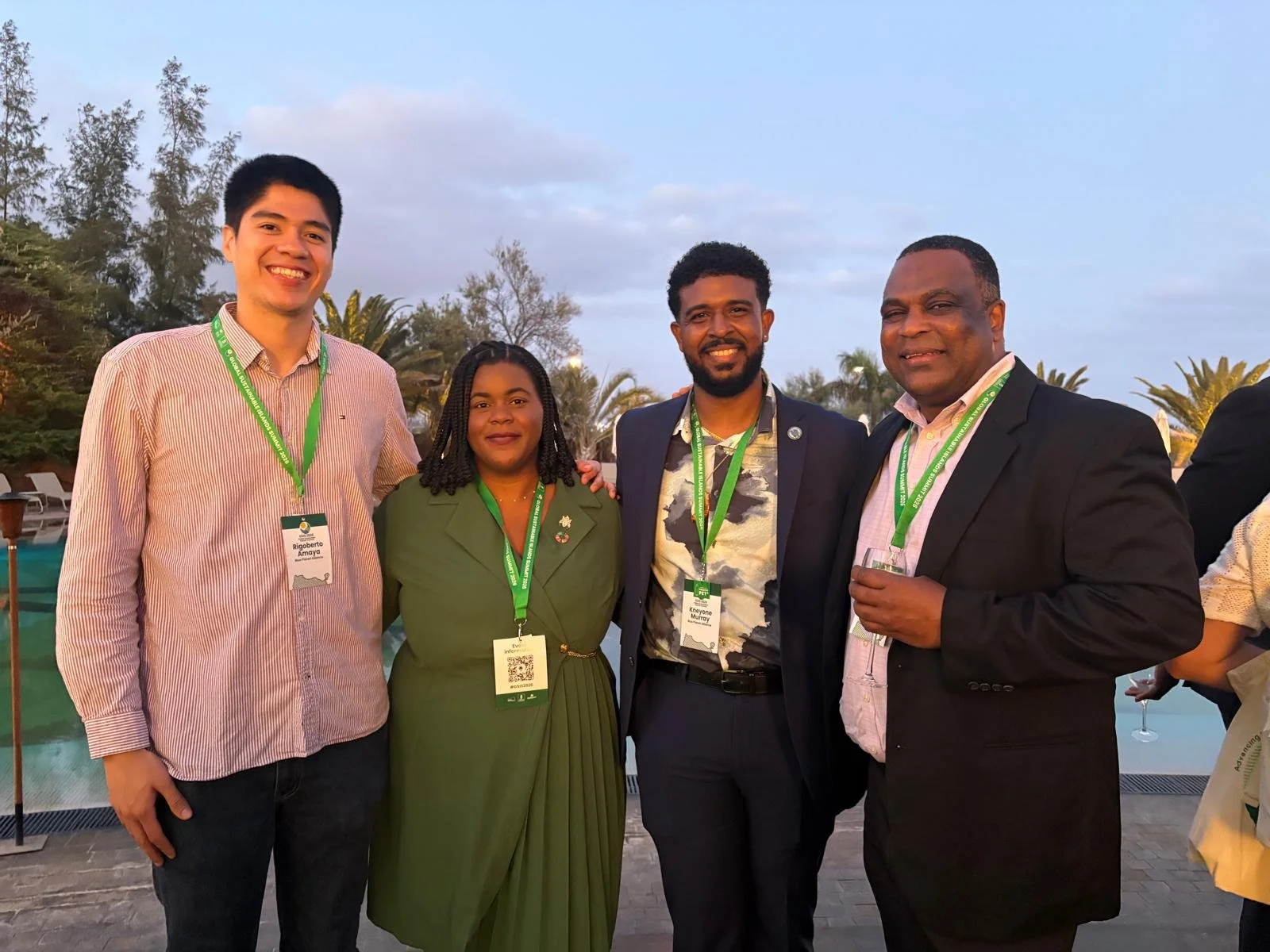
Connections and Follow-Up
Beyond the formal sessions, the summit was an opportunity to build relationships with people and organizations working across the island energy space. I connected with Energy Pool, a demand-response and virtual power plant operator that works with island utilities on grid flexibility solutions, and Ricardo, an energy and environment consultancy with deep expertise across the energy transition. Energy was the predominant topic across virtually every conversation, reinforcing that for islands, the energy transition is the foundation that everything else depends on: economic resilience, climate adaptation, public health, and food security.
I'm taking these connections back to my studies at TU/e and KTH, where they directly inform my thesis direction on island energy systems. Several conversations opened doors to potential collaboration opportunities that I'm following up on individually.
Reflections and What Comes Next
Three things stand out from the summit that I think matter for BPA's direction.
First, islands are innovation laboratories. ITC proved this on Day 1. Because island energy systems are small, isolated, and visible, they compress every challenge into a space where solutions can be tested, measured, and refined faster than on mainland grids. What works on an island can be adapted for mainland deployment. That makes island innovation globally relevant, not just locally relevant.
Second, mainland grids need what islands are building. As extreme weather events become more frequent, mainland power grids face increasing risk of large-scale failure. The microgrid architecture that islands are developing out of necessity, self-contained generation, storage, and distribution systems that can operate independently, is exactly what mainland communities need for climate resilience. Hurricane seasons, heat waves, ice storms, wildfires: these events expose the fragility of centralized grid infrastructure. Island-style microgrid development offers a proven model for building resilient energy communities anywhere.
Third, the EU is already moving in this direction. The European Union's Clean Energy Package introduced the concept of Citizen Energy Communities (CECs) and Renewable Energy Communities (RECs), regulated under Directive (EU) 2019/944 and Directive (EU) 2018/2001 (RED II). These frameworks allow groups of citizens, local businesses, and municipalities to collectively generate, store, share, and sell renewable energy. The model is essentially a formalized, regulated version of what island microgrids already do: localized energy production and consumption managed by the community itself. As EU member states transpose these directives into national law, the operational experience of island energy systems becomes directly applicable. Islands are not just beneficiaries of this regulatory shift. They are proof of concept.
GSIS 2026 confirmed that the barriers to island energy transitions are institutional and financial, not technical. The technology exists. The financing pathways are being developed. What's needed now is the regulatory will, the institutional coordination, and the sustained advocacy to turn commitments into deployments.
