
Rising Tides & Rising Leaders
2026 Peace Boat US Youth for the SDGs Program for the United Nations Ocean Decade as a Blue Planet Alliance Global Youth Ambassador
By: Wendysha Hodge, Global Youth Ambassador
There are moments in life that do not just teach you something; they shift you. They widen your world, deepen your purpose, and remind you why your voice matters. This journey from Panama to Guatemala and Mexico onboard the Peace Boat with Blue Planet Alliance (BPA) and the Youth for the SDGs program was a transformative immersion into climate action, biodiversity conservation, Indigenous knowledge, renewable energy, and ocean stewardship. As a youth coming from Anguilla, a 35-square-mile island where the sea is not just scenery but our identity, livelihood, and vulnerability, this program felt deeply personal. Every workshop, every site visit, every conversation echoed the realities of home, coastal erosion, coral bleaching, hurricane impacts, and the urgent need for youth leadership in climate resilience.
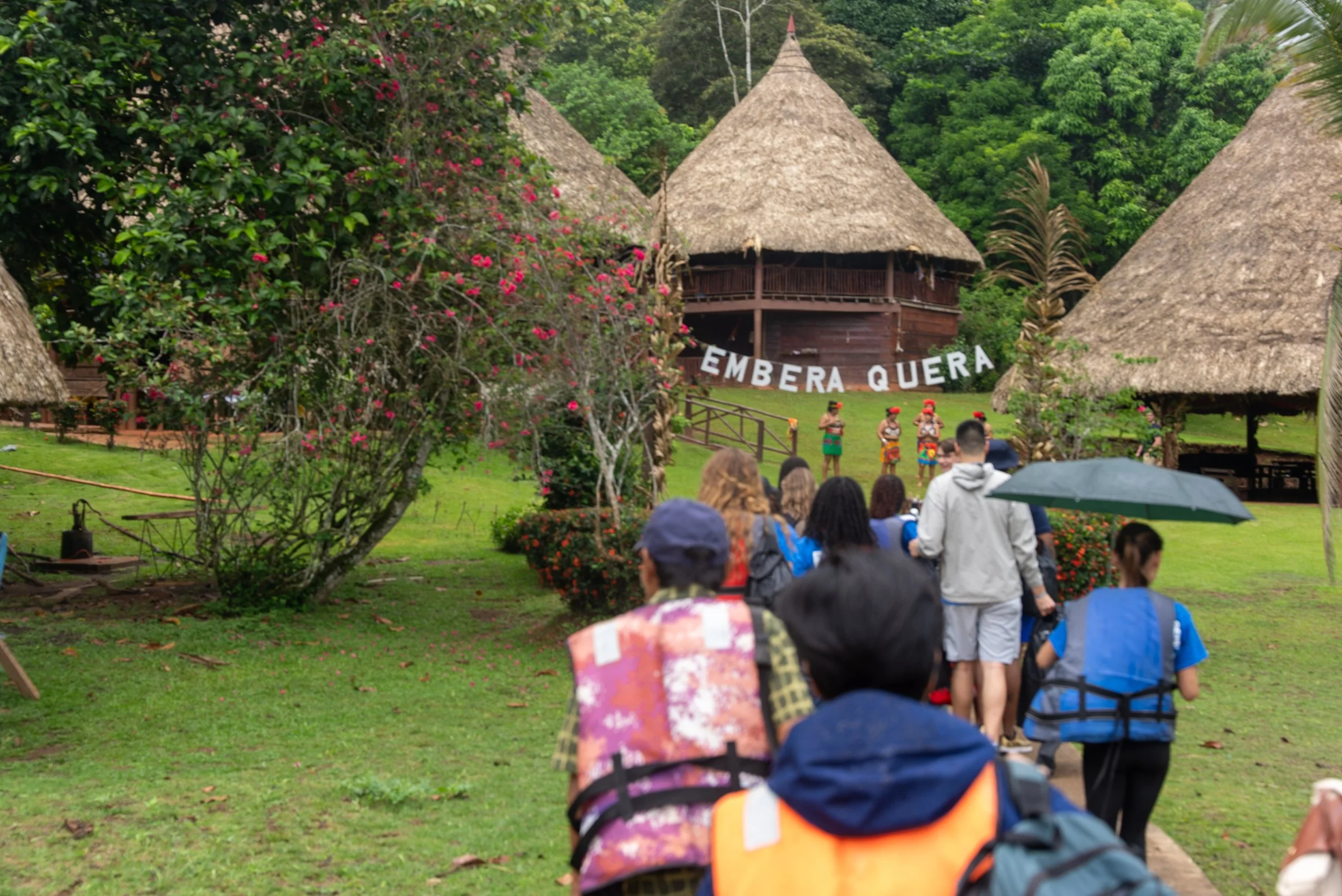
Engagements with the Embera Quera and Kuna communities were among the most impactful moments of the program. Their plant studies, cultural presentations, and community led conservation efforts demonstrated how traditional knowledge forms the backbone of sustainable development.
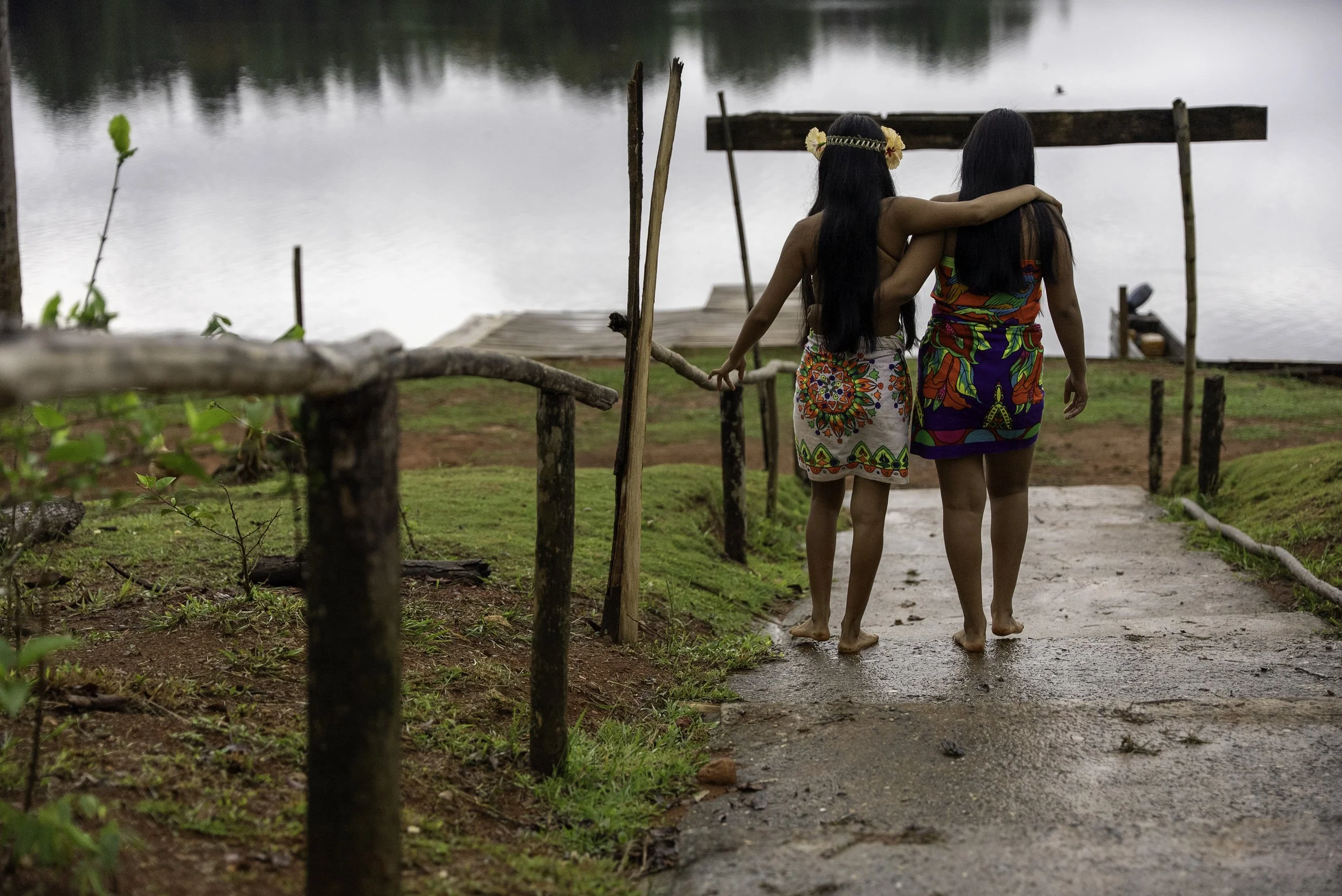
The similarities between their practices and those of Anguilla’s Indigenous Arawak and Carib peoples reinforced the importance of protecting cultural heritage and integrating community voices into climate solutions.
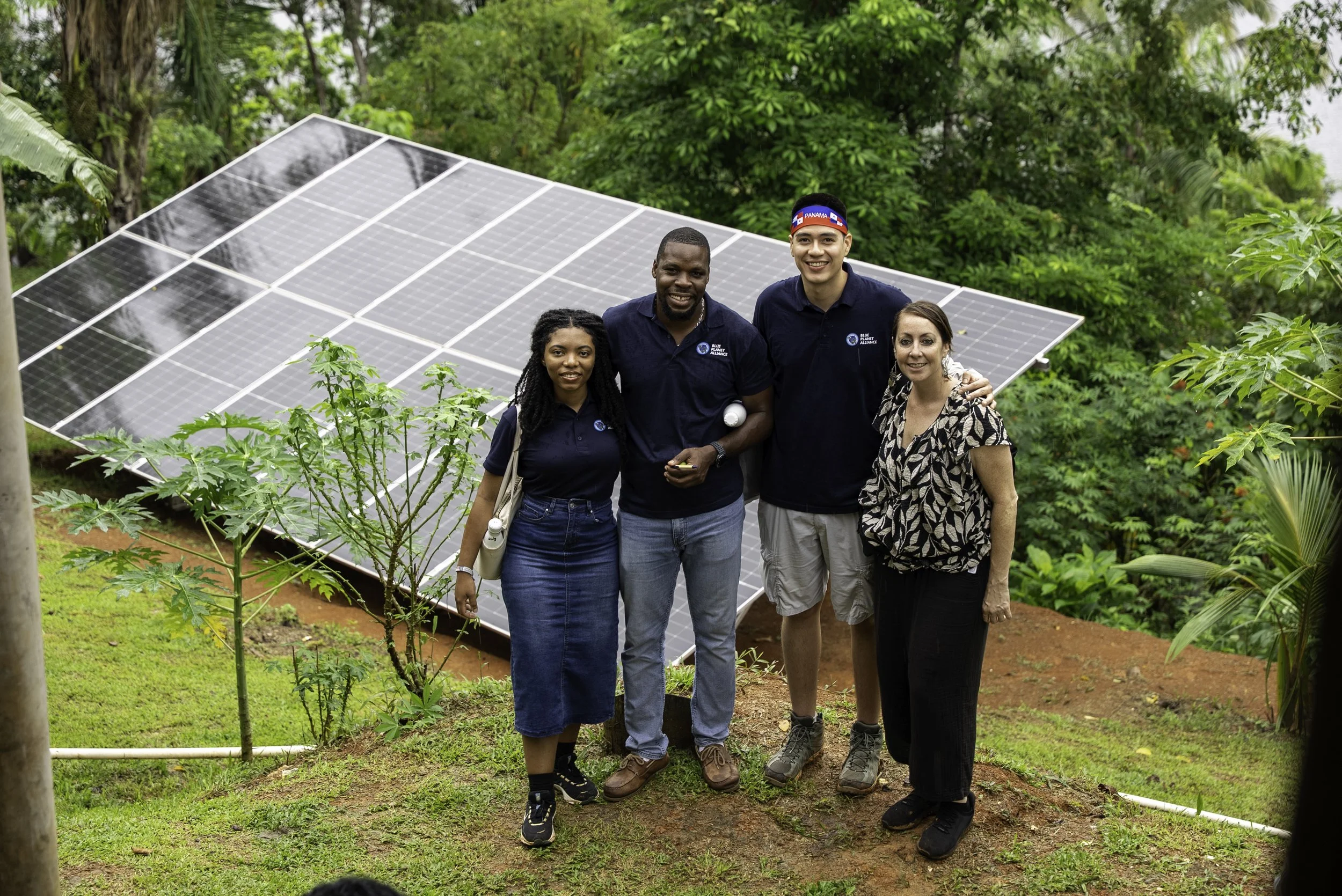
A second visit to a different Embera Quera community focused on solar‑powered electrification implemented by Fundación AES Panama. As global youth ambassadors for BPA it was remarkable to witness a rural community being powered by renewable energy while preserving traditional architectural elements for tourism. This illustrated how climate solutions can be both culturally respectful and future focused.
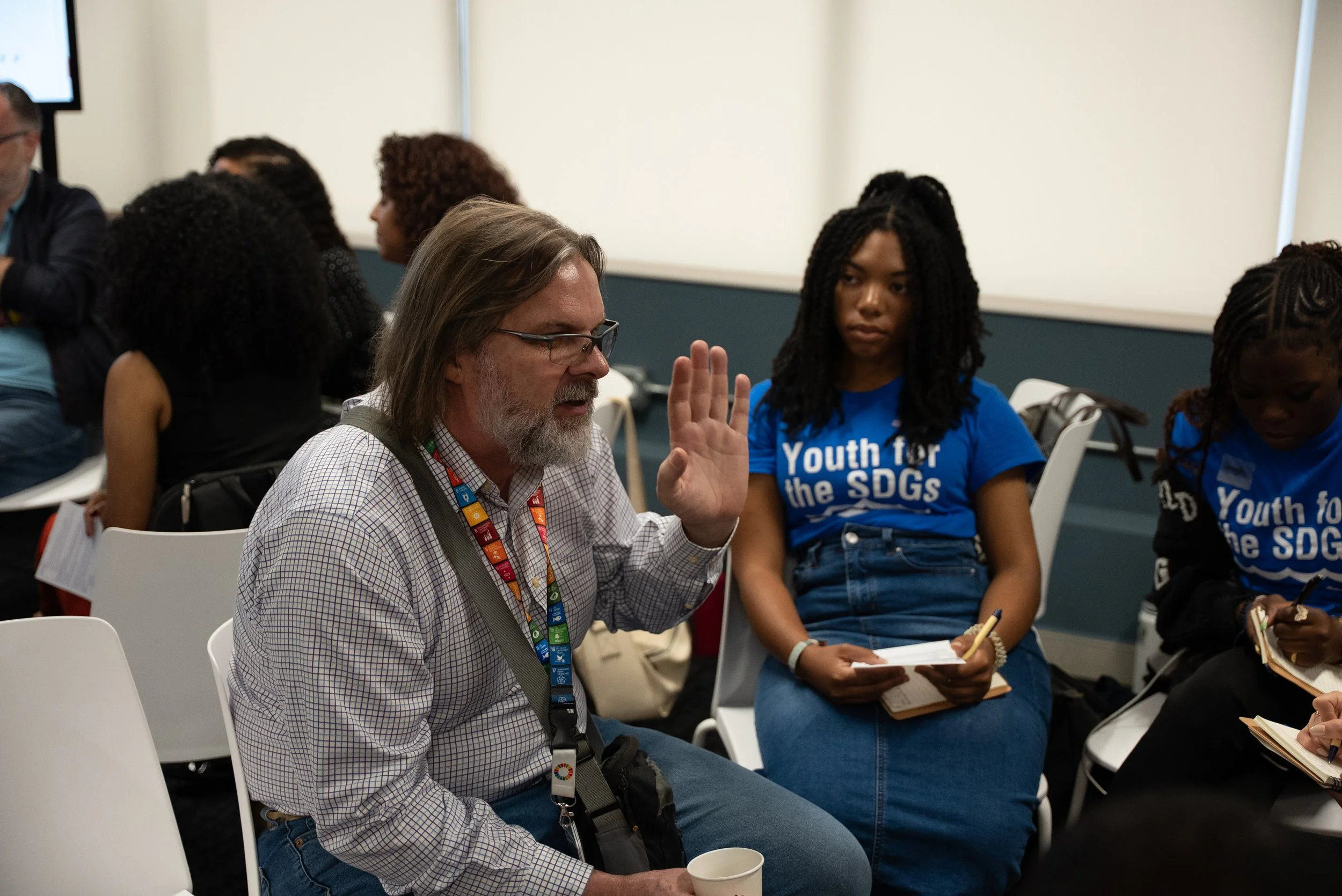
At the Latin American and Caribbean regional headquarters for the United Nations Environmental Program (UNEP) in Panama City,, discussions centred on environmental protection, gender rights, and youth roles in climate and peacebuilding.
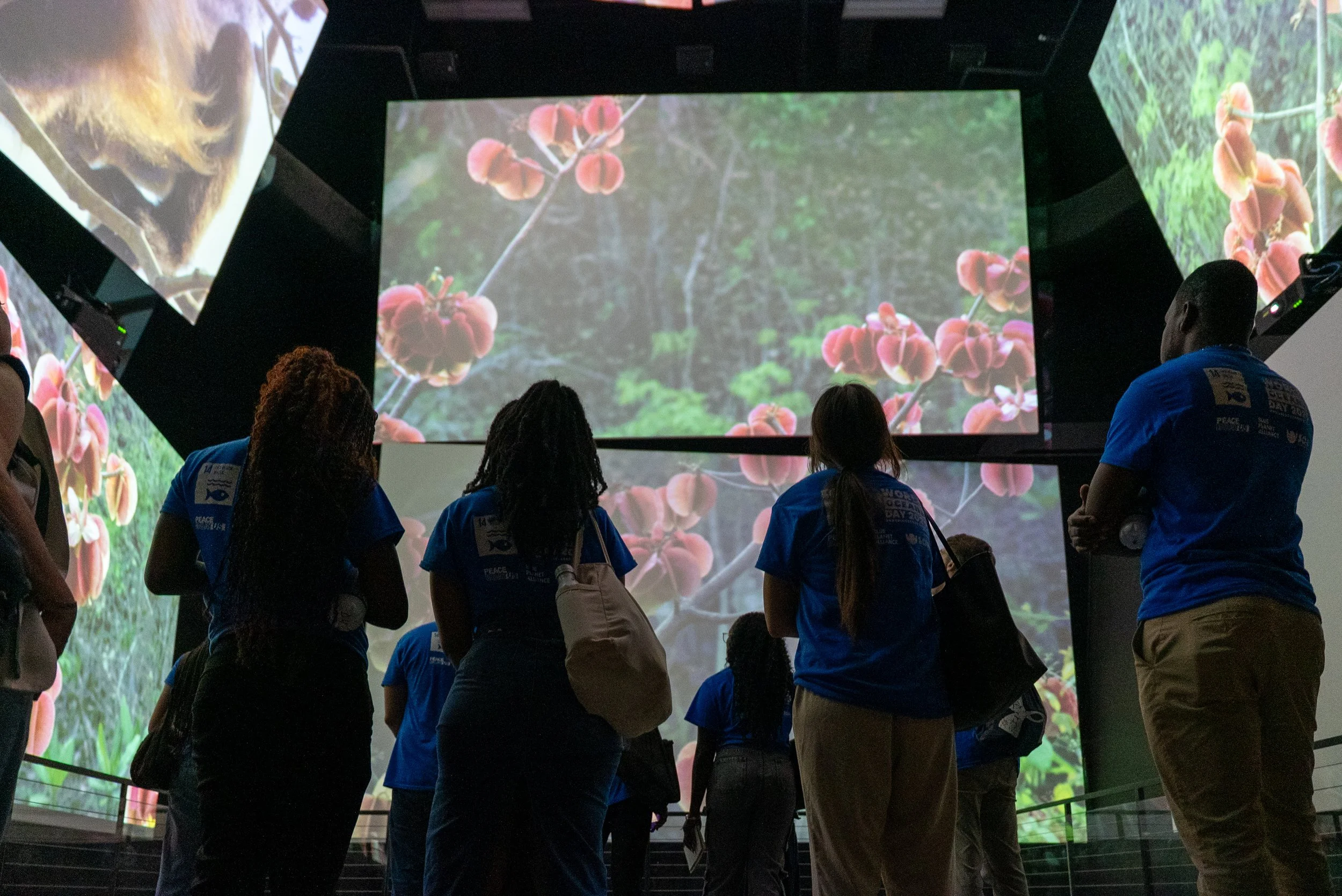
Visits to the Smithsonian Tropical Research Institute and BioMuseo provided direct exposure to ecosystem research, endangered species, and the scientific foundations of biodiversity protection.
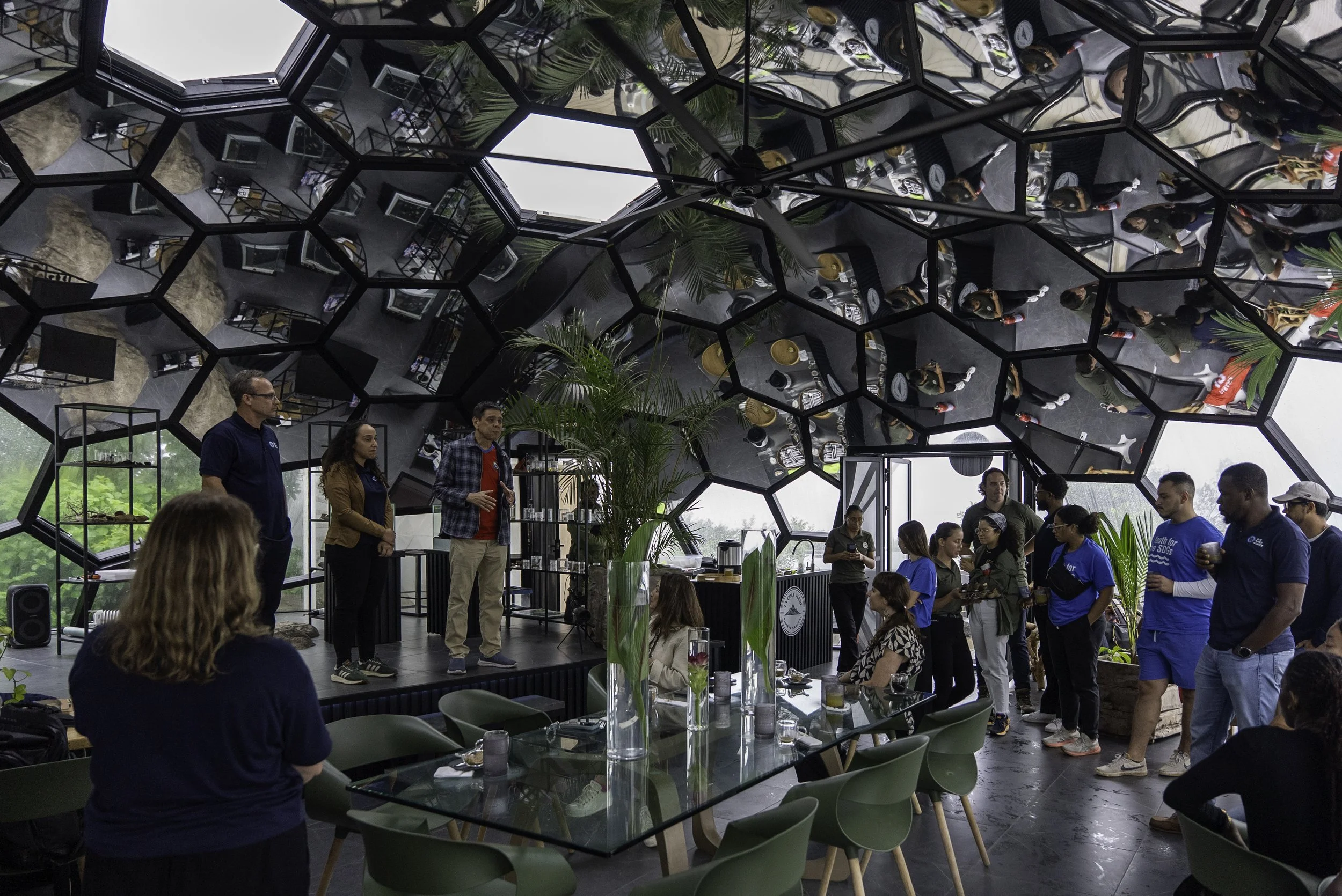
La Cima Verde offered a powerful example of community based conservation, showcasing primary and cloud forests, sustainable water filtration systems, invasive species management, and long term training programs that empower local land stewards.

The Blue Innovation Reception co-hosted by Peace Boat and BPA onboard the Peace Boat docked in Colon, Panama, convened regional climate leaders to share SDG progress and challenges.
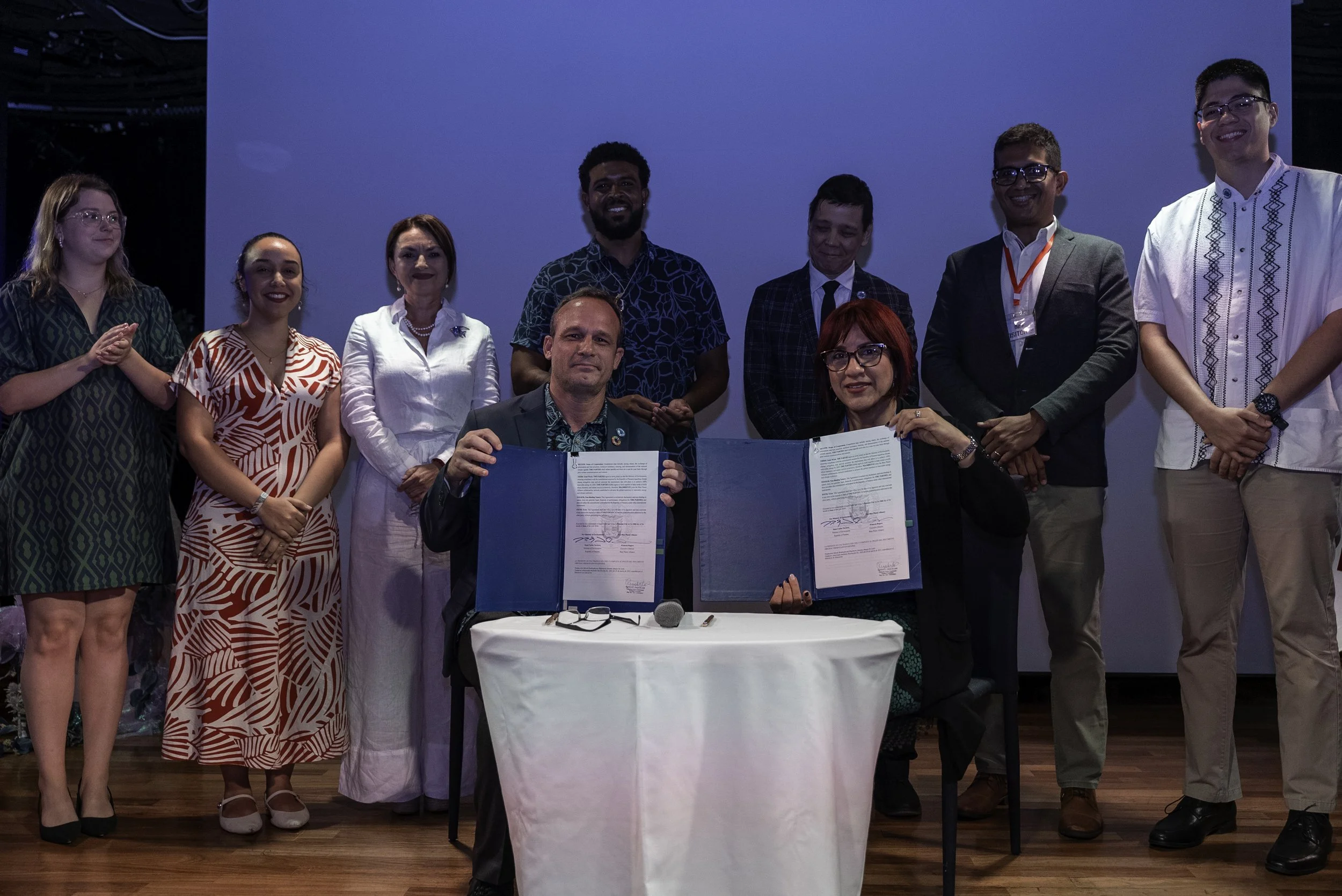
The event culminated with Panama joining Anguilla as the Ministry of Environment signed the BPA commitment to achieve 100% renewable energy by 2045, marking a major milestone for regional climate leadership.
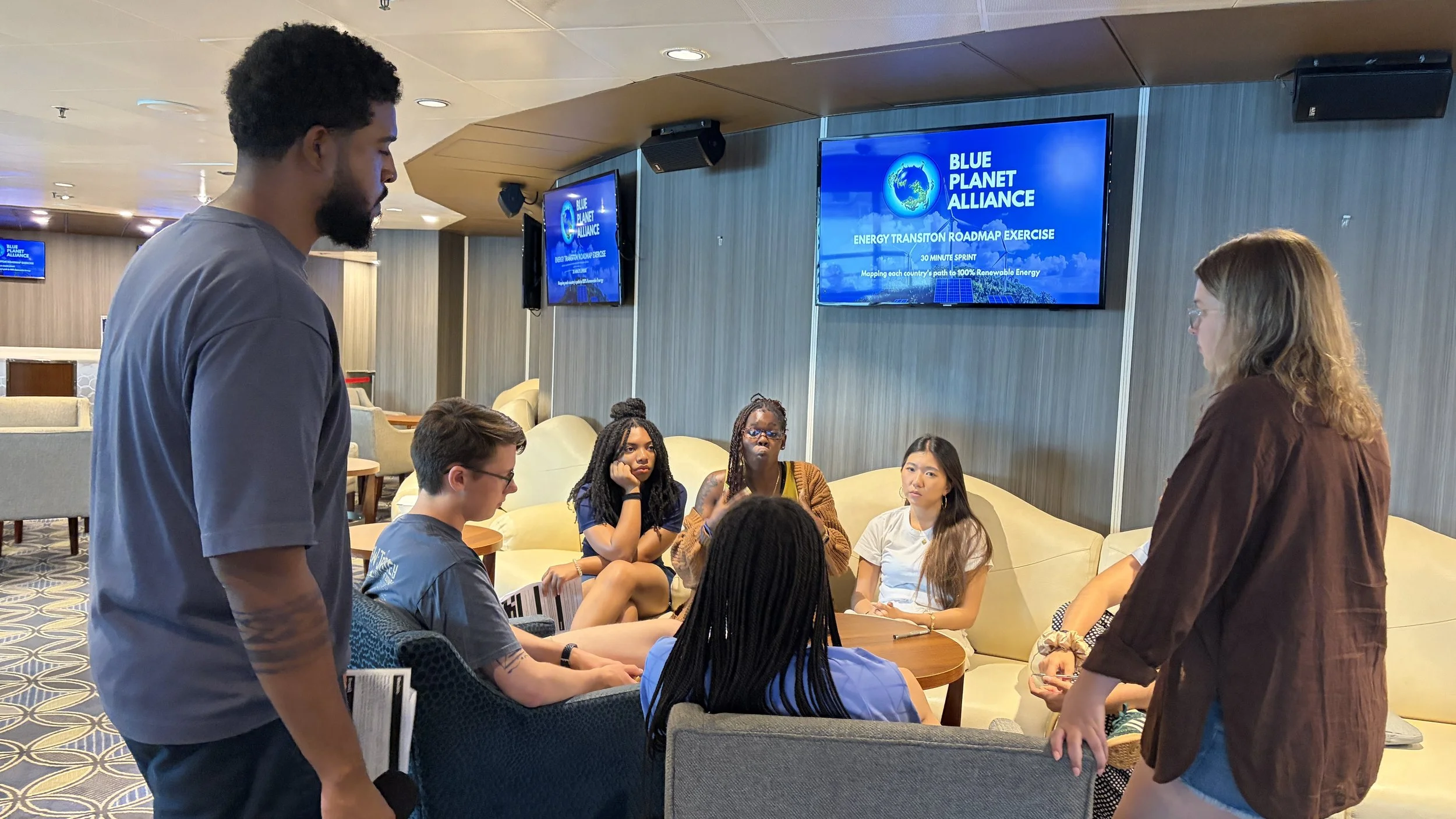
The first full day at sea combined the transit of the Panama Canal with sustainability workshops connected to the UN Ocean Decade and BPA. Workshops emphasized ocean stewardship, renewable energy transitions, and youth-driven climate solutions.
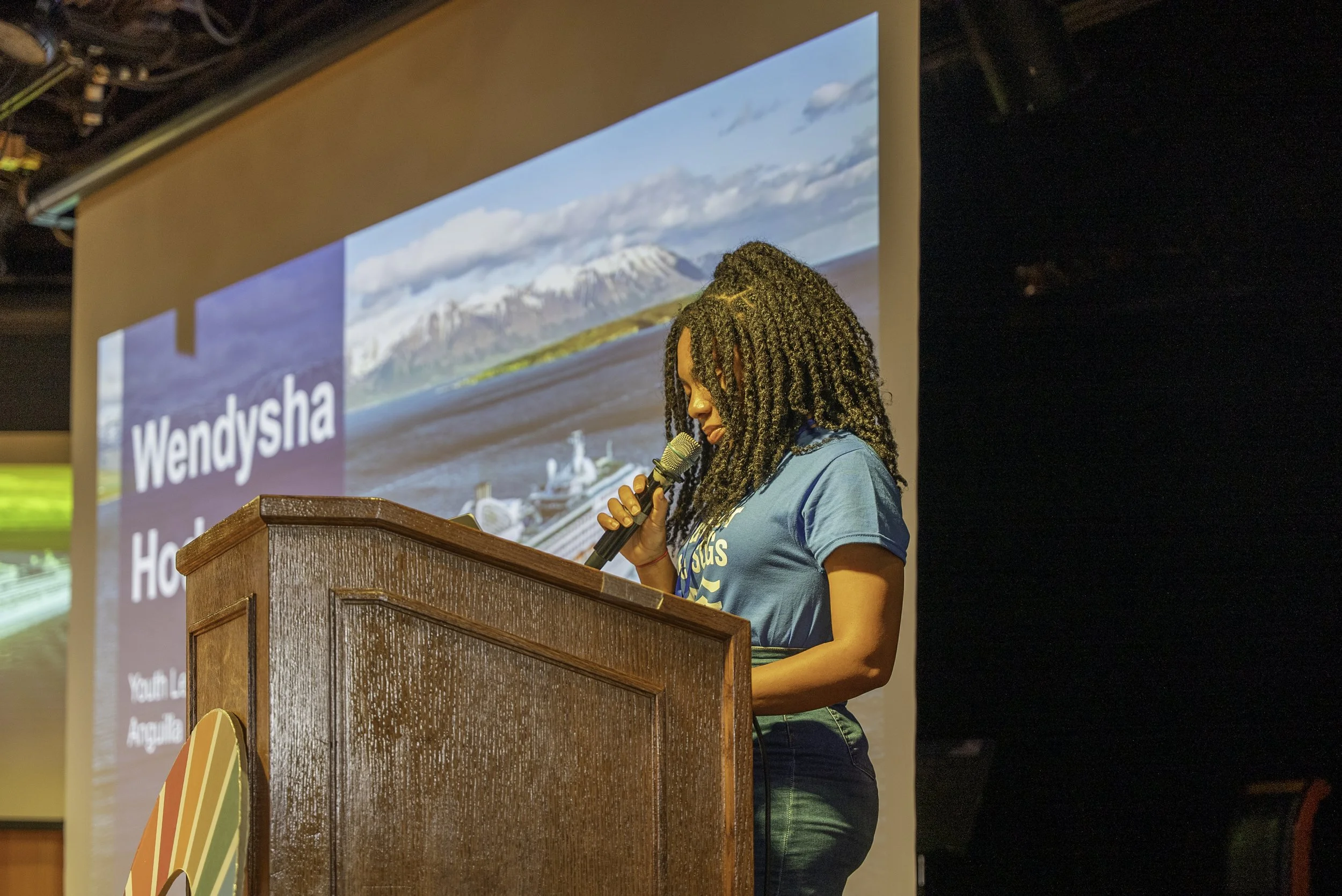
Also on board, Youth for the SDGs scholars introduced themselves to Peace Boat guests, sharing their backgrounds and SDG priorities, followed by youth-led workshops, an upcycled marine plastic activity, and a guided visit to the ship’s bridge.
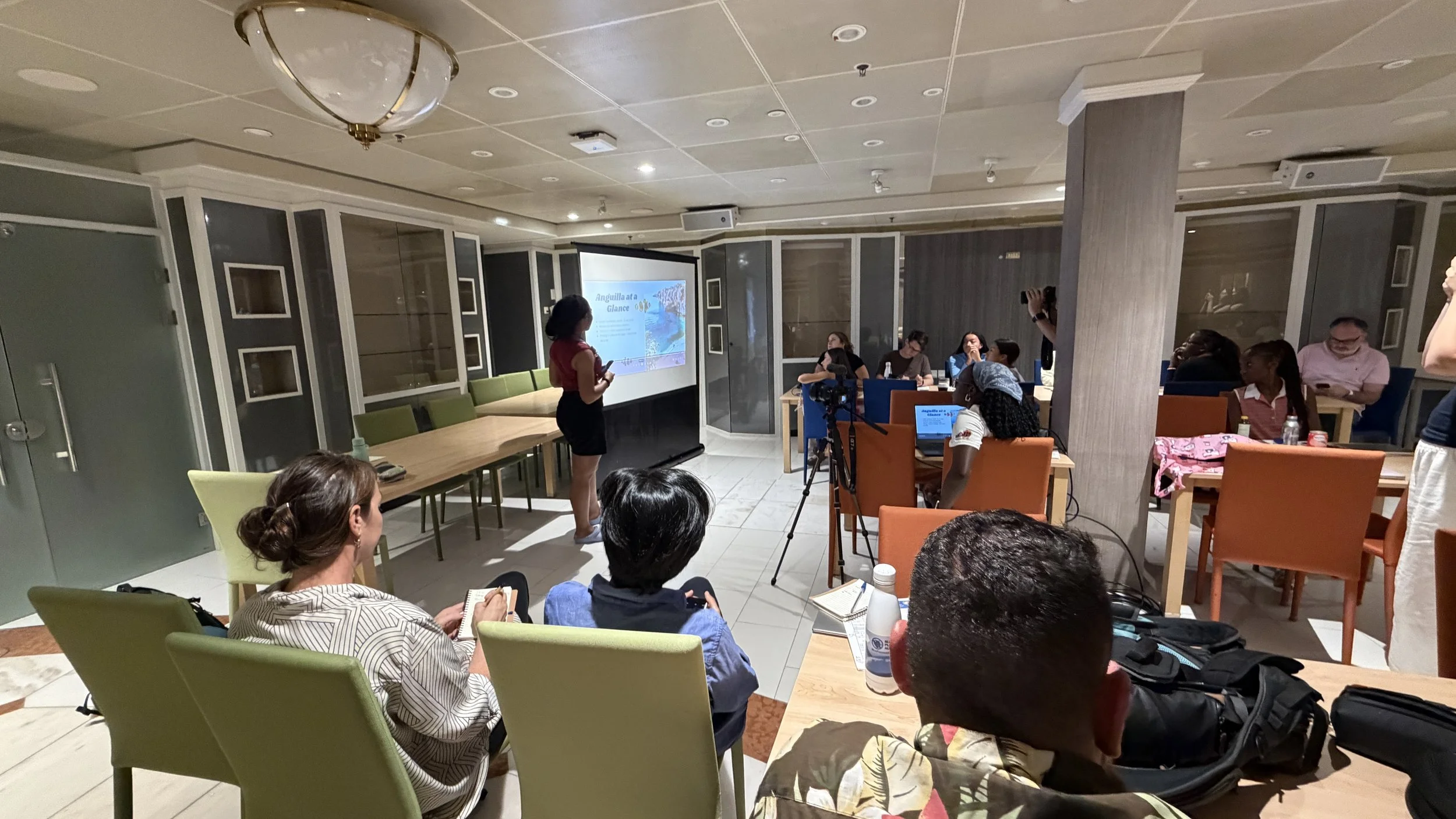
Presenting alongside other youth scholars was a defining moment, speaking not only as an individual, but as an Anguillian representing a small island with a powerful voice in the climate movement.
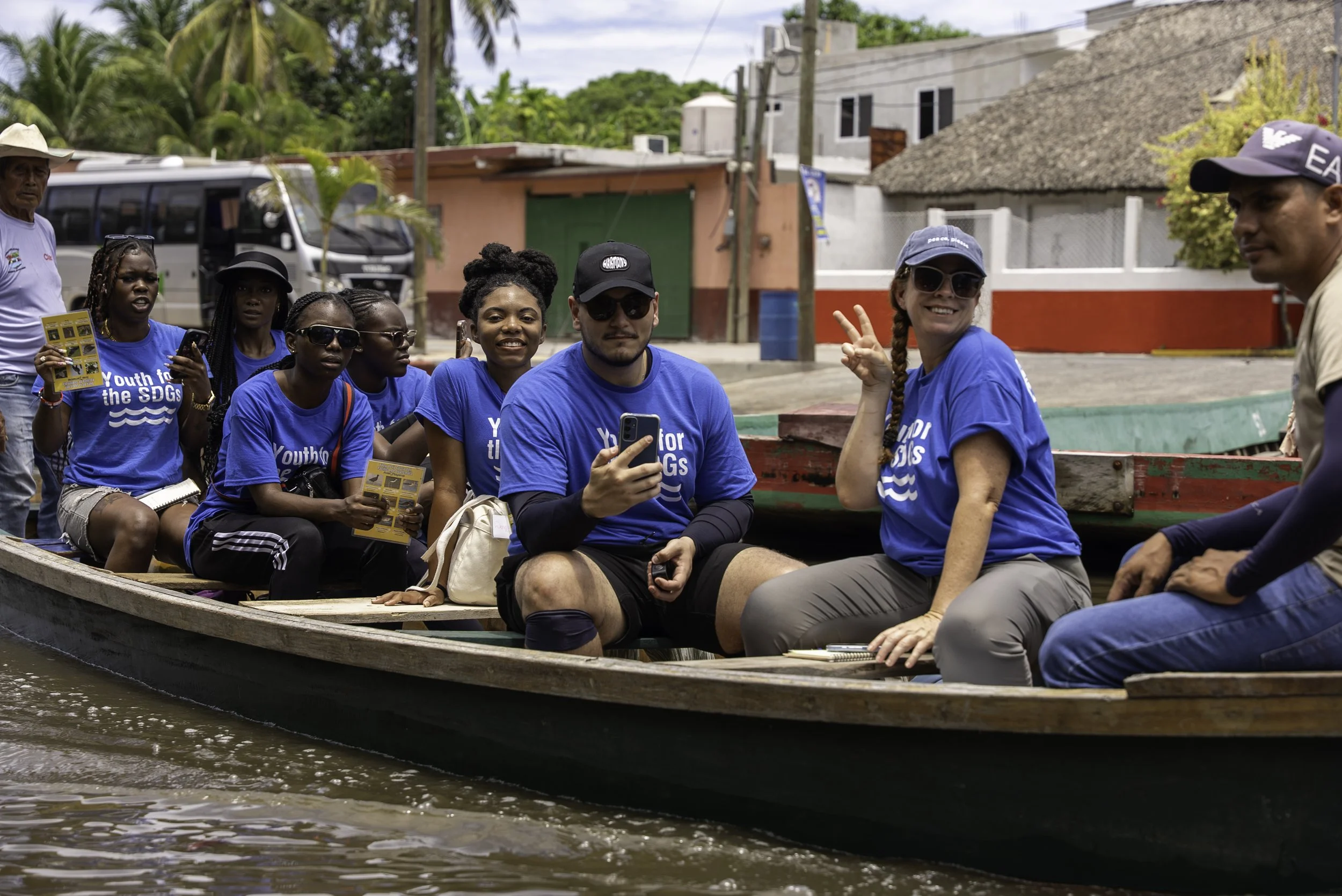
The visit to Puerto Quetzal, Guatemala began with an exploration of the Monterrico Multiple Use Natural Reserve, where an artificial mangrove ecosystem illustrated the importance of mangroves for coastal protection, biodiversity, and community livelihoods.
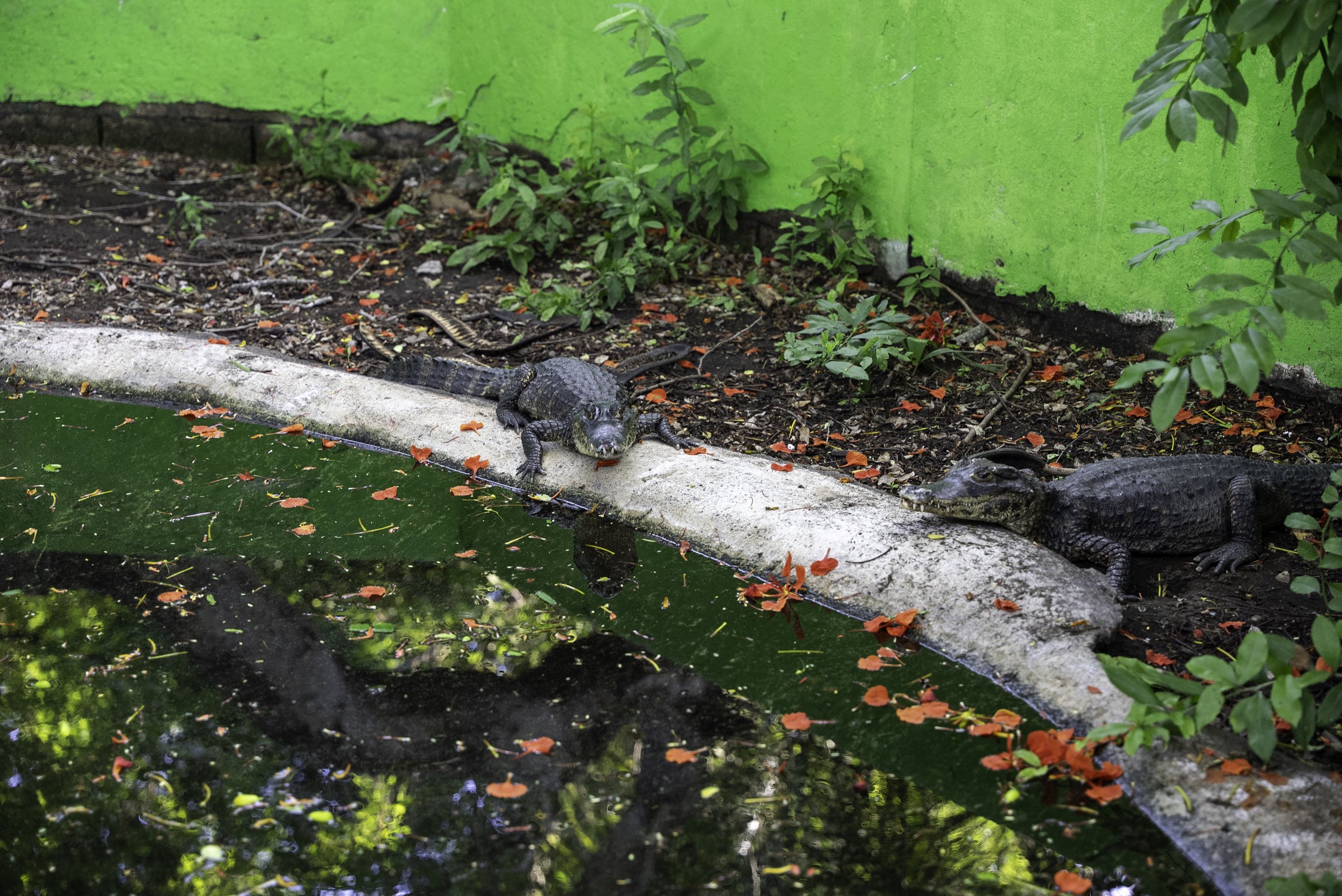
A crocodile conservation site provided insight into local wildlife and conservation practices.
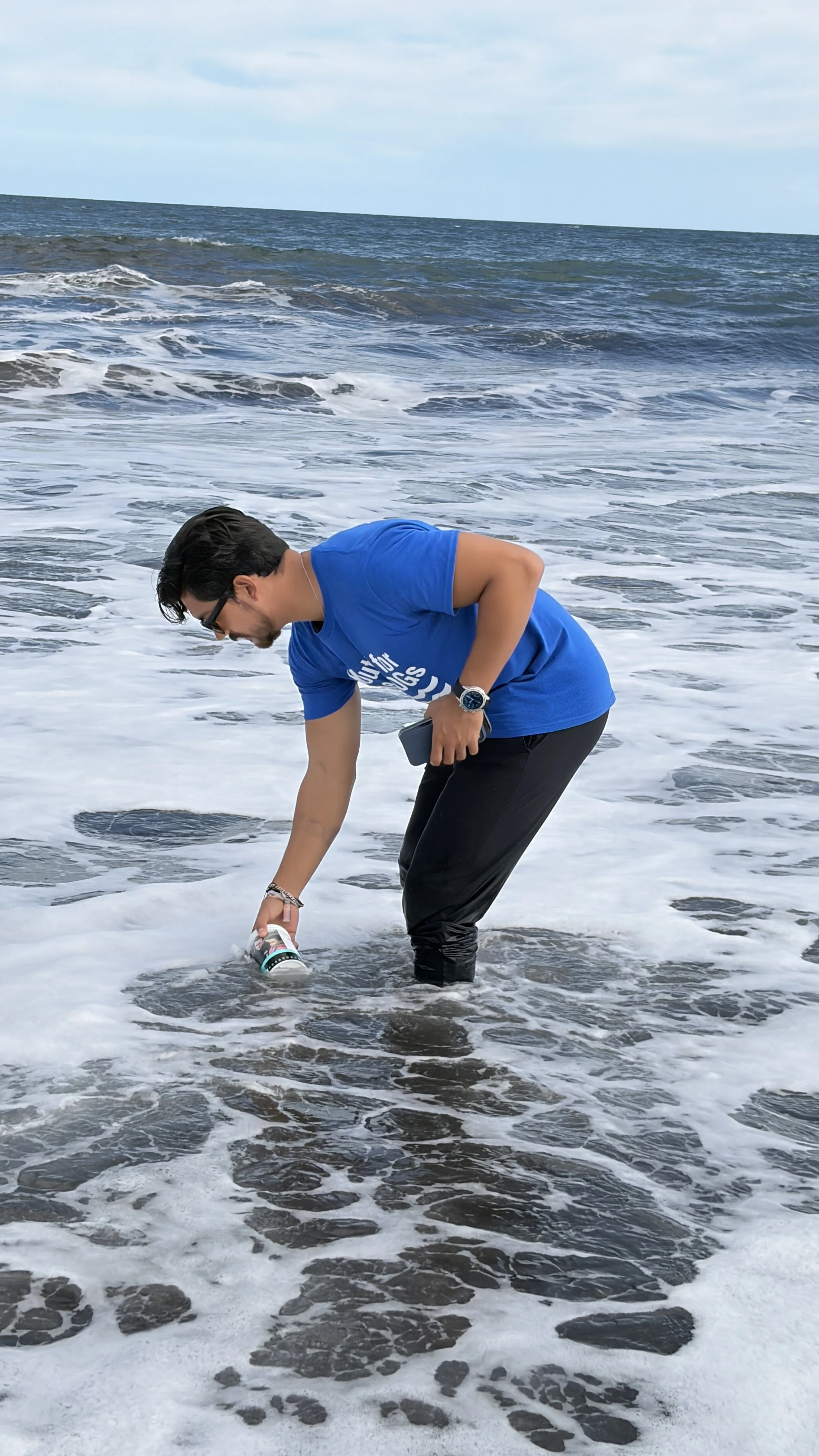
Citizen science water testing on the beach measured pH, turbidity, and temperature.
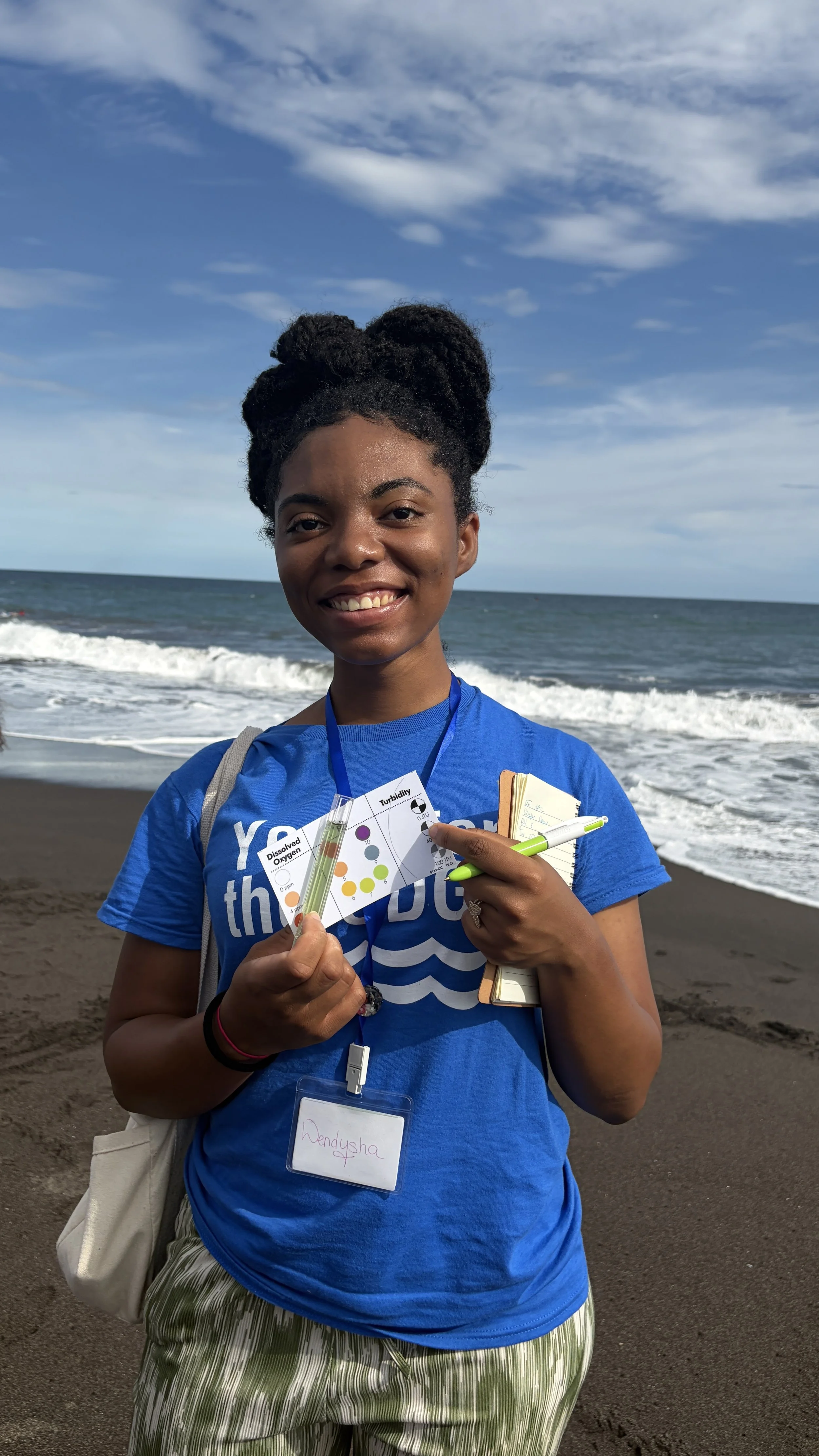
It reinforces the importance of community based environmental monitoring, making us feel a part of the solution and reminding us of the responsibility we carry as youth advocates.
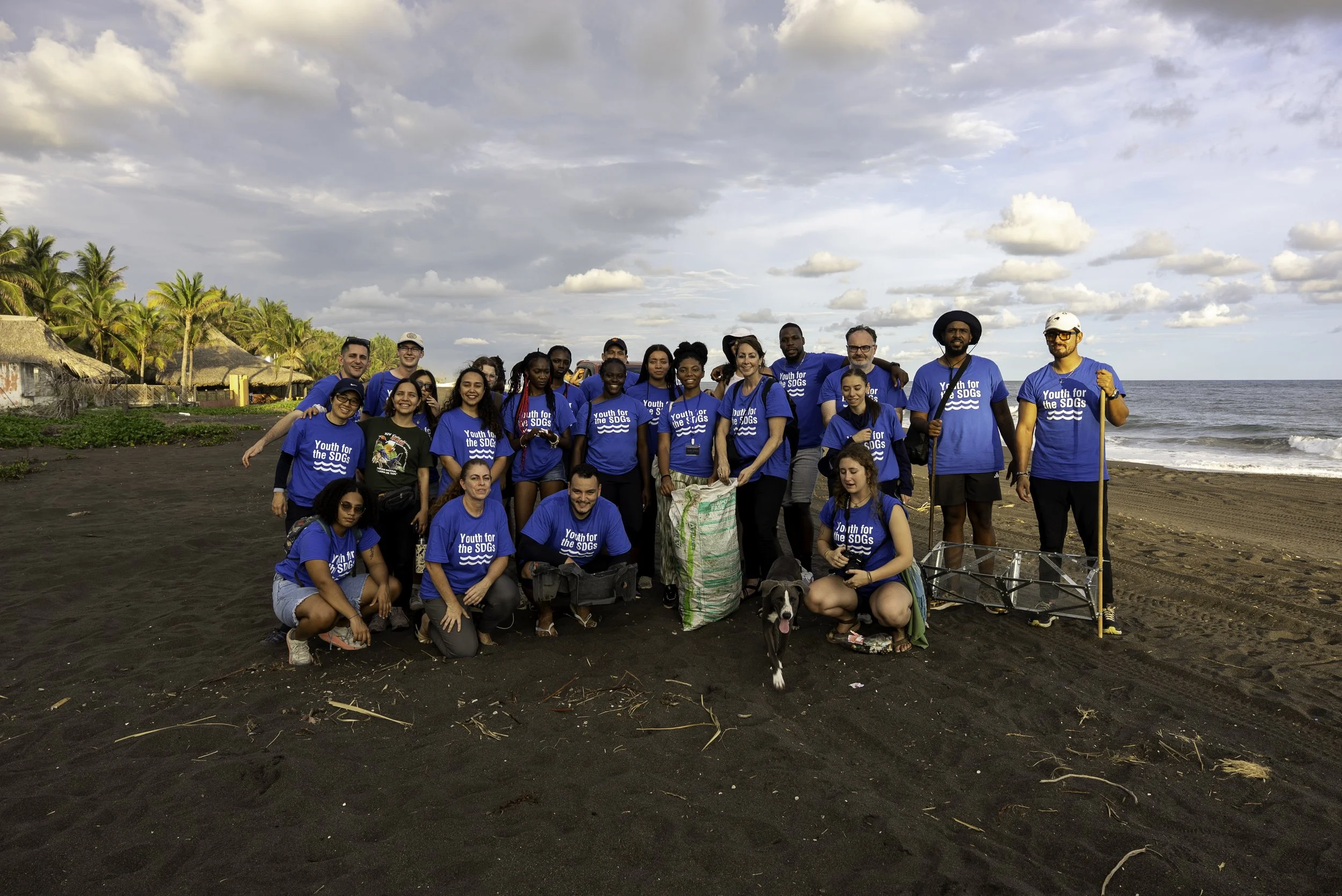
The beach clean ups further emphasized collective responsibility for coastal protection.
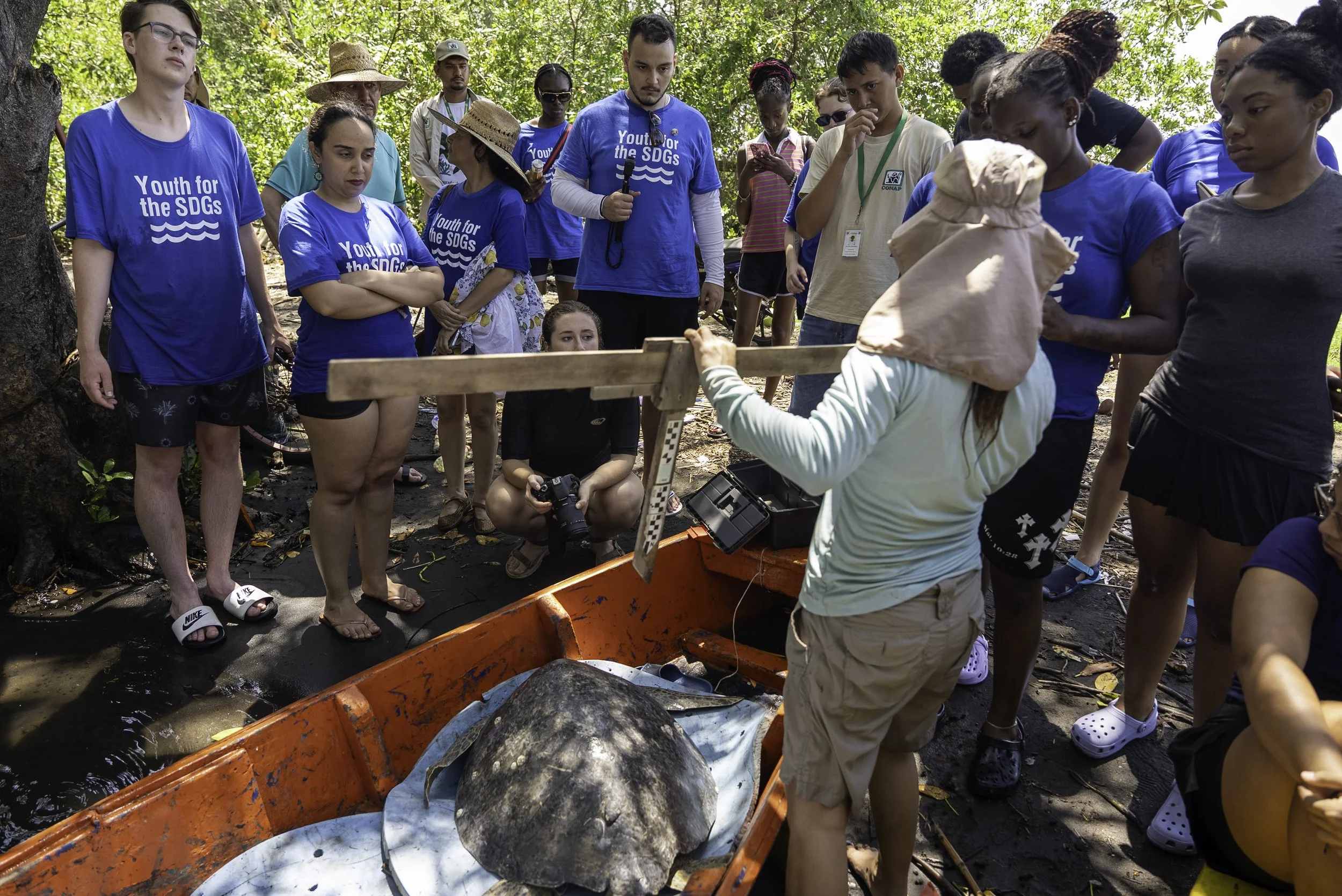
Field research with Santuario de la Tortuga Verde introduced hands-on conservation methods, including observing a tagged green sea turtle, measuring shell dimensions, removing barnacles, and documenting propeller scars.
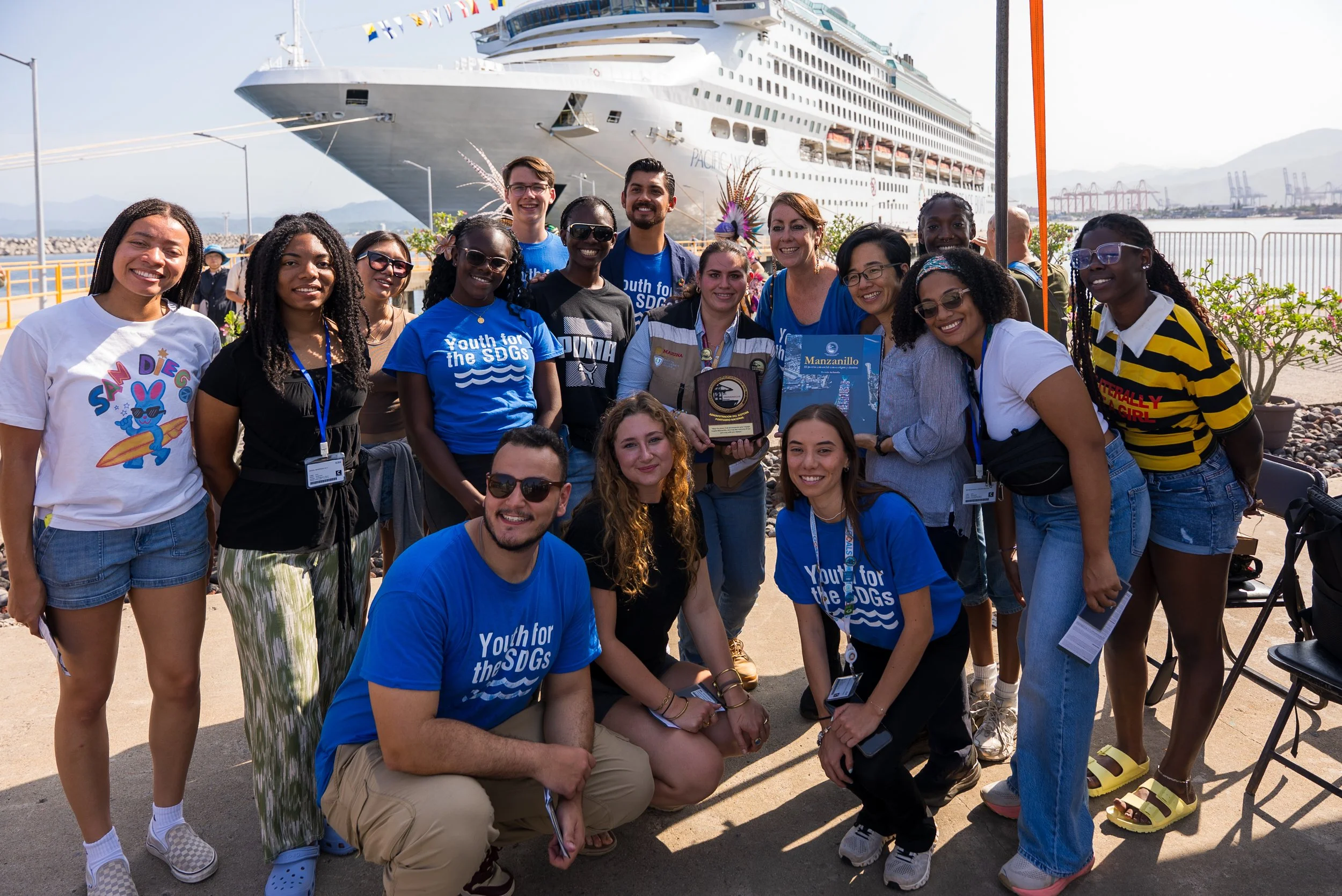
The port of Manzanillo, Mexico welcomed the Peace Boat with a formal ceremony led by the Mexican Navy, including traditional dancers and a commemorative plaque from the National Port System Administration ASIPONA recognizing the ship’s contributions to peace and sustainability.
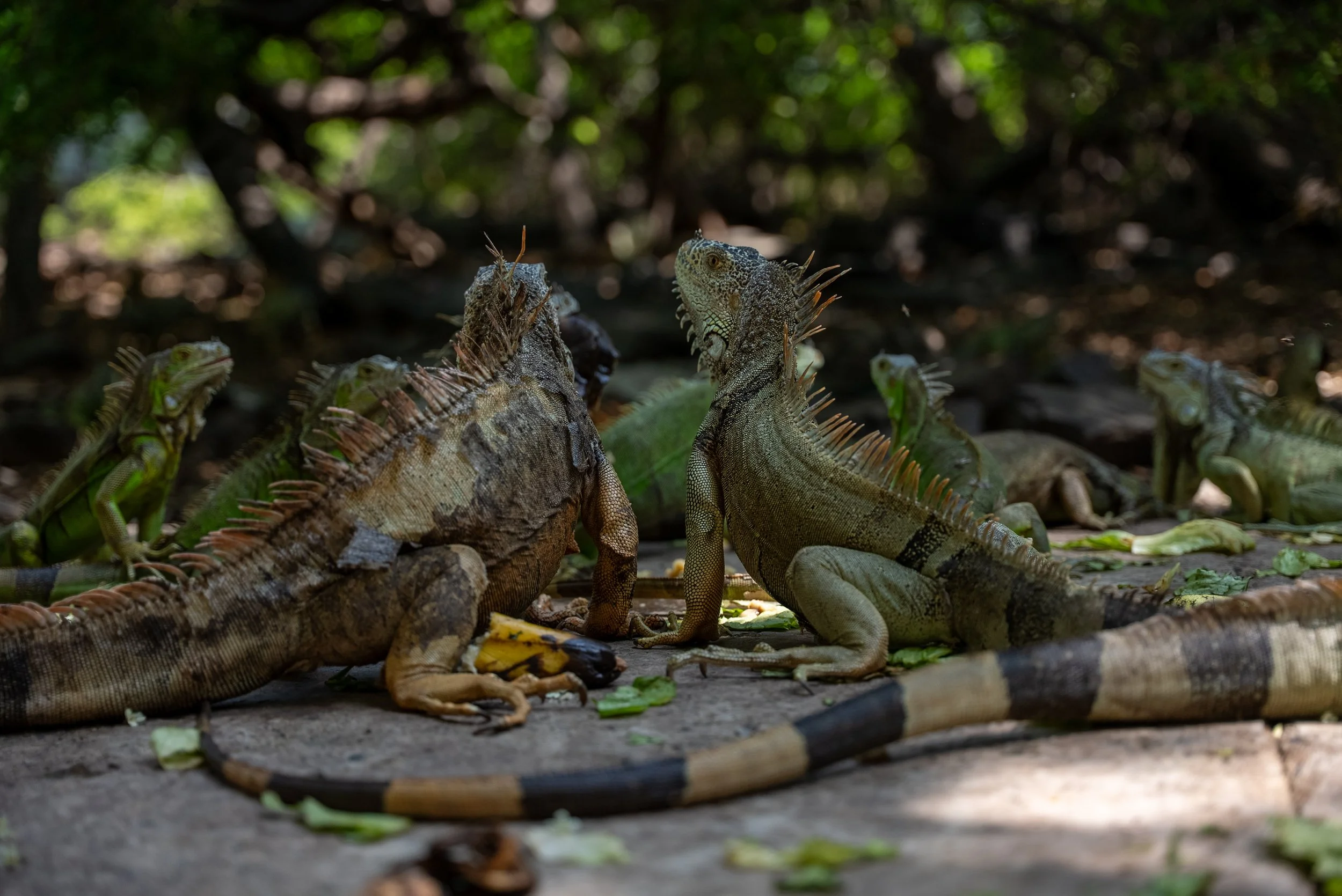
Visits to the Archundia Iguanario and IMIPAS introduced local wildlife and scientific initiatives such as artificial reef projects, microalgae cultivation, and Pacific green octopus production.
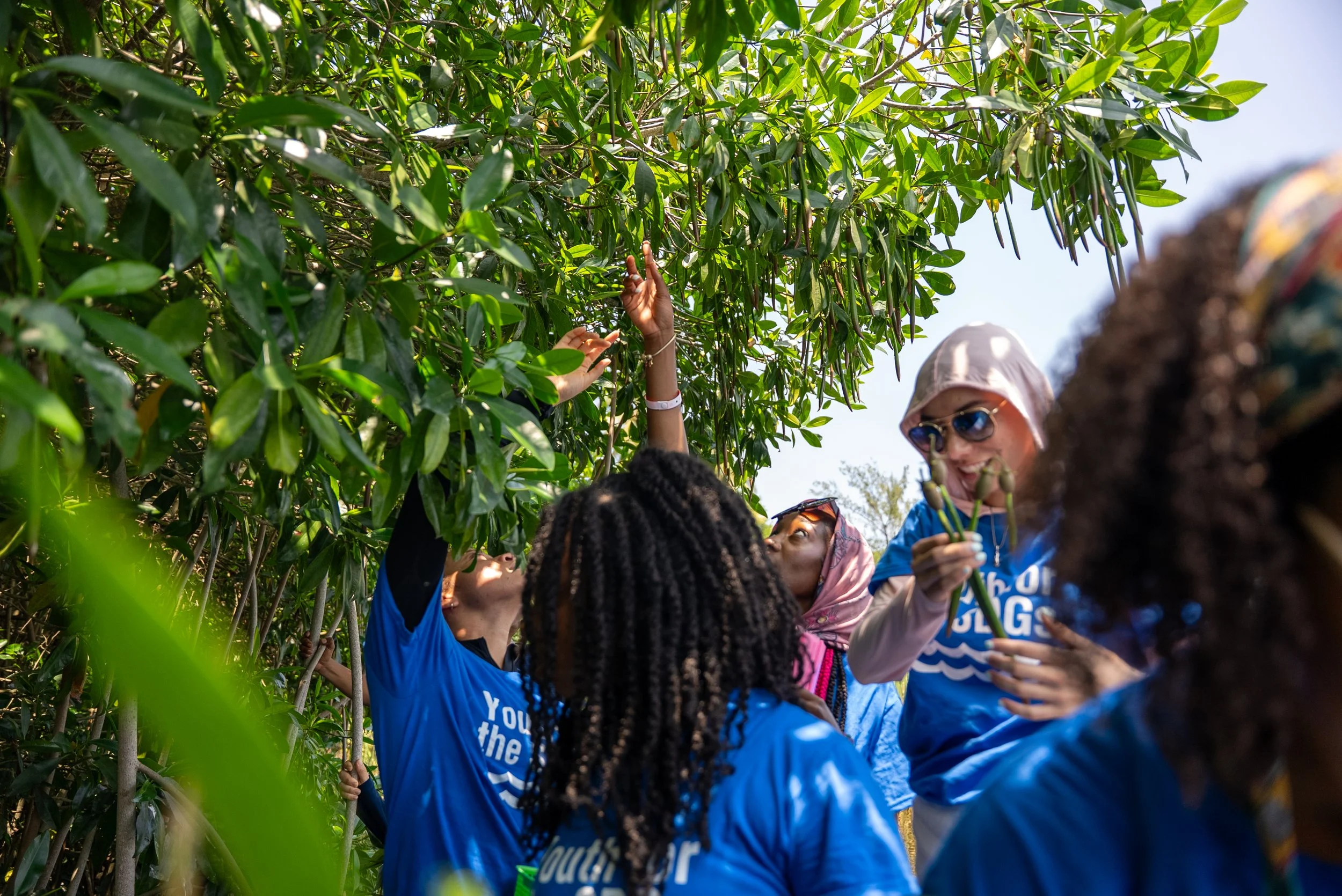
In Cuyutlán, mangrove conservation activities included seed collection and identification of red, white, and black mangrove species.
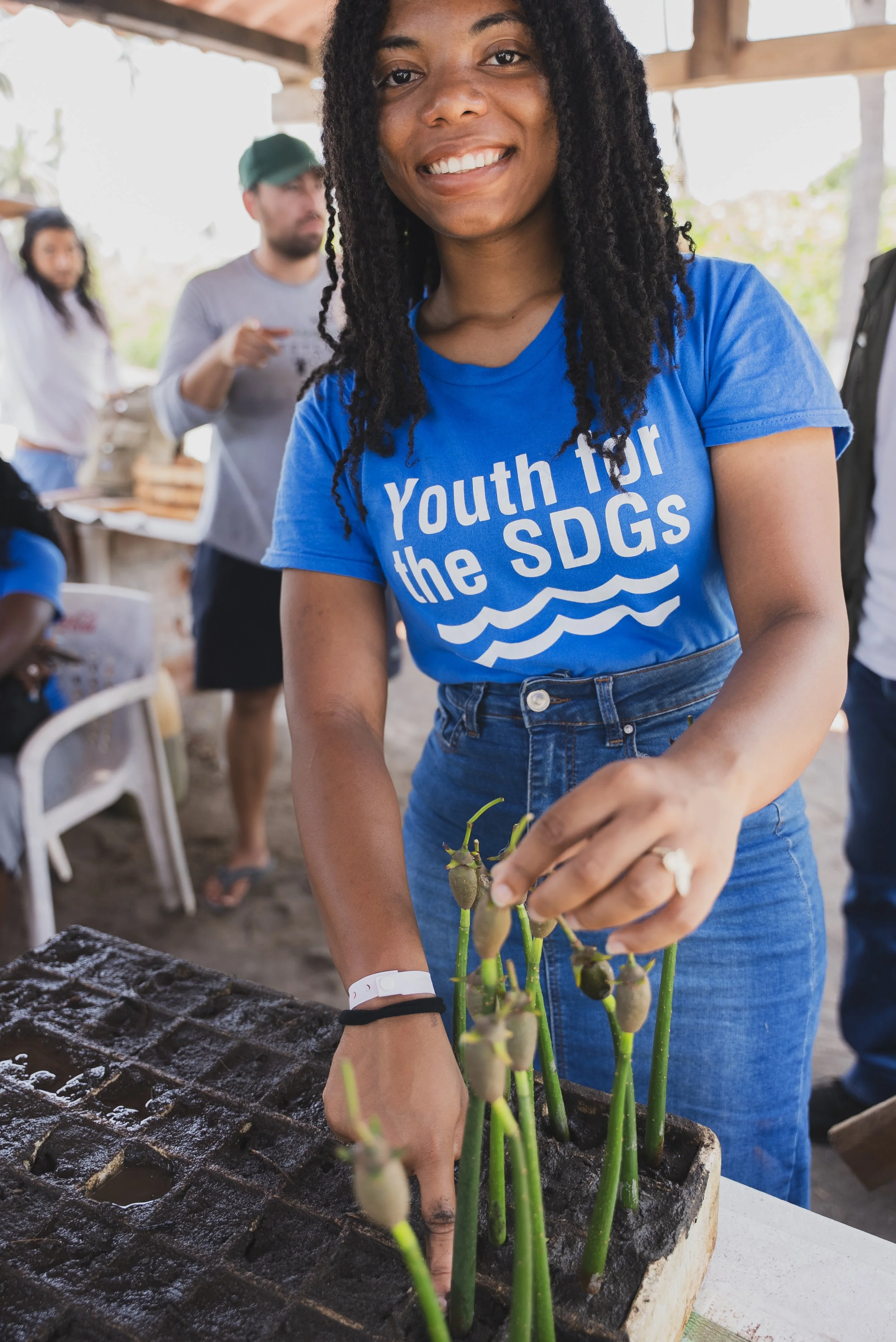
Collecting and planting mangrove seeds, connects directly to Anguilla’s own marine conservation challenges and strengthened the sense of responsibility carried by youth advocates.
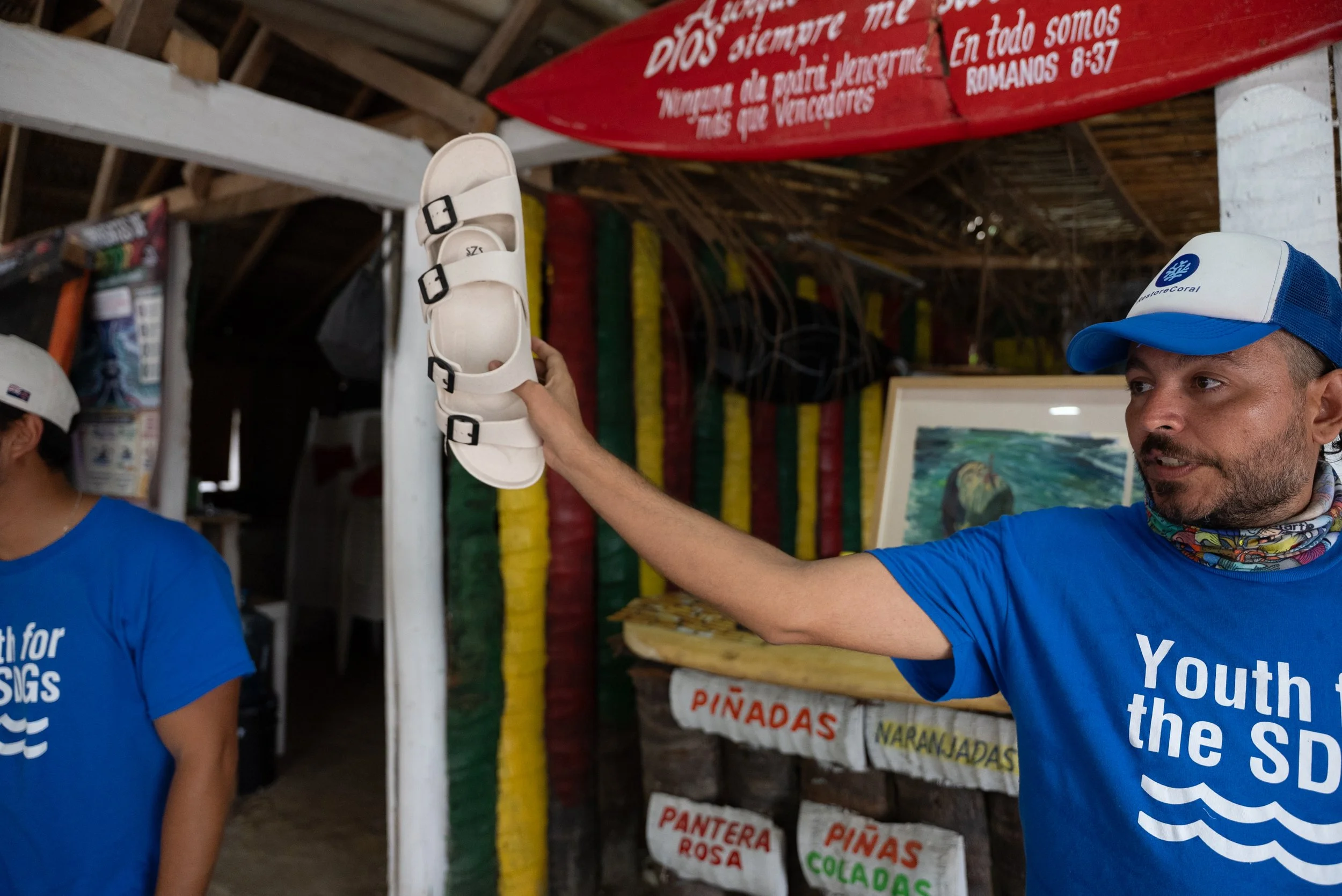
Mexican partners presented recyclable product innovations, followed by a beach clean-up and an oyster farm visit demonstrating sustainable aquaculture and natural water filtration.
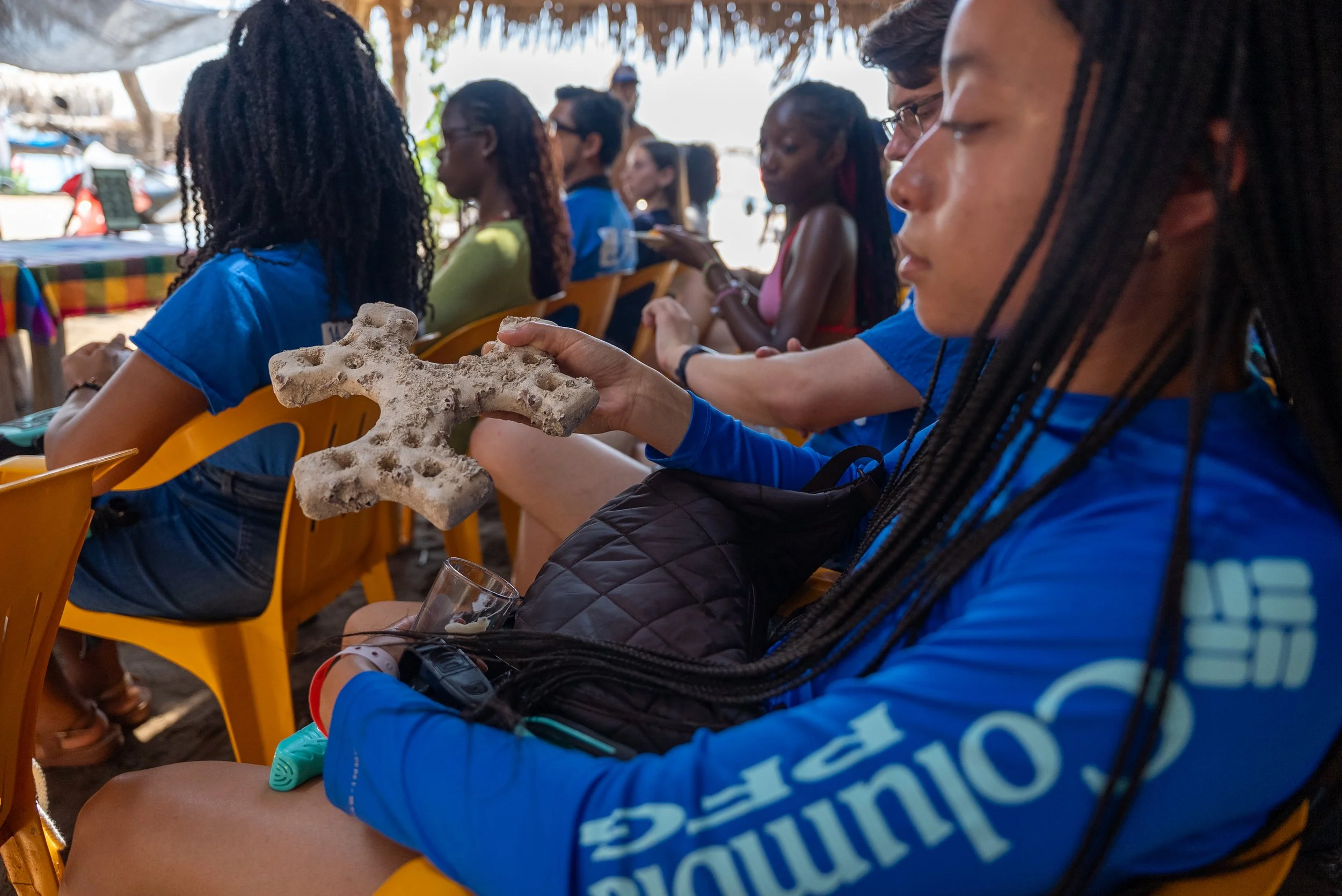
A trip to Jalisco provided an in depth look at artificial reef structures and their ecological benefits.
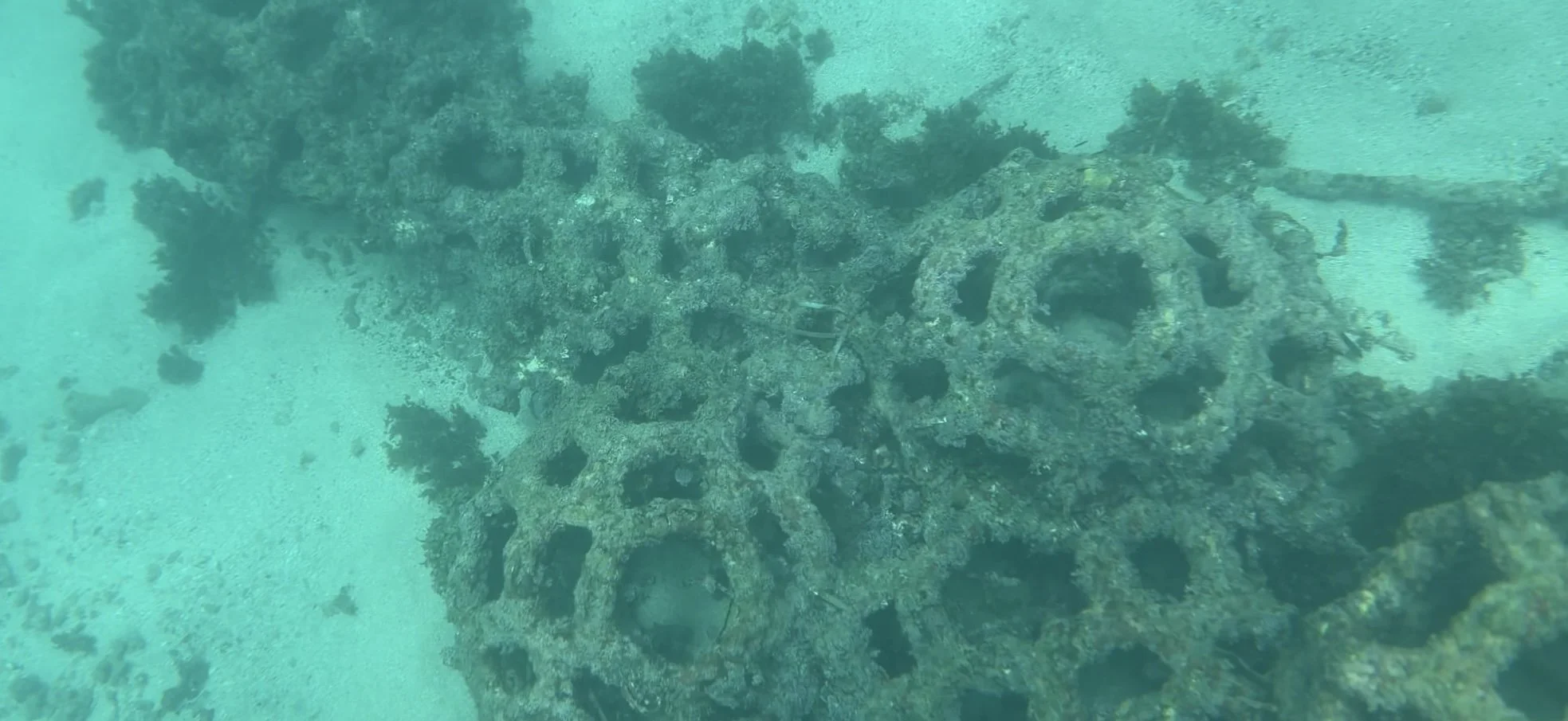
Snorkelling allowed direct observation of reef installations designed to support marine life and promote biodiversity.
The final day concluded with a boat tour of Santiago Bay, visits to key coastal landmarks, marine wildlife observation, and snorkeling. As a Global Youth Ambassador for BPA representing Anguilla, this voyage strengthened my commitment to advancing renewable energy, ocean stewardship, and community-driven climate solutions. Experiencing conservation work, Indigenous knowledge, scientific research, and BPA-aligned sustainability initiatives across Panama, Guatemala, and Mexico showed how powerful collective action can be.
