
What Indigenous Knowledge Can Teach the Climate Movement
By Alana Wilson Fusitu’a
Blue Planet Alliance Pacific Director
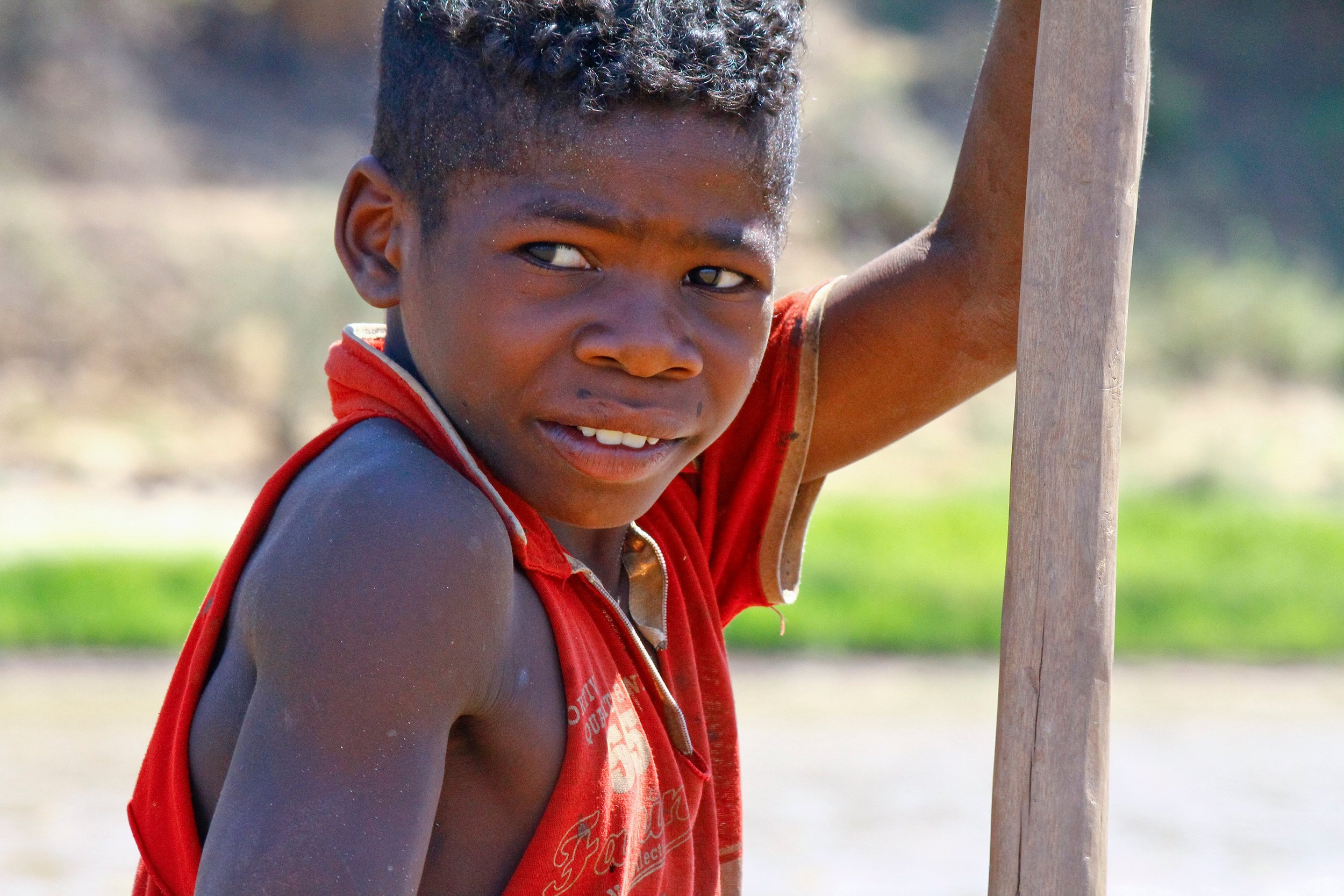
Indigenous and Cultural Advisors: The Climate Jobs AI Can't Replace
Artificial intelligence can analyze satellite imagery, model climate scenarios, optimize renewable energy systems, identify environmental trends, and even synthesize centuries of Traditional Ecological Knowledge (TEK) into actionable insights. It can help us understand ecosystems in remarkable ways. But there is one thing AI cannot replicate: a lived relationship with place.
Traditional Ecological Knowledge is not simply information stored in a database. It is knowledge earned through generations of living with the land and sea, observing seasonal cycles, understanding ecological relationships, recognizing subtle changes in wildlife behavior, and carrying cultural responsibilities that guide how people care for their environment. AI may expand upon this knowledge, but it cannot experience it. It cannot inherit ancestral memory, cultural responsibility, or the wisdom gained from walking the same coastlines, fishing the same waters, tending the same forests, and observing the rhythms of an ecosystem across Generations.
Indigenous knowledge holders are the world's original cultural advisors
For millennia, they have developed sustainable practices rooted in reciprocity, stewardship, and deep relationships with the land and sea. Their Traditional Ecological Knowledge is not simply a collection of historical observations; it is a living system of environmental management, refined through generations of experience, adaptation, and responsibility to place.
Long before sustainability became a global agenda, Indigenous peoples were living it. Their knowledge systems demonstrate that true sustainability is not measured by environmental outcomes alone, but by whether ecosystems, cultures, communities, and economies can thrive together across generations. Healthy ecosystems support healthy livelihoods, and healthy livelihoods empower people to remain faithful stewards of the lands and oceans that sustain them. This long-term perspective—one that values reciprocity over extraction, regeneration over depletion, and responsibility over exploitation—is precisely what many modern climate strategies are striving to achieve.
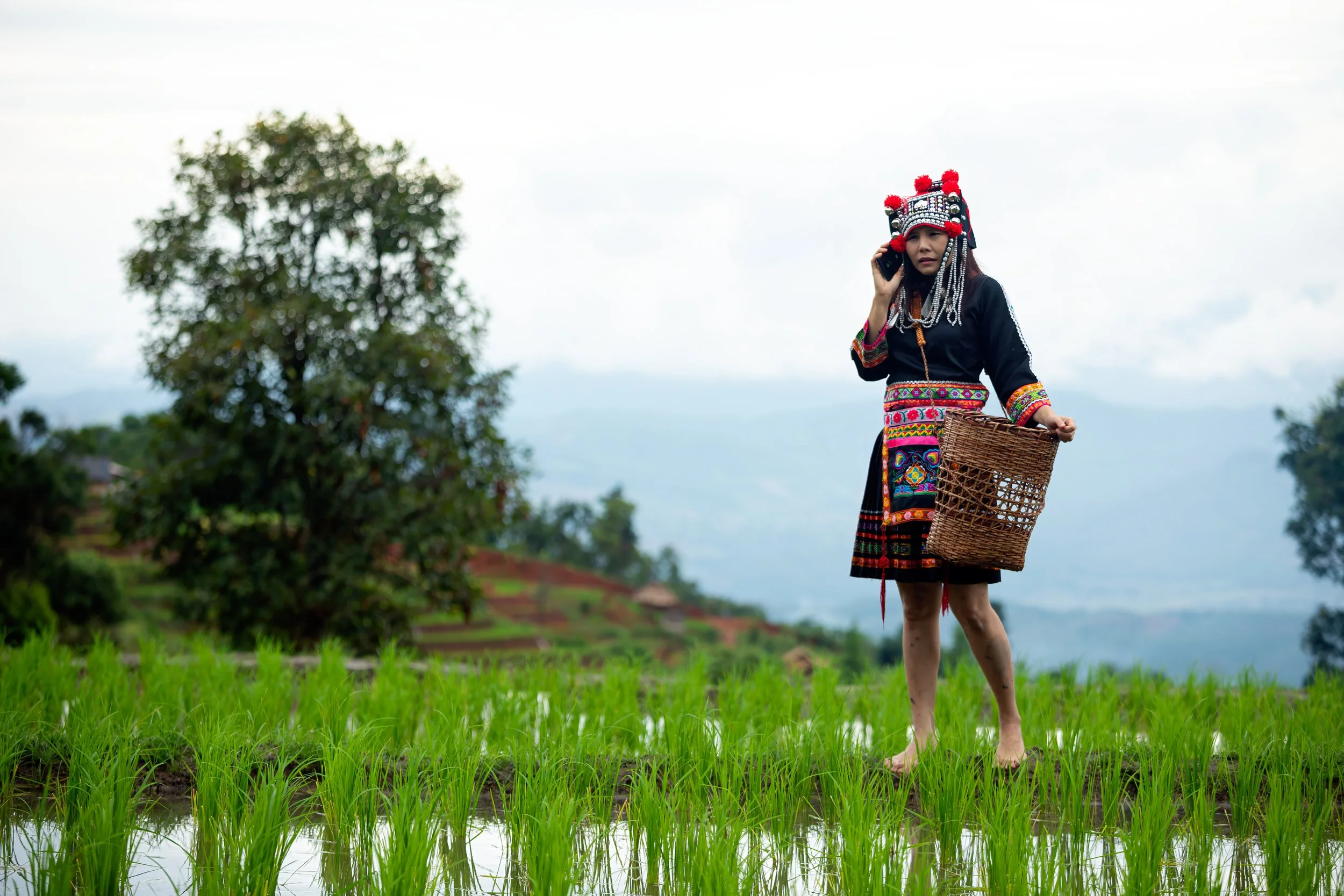
As cultural advisors, Indigenous knowledge holders ensure that innovation strengthens rather than displaces culture. They bridge Traditional Ecological Knowledge with modern science and emerging technologies, helping communities adapt climate solutions in ways that protect identity, heritage, and self-determination. The most successful climate solutions are not simply adopted—they are adapted. By integrating new technologies with time-tested sustainable practices, they help create solutions that are environmentally responsible, culturally relevant, socially supported, economically viable over the long term, and capable of supporting livelihoods across generations.
Because Indigenous peoples have known their lands and oceans through generations of lived experience, they are often the first to recognize when an ecosystem is becoming unhealthy. Changes in species behavior, seasonal cycles, freshwater systems, coral reefs, ocean currents, soils, or biodiversity may be subtle long before they appear in scientific datasets. In many ways, Indigenous knowledge holders serve as the Earth's earliest indicators of ecological change. Their observations provide context that technology alone cannot generate, helping scientists, governments, and communities understand not only what is changing, but why it matters.
AI can help validate these observations, analyze them at scale, and project future trends. It can make Traditional Ecological Knowledge more accessible and strengthen decision-making. But it depends on the quality of the knowledge informing it. Technology can amplify Indigenous wisdom; it cannot replace it.
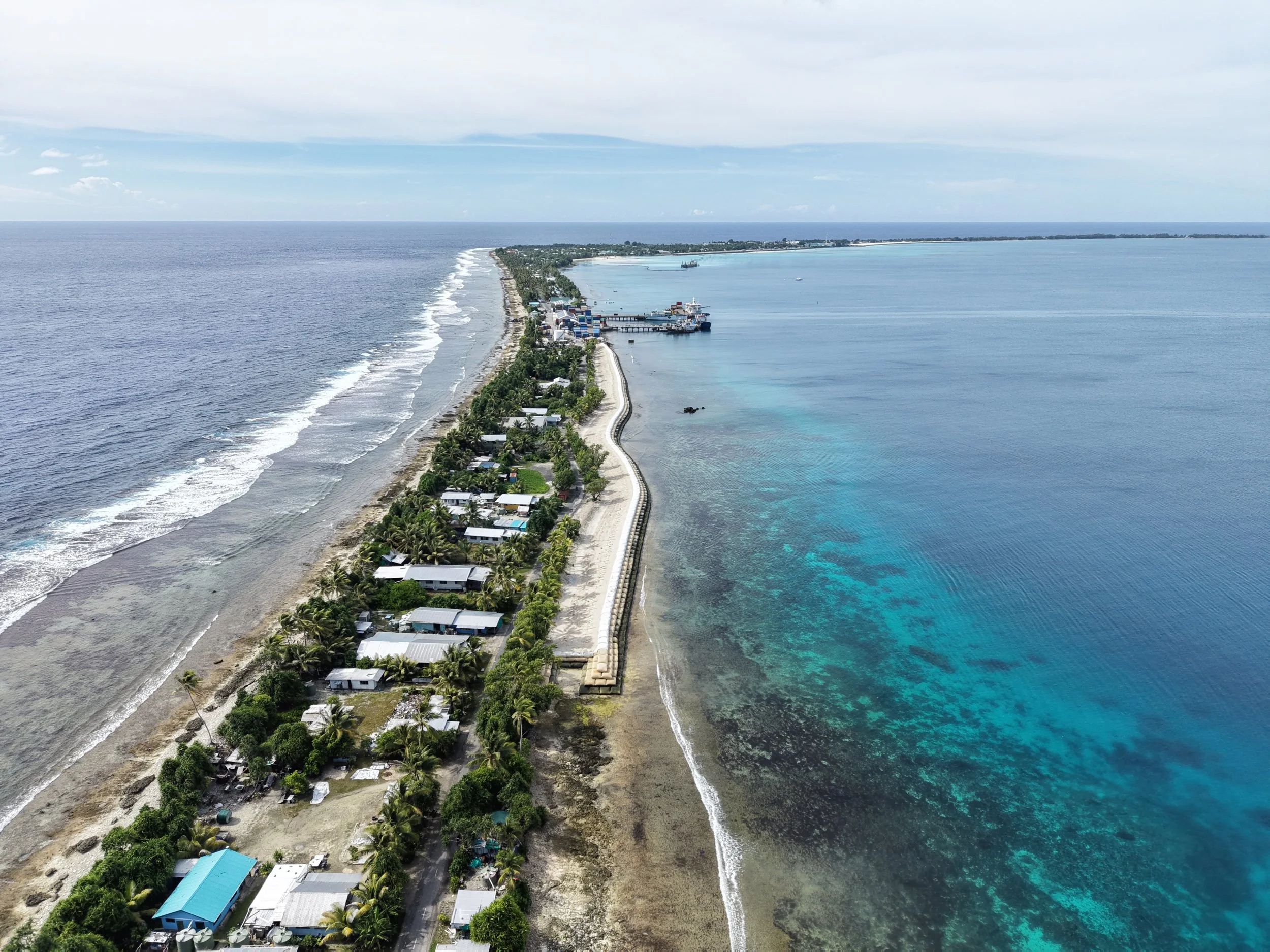
The emerging concept of digital twinning demonstrates how technology can complement—rather than replace—our relationship with place. Tuvalu's Future Now Project illustrates this power by creating digital replicas of its islands, landscapes, and cultural heritage to help preserve geography, language, traditions, and national identity in the face of rising sea levels. These digital twins support climate planning, disaster resilience, and cultural preservation while reinforcing Tuvalu's sovereignty in an uncertain future.
Yet they are not replacements for the homeland itself. They are more like an umbilical cord—maintaining a living connection between Tuvaluans and the physical lands that define their identity, even as those places face an existential threat. They preserve memory, stories, language, and cultural heritage, but they cannot recreate the lived experience of standing on ancestral land, hearing the ocean, harvesting from the sea, or practicing traditions that are inseparable from the physical environment. Technology can preserve information, but it cannot replace the relationships that give that information meaning.
This is why Indigenous cultural advisors remain indispensable. AI can process vast amounts of information. Digital twins can preserve and visualize places at risk. But only Indigenous knowledge holders carry the lived relationships, ethical responsibilities, and place-based wisdom that have sustained people and ecosystems for generations. They understand not only the science of an ecosystem, but its stories, values, and cultural significance. They know that resilience is measured not only by whether infrastructure survives, but by whether communities, cultures, and ways of life endure alongside it.
The future of climate resilience is not a choice between Indigenous knowledge and artificial intelligence. It is about recognizing that each serves a different purpose. AI can process information at unprecedented speed. Digital twins can help preserve memory and strengthen adaptation planning. Indigenous cultural advisors ensure that technology remains grounded in the values, relationships, and responsibilities that make climate action meaningful.
AI can help us understand ecosystems. Digital twins can help us remember them. Indigenous cultural advisors teach us how to live with them. In the end, the climate jobs AI cannot replace are not defined by technical expertise alone. They are defined by relationships; with communities, cultures, lands, and oceans. Those relationships have sustained humanity for thousands of years. As we build the next generation of climate solutions, our greatest innovations will not come from choosing between technology and tradition, but from ensuring that technology is guided by the wisdom of those who have always known how to care for the Earth.
