Unified by the Tides: The Blue Planet Alliance Fellowship Program, Cohort VI
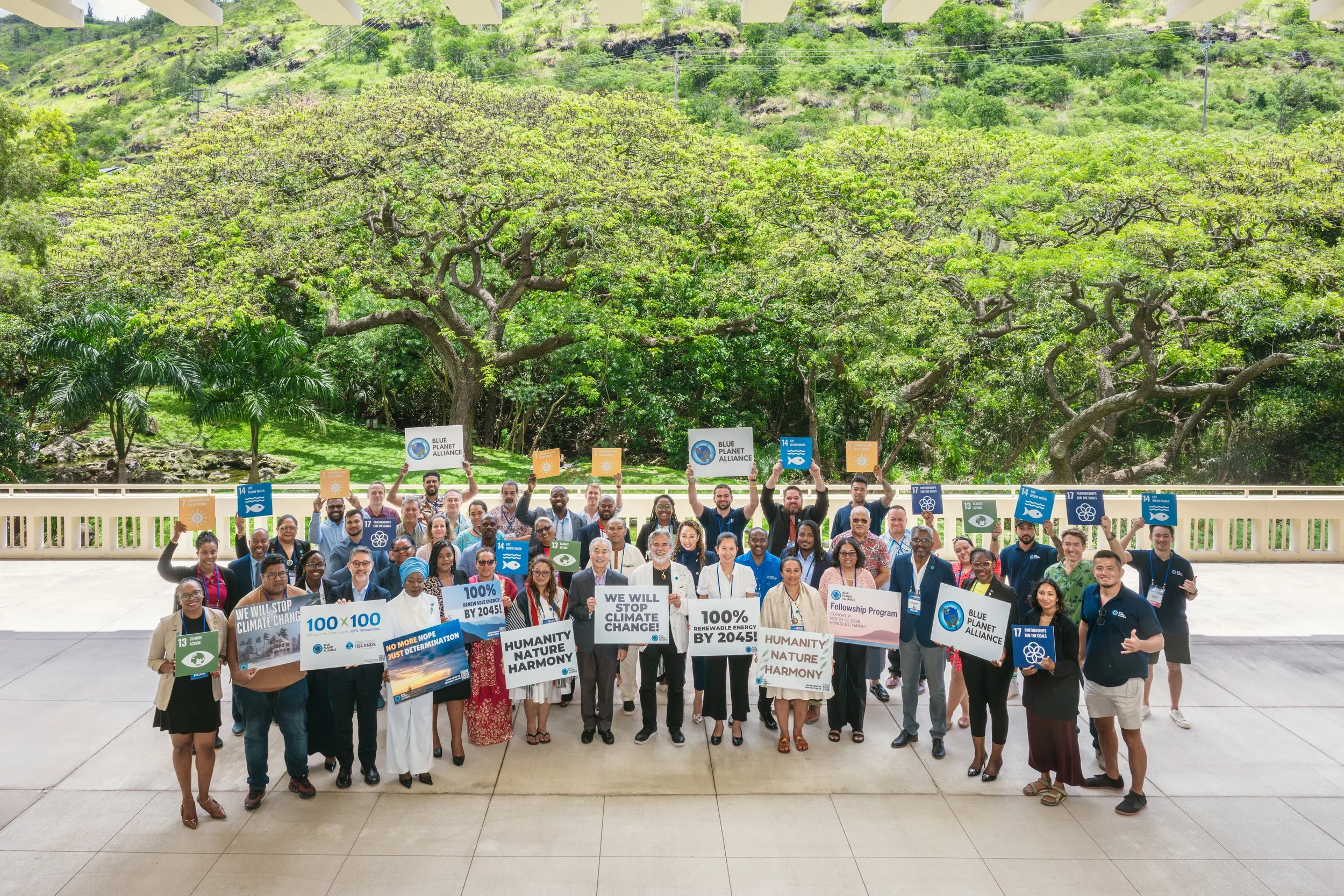
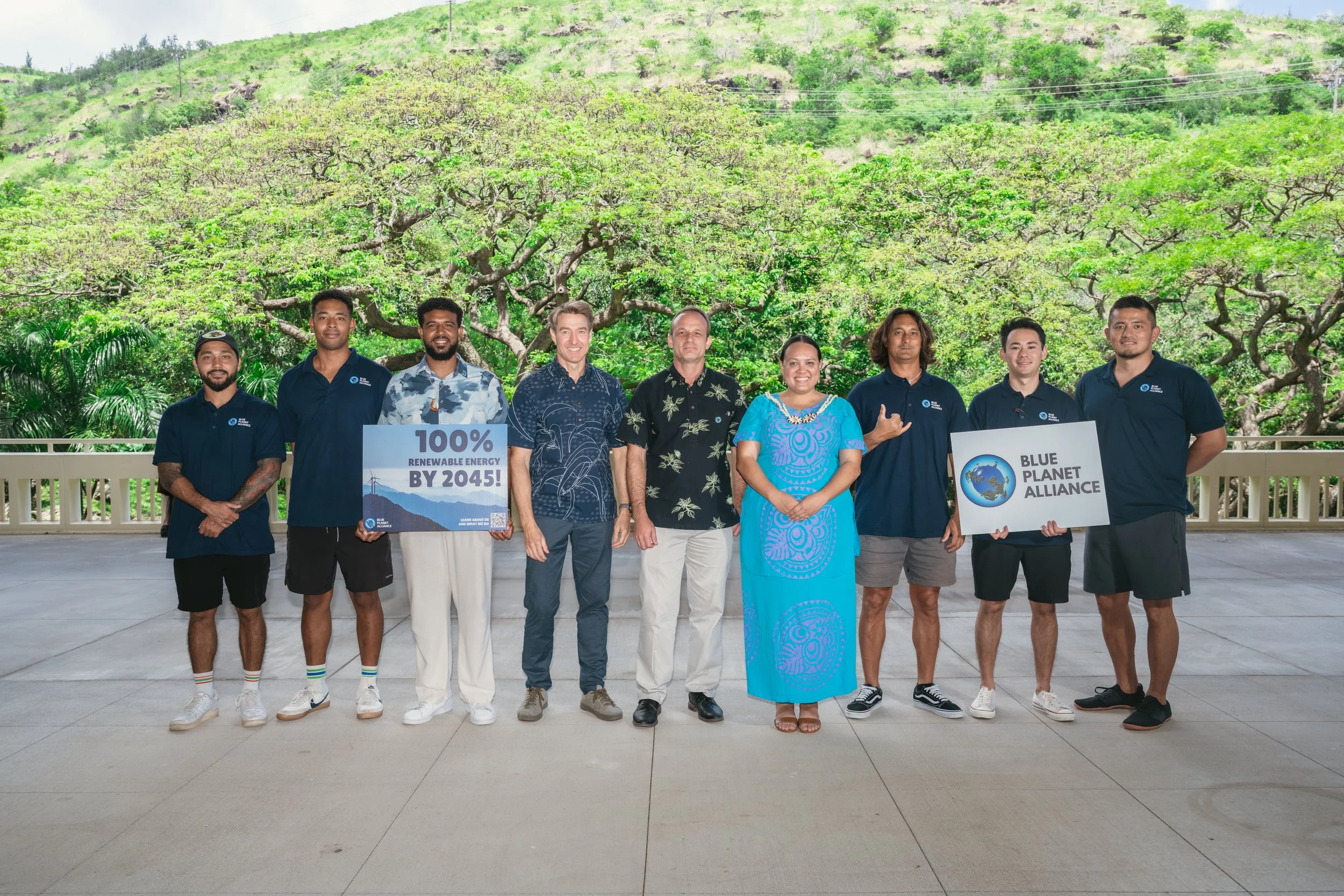
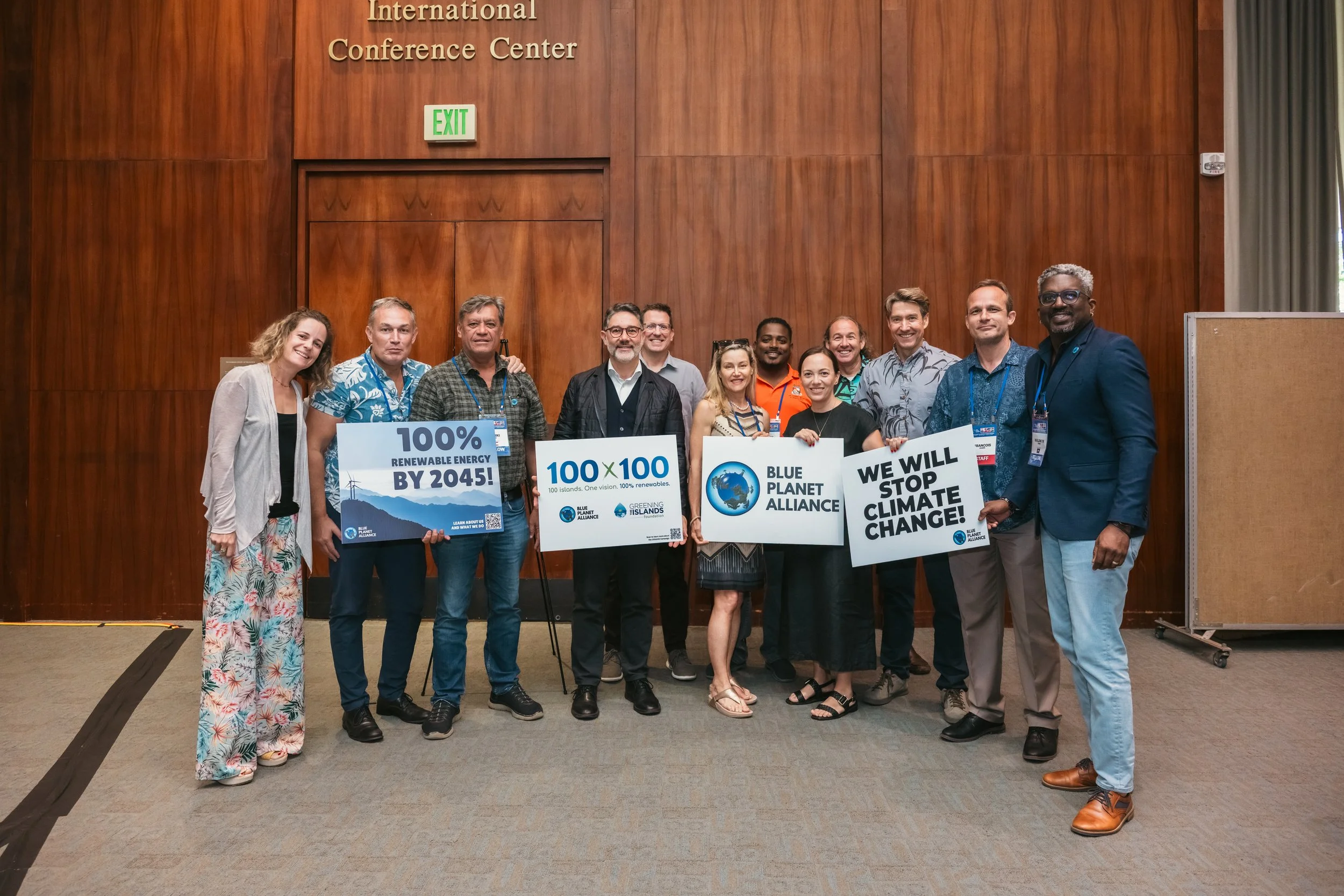
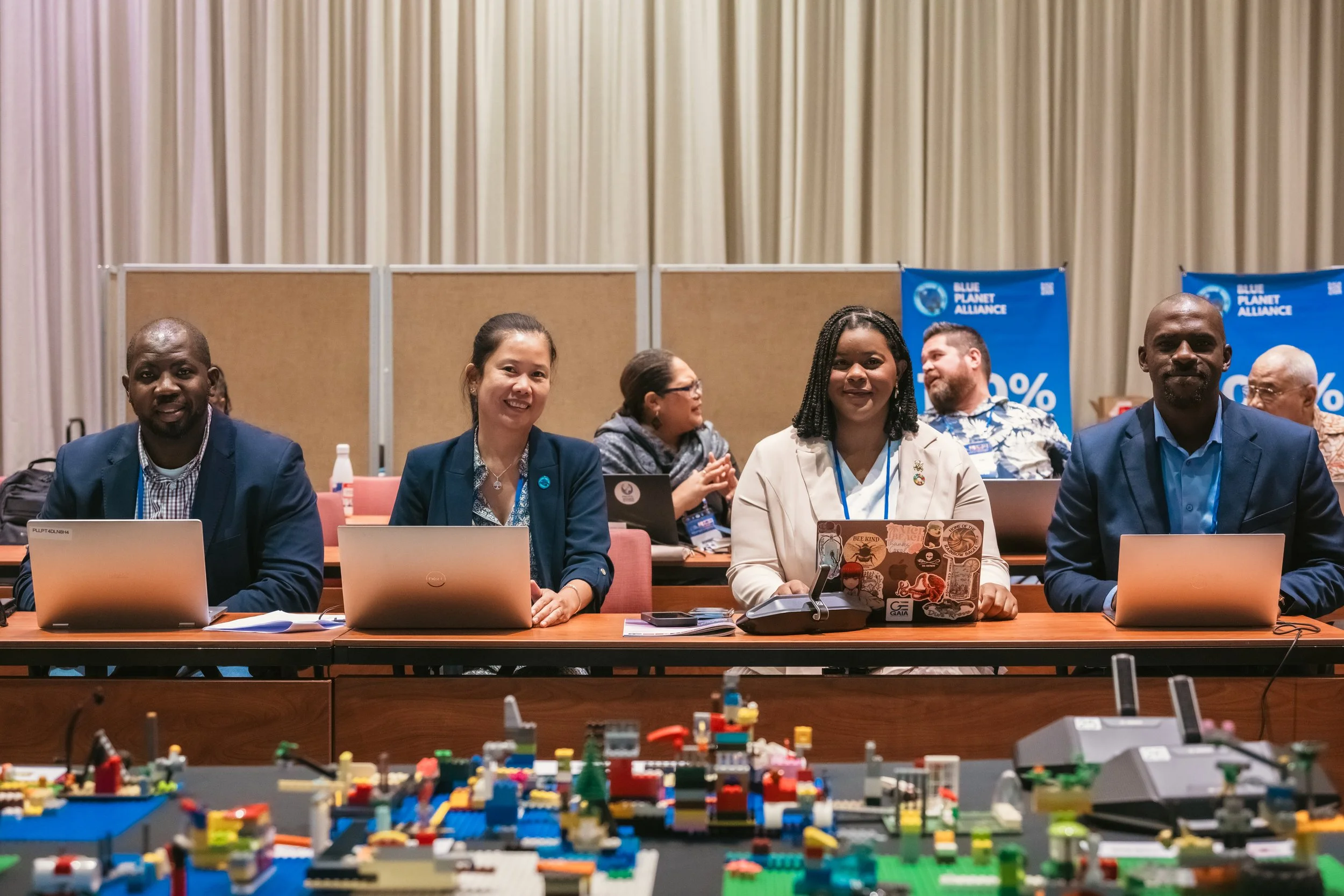
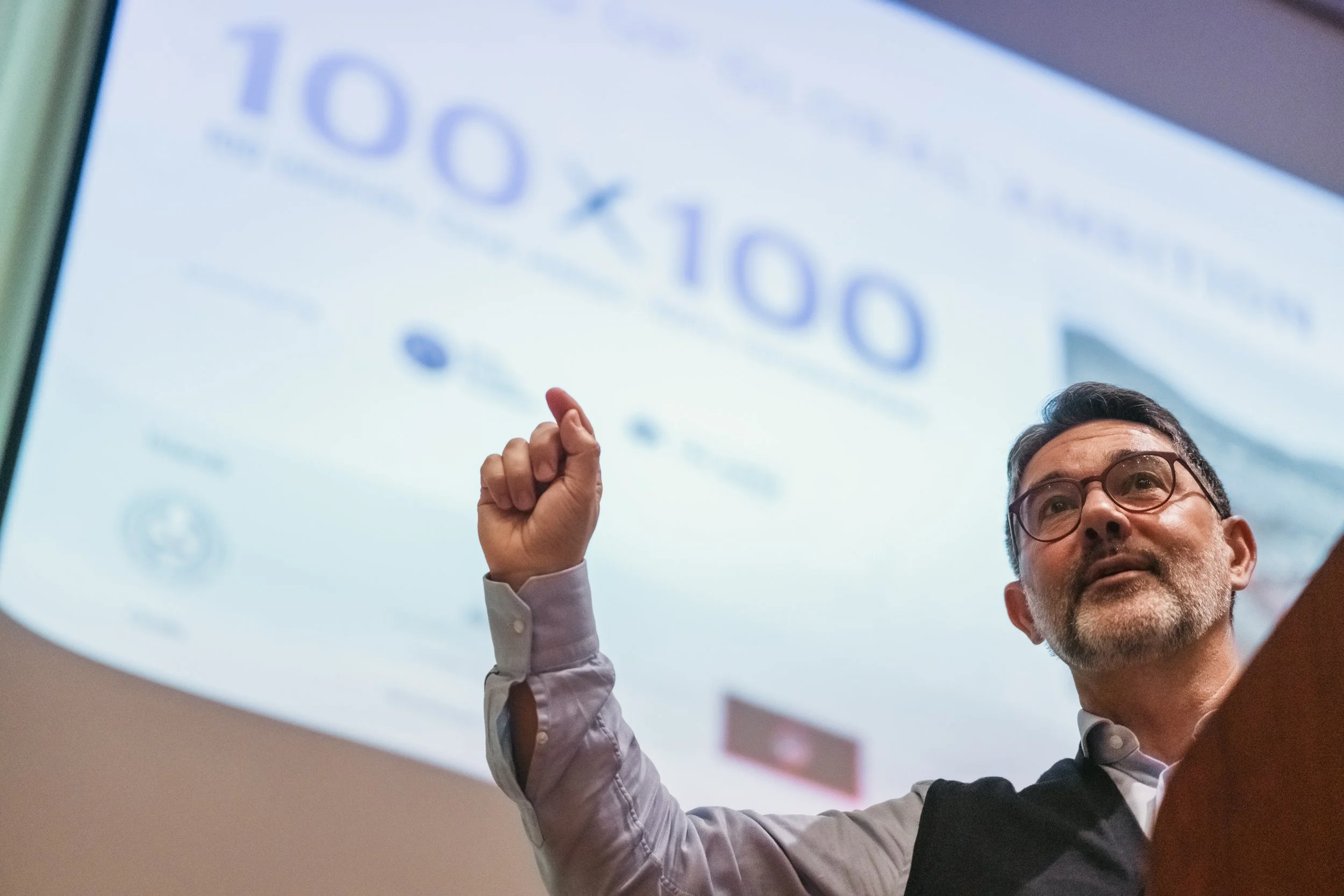
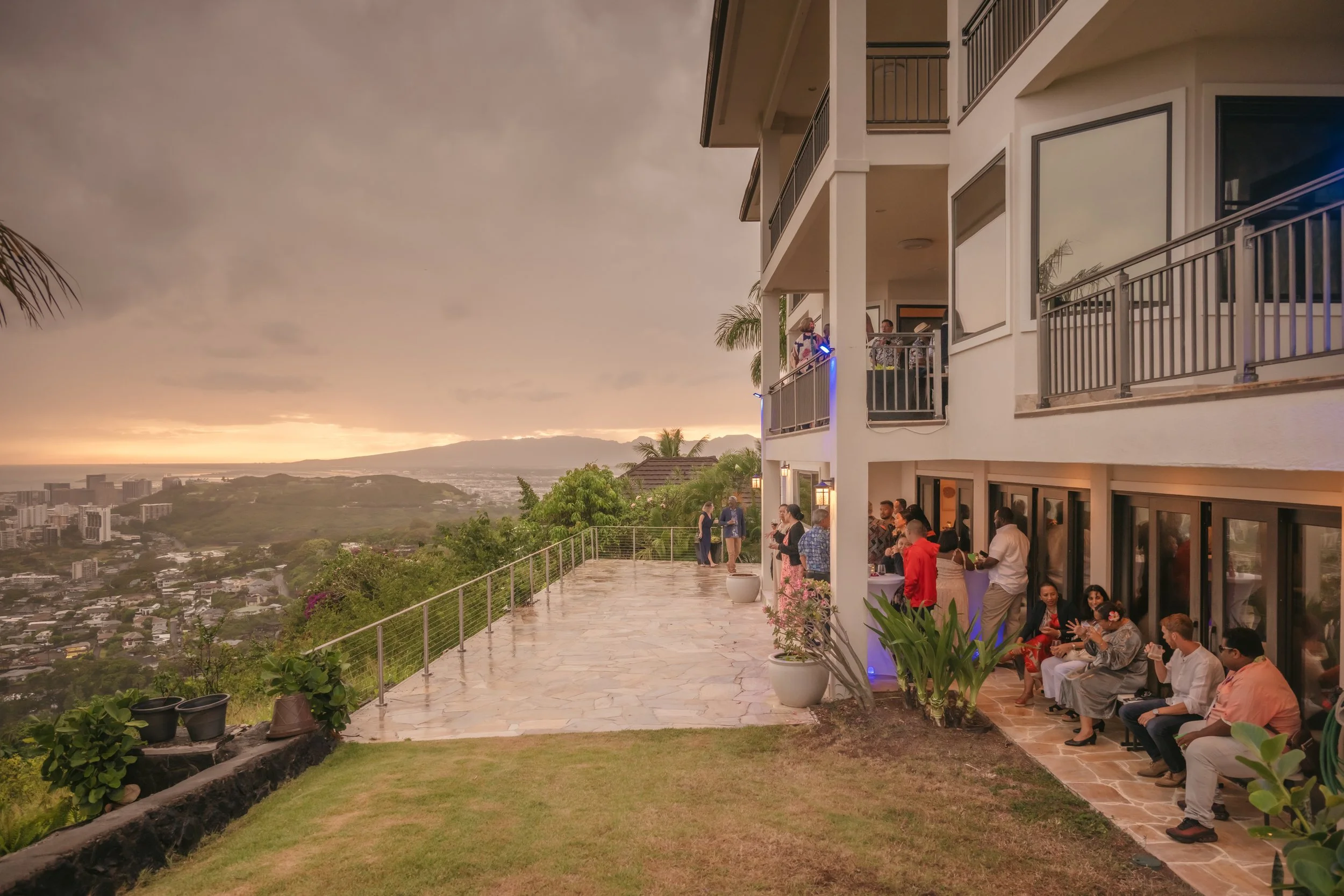
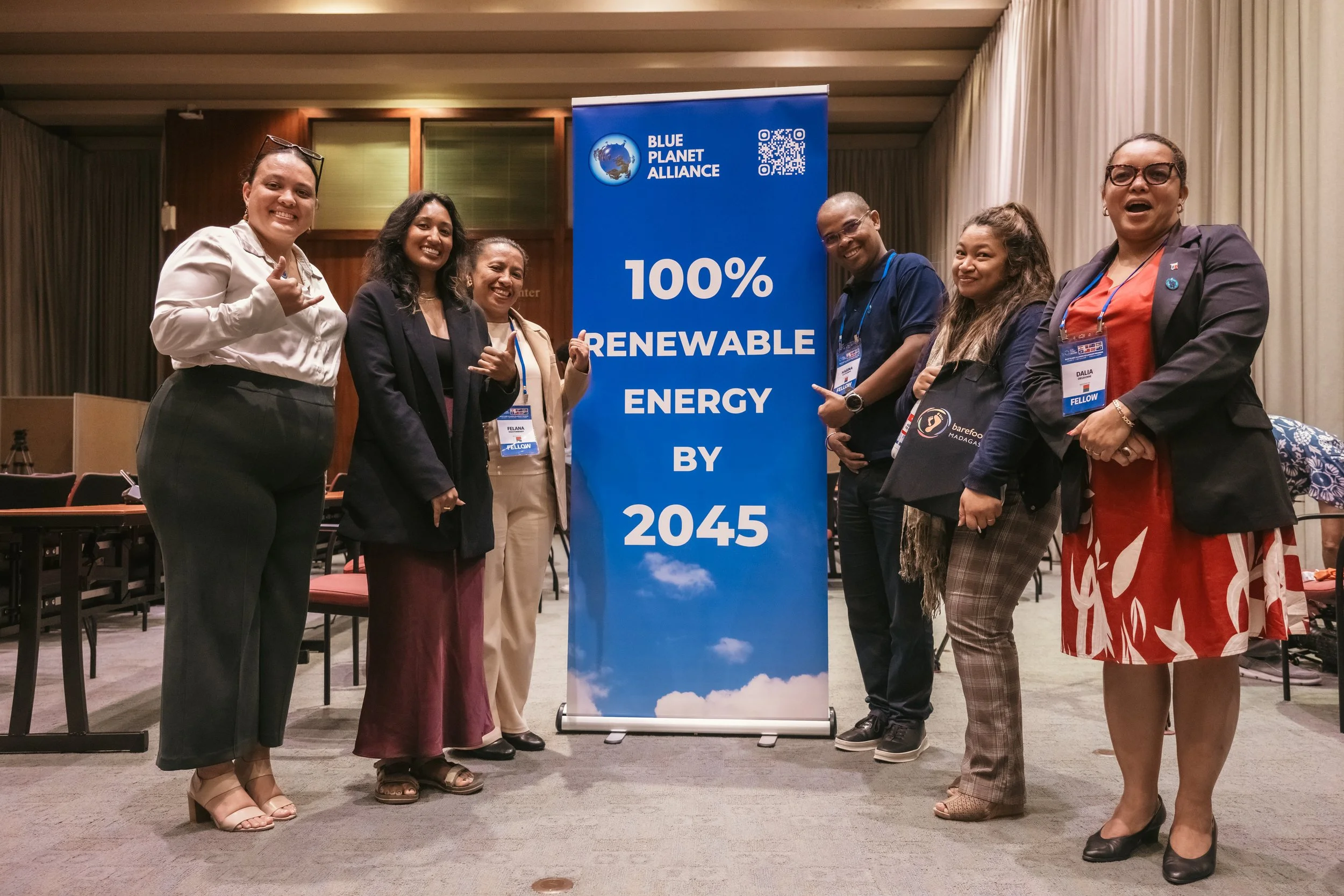
From May 10th to May 16th, 2026, Honolulu became the global epicenter for island-led climate action as we hosted Cohort VI of our Fellowship Program. Bringing together island governments, utility representatives, energy professionals, and sustainability leaders from across the globe, this week-long workshop focused on one ambitious, non-negotiable goal: empowering islands to transition to 100% renewable energy by 2045.
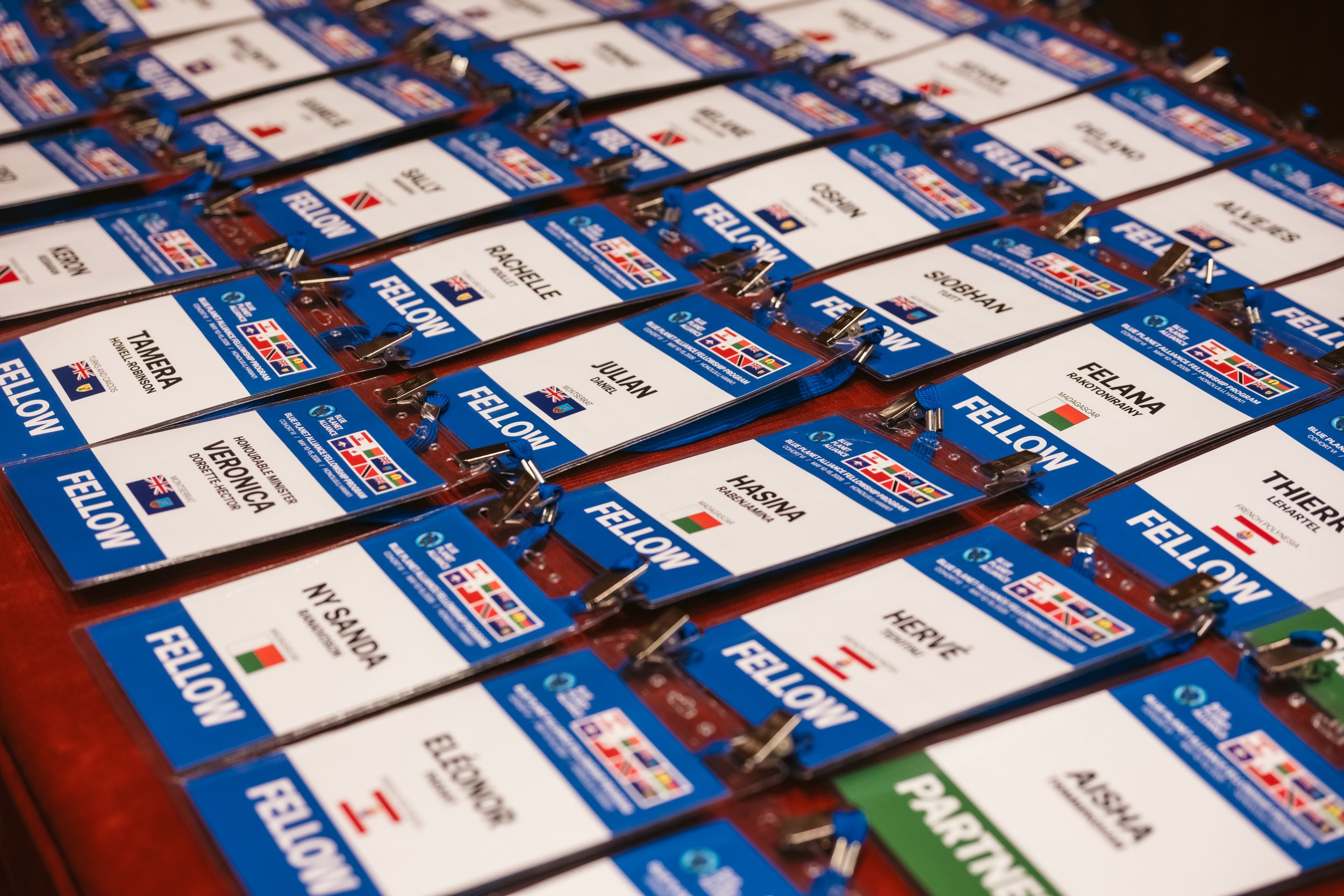
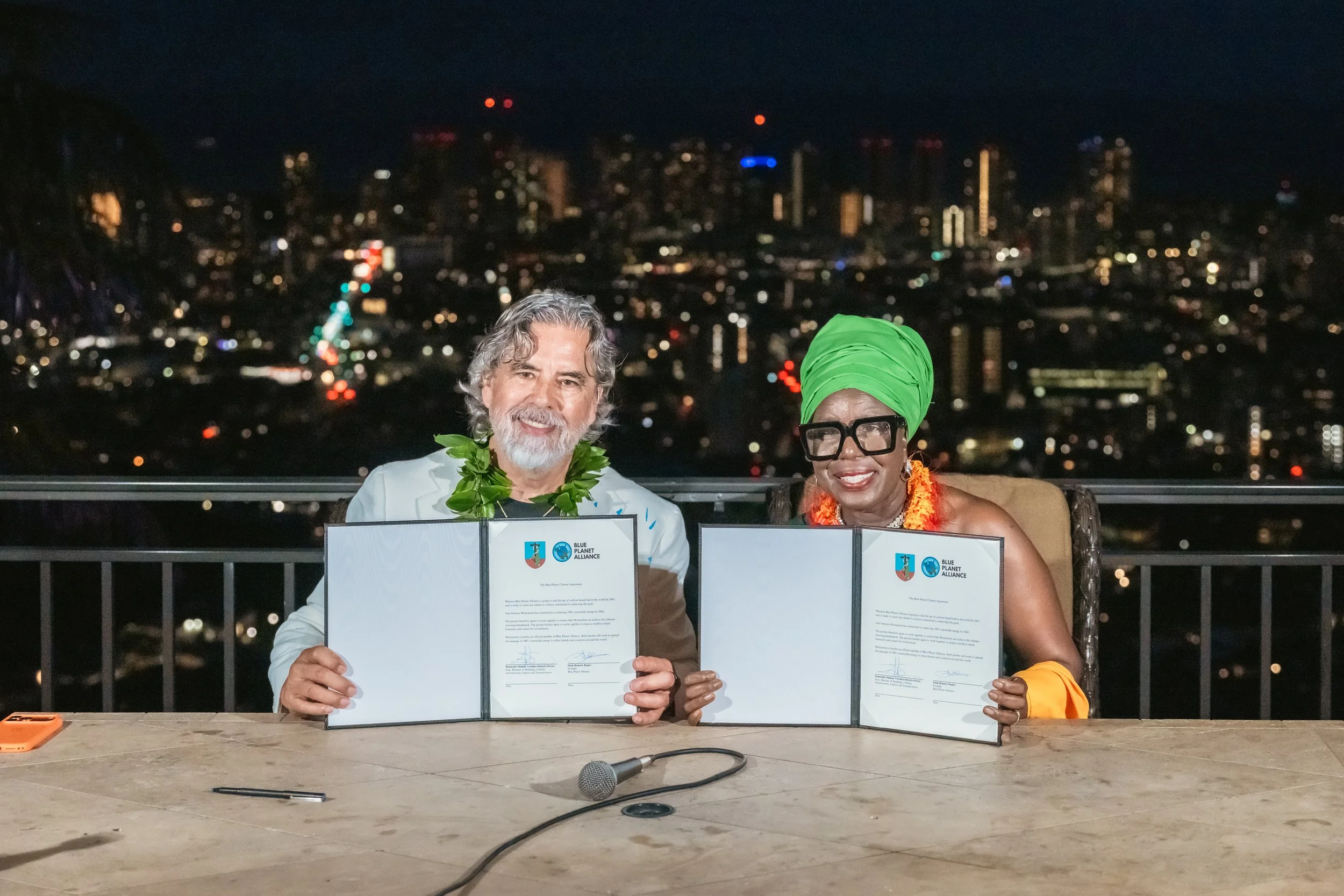
This cohort marked a historic milestone for the region. Sint Eustatius (Statia) made history as the very first Dutch Caribbean island to join the fellowship, while Montserrat proudly added its name to the global movement as a new Blue Planet Climate Agreement (BPCA) signee. Alongside delegates from other forward-thinking island nations and territories, these leaders gathered to replicate the legislative and operational roadmap that famously allowed Hawaii to become the first U.S. state to mandate a 100% clean energy future.
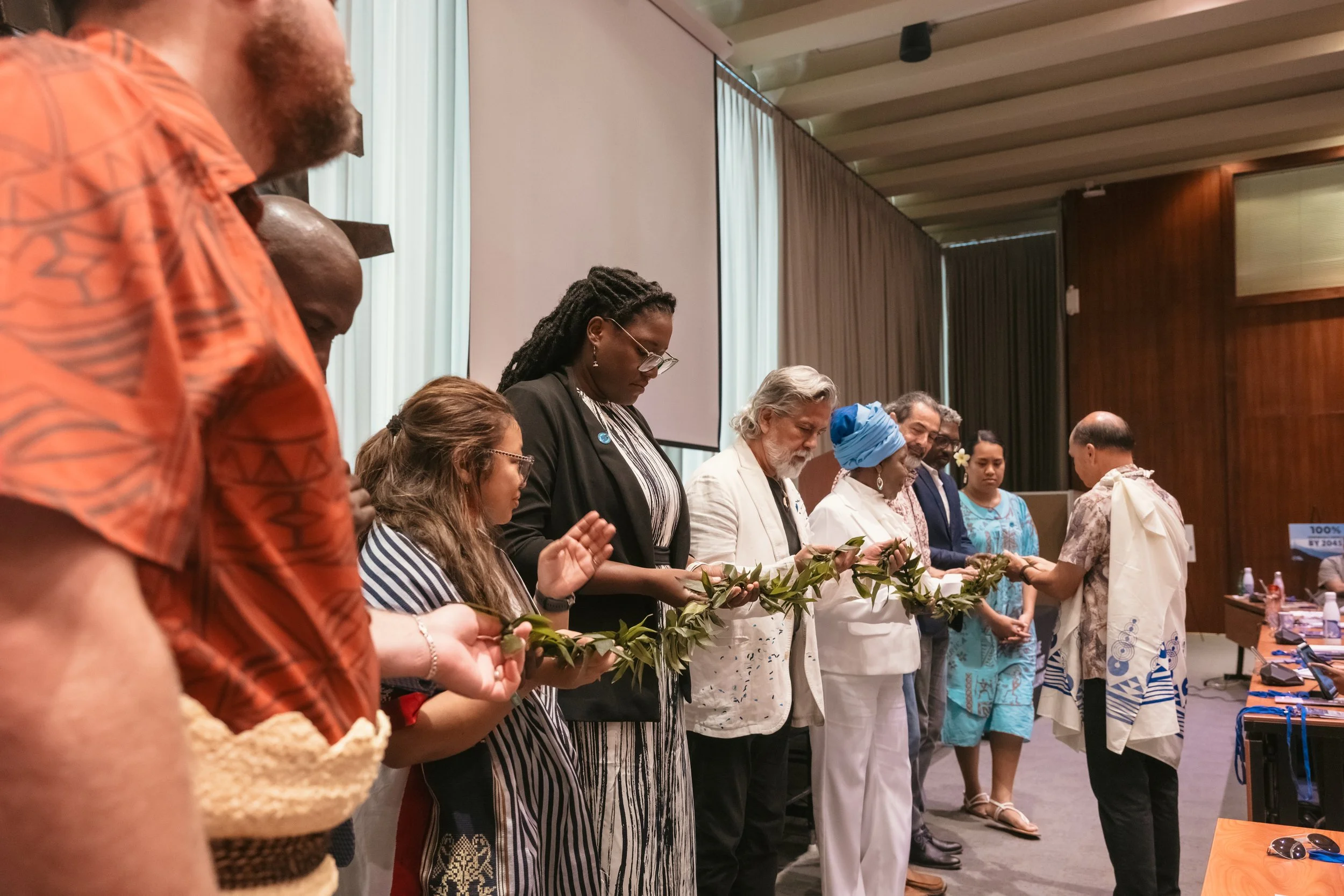
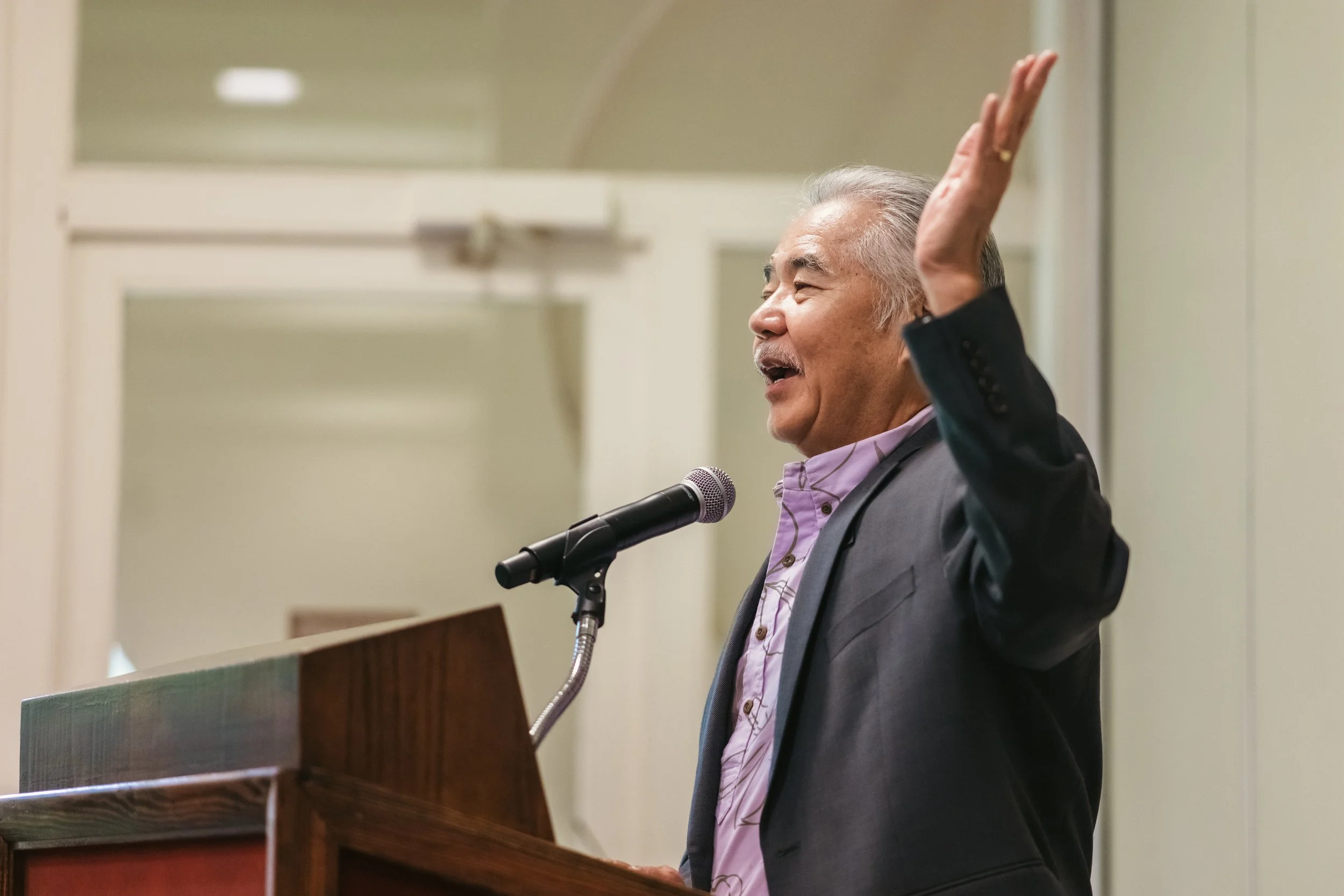
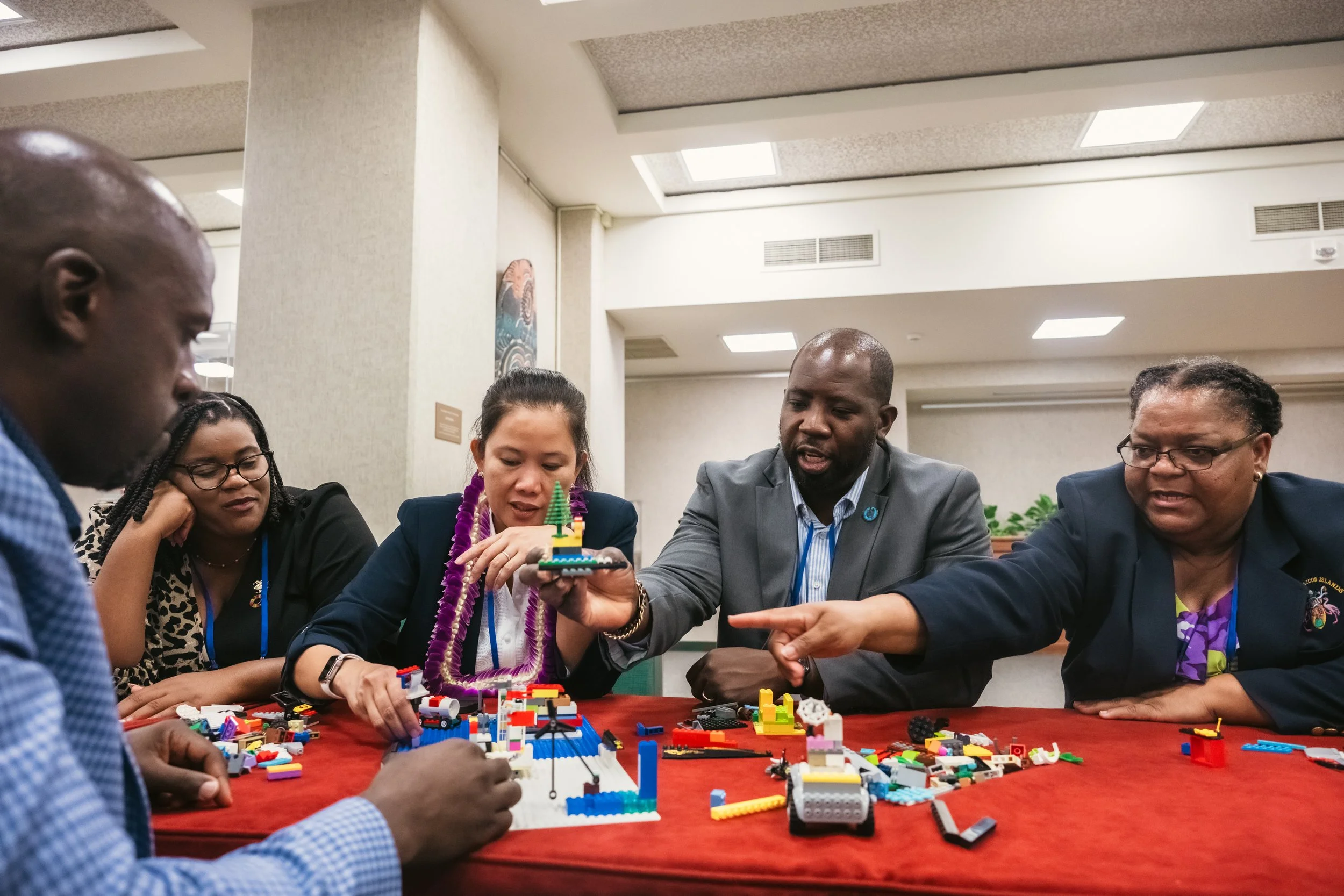
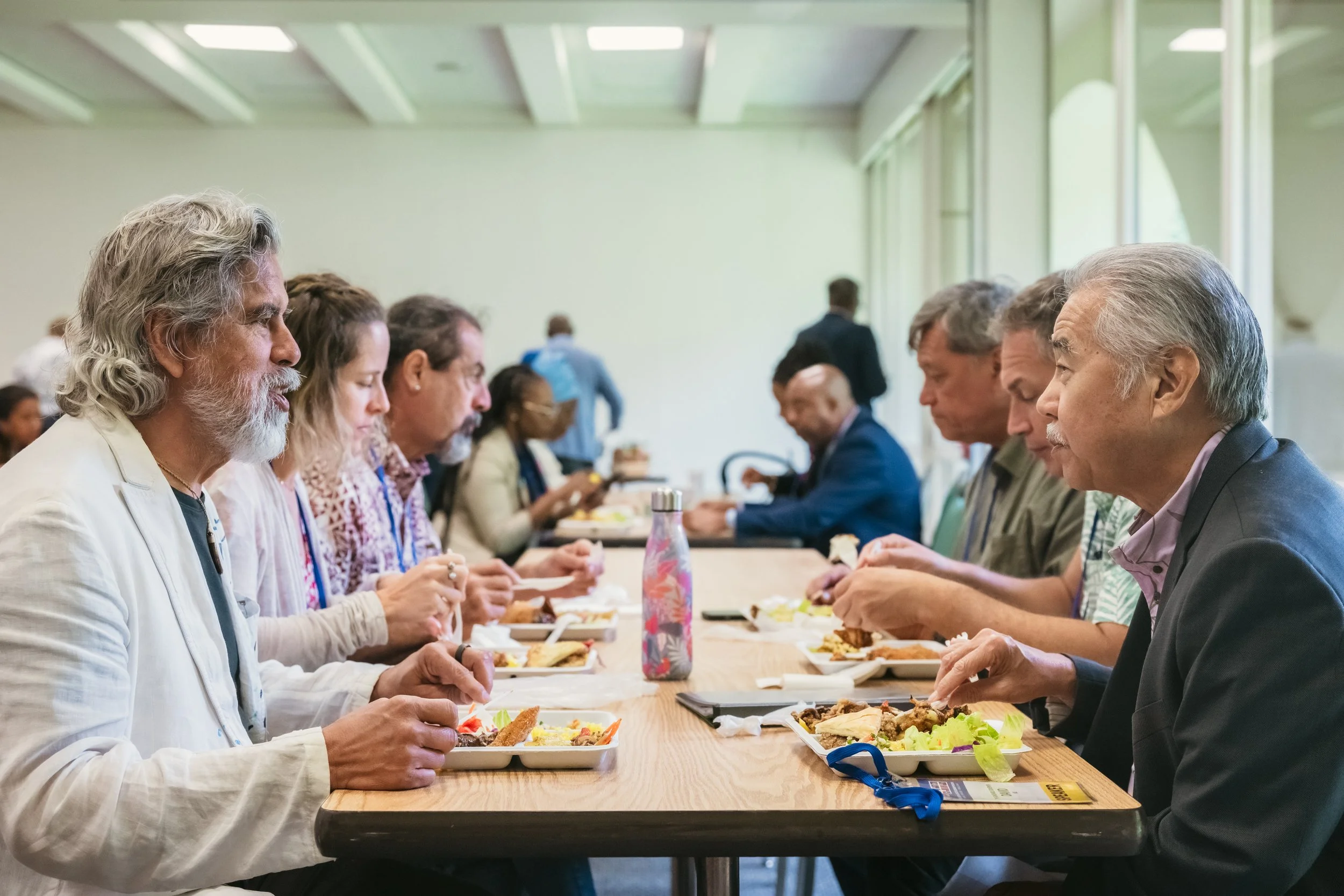
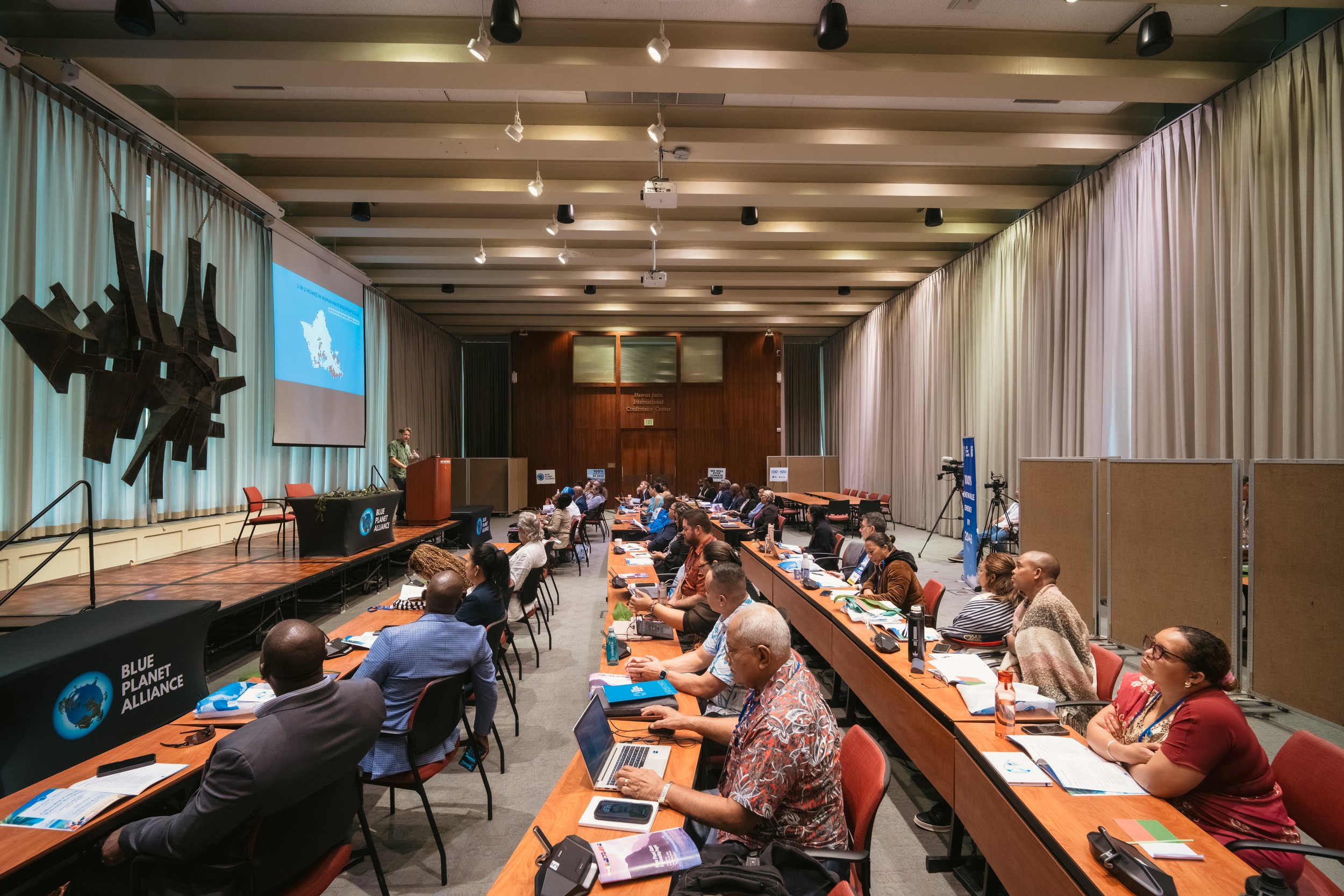
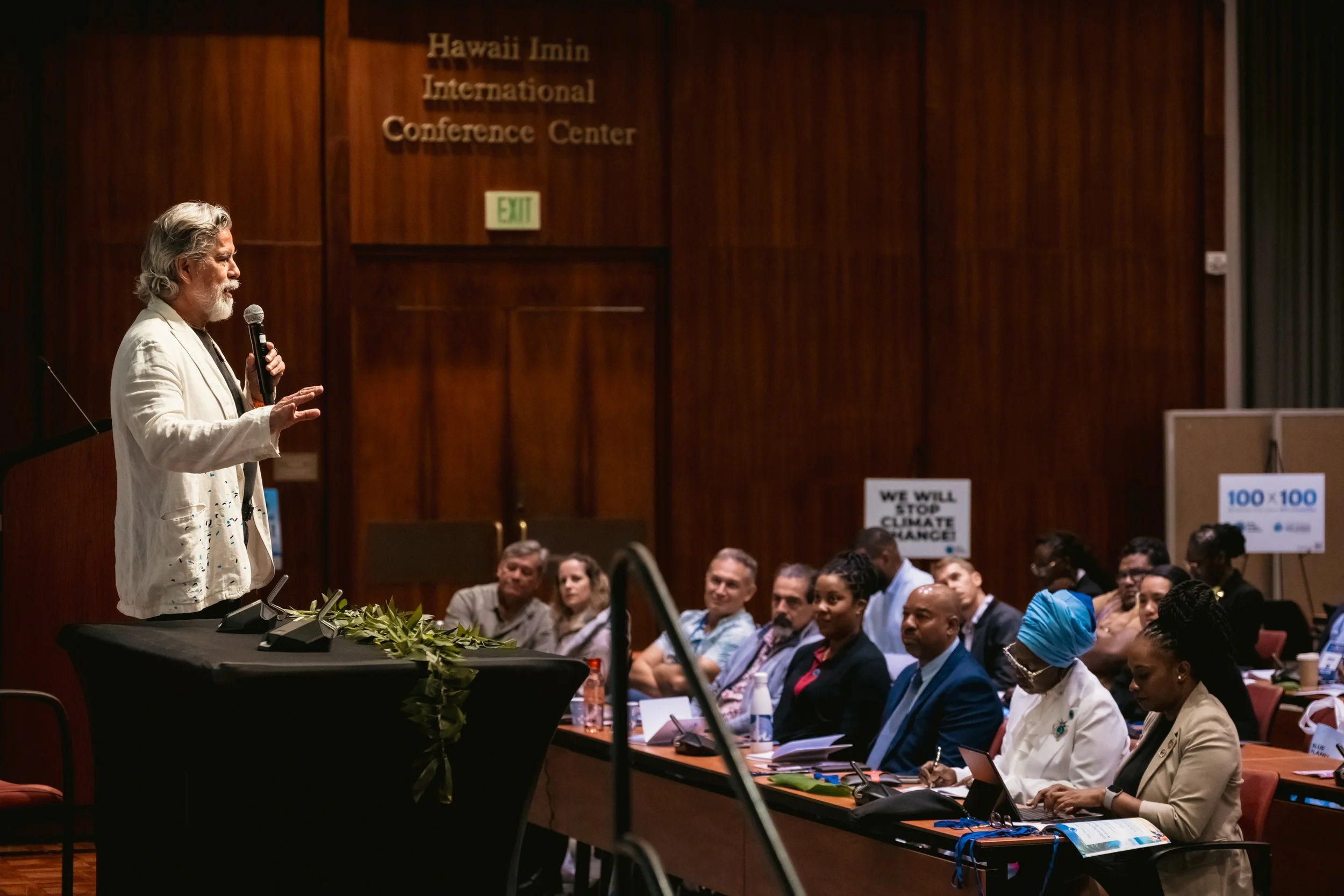
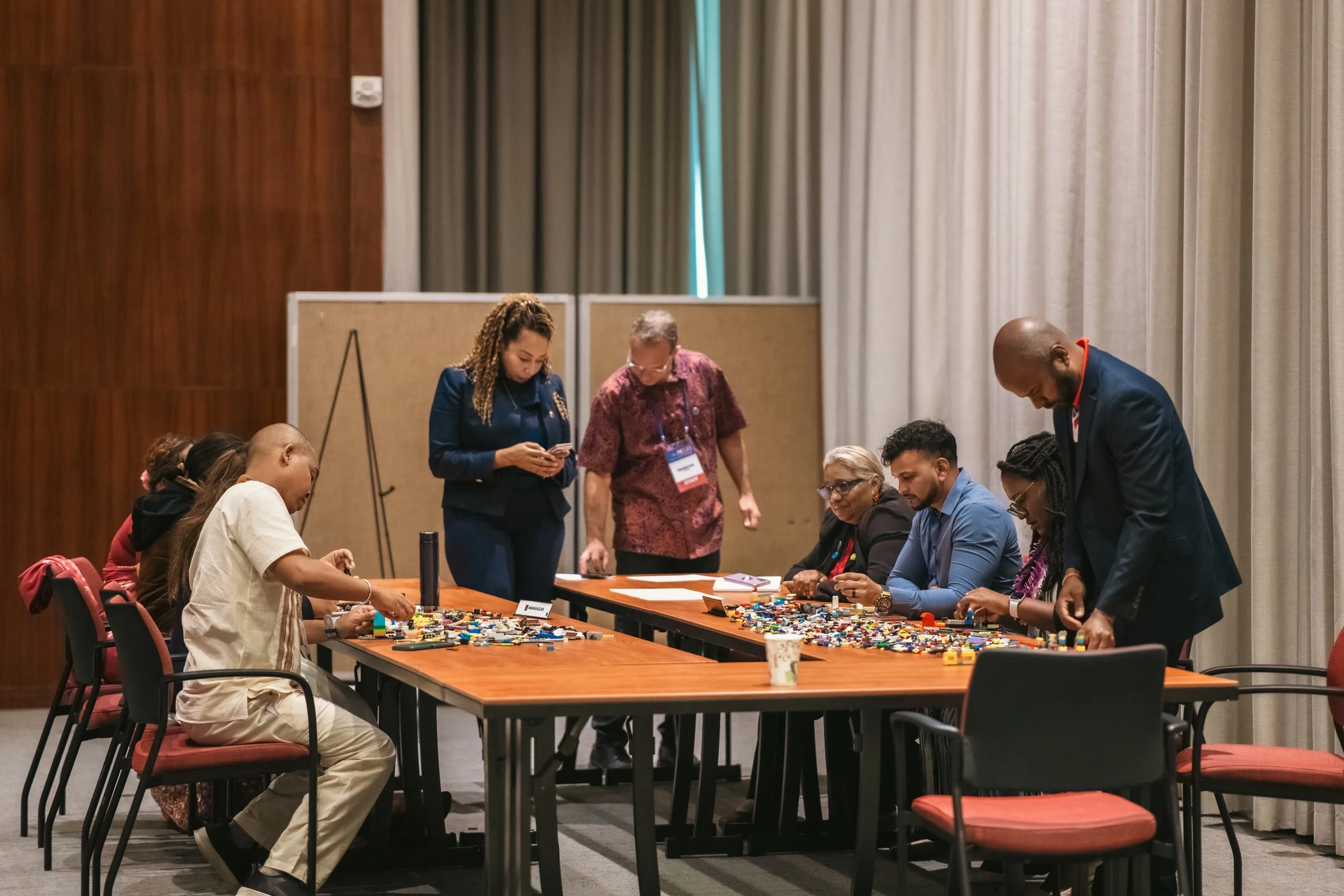
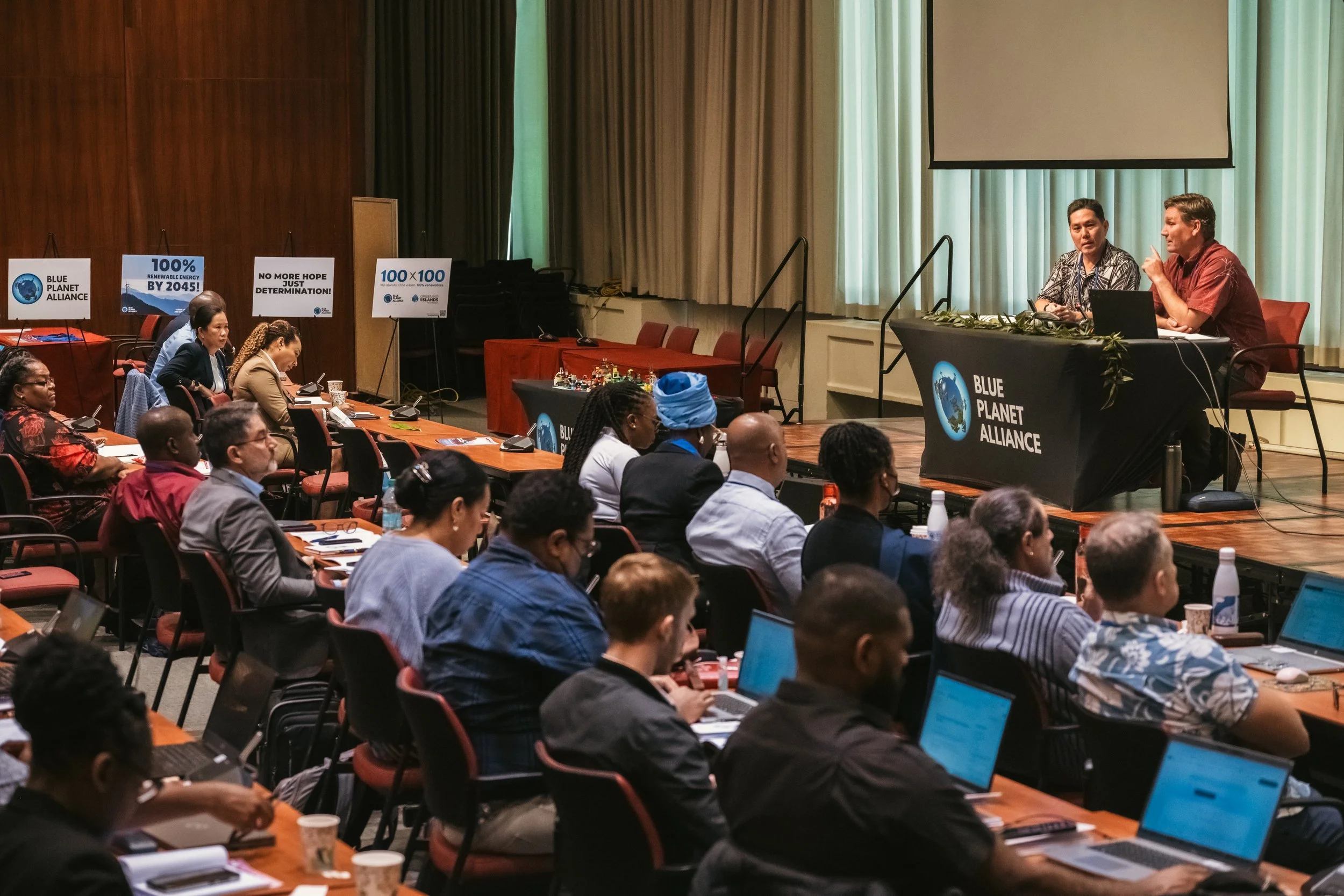
Day 1: Welcome and the Hawai’i Blueprint
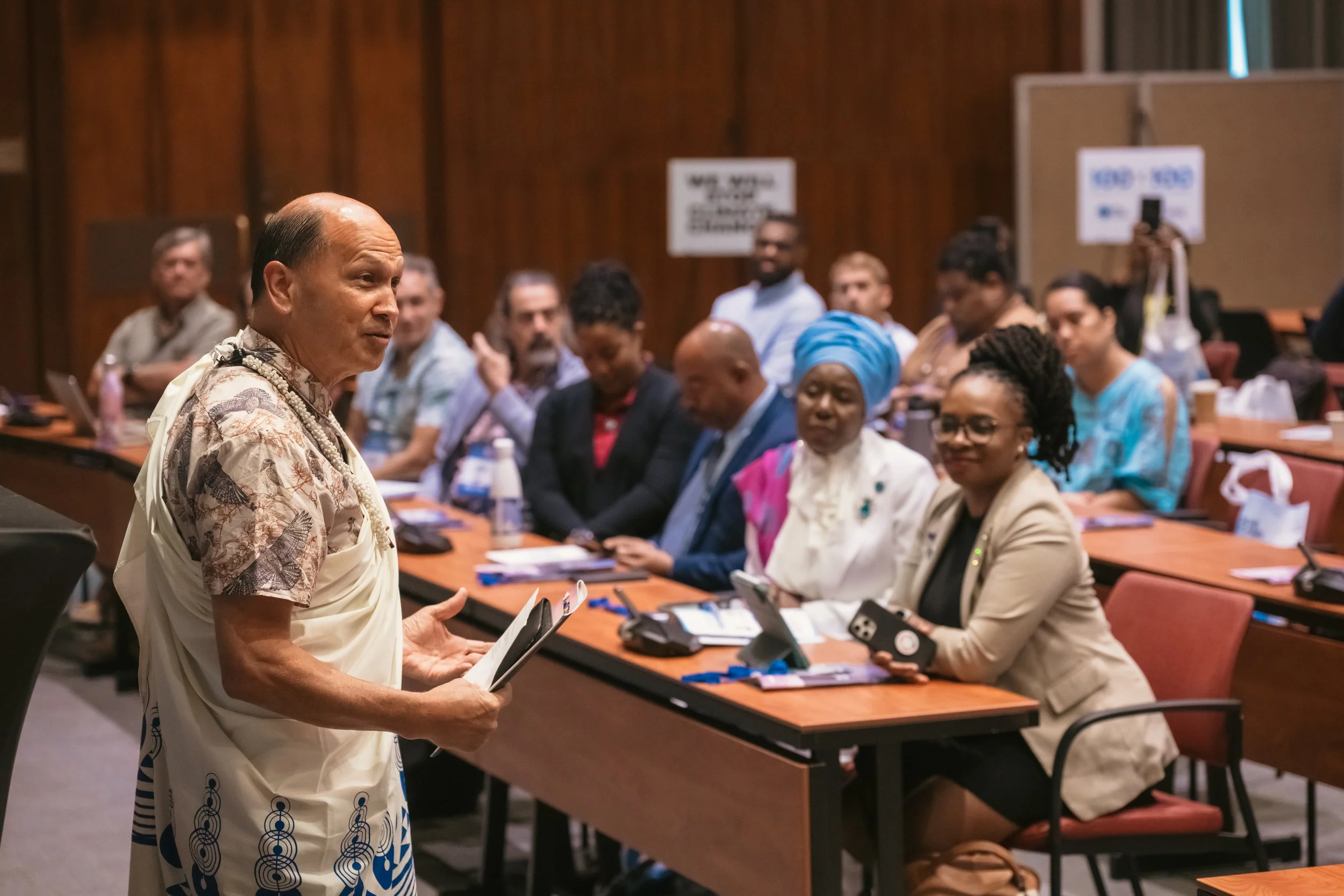
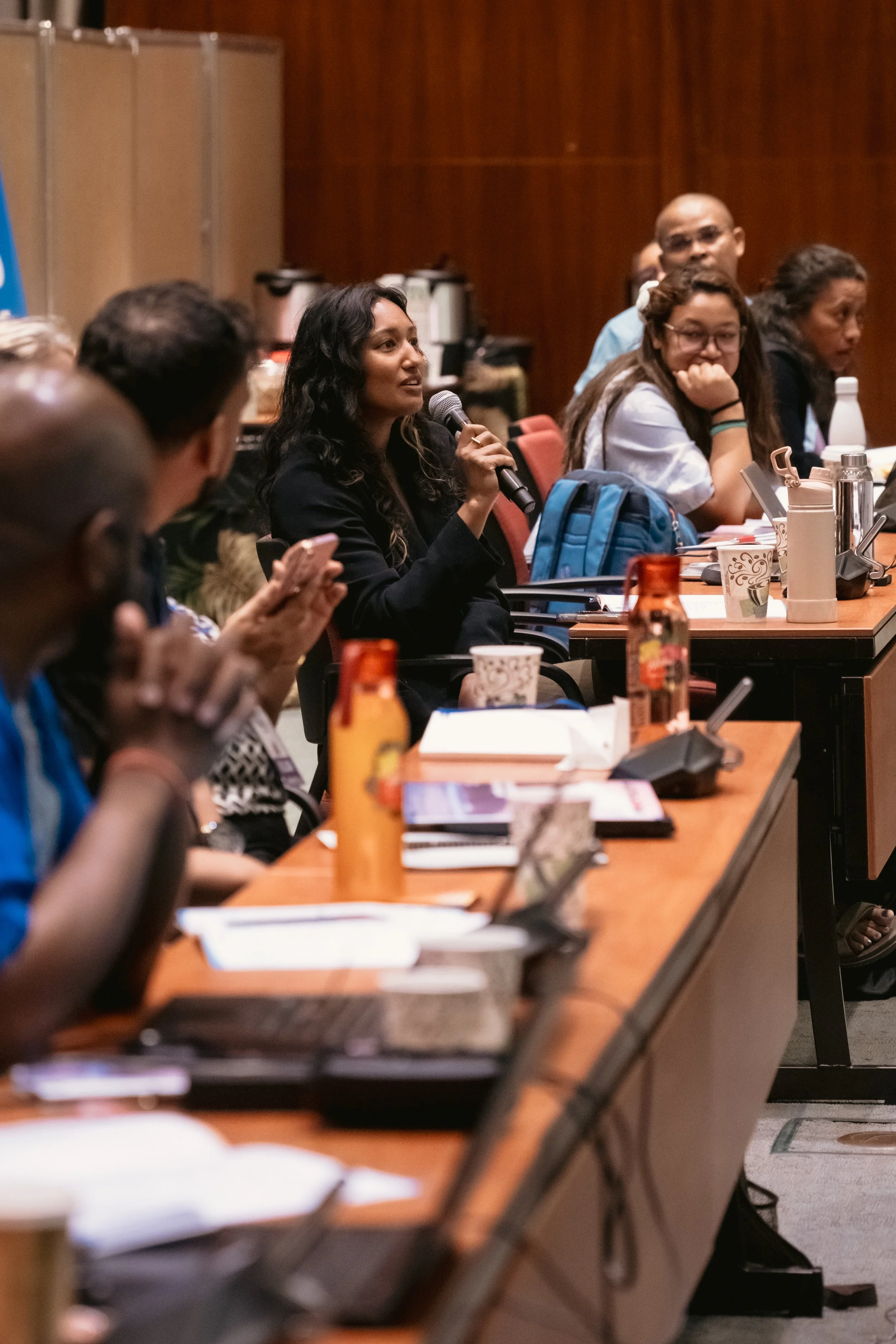
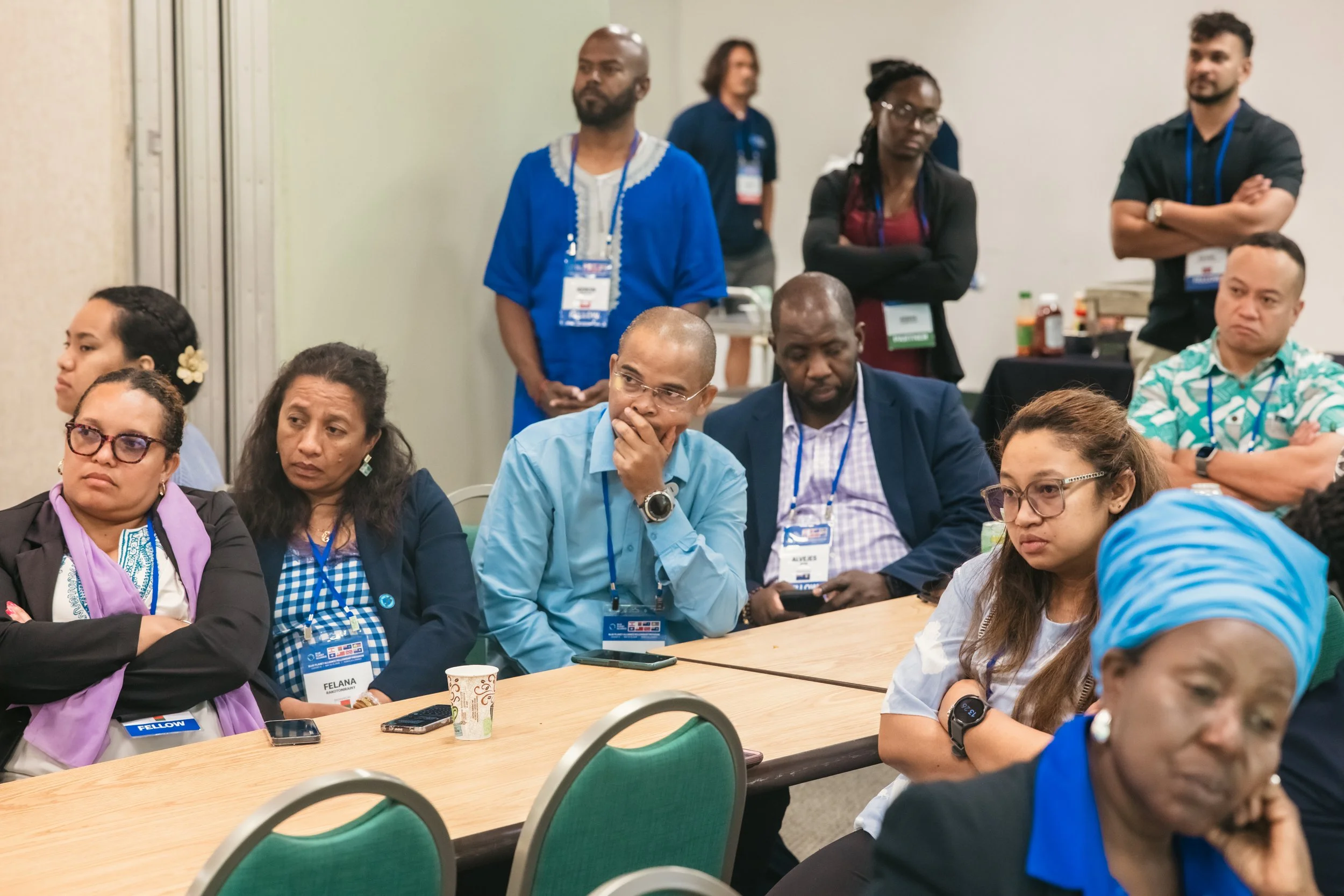
The fellowship kicked off with cultural grounding and an introduction to Hawai’i's landmark 2015 clean energy legislation. Fellows shared their home-island realities, identifying the unique financial and environmental burdens of relying on imported fossil fuels.
Aligning the cohort under the shared vision of Hawaii’s success establishes a tangible, historical proof-of-concept. Proving that a 100% renewable transition is entirely achievable for isolated island grids directly modifies public sector behavior by shifting the political conversation from "if" to "how."
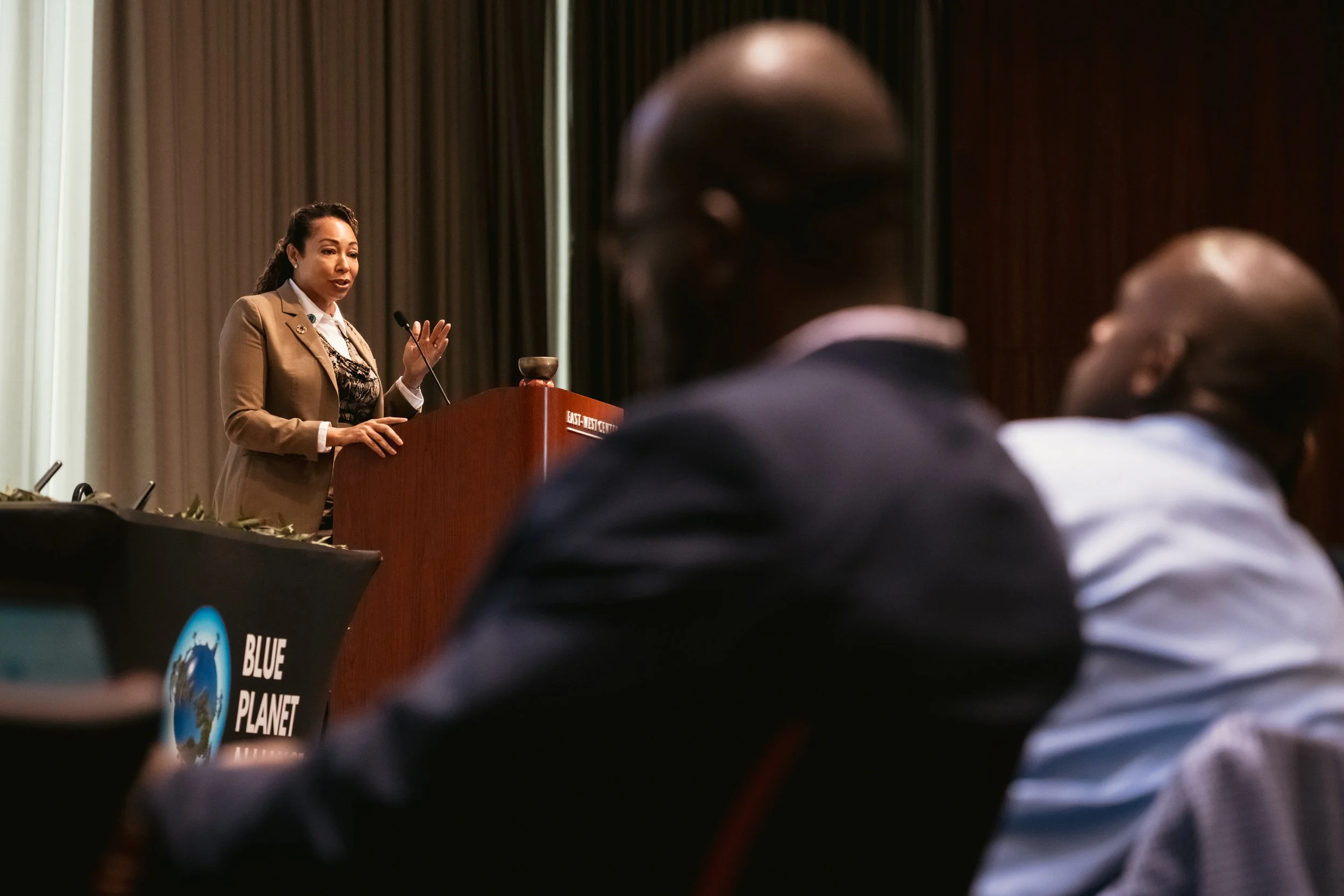
Day 2: Policy, Regulation, and the Grid
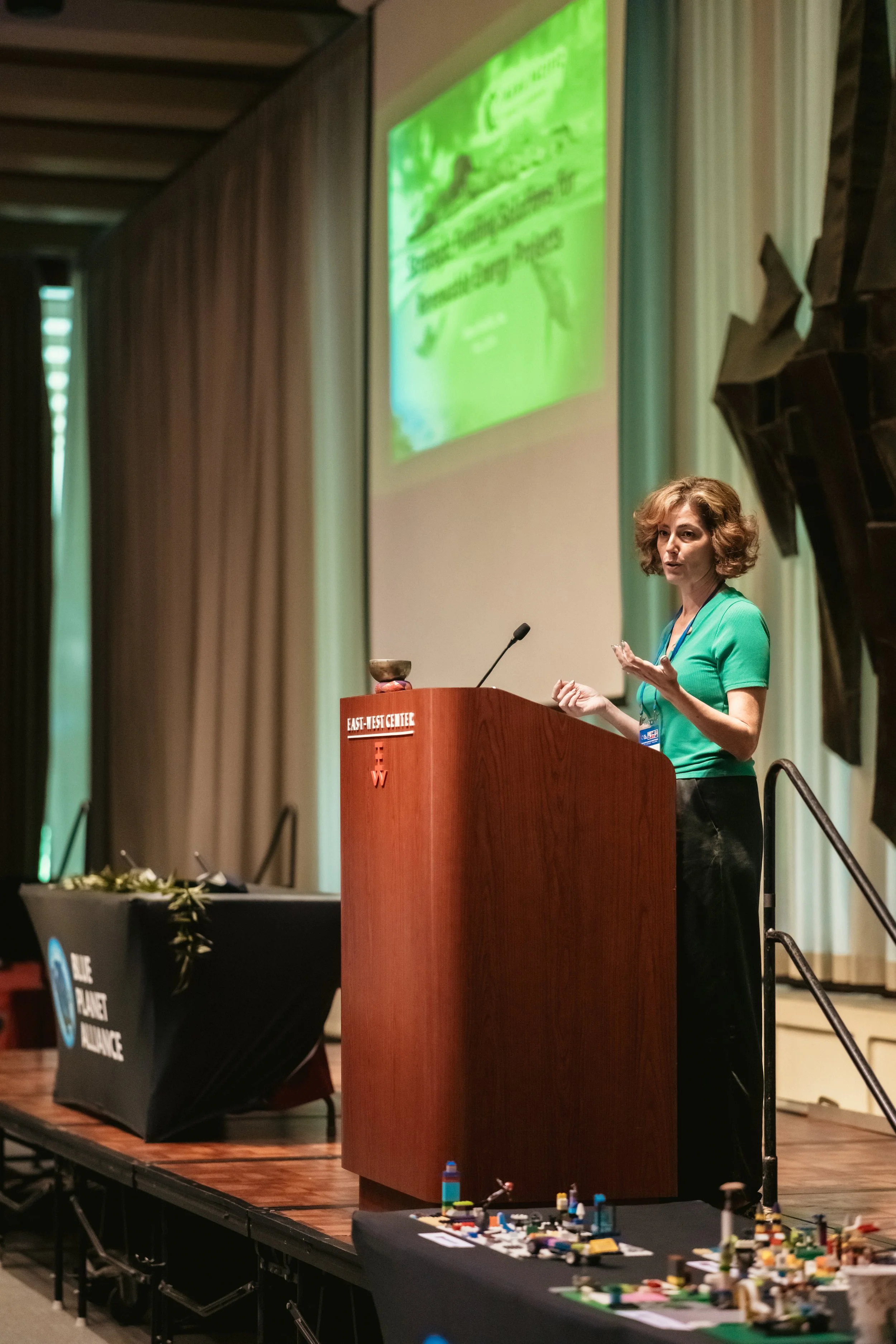
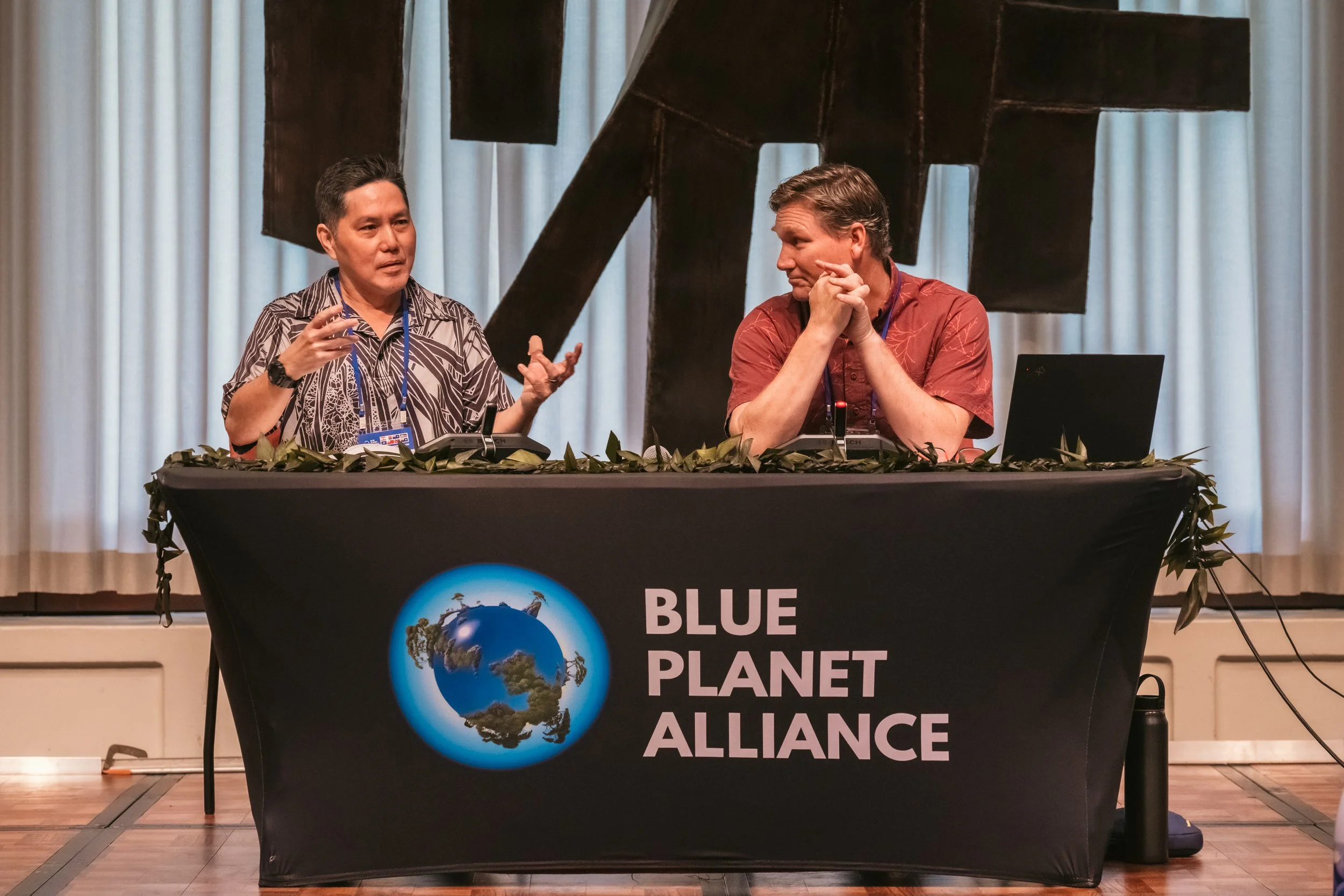
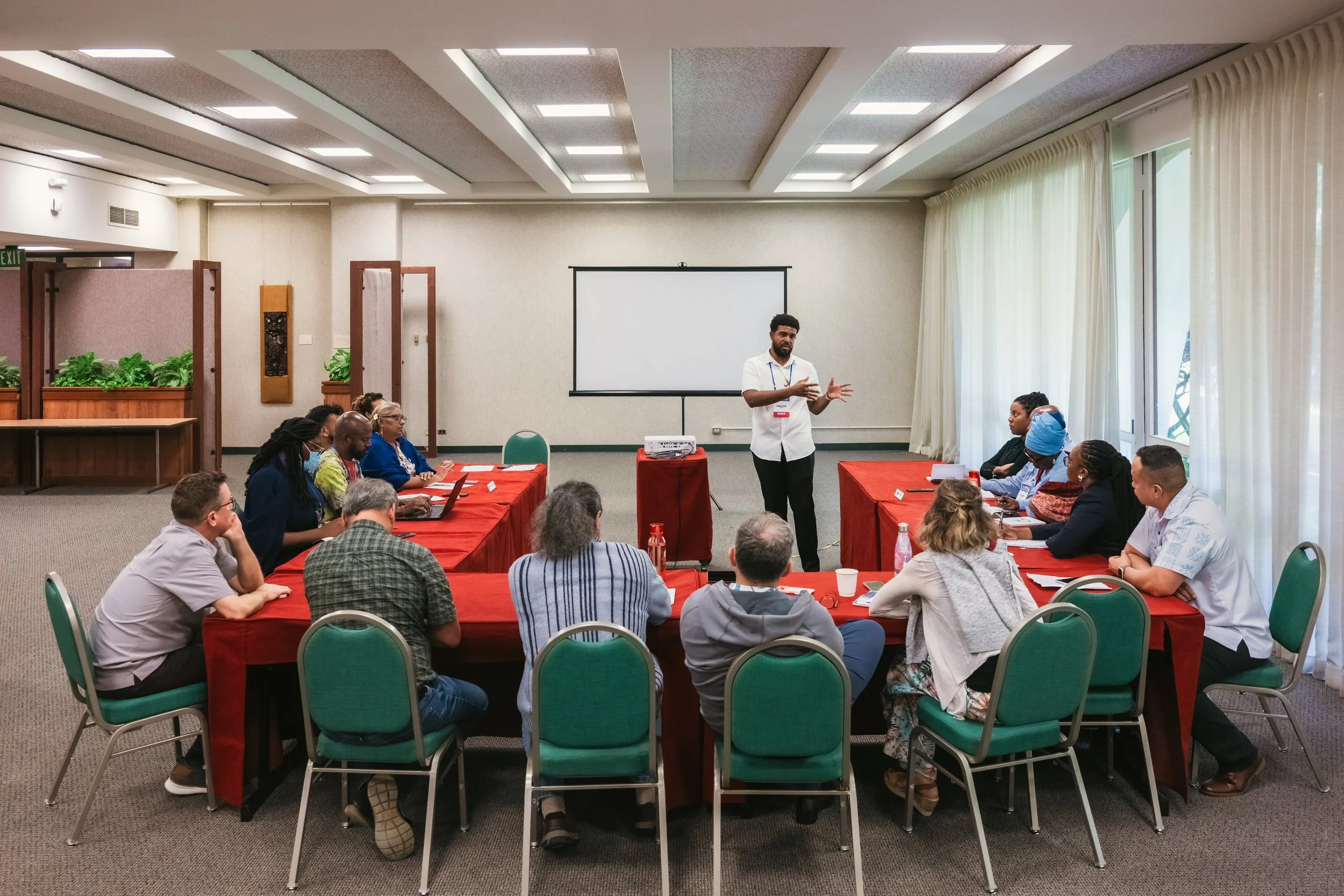
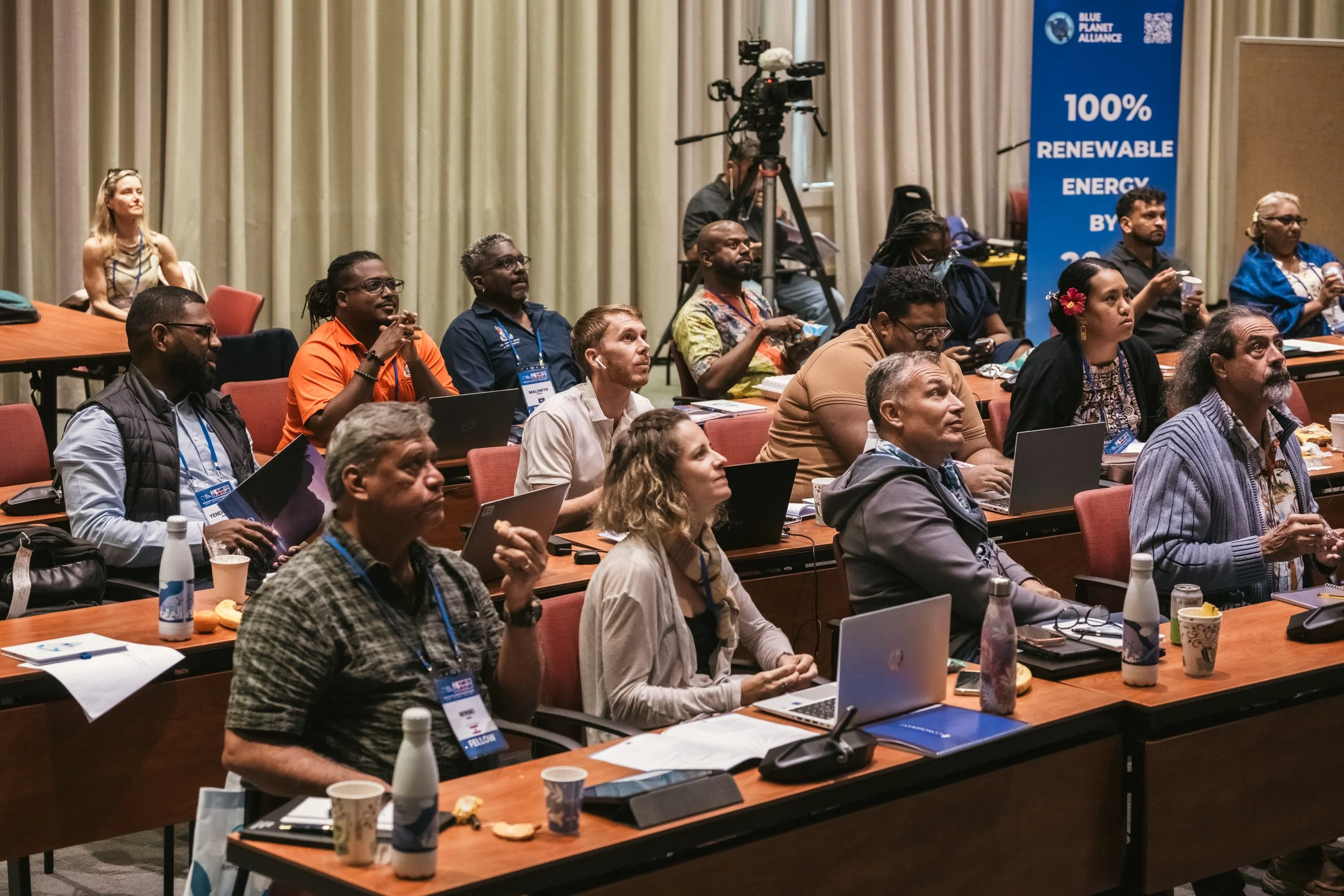
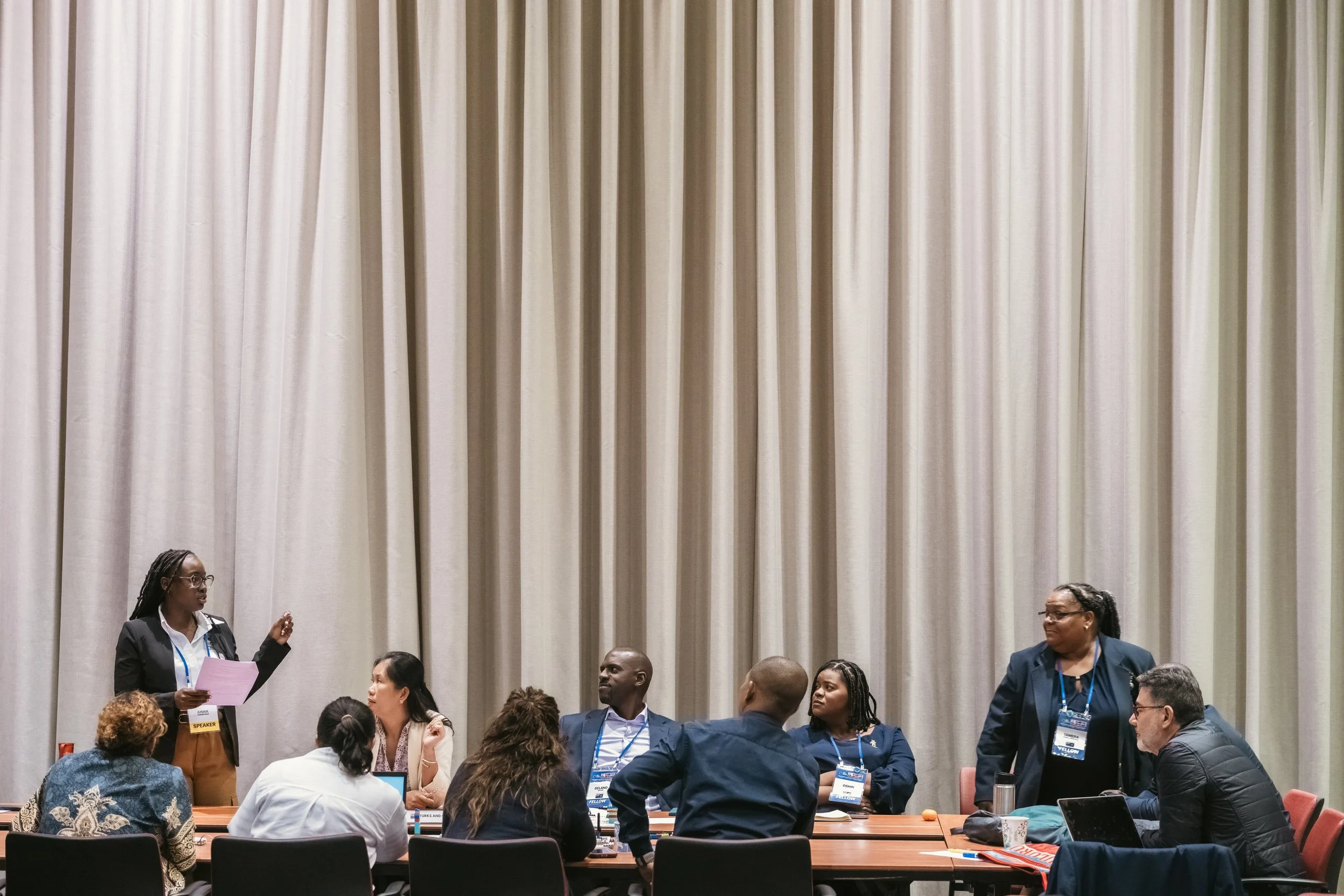
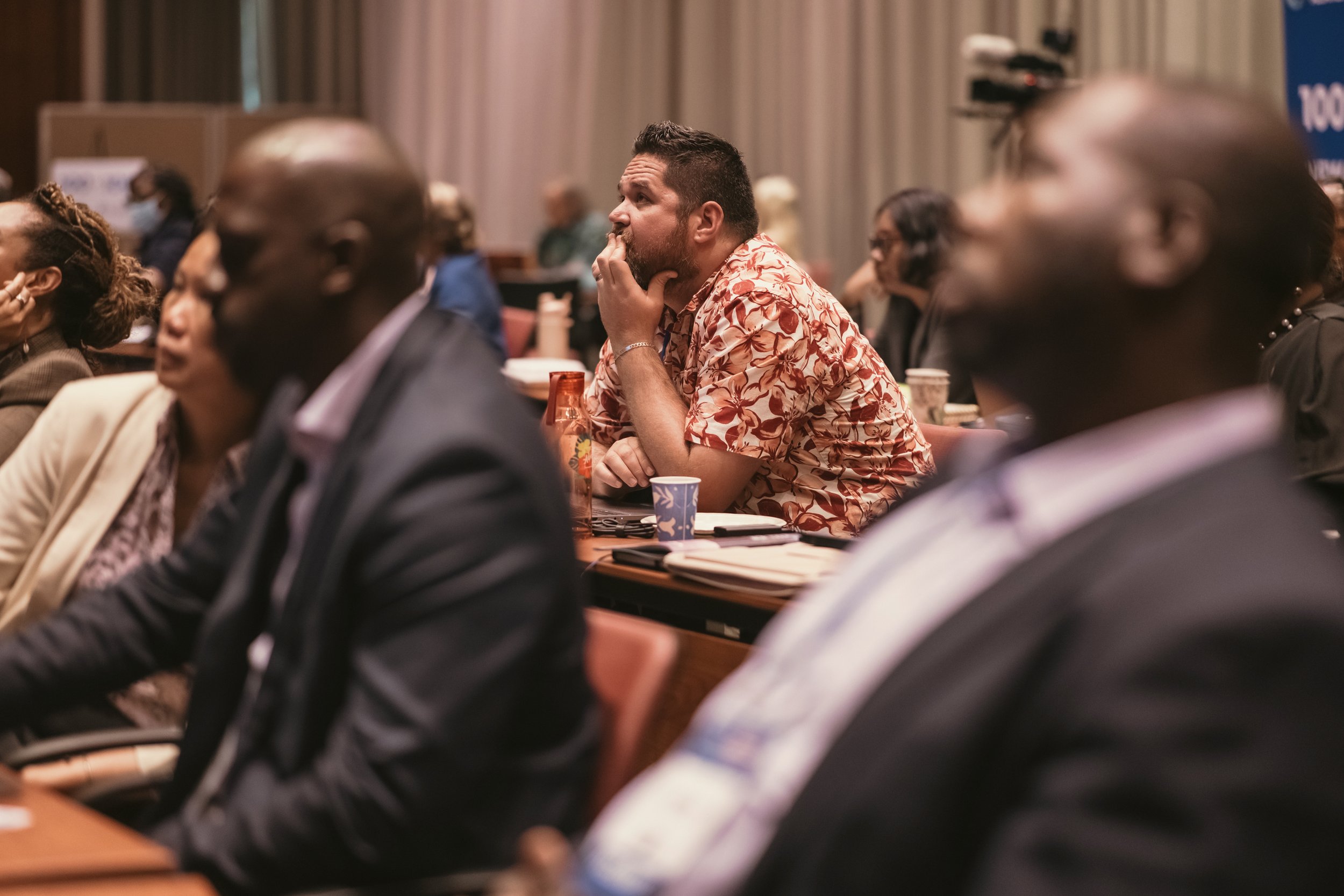
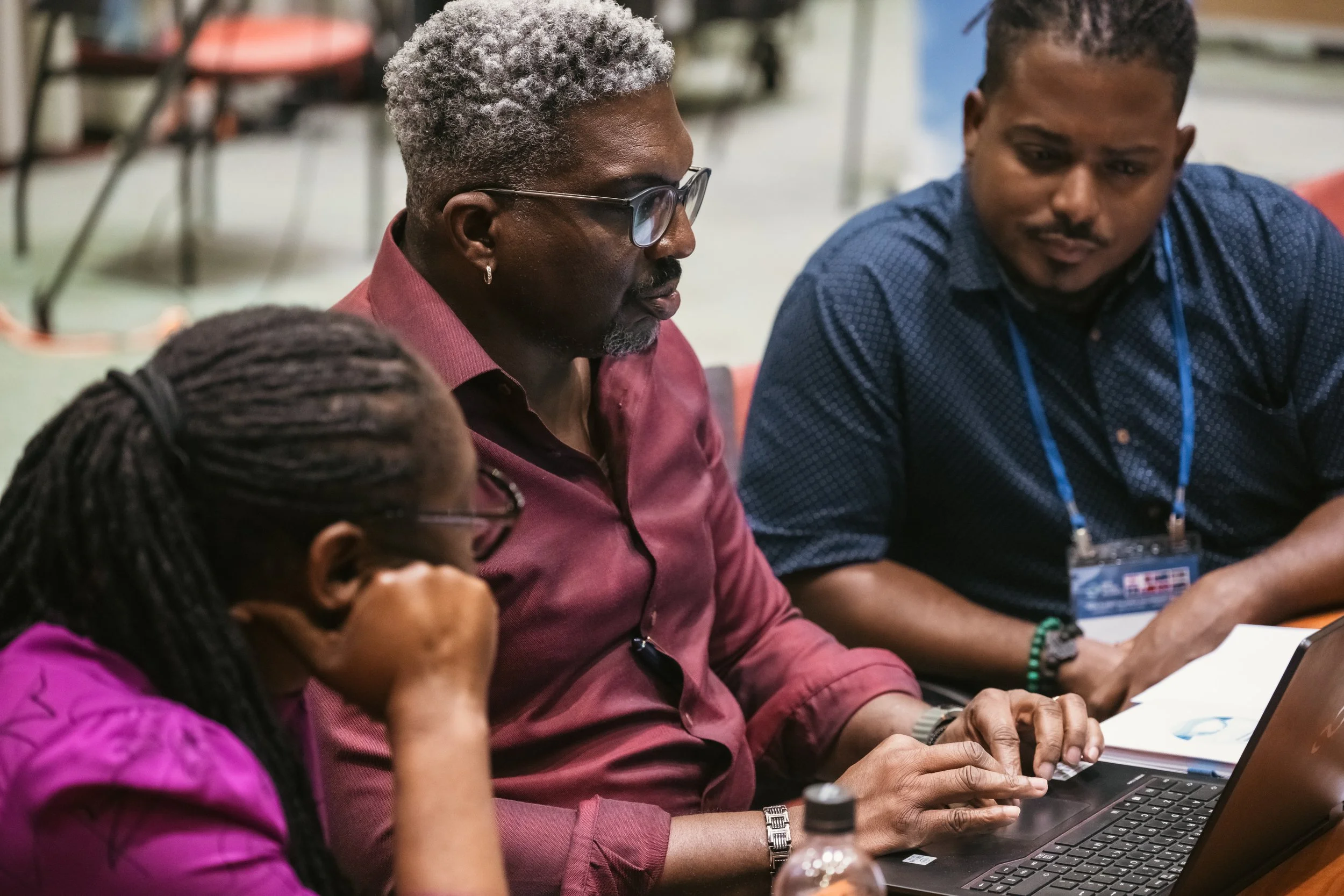
Day two focused on the legal and technical scaffolding required for systemic change. Panels featured utility executives and policy experts diving deep into regulatory frameworks, energy equity tools, and how to successfully integrate variable resources like wind and solar into a standalone island grid.
By providing the exact policy tools used to realign public utilities and government bodies, this session equips delegates to implement 100% renewable energy mandates. When governments and utilities work in concert, it alters private sector behavior, ensuring better service to consumers and a lower overall impact on the planet, a true win-win-win.
Day 3: Clean Energy in Action
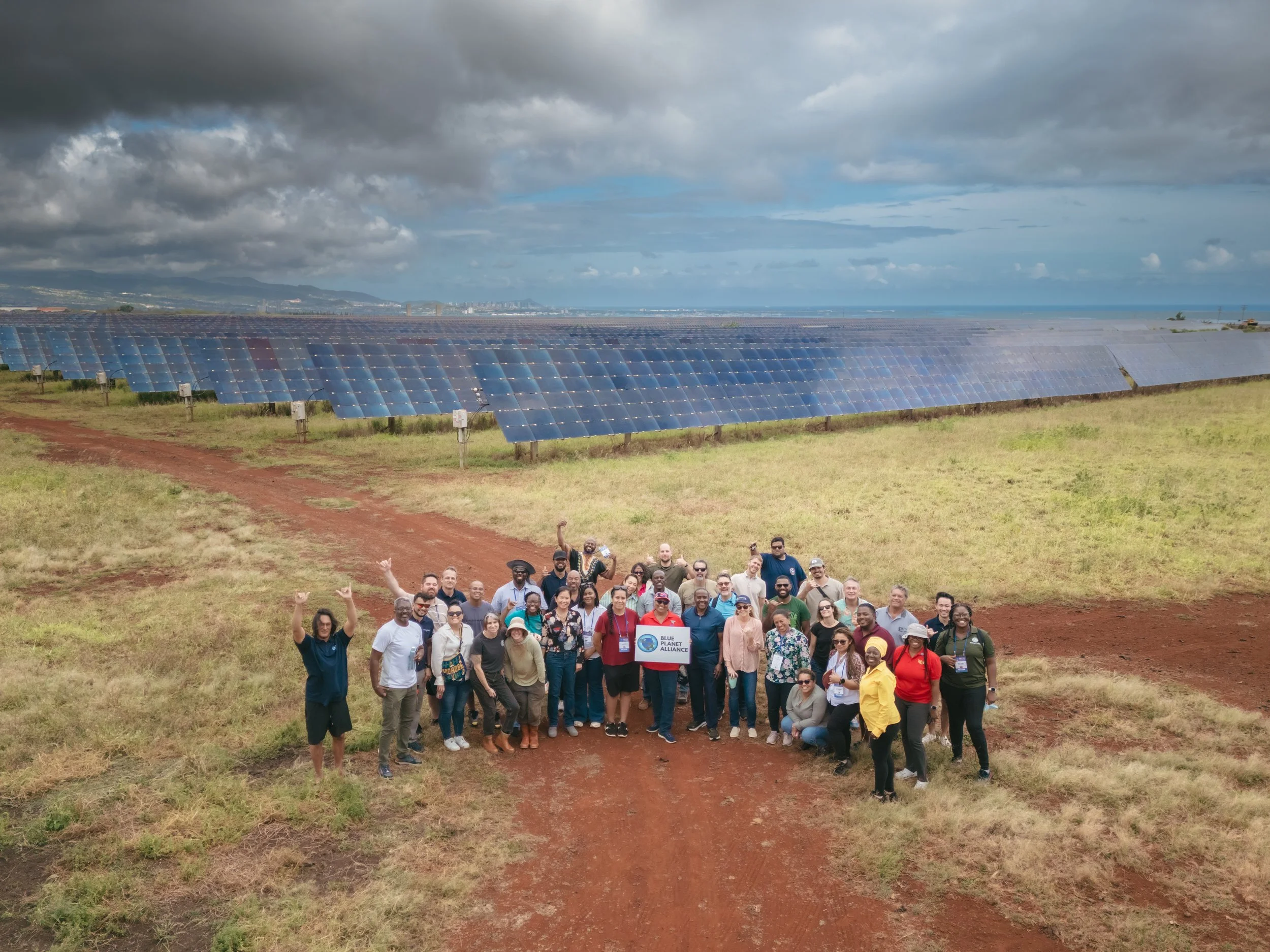
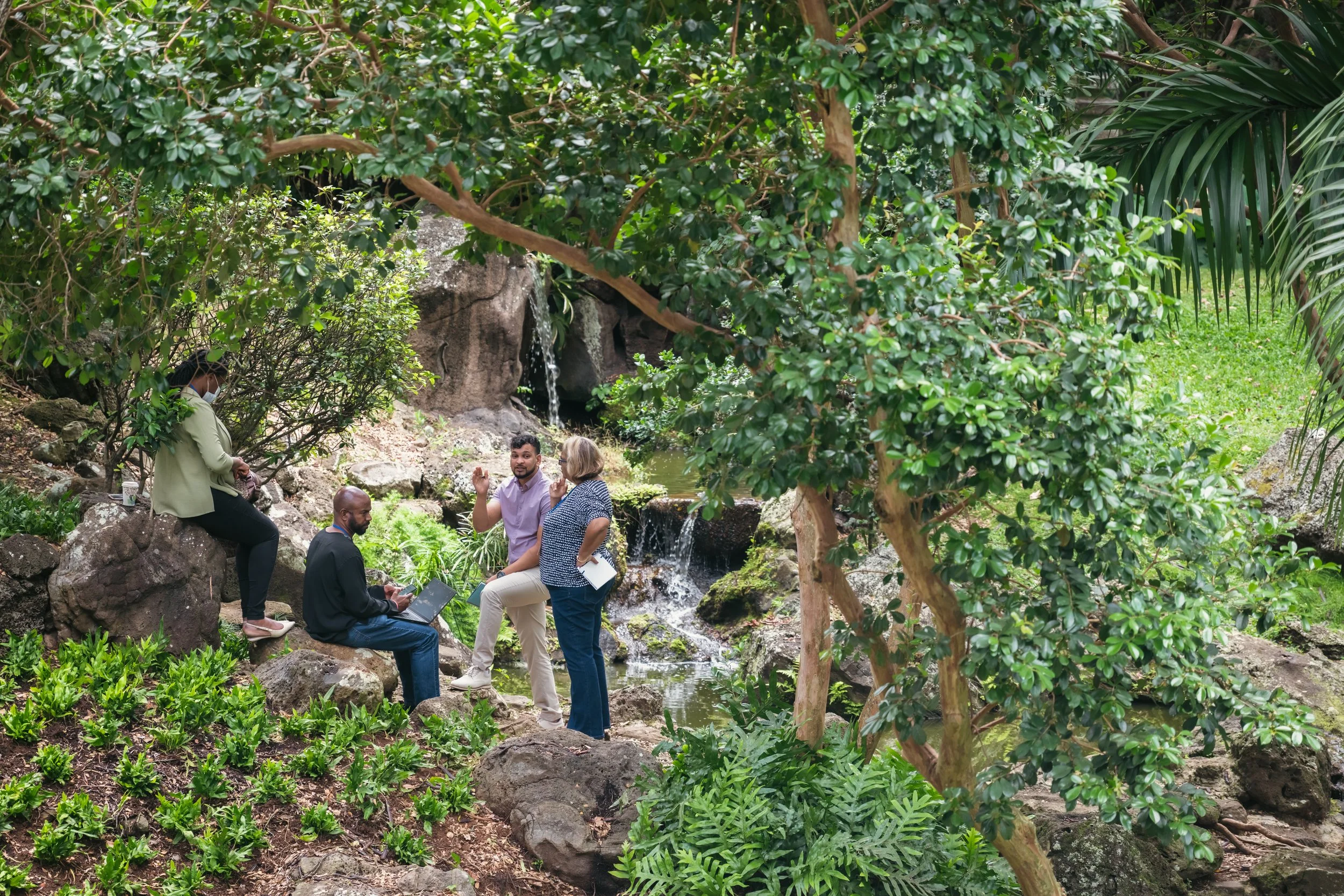
The cohort left the conference room to witness utility-scale infrastructure, community microgrids, and clean transit systems firsthand across Oahu.
The day's site visits provided three distinct operational models:
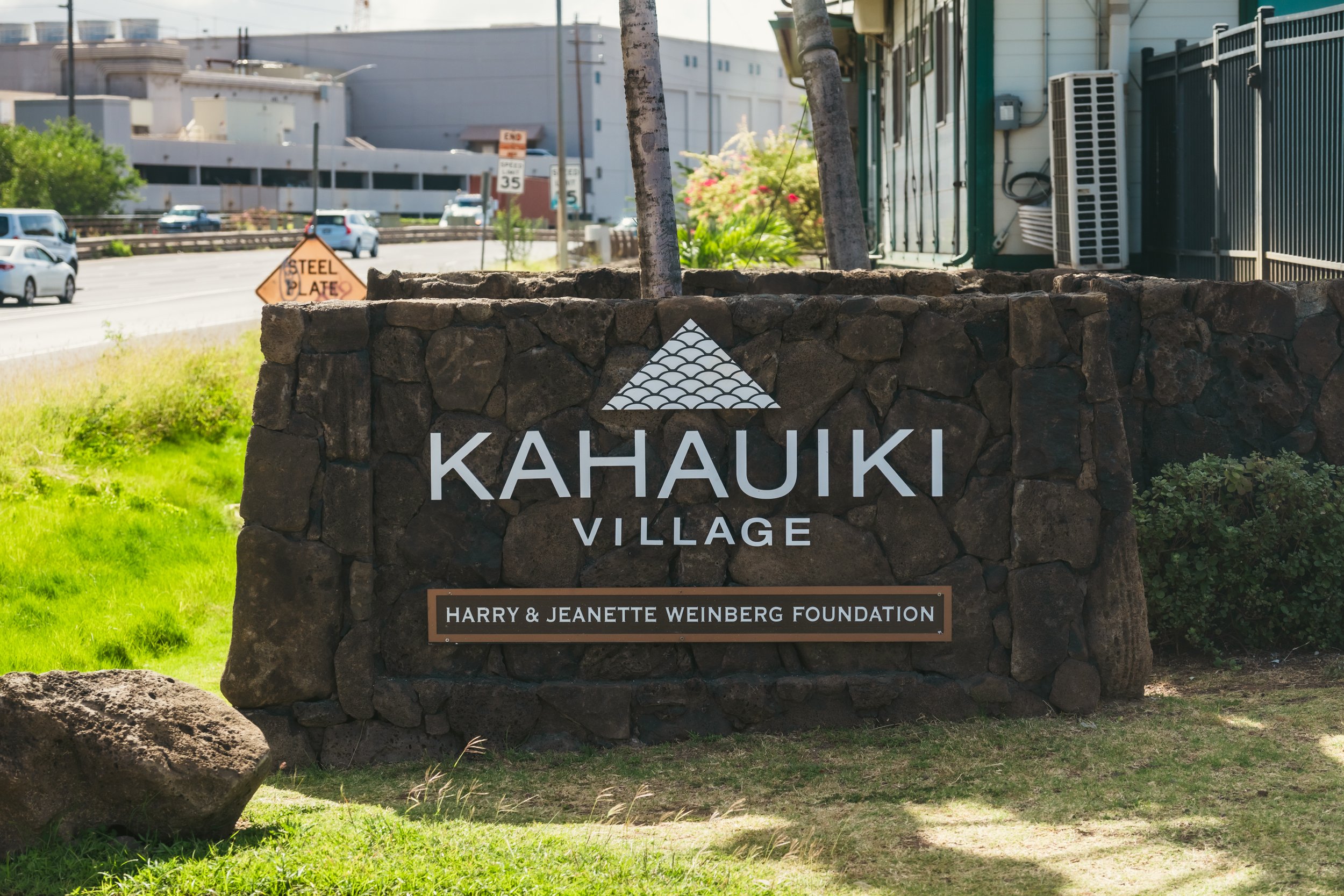
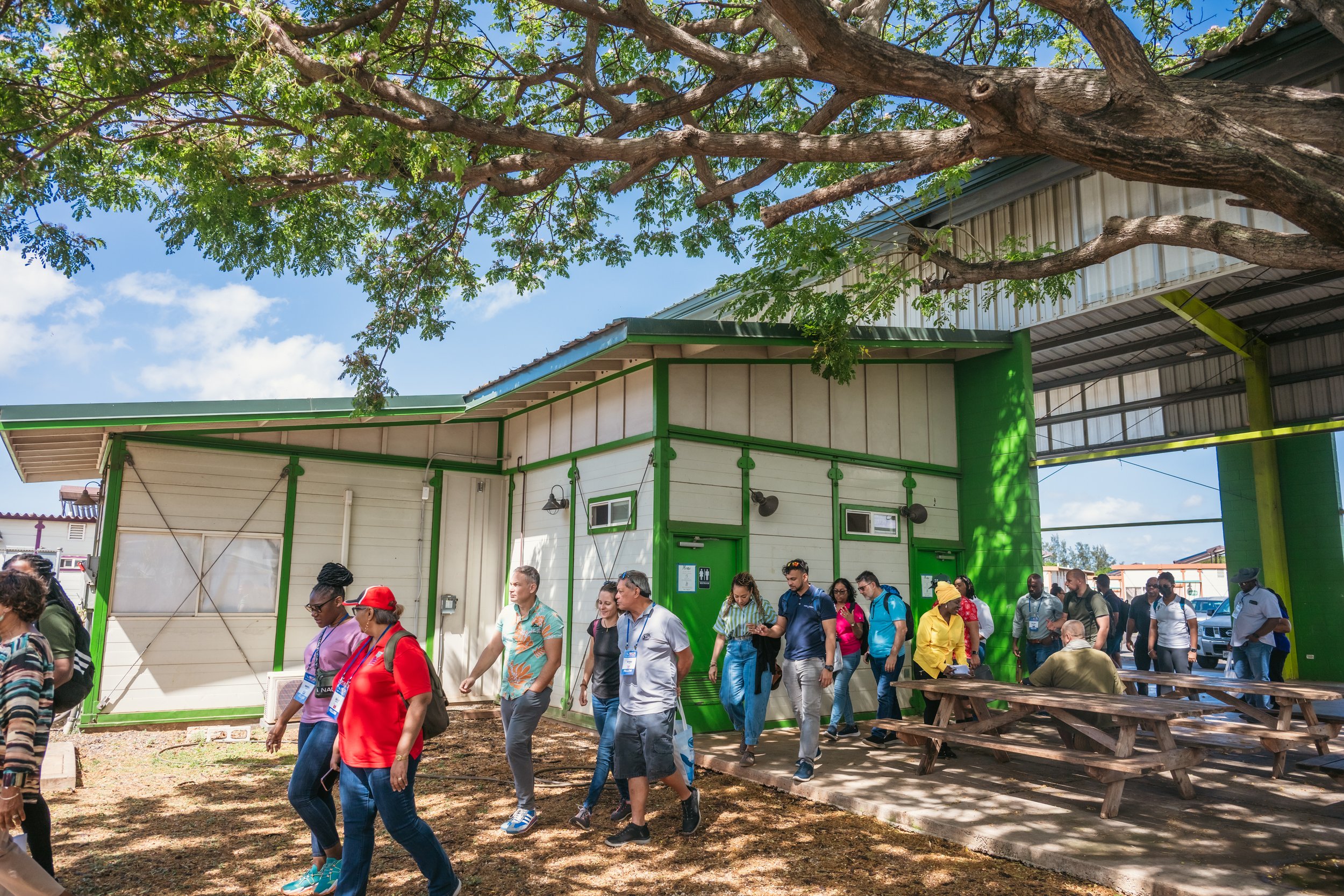
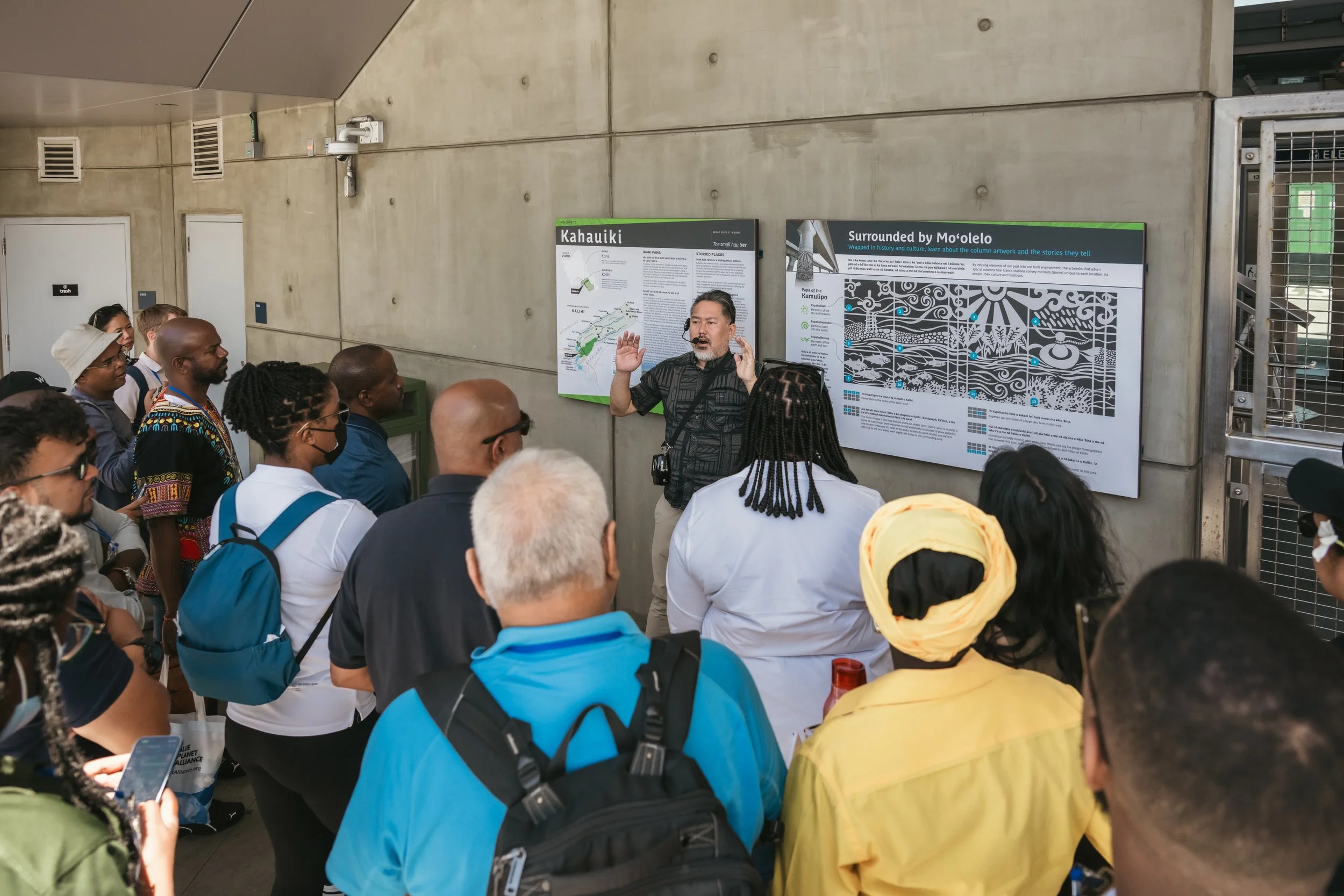
Kahauiki Village: Fellows toured this ground-breaking, plantation-style community for formerly homeless families. The entire village operates on an independent, off-grid solar-and-battery microgrid. It offered a masterclass in combining social equity with energy resilience, demonstrating how localized renewables can protect vulnerable populations during extreme weather events.
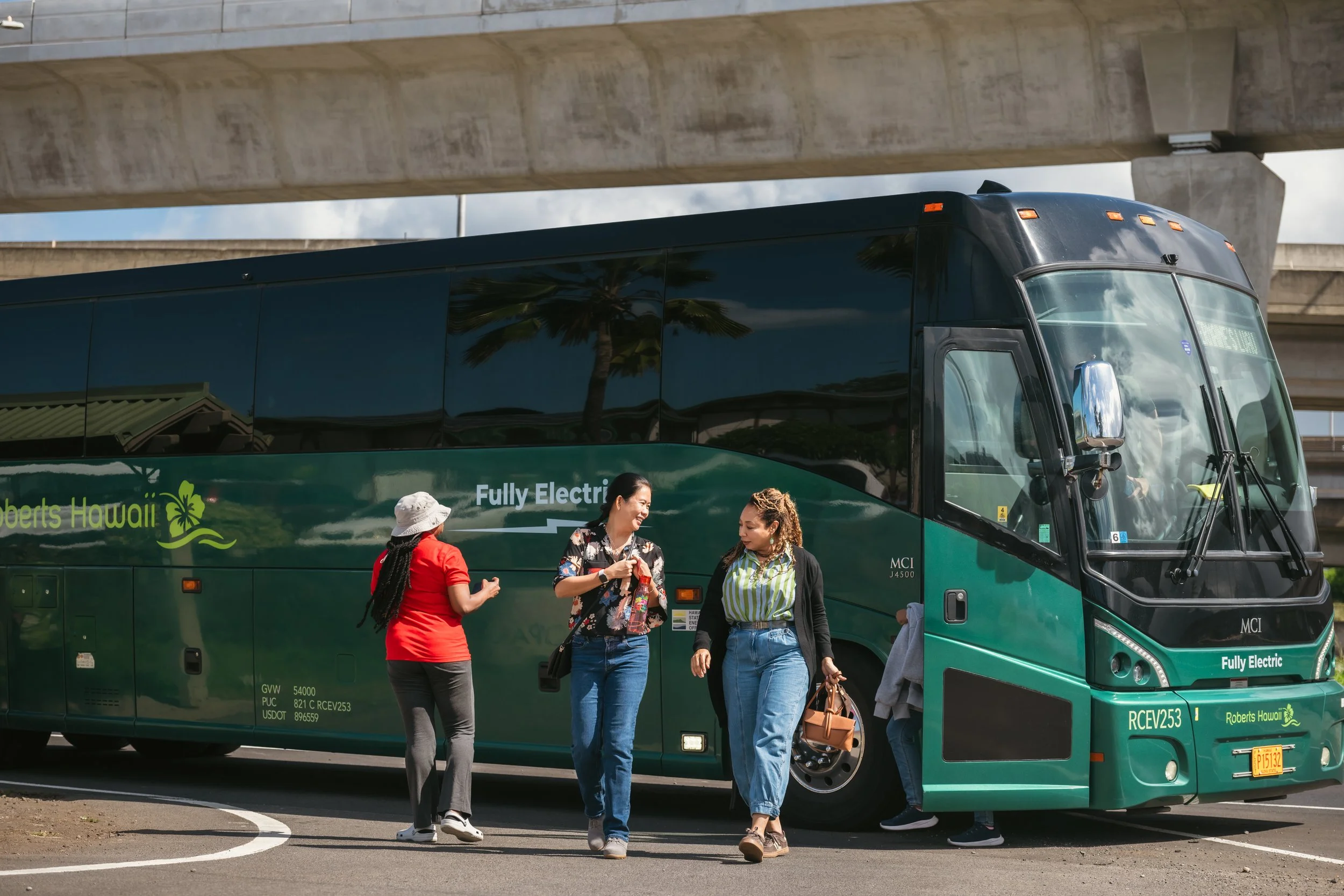
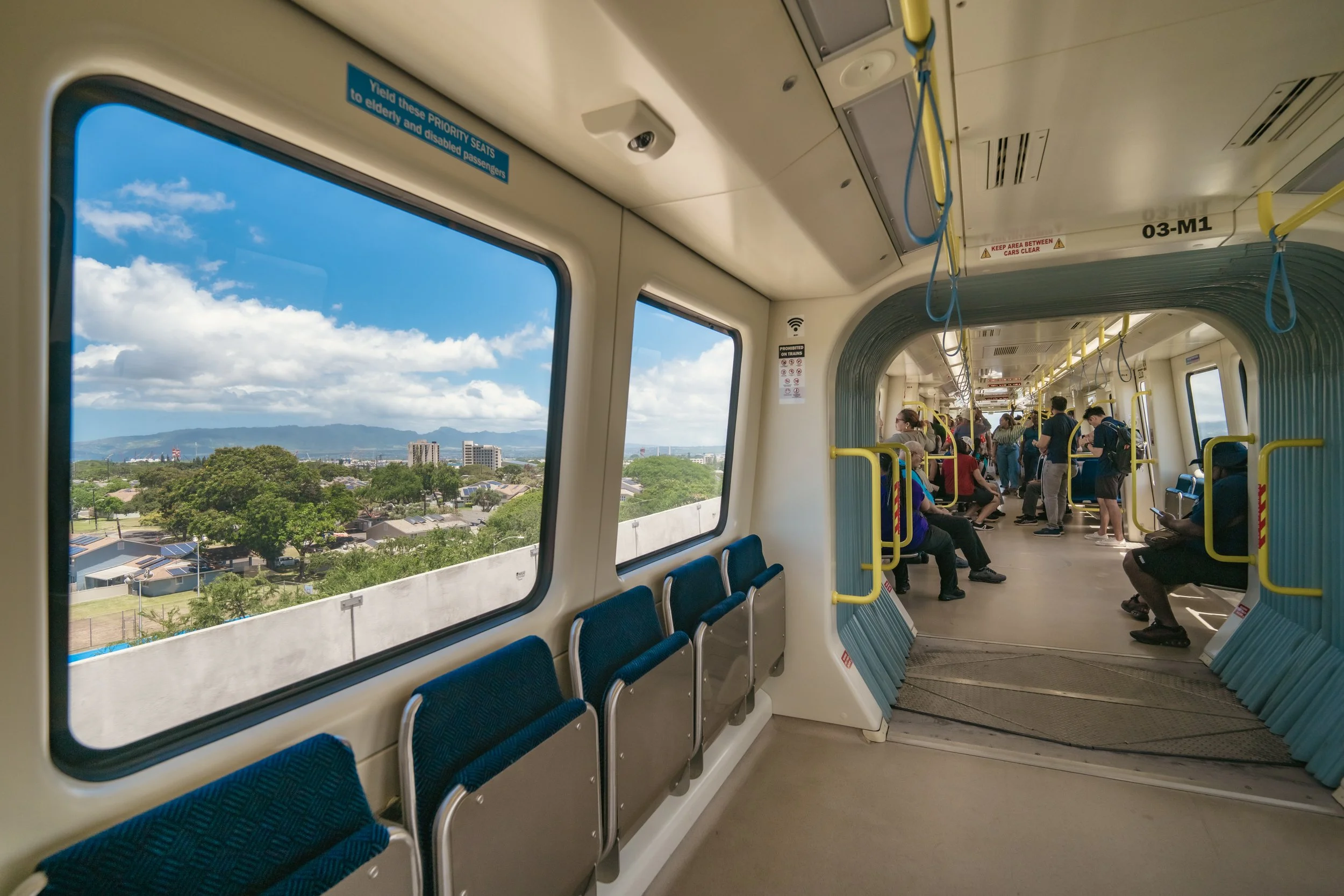
The Skyline & Leeward Community College: The delegation explored the intersection of clean energy and mass transit by hopping aboard the Skyline, Honolulu’s fully electric rail system. Riding the transit line directly to the Leeward Community College station, fellows met with transit officials to study how electrifying public transportation scales down a municipality’s overall oil demands while altering everyday citizen behavior.
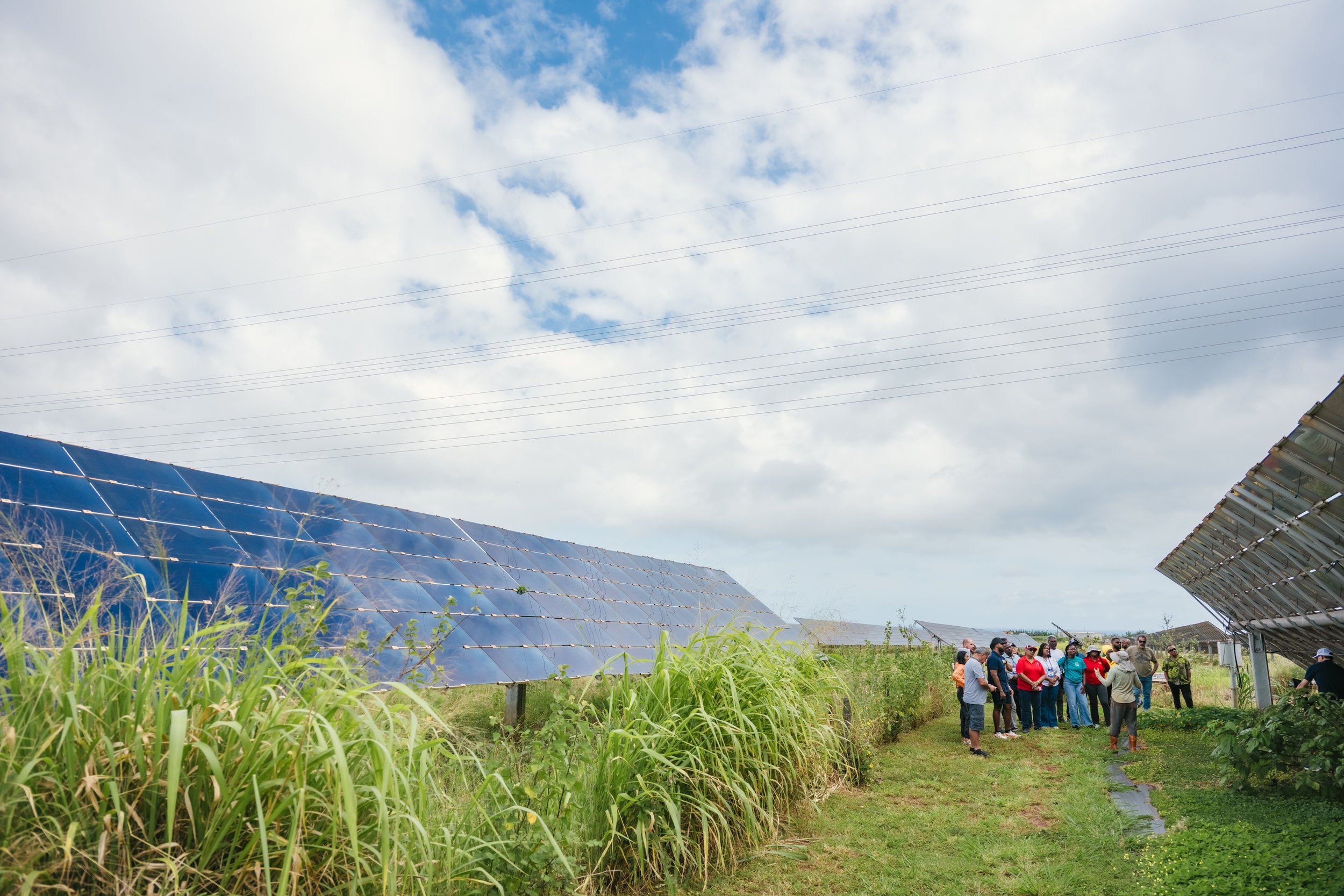
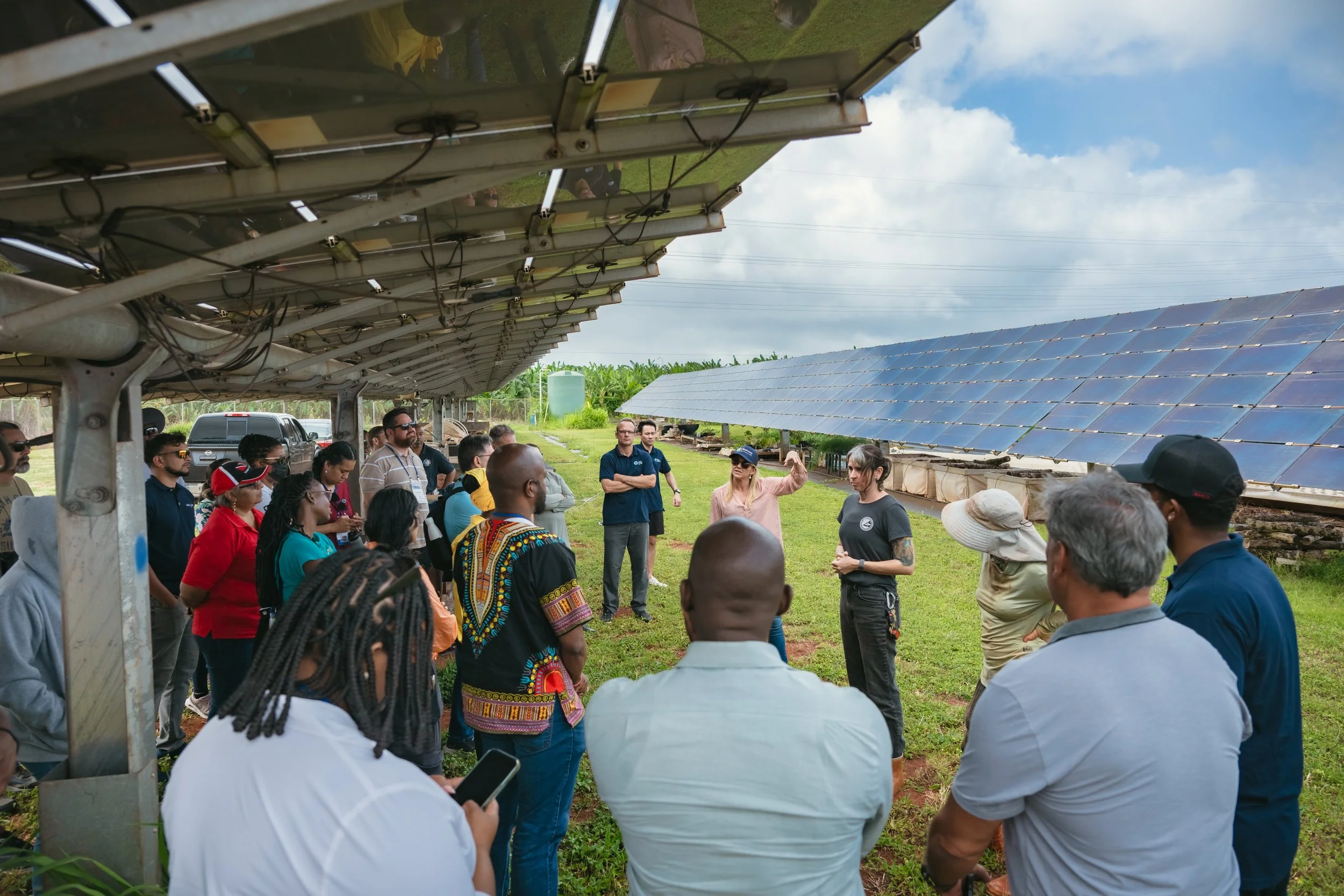
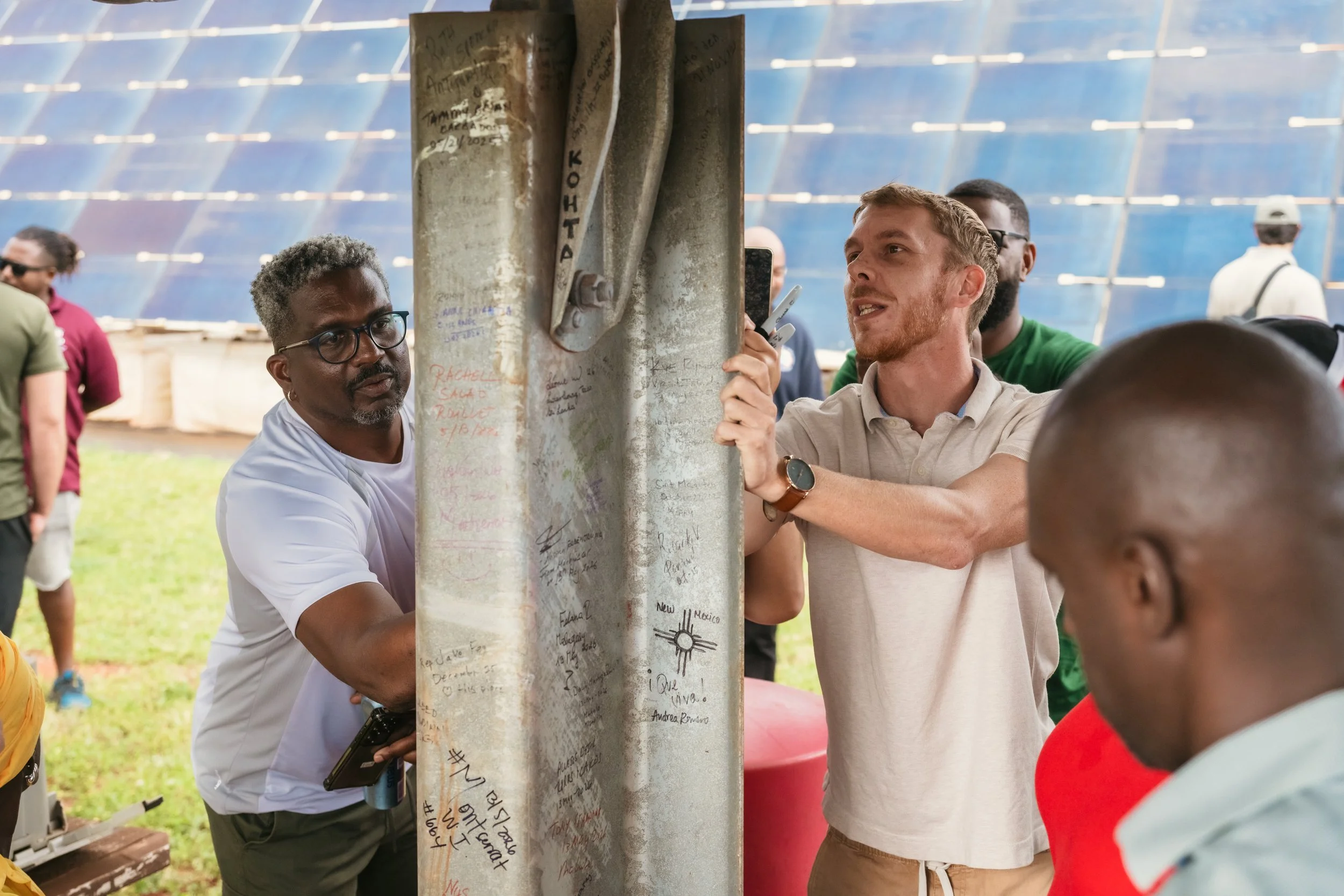
Mililani Solar Park: The day concluded at this massive, utility-scale facility. Fellows stood among rows of photovoltaic arrays to analyze grid-stabilizing storage systems, discussing how large-scale infrastructure projects can be integrated into island geography without disrupting local ecosystems.
Seeing these installations bridges the gap between abstract policy and physical implementation. Witnessing successful clean energy models inspires private sector stakeholders to scale up their own investments, while the visible harmony between green technology and community land usage builds vital public support to shift citizen behavior.
Day 4: Project Development & Creative Financing
Transitioning an island requires serious capital. Day four tackled the economics of climate action, matching fellows with global experts to discuss grant writing, international climate funds, and structuring bankable commercial-scale projects.
Financial constraints are the most common hurdle for island transitions. Demystifying international funding streams directly accelerates project pipelines, providing the necessary resources for islands to actualize their legislative goals and create a thriving, resilient world.
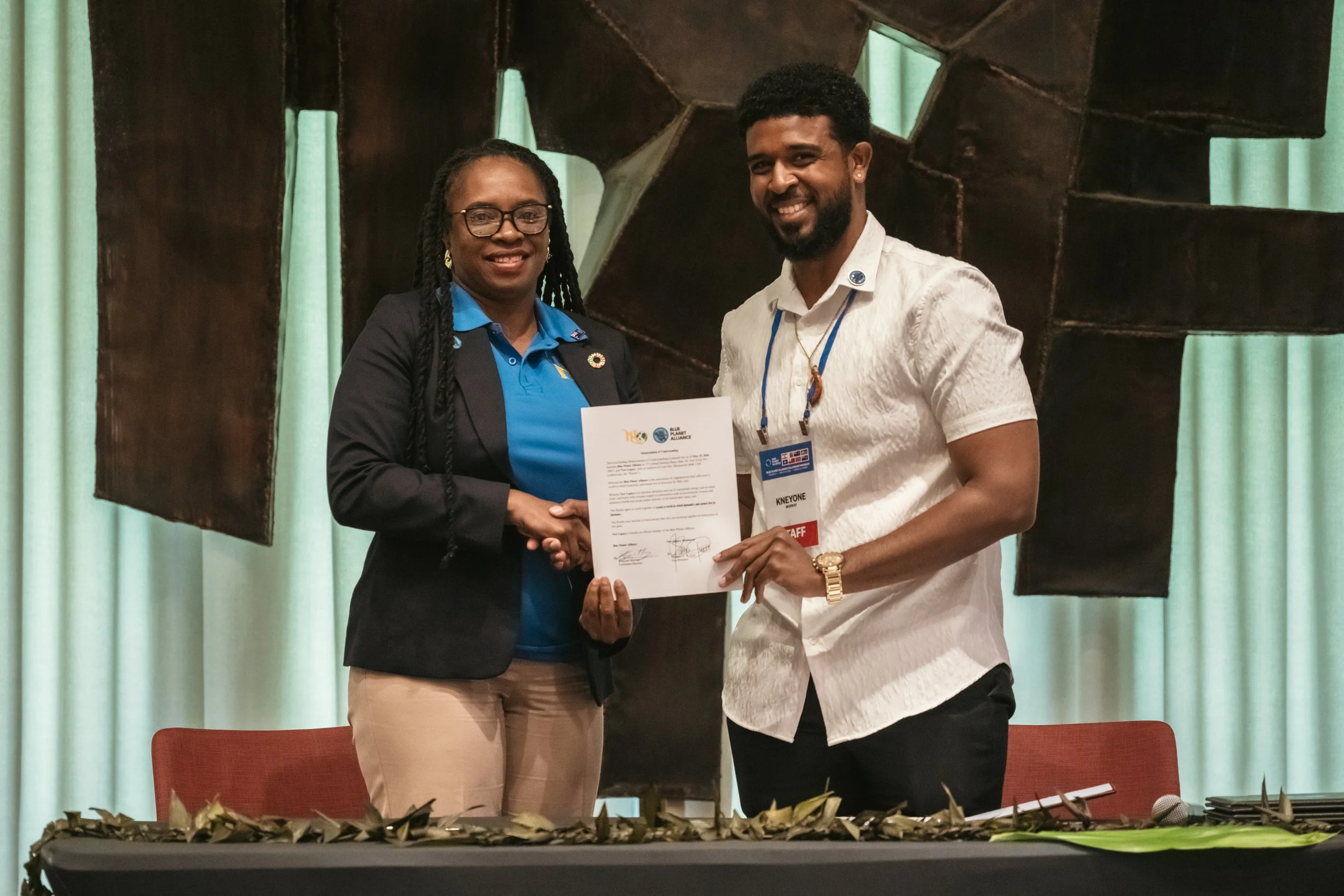
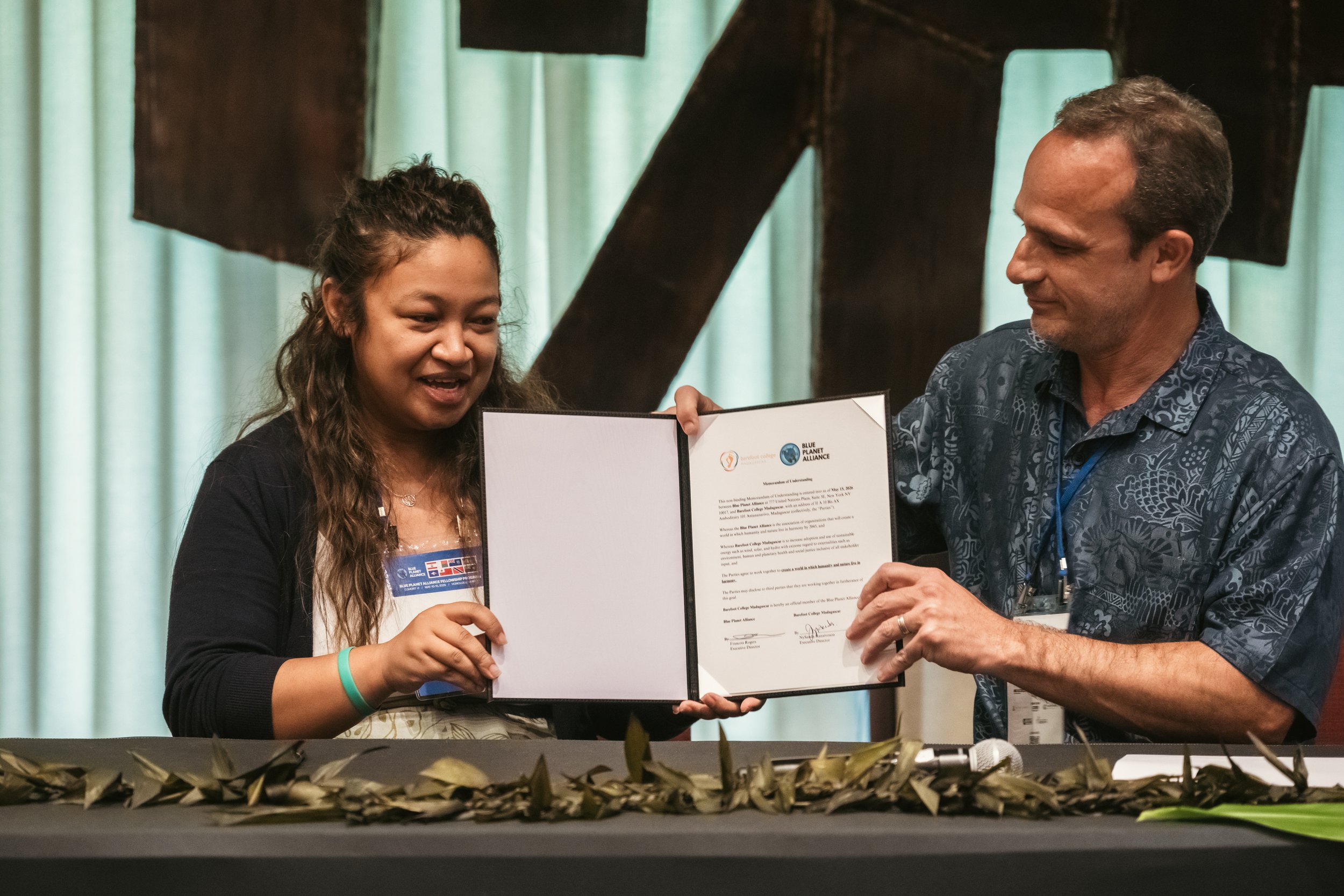
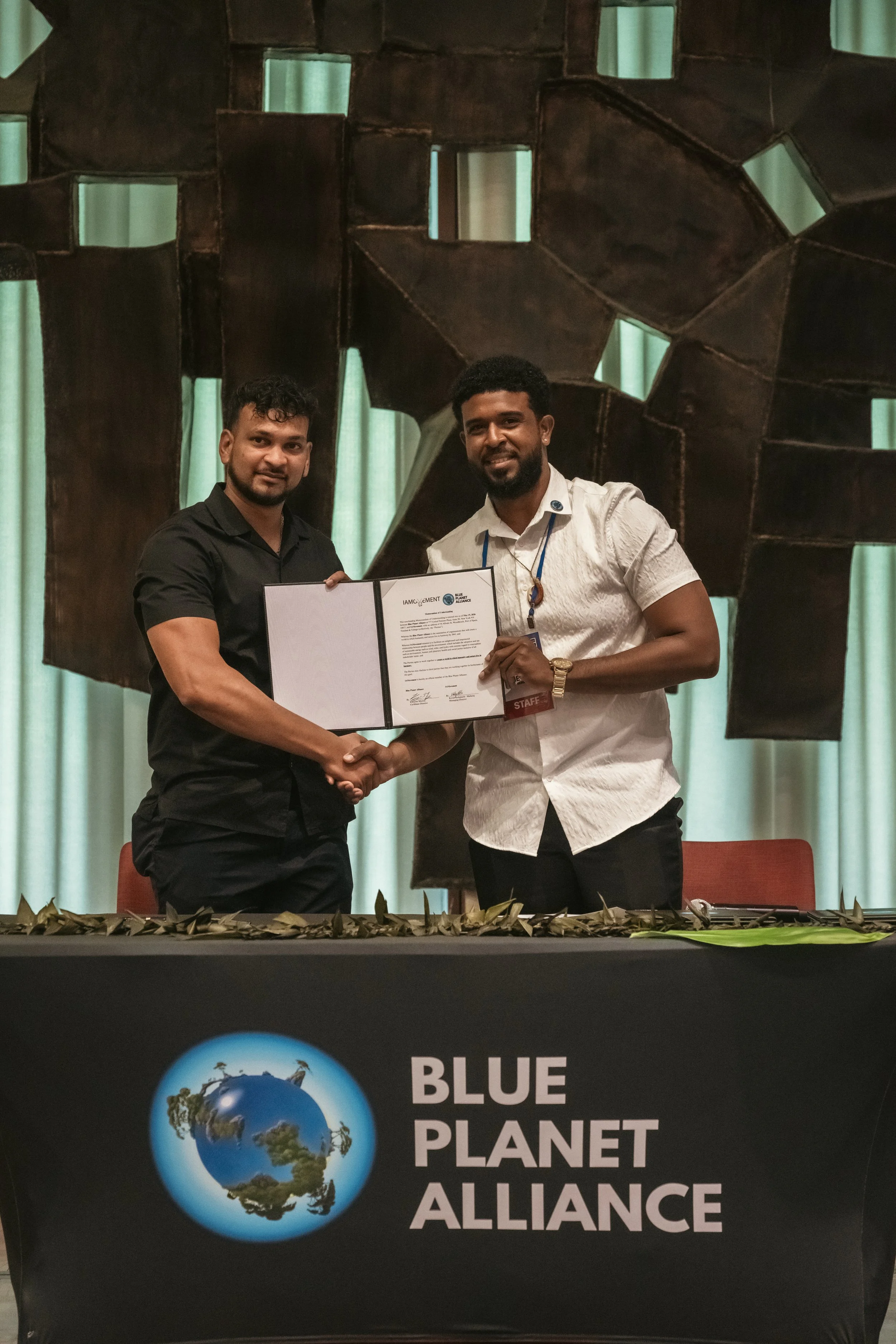
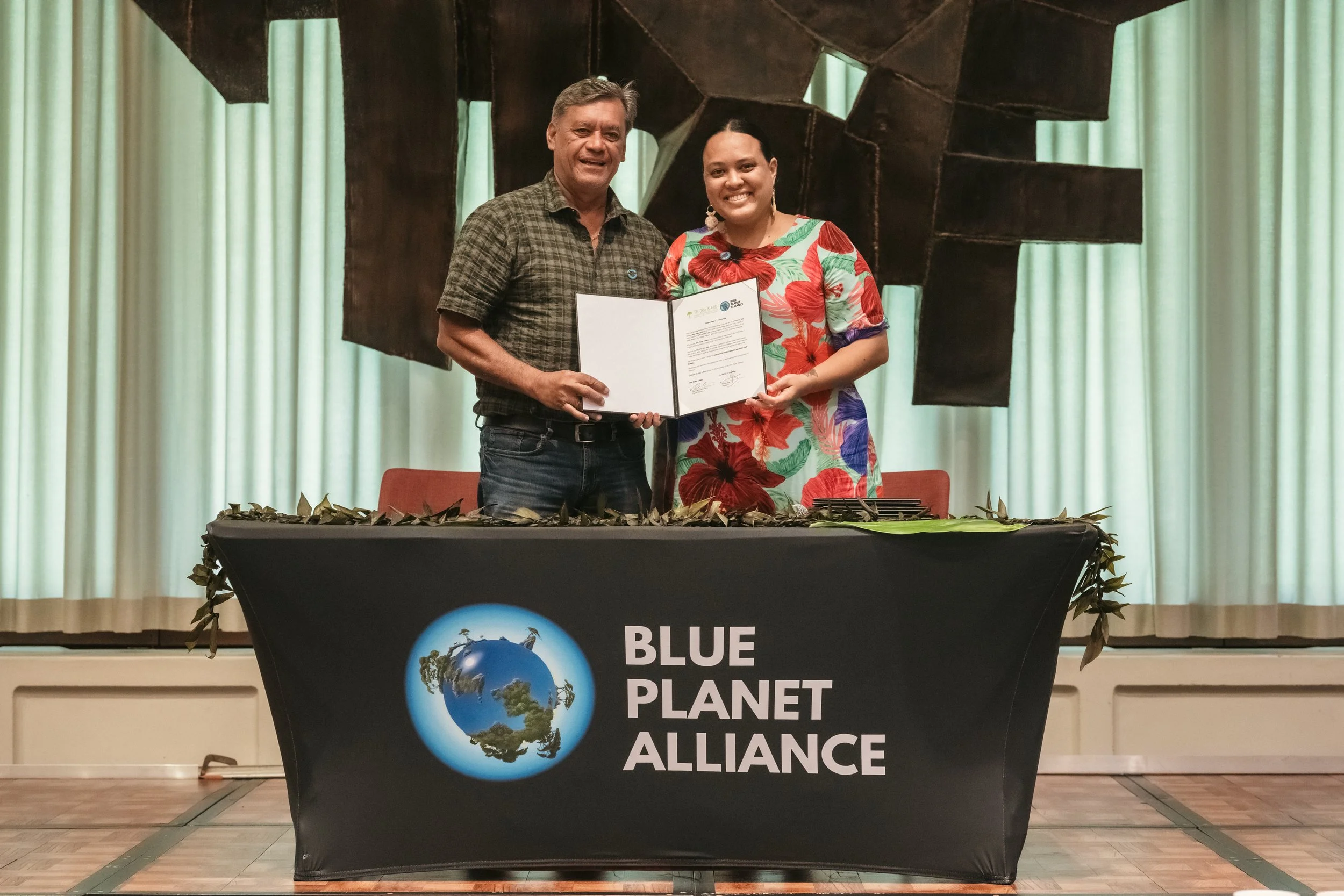
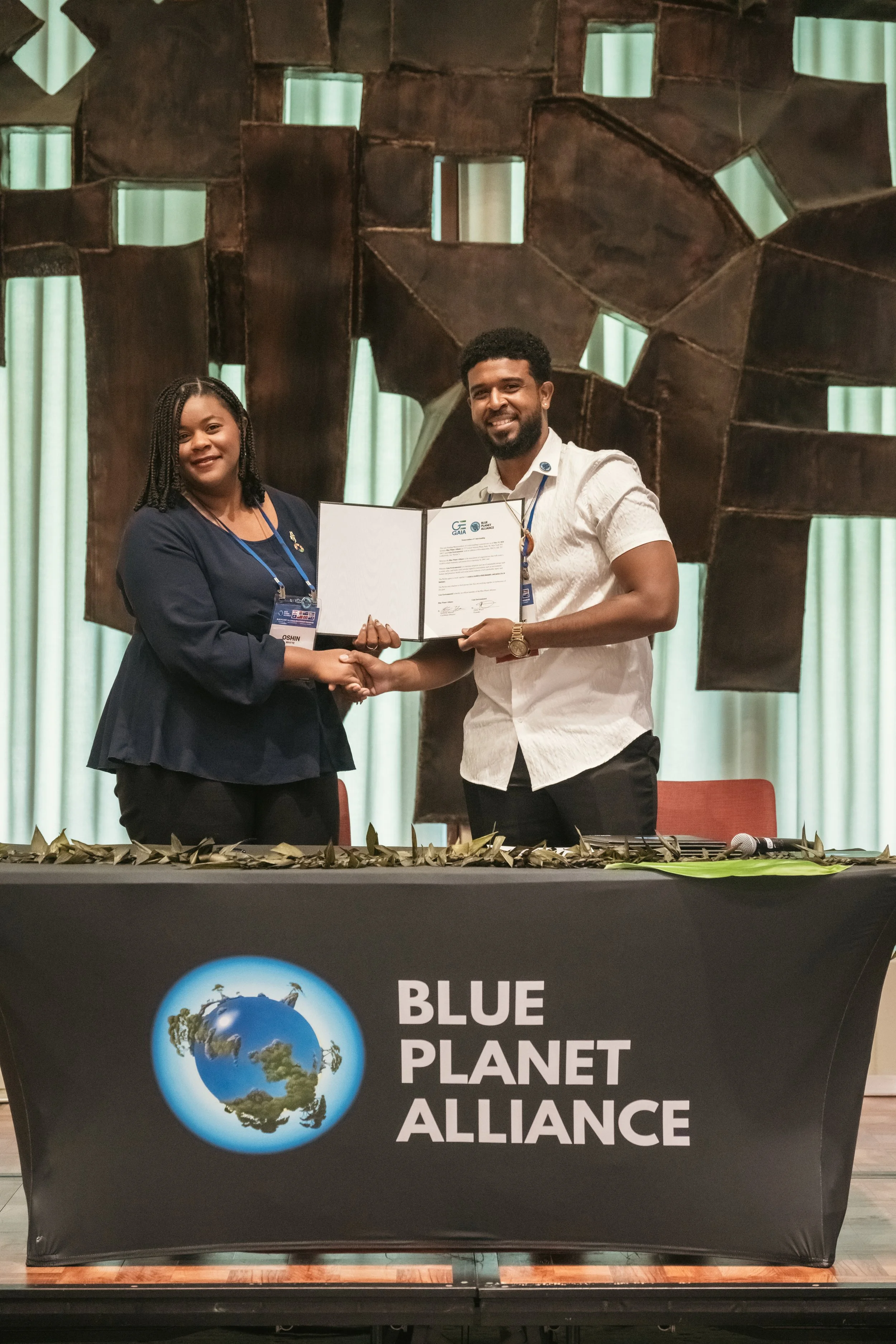
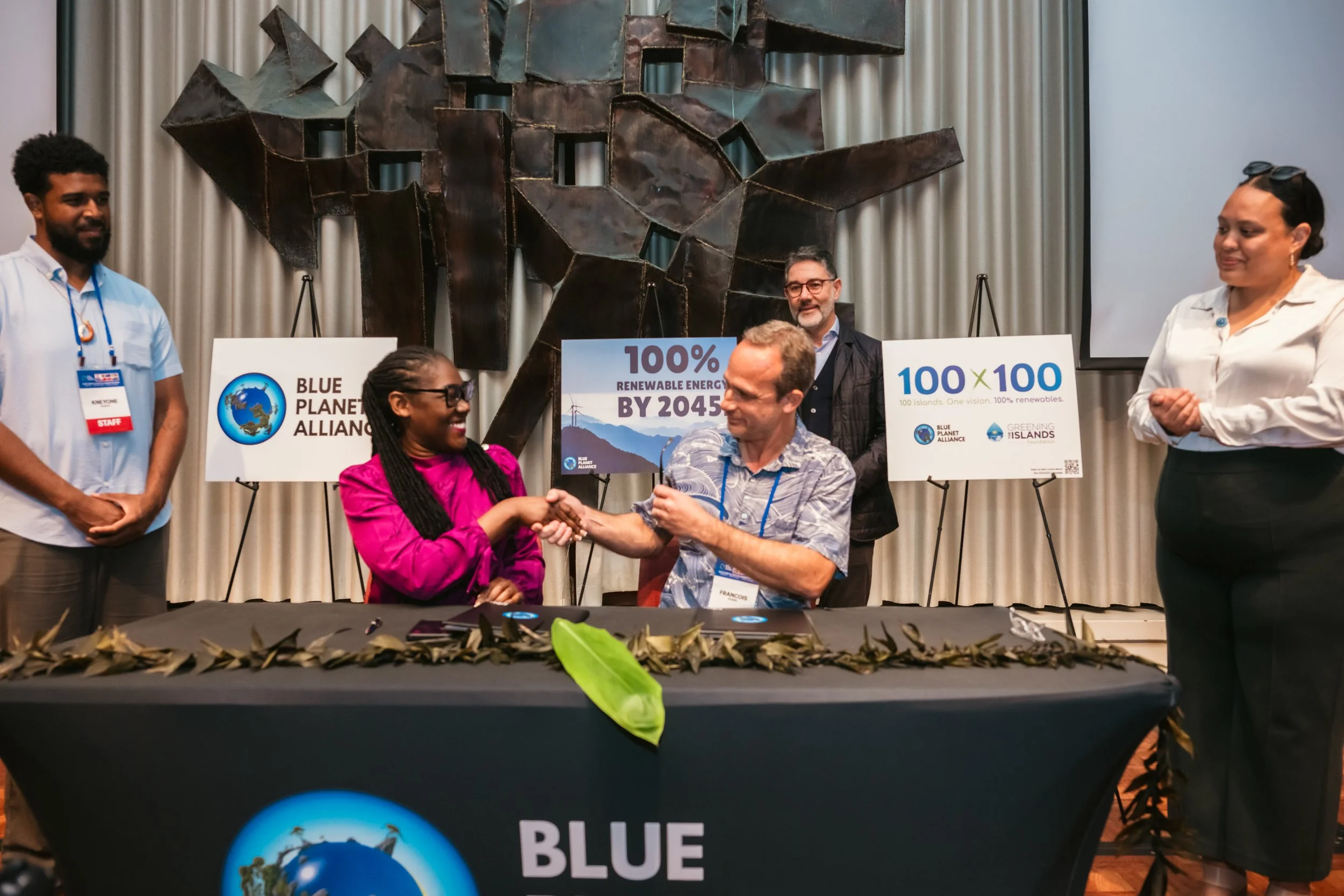
The day also saw five new Memorandum of Understanding signings, pushing us past a landmark 200 signings, marking significant strides in collaborative climate action:
IAMovement (Trinidad & Tobago): Brings strong community engagement and public-education work that builds grassroots support for climate action.
Te Ora Naho (French Polynesia): Adds long-standing environmental advocacy and cultural stewardship to ensure transitions honor people and place.
Barefoot College Madagascar: Contributes hands-on technical training and women-centered solar education, expanding local capacity.
New Legacy (Montserrat): Brings youth leadership and community-driven development to support resilient island futures.
Gaia Environmental (Turks & Caicos): Adds on-the-ground implementation expertise with a focus on environmental and human health.
Day 5: Island Presentations & Roadmaps to Tomorrow
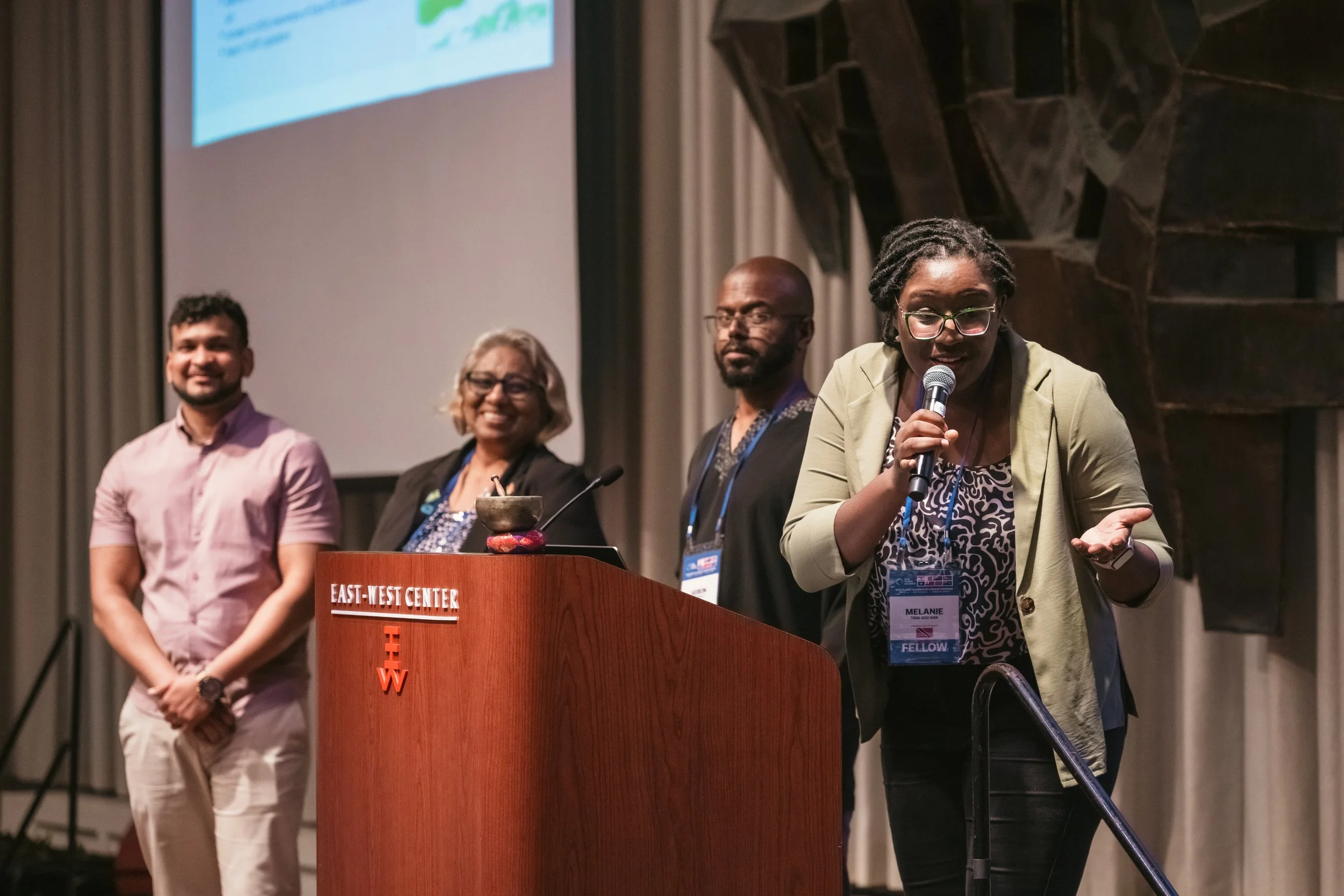
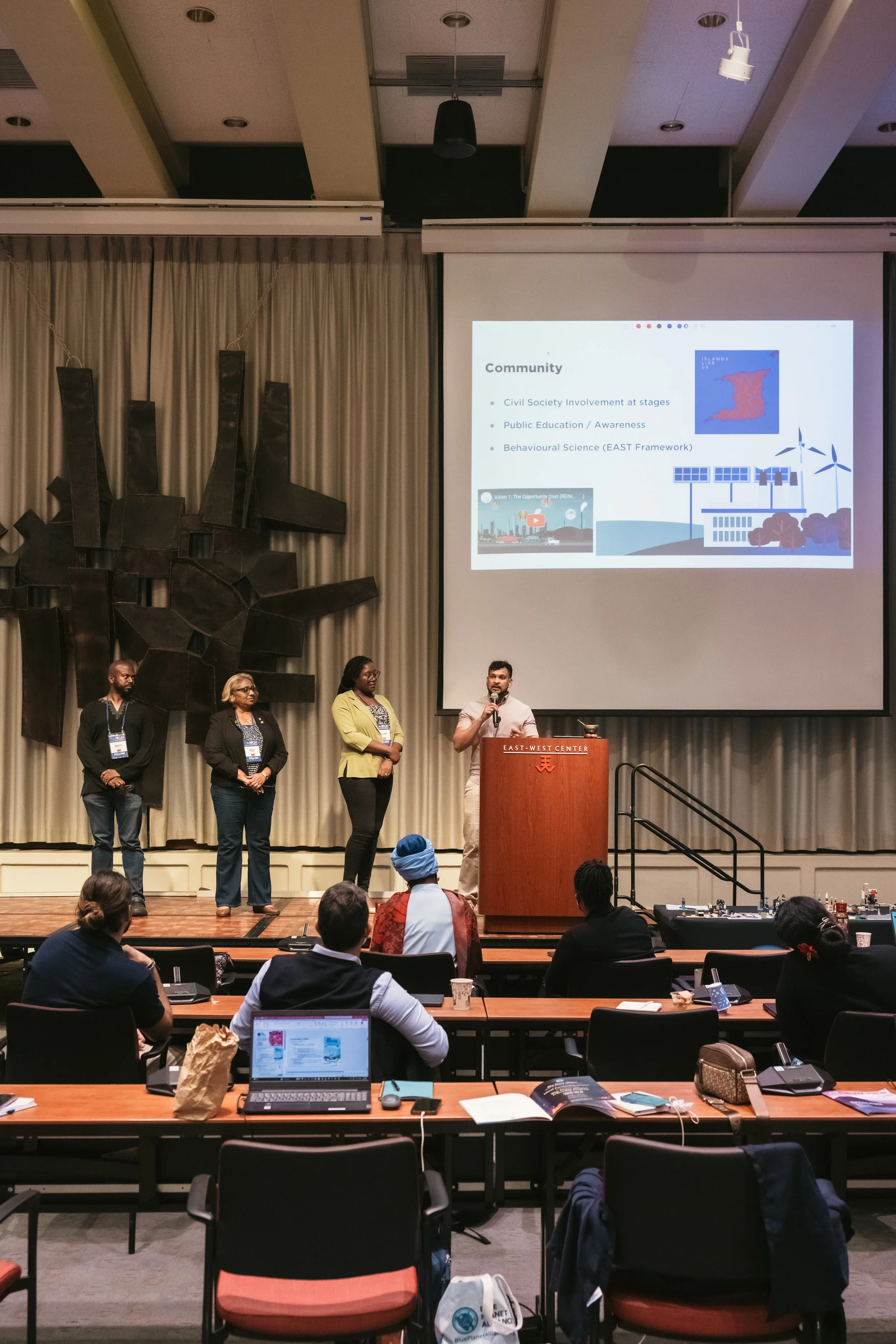
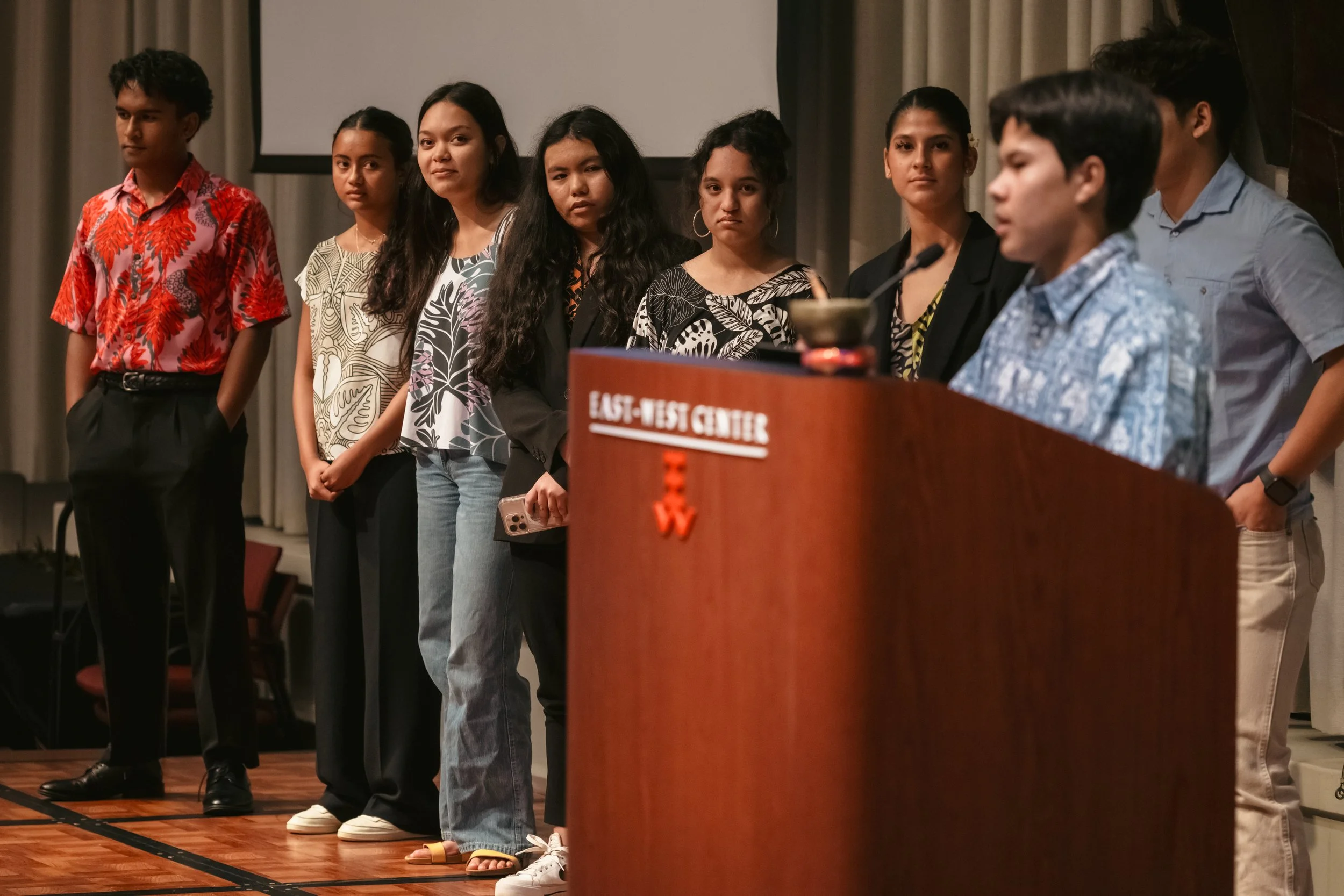
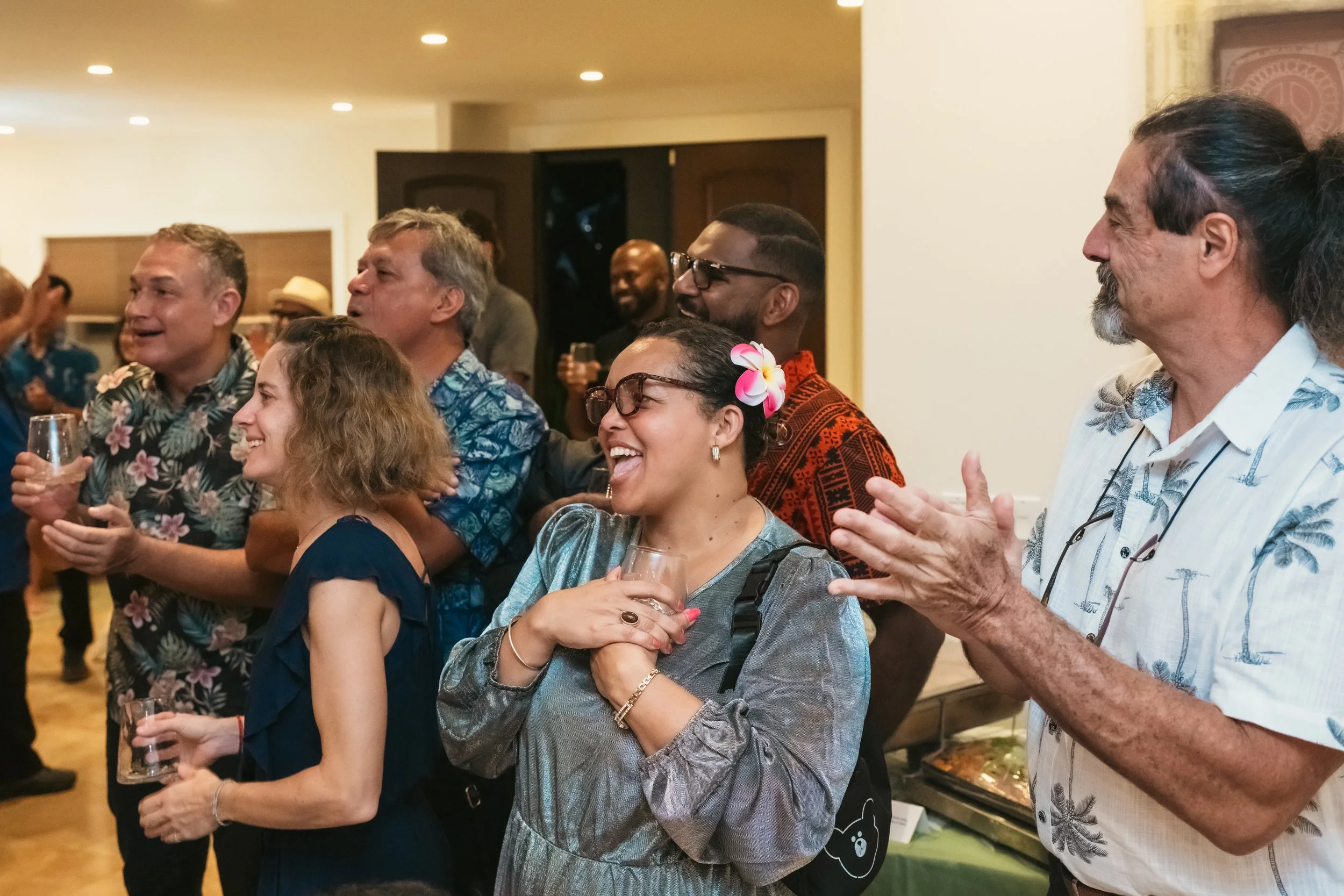
The fellowship culminated in strategic planning sessions where each territory presented its customized roadmap. This day was punctuated by monumental steps forward for Caribbean climate leadership: the Sint Eustatius delegation outlined its ambitious commitment to hit 100% renewable energy by 2030—fifteen years ahead of the global target—as part of their Clean Energy for European Union Islands initiative, while Montserrat officially formalized its dedication to the future by signing the Blue Planet Climate Agreement.
This day directly expands our network of global MOU partnerships. By formalizing local roadmaps, securing historic BPCA signings, and building cross-border alliances, the fellowship ensures that the momentum built in Hawaii transforms into permanent, legally backed, localized action across the globe.
Driving Global Impact, One Island at a Time
Islands are on the absolute frontline of the climate crisis. They suffer the most immediate impacts of rising sea levels while paying some of the highest electricity rates on Earth due to imported diesel.
The BPA Fellowship Program is designed around a simple truth: if you can do it on an island, you can do it anywhere. By creating a collaborative network where nations like Sint Eustatius and Montserrat can exchange practical technical knowledge with Pacific and Caribbean peers, we are doing more than just sharing information, we are building a unified global vanguard.
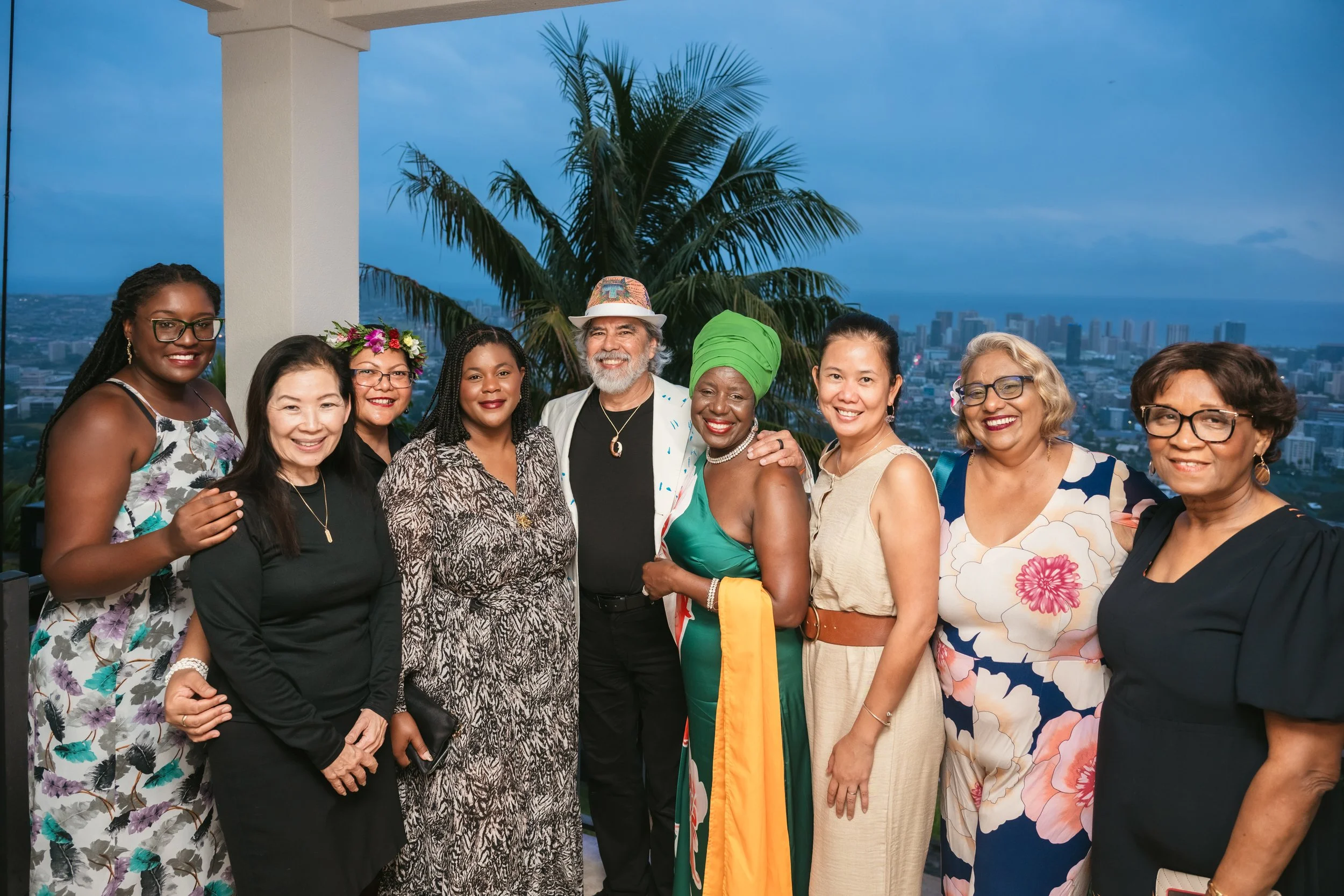
As Cohort VI headed home, they carried the actionable blueprints, international partnerships, and collective momentum needed to transform public sector behavior, inspire private innovation, and secure a resilient, clean energy future for people, nature, and our future.
